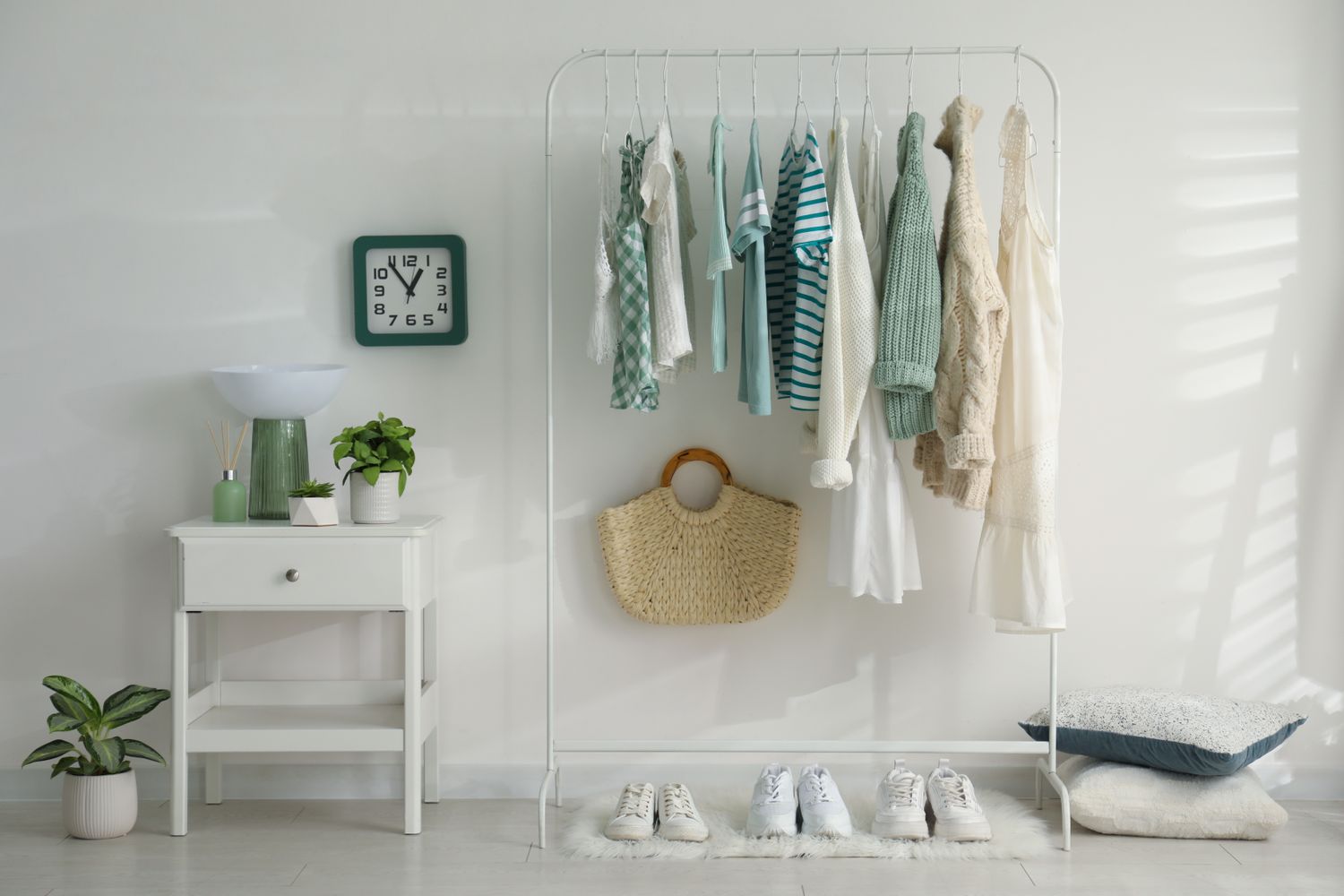
Minimalism has had a spectacular run. It gave us white walls, matching bins, three beige sweaters, and the suspicious belief that if we just owned fewer spatulas, inner peace would arrive by Tuesday. But according to a growing chorus of organizing experts, minimalism is not the universal gold standard people think it is. In fact, for many households, chasing a minimalist look can create more guilt, more pressure, and more chaos than calm.
That does not mean clutter should get a free pass to run wild like a raccoon in a snack aisle. It means the goal of organizing should not be to look like a catalog spread that has never hosted a birthday party, a school backpack, or a human with hobbies. The better goal is to create a home that works for your life. Real organizing is not about owning the fewest things. It is about knowing what you have, using what you keep, and setting up systems that are easy to maintain on ordinary Tuesdays when nobody feels especially enlightened.
Why Minimalism Became the Default Organizing Dream
Minimalism became wildly appealing for a reason. It promises relief. When your counters are crowded, your closets groan every time you open them, and that one junk drawer is now technically a junk biome, “less” sounds like the answer. A visually quieter home can absolutely feel calming. Research and expert commentary have long linked clutter with stress, distraction, and emotional overload, which helps explain why streamlined spaces are so attractive.
But here is the catch: a clean-looking home and a functional home are not always the same thing. Social media often rewards the former. Real life demands the latter. The trouble begins when people confuse an aesthetic with a workable system. A house can look minimalist and still be hard to live in. It can also look colorful, layered, sentimental, and full of personality while being beautifully organized.
What 8 Organizing Experts Want You to Understand Instead
When you line up the perspectives of eight organizing experts, a pattern becomes obvious. They are not anti-order. They are anti-forcing people into a style or philosophy that does not fit who they are, how they live, or what their home actually needs. Here is what their advice adds up to.
1. Christina Lee: Minimalism can clash with your personality
Some people are naturally drawn to spare spaces and strict editing. Others are not. Christina Lee points out that minimalism is often less effective for sentimental people, highly creative people, and larger households. That makes perfect sense. A painter, a crafter, a parent, and a collector of meaningful objects are not failing at life because they own more than a nightstand, a candle, and one very committed linen duvet.
If your brain works best with visual inspiration, tactile materials, or memory-rich objects, a stripped-down home may not feel peaceful. It may feel weirdly sad. Organization should support your wiring, not fight it.
2. Pamela Wilkie: It only works if you truly want it
Pamela Wilkie makes a simple but powerful point: minimalism is a mindset as much as a method. It works best when someone genuinely wants that lifestyle, not when they think they are supposed to want it because a pantry on the internet made them feel morally inferior.
This matters because forced organizing rarely sticks. If you hate the rules, resent the restrictions, and feel deprived every time you pass a flea market, the system is probably not built for you. Organizing should reduce friction. If your “dream system” mostly makes you feel judged by your own coffee mugs, it is time to change the dream.
3. Meera Sharma: Sparse is not automatically joyful
Meera Sharma reminds us that some people thrive around color, art, books, keepsakes, and beloved objects. For them, joy is not found in visual emptiness. It is found in meaningful surroundings that feel alive. That is a useful correction to the modern myth that calm only comes in shades of oatmeal.
There is a big difference between curated abundance and unmanaged clutter. A shelf of ceramics you love, a wall of family photos, or a reading nook stacked with novels can be deeply comforting when those items are chosen intentionally and stored thoughtfully. Joy is not the enemy of order. Random accumulation is.
4. Kate Ginsberg: Your home should reflect you, not a trend
Kate Ginsberg argues that homes are not storage lockers with nicer lighting. They are reflections of the people living in them. When you pressure yourself to part with things you use or genuinely enjoy just to satisfy an abstract idea of “less,” you make it harder to maintain your space. Why? Because resentment is not a great long-term organizing strategy.
Ginsberg’s alternative mindset is closer to balance than extremism. She points to the idea of lagom, the Swedish concept of “just the right amount.” Not too much. Not too little. Just enough. That is a much saner standard for most people than trying to transform every household into a monastery with throw pillows.
5. Amélie Saint-Jacques: Aesthetic minimalism is often the wrong reason
Amélie Saint-Jacques warns that people often chase minimalism for appearance rather than function. They want the look. They want the vibe. They want the kind of bathroom counter that suggests no one in the home has ever opened three skin-care products at once.
But organizing around aesthetics alone is shaky. If the reason for changing your home is “I want it to look like someone else’s life,” the system will probably crack under real habits, real schedules, and real laundry. Better Homes & Gardens, Apartment Therapy, and The Spruce all echo the same idea in different ways: function has to come first. Pretty labels are lovely, but they will not save a system that makes everyday life harder.
6. Liora Seltzer: Minimalism is especially tricky in family homes
Liora Seltzer makes one of the most practical points of all: minimalism is a lifelong commitment, and that becomes complicated fast when multiple people live under one roof. If everyone in the home does not share the same values, pace, and tolerance for editing belongings, minimalist rules can create tension rather than peace.
That is why family organization experts often recommend routines, drop zones, broad categories, and easy return paths instead of rigid visual standards. In homes with kids, partners, pets, backpacks, sports gear, or rotating schedules, systems need to be obvious and forgiving. A house is not dysfunctional because it contains evidence of human beings.
7. Michelle Kolozetti: The real target is your ideal lifestyle
Michelle Kolozetti points back to one of the strongest organizing ideas of the last decade: the goal is not “less at any cost.” The goal is to create the right amount of belongings for your version of a good life. That idea also runs through the KonMari method, which emphasizes imagining your ideal lifestyle, focusing on what to keep, and creating systems after you understand what truly deserves space.
This is a much smarter question than “How little can I own?” Ask instead: What kind of home helps me function, rest, work, host, create, and enjoy my life? For one person, that may look almost minimalist. For another, it may look warm, layered, and happily full of useful things. Both can be organized.
8. Mindy Godding: Inventory matters more than ideology
Mindy Godding offers one of the most practical alternatives to strict minimalism: get to a comfortable inventory, then use simple maintenance rules like one-in, one-out for contained categories such as shoes, books, or mugs. That is not dramatic. It is not glamorous. It is also exactly why it works.
Professional organizers repeatedly emphasize the same truth: lasting organization is usually built on repeatable habits, not heroic purges. Small recurring decluttering sessions, designated drop zones, easy-to-see storage, and simple labels do more for a home than one weekend of tossing half your personality into donation bags.
So What Should the Goal Be Instead?
If minimalism is the wrong goal for many people, what should replace it? A better answer is intentional organization. That means your stuff earns its place because it is useful, meaningful, beautiful, or supportive of the life you want to live. Not because it fits a trend. Not because you are trying to impress your own linen closet.
Intentional organization usually includes a few practical principles:
Function before aesthetics
If you use something often, it should be easy to access. High-frequency items belong in prime real estate. The beautiful basket on the top shelf does not get a gold medal if nobody can reach the scissors inside it.
Simple systems beat complicated systems
Over-organizing is real. If your setup requires a flow chart, six label makers, and emotional resilience just to put away sandwich bags, it will not last. Broad categories and easy homes work better.
Declutter first, buy storage second
Experts say this over and over because people keep trying to solve a quantity problem with a basket problem. Storage is useful, but it should support what remains after editing, not help you hide what never should have stayed.
Routines matter more than dramatic resets
Fifteen minutes every week often beats five exhausting hours every six months. Organizing is maintenance. That is not a sexy answer, but it is the truth.
Your home can be personal and organized at the same time
A memory shelf, a keepsake cabinet, a craft corner, a library wall, or a kitchen full of real cooking tools does not mean you have failed. It means you live there. The question is not whether your home looks spare. The question is whether it feels usable.
What This Looks Like in Real Life: of Experience, Honesty, and Mildly Judgmental Bins
Here is what this conversation looks like outside of perfectly edited photos and inside actual homes.
There is the parent who tries to become a minimalist every January, gets three trash bags deep into the playroom, and then realizes the problem is not the existence of toys. The problem is that the house has no clear landing zone for the toys that are used every single day. Once a low shelf, labeled baskets, and a simple evening reset are added, the room suddenly feels calmer. Same family. Similar number of toys. Wildly better function.
There is the creative person who keeps trying to “declutter harder” because their studio looks busy. They donate supplies, regret it two weeks later, buy replacements, and quietly begin to suspect the organizing industry is gaslighting them. What actually helps is sorting supplies by project type, storing works-in-progress in visible containers, and defining one shelf for inspiration materials. The goal shifts from owning almost nothing to being able to find everything. Stress drops immediately.
There is the couple with very different clutter tolerances. One person loves blank counters. The other thinks a home without books, framed photos, and a bowl of random but emotionally important ticket stubs looks like a hotel lobby. Their breakthrough does not come from convincing one person to become “better.” It comes from compromise. Clear kitchen surfaces stay clear. The living room gets a dedicated memory shelf. The entry gets two drop zones because apparently adults also need cubbies, just with nicer branding.
There is the person who has spent years feeling guilty because their house never looks minimalist no matter how much they edit. They finally stop aiming for magazine-ready emptiness and start asking better questions: Can I find what I need? Can I put it away easily? Does this room support the way I actually cook, work, get ready, relax, and host friends? Suddenly, organization becomes less moral and more practical. Which is incredibly rude to guilt, but excellent for sanity.
There is also the sentimental homeowner who used to think the only options were “keep everything forever” or “be ruthless.” Then they discover a middle path. They keep the best letters, not every receipt. They frame one child drawing instead of storing forty-seven bent masterpieces in a drawer that can barely close. They create a keepsake box with a limit. The memories remain. The avalanche does not.
And maybe the most common experience of all is this: people do not actually want less just for the sake of less. They want less stress. Less searching. Less visual noise. Less wasted money from buying duplicates. Less resentment toward the closet that attacks them every morning. Sometimes owning fewer things helps. Sometimes better categories, better access, and better habits help more.
That is why minimalism is too narrow to be the universal organizing goal. Most people are not trying to become minimalist icons. They are trying to get out the door on time, cook dinner without excavating a cabinet, and sit in a living room that feels comforting instead of chaotic. A home that supports those experiences is organized, whether it looks whisper-quiet and spare or warm and wonderfully lived-in.
Conclusion
The smartest organizing advice is refreshingly unglamorous: keep what supports your life, remove what does not, and build systems simple enough for real humans to maintain. Minimalism can be a beautiful fit for some people, but it is not the only path to a calm home, and it is definitely not proof of superior adulthood.
So no, your goal does not need to be a minimalist house with three bowls and a spiritually advanced coat rack. Your goal can be something far more useful: a home that feels clear, functional, personal, and easy to live in. That is not settling. That is organizing with common sense.