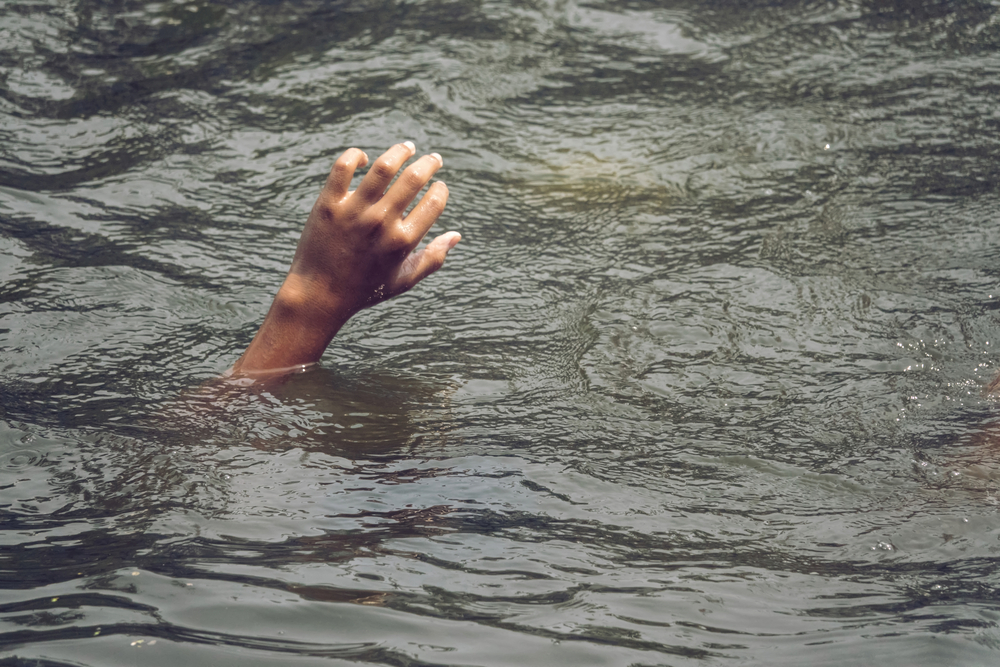
Drowning prevention is one of those topics every parent hopes they will never need to think about deeply. Unfortunately, water does not care whether it is summer vacation, a birthday party, bath time, or “just two seconds.” Pediatric drownings can happen quickly, quietly, and in places families visit every day: backyard pools, bathtubs, lakes, rivers, beaches, hot tubs, buckets, and even decorative ponds.
The good news is powerful: pediatric drowning is preventable. Not with one magic gadget, not with one heroic rule, and definitely not with inflatable arm floaties that look cute but do not count as safety equipment. The safest approach is a layered one: active supervision, barriers, swim skills, life jackets, emergency preparation, and a family culture that treats water with respect instead of fear.
This guide explains practical, realistic ways parents, caregivers, schools, communities, and neighbors can help stop pediatric drownings. Think of it as a water safety toolboxminus the soggy instruction manual.
Why Pediatric Drowning Prevention Matters
In the United States, drowning remains a major child safety concern, especially for young children. Toddlers are naturally curious, surprisingly fast, and not known for excellent risk assessment. A child can slip through a door, wander toward a pool, or reach into a bathtub before an adult realizes what happened.
Unlike movie scenes, drowning often does not involve dramatic splashing, screaming, or waving for help. Many children drown silently because they are struggling to breathe, not shout. That is why prevention must begin before a child reaches the water.
The Most Important Rule: Watch the Water, Not Your Phone
Active supervision is the foundation of pediatric drowning prevention. When children are in or near water, an adult should be assigned to watch them without distractions. That means no scrolling, texting, grilling, cleaning, reading, or “I’m just checking one email.” Water safety and multitasking are not friends. They are barely on speaking terms.
Use a Water Watcher
At pool parties, beach days, lake trips, and family gatherings, designate a responsible adult as the “water watcher.” This person’s only job is to watch the children near water. Rotate the job every 15 to 20 minutes so nobody gets tired, distracted, or tempted by the snack table.
A good water watcher should:
- Stay sober and alert.
- Keep eyes on the water at all times.
- Avoid phones and side conversations.
- Know which children are weak swimmers.
- Be close enough to respond immediately.
Practice Touch Supervision for Toddlers
For infants and toddlers, supervision should be close enough to touch. During bath time or swim time, stay within arm’s reach. If you need to leave the area, take the child with you. A towel can wait. A ringing phone can wait. A toddler near water cannot.
Install Barriers Around Pools and Spas
Backyard pools are fun, but they require serious protection. A four-sided fence that fully separates the pool from the house and yard is one of the strongest defenses against unsupervised access. The fence should be at least four feet high, difficult to climb, and equipped with self-closing, self-latching gates.
Pool barriers work because they buy time. They keep a child from reaching water during those ordinary household moments when everyone thinks someone else is watching.
Pool Safety Checklist
- Install a four-sided pool fence with a self-latching gate.
- Keep gates closed and locked when the pool is not in use.
- Use door and window alarms if the house opens toward the pool area.
- Remove toys from the pool area after swimming.
- Cover and secure hot tubs when not in use.
- Check pool drains and covers regularly.
Pool toys deserve special mention. A floating dinosaur or sparkly beach ball can look like an invitation to a young child. Remove toys from the water and deck so children are not tempted to reach, climb, or sneak back outside.
Teach Children to Swim, But Never Call Them “Drown-Proof”
Swimming lessons are an important layer of water safety. Children who learn basic water survival skills gain confidence and practical tools, such as floating, turning around, reaching for the wall, and moving toward safety. Many organizations, including local YMCAs, Red Cross programs, parks and recreation departments, and swim schools, offer lessons for different ages and skill levels.
However, swim lessons do not make a child drown-proof. No child is drown-proof. Not the child who swims like a dolphin, not the child who just earned a ribbon, and not the child who tells everyone, very loudly, “I know how to swim.” Children still need supervision, barriers, and safe habits.
Water Skills Every Child Should Build
- Enter and exit water safely.
- Float or tread water.
- Turn around and find an exit.
- Move through water toward safety.
- Understand pool rules and open-water dangers.
- Ask permission before going near water.
Parents and caregivers should consider their child’s age, development, comfort, and exposure to water when choosing swim lessons. For some children, especially those with sensory differences or developmental needs, smaller classes or one-on-one instruction may work better.
Use Life Jackets the Right Way
Life jackets save lives when they are used correctly. Children should wear a properly fitted U.S. Coast Guard-approved life jacket when boating or when in, on, or near natural water such as lakes, rivers, and oceans. Weak swimmers may also need life jackets at pools or water parks.
Do not rely on inflatable toys, pool noodles, inner tubes, or arm floaties as safety devices. They can slip off, deflate, create false confidence, or keep a child in a poor swimming position. They are toys, not protection.
How to Choose a Child’s Life Jacket
- Look for U.S. Coast Guard approval on the label.
- Choose the correct size for the child’s weight.
- Fasten all straps and buckles.
- Check that it does not ride up over the child’s chin or ears.
- Practice wearing it before a boat trip or beach day.
Open Water Is Not the Same as a Pool
A child who swims comfortably in a pool may struggle in a lake, river, or ocean. Open water can include currents, waves, sudden drop-offs, cold temperatures, low visibility, slippery rocks, vegetation, and uneven surfaces. Basically, open water likes to keep secrets.
When visiting natural water, choose lifeguarded areas whenever possible. Teach children to enter slowly, stay close, wear life jackets when appropriate, and never swim alone. Check weather conditions, local warnings, and water quality alerts before swimming.
Prevent Drowning at Home
Home water safety is just as important as pool safety. Young children can drown in very small amounts of water. Bathtubs, toilets, buckets, coolers, fish ponds, and inflatable backyard pools all deserve attention.
Simple Home Water Safety Habits
- Empty buckets, tubs, and kiddie pools immediately after use.
- Store containers upside down so they cannot collect water.
- Close bathroom doors and use toilet locks when needed.
- Never leave a baby or toddler alone in the bath.
- Keep pet water bowls and decorative water features in mind for crawling infants.
- Drain inflatable pools and store them securely.
Bath seats are not babysitters. They can tip, slip, or give adults a false sense of security. During bath time, keep everything you need within reach before placing the child in the water.
Prepare for Emergencies Before They Happen
Emergency preparation is not pessimism. It is responsible parenting with a plan. Caregivers should learn CPR, including rescue breaths, because fast action can make a critical difference while waiting for emergency responders.
Keep a phone nearby when children are swimming, but do not use it for entertainment while supervising. Know the address of your location, especially at vacation rentals, campsites, lakes, or unfamiliar homes. In an emergency, clear directions matter.
What to Do If a Child Is Missing
If a child disappears, check water first. Search pools, ponds, hot tubs, bathtubs, lakes, and nearby water immediately. Every second matters. Call 911, begin rescue steps if safe, and start CPR if the child is not breathing normally.
Pay Extra Attention to Higher-Risk Situations
Drowning risk changes with age, setting, and circumstances. Toddlers are at high risk because they wander and explore. Teens may face risks from overconfidence, peer pressure, open water, boating, and alcohol use around aquatic environments. Children with autism or seizure disorders may need additional layers of protection, especially around wandering, elopement, and one-on-one supervision near water.
Families should adapt water safety plans to the child, not the other way around. A child who is drawn to water may need door alarms, pool fencing, visual stop signs, swimming lessons designed for their learning style, and a clear emergency plan shared with relatives, babysitters, teachers, and neighbors.
Make Water Safety a Community Habit
Stopping pediatric drownings is not only a private family responsibility. Communities can make water safety easier by improving access to affordable swim lessons, maintaining public pools, supporting lifeguard training, teaching CPR, and sharing safety information in multiple languages.
Schools, pediatric clinics, camps, churches, apartment complexes, and neighborhood associations can all help. A simple reminder before a pool party, a posted water watcher schedule, or a free community CPR class may prevent a tragedy.
What Communities Can Do
- Offer low-cost or free swim lessons.
- Provide water safety education for parents and children.
- Maintain safe pool barriers at public and shared pools.
- Train staff and volunteers in CPR.
- Promote life jacket loaner stations near lakes and rivers.
- Support inclusive swim programs for children with disabilities.
Practical Experiences That Help Stop Pediatric Drownings
One of the most useful lessons families learn about water safety is that prevention has to be practical. A rule that only works when everyone is calm, rested, and perfectly organized is not a ruleit is a wish wearing a tiny hat. Real families are busy. Kids are loud. Parties are chaotic. Someone is always asking where the sunscreen went. That is why the best drowning prevention habits are simple enough to follow on an ordinary day.
For example, many parents find that the water watcher system works best when it feels official. Instead of casually saying, “Everyone keep an eye on the kids,” hand one adult a card, lanyard, hat, or bracelet that says they are on duty. When their turn ends, they physically pass it to the next adult. This removes confusion. It also prevents the classic group-supervision problem where five adults are nearby, but each assumes another adult is watching.
Another helpful experience is the “tour before play” rule. When arriving at a vacation rental, hotel, relative’s house, or campground, walk the property before children begin exploring. Look for pools, ponds, hot tubs, fountains, drainage ditches, lakes, creek beds, and unlocked gates. This quick tour can reveal hazards that are easy to miss while unloading bags or greeting family.
Families with backyard pools often learn that maintenance routines matter as much as rules. A gate that self-latches only “most of the time” is not safe enough. A pool alarm with dead batteries is just decoration. A fence with a chair pushed against it may become a ladder. Weekly checks can include testing latches, moving climbable objects, checking drain covers, and making sure rescue equipment is visible.
Parents also report that children respond well to short, repeated water safety phrases. Instead of giving a long lecture, use memorable rules: “Ask before water,” “Reach or throw, don’t go,” “Life jackets on before the dock,” and “Feet first the first time.” Repetition may not make you feel like a glamorous public speaker, but it helps children remember what to do when excitement takes over.
Swim lessons are most effective when families treat them as ongoing skill-building, not a one-time achievement. A child who took lessons last summer may need a refresher before this summer. Skills can fade, especially for young children. Parents can ask instructors what the child still needs to practice, such as floating, rolling onto the back, climbing out, or staying calm after an unexpected fall into water.
Finally, the most powerful experience is modeling. Children notice whether adults wear life jackets, follow pool rules, avoid alcohol while supervising, and respect lifeguards. When adults treat water safety as normal, children are more likely to do the same. The goal is not to make children afraid of water. The goal is to help them enjoy water with confidence, skill, and smart boundaries.
Conclusion: Pediatric Drowning Is Preventable
Helping stop pediatric drownings starts with accepting a simple truth: water safety is not one action. It is a system. Supervision, barriers, swim lessons, life jackets, CPR, safe rescue skills, and community access all work together. If one layer fails, another may save a child’s life.
Parents and caregivers do not need to be perfect. They need to be prepared. Put the phone down near water. Assign a water watcher. Fence the pool. Empty the bucket. Fit the life jacket. Teach children to ask before approaching water. Learn CPR. Repeat the rules until everyone can say them in their sleep, preferably not while actually sleeping near a pool.
Children deserve joyful summers, silly pool games, beach memories, lake adventures, and bath toys that somehow multiply overnight. With smart prevention, families can enjoy the water while reducing the risk of tragedy. Drowning prevention is love in actionand it is something every family and community can begin today.