Free time is precious. It is the tiny golden slice of the day between “I have responsibilities” and “why is it already midnight?” The right hobby can turn that slice into something joyful, relaxing, creative, social, or even quietly life-changing. The best hobbies for women are not about becoming perfect, productive, or Pinterest-famous by next Tuesday. They are about giving yourself a reason to look forward to your own company.
Whether you want a calming activity after work, a creative outlet, a way to meet new people, or a hobby that gets you moving without feeling like punishment in leggings, there is something on this list for you. Some hobbies cost almost nothing. Some can become side hustles. Some will cover your kitchen table in supplies and make you say, “I am absolutely cleaning this up tomorrow.” That still counts as personal growth.
Below are 30 creative activities to fill your free time, organized with practical tips, beginner-friendly ideas, and realistic ways to start. Pick one, try it for a few weeks, and let curiosity do the heavy lifting.
Why Hobbies Matter More Than You Think
Hobbies support mental health, creativity, confidence, and social connection. Activities like painting, gardening, dancing, writing, reading, volunteering, and crafting can help reduce stress and create a healthy break from constant work, screens, and daily pressure. A hobby also gives you something that belongs completely to you. Not your boss. Not your inbox. Not the laundry pile currently auditioning for a horror movie.
The secret is choosing a hobby that fits your real life. You do not need five hours a day, a studio, or expensive equipment. You need interest, a little consistency, and permission to be a beginner.
30 Best Hobbies for Women to Try
1. Reading for Pleasure
Reading is one of the easiest hobbies to start because all you need is a book, an audiobook, or a library card. Fiction offers escape, memoirs offer perspective, and nonfiction lets you casually become the person who says, “Actually, I just read about this.” Try joining a book club if you want a social element, or create a cozy solo reading ritual with tea, a blanket, and your phone in another room where it can think about what it has done.
2. Painting
Painting is a creative hobby that invites you to slow down and play with color. Watercolors are gentle and beginner-friendly, acrylics are bold and forgiving, and oils are perfect if you enjoy drama and long drying times. You can start with a small canvas, a basic brush set, and a simple tutorial. The goal is not to create a museum masterpiece. The goal is to enjoy making something with your hands.
3. Drawing and Sketching
Sketching improves observation, patience, and creativity. Keep a small notebook in your bag and draw flowers, coffee cups, buildings, pets, shoes, or whatever is sitting still long enough to become art. Start with five-minute sketches. The more you practice, the more you will notice shapes, shadows, and details you used to overlook.
4. Journaling
Journaling is a quiet but powerful self-care hobby. You can write about your day, track goals, list gratitude, process emotions, or plan your next chapter. If a blank page feels intimidating, use prompts such as “What gave me energy today?” or “What am I ready to let go of?” A journal does not judge spelling, handwriting, or dramatic overuse of exclamation points.
5. Creative Writing
Creative writing is ideal for women who love stories, language, humor, or imagination. Try short stories, poetry, essays, personal reflections, or even a novel draft. Begin with 10 minutes a day. Write badly on purpose at first; it removes the pressure. Every polished piece starts as a messy little gremlin of a draft.
6. Photography
Photography helps you see beauty in ordinary places. You do not need a professional camera; a smartphone is enough to learn lighting, framing, composition, and storytelling. Try a weekly photo challenge: reflections, street scenes, flowers, food, portraits, or shadows. Over time, you may build a personal gallery that captures your life in a more intentional way.
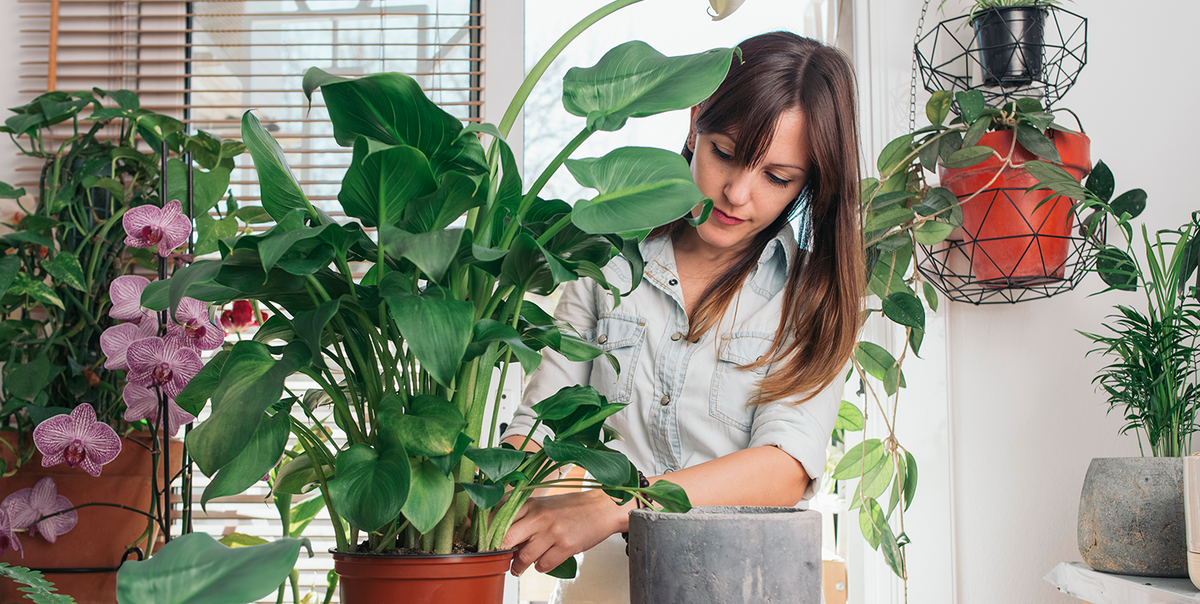
7. Gardening
Gardening is grounding, satisfying, and surprisingly addictive. Start with herbs, succulents, tomatoes, or easy flowers. If you live in an apartment, try container gardening or indoor plants. Gardening teaches patience because plants operate on plant time, which is slower than human time and completely uninterested in your schedule.
8. Flower Arranging
Flower arranging is a beautiful hobby for anyone who loves color, design, and home decor. You can use fresh flowers, dried flowers, or even silk blooms. Learn basic principles like height, texture, balance, and color contrast. A simple bouquet on your table can make an ordinary Tuesday feel like it has upgraded its life.
9. Cooking New Recipes
Cooking becomes a hobby when it moves beyond “I must feed myself” into “What can I create?” Choose a cuisine, technique, or ingredient to explore. Try homemade pasta, Korean side dishes, Mediterranean salads, Thai curries, or classic American comfort food. Cooking builds confidence and gives you delicious evidence of your progress.
10. Baking
Baking is part science, part art, and part emotional support system. Cookies, banana bread, sourdough, cakes, and pies all offer different levels of challenge. If you love precision, baking may be your happy place. If you do not love precision, start with forgiving recipes and remember that frosting has covered many sins.
11. Knitting
Knitting is calming, portable, and practical. You can make scarves, blankets, hats, sweaters, and gifts that say, “I cared enough to count stitches for you.” Beginners can start with chunky yarn and simple patterns. The repetitive motion can feel meditative, especially after a long day.
12. Crocheting
Crocheting is another cozy craft hobby that is easy to personalize. From tote bags to cardigans to adorable stuffed animals, crochet projects range from simple to impressively complex. It is also beginner-friendly because you only need one hook and yarn to start. Warning: yarn shopping may become a separate hobby.
13. Sewing
Sewing is creative, useful, and empowering. You can mend clothes, tailor thrift-store finds, make pillow covers, sew dresses, or create reusable household items. A basic sewing machine and a few beginner patterns can open up a world of possibilities. There is deep satisfaction in saying, “Thanks, I made it,” while pretending it did not take three attempts and a snack break.
14. Embroidery
Embroidery turns fabric into art with thread. It is affordable, relaxing, and perfect for small creative sessions. Start with a hoop, needle, thread, and a simple floral pattern. Once you learn basic stitches, you can personalize denim jackets, tote bags, napkins, or wall art.
15. Jewelry Making
Jewelry making is a stylish hobby with endless room for creativity. Try beading, wire wrapping, clay earrings, resin pieces, or charm bracelets. You can design accessories to match your wardrobe or make thoughtful handmade gifts. It can also become a small business if your friends keep asking, “Wait, can you make me one?”
16. Pottery
Pottery is tactile, calming, and wonderfully imperfect. Take a local class to learn hand-building or wheel throwing. You can make mugs, bowls, vases, planters, or decorative pieces. Clay teaches you to let go of perfection because sometimes the bowl wants to become an abstract sculpture, and honestly, who are we to stop it?
17. Calligraphy and Hand Lettering
Calligraphy adds elegance to cards, invitations, journals, gift tags, and wall art. Start with brush pens or beginner calligraphy markers before investing in dip pens and ink. Practicing letters can feel soothing, and the results make even a grocery list look like it belongs at a wedding.
18. Scrapbooking
Scrapbooking combines photography, storytelling, design, and memory keeping. It is perfect for preserving family moments, travel memories, weddings, friendships, or personal milestones. You can make physical albums or digital scrapbooks. Either way, it turns scattered photos into a meaningful story.
19. Candle Making
Candle making is a cozy hobby for scent lovers. Learn about wax types, fragrance oils, wicks, containers, and safe pouring temperatures. You can create seasonal candles, spa-inspired scents, or custom gifts. Your home will smell amazing, and you may become the person who says things like “This one has notes of vanilla, cedar, and emotional stability.”
20. Soap Making
Soap making is creative and practical. Beginners can start with melt-and-pour soap bases, then experiment with colors, scents, exfoliants, and molds. More advanced soap makers may explore cold-process methods with proper safety precautions. Handmade soap makes beautiful gifts and adds a small luxury to everyday routines.
21. Dancing
Dancing is a joyful hobby that blends movement, music, and confidence. Try salsa, ballroom, hip-hop, Zumba, ballet, line dancing, or simply dancing in your kitchen while dinner simmers. Dance classes can also be a fun way to meet people. No rhythm? No problem. Enthusiasm is a rhythm-adjacent quality.
22. Yoga
Yoga is a flexible hobby for strength, balance, breathing, and relaxation. You can practice at home with videos or join a studio for structure and community. Styles range from gentle restorative yoga to powerful vinyasa flows. Start slowly, listen to your body, and avoid comparing your pose to someone who appears to be made of elastic.
23. Hiking
Hiking is one of the best hobbies for women who want fresh air, movement, and mental clarity. Begin with easy local trails, comfortable shoes, water, and weather-appropriate clothing. Hiking can be solo, social, peaceful, or adventurous. It is also a great reminder that nature has better lighting than most dressing rooms.
24. Running
Running is simple, affordable, and measurable. Start with walk-run intervals, then build gradually. You can train for a 5K, join a local running group, or use running as private thinking time. The first few runs may feel like your lungs are filing a complaint, but consistency makes a huge difference.
25. Swimming
Swimming is low-impact and refreshing. It works the whole body while being gentle on joints, making it appealing for many fitness levels. Look for lap swim hours, beginner lessons, or water aerobics classes. Bonus: no one can tell if you are sweating in a pool. This is science and also a blessing.
26. Learning a Musical Instrument
Music is a deeply rewarding hobby at any age. Try piano, guitar, ukulele, violin, drums, or digital music production. Learning an instrument improves patience and focus while giving you a creative outlet that grows over time. Start with simple songs and celebrate small wins.
27. Singing
Singing is expressive, energizing, and free to begin. Join a choir, take voice lessons, sing in the car, or follow vocal warmups online. Singing can boost confidence and help you connect with music in a personal way. The shower remains a respected concert venue.
28. Volunteering
Volunteering is a meaningful hobby that connects your time with a purpose. Animal shelters, food banks, libraries, schools, senior centers, environmental groups, and community organizations often welcome help. It can build friendships, strengthen your community, and remind you that small actions matter.
29. Birdwatching
Birdwatching is peaceful, educational, and surprisingly exciting once you realize how much drama happens in trees. Start with binoculars, a bird identification app, and a local park. Birding encourages patience, attention, and time outdoors. It also gives you a new personality trait: whispering, “Is that a warbler?” at random intervals.
30. Learning a New Language
Learning a language is a brain-stretching hobby that opens doors to travel, culture, food, film, music, and new friendships. Use apps, podcasts, classes, language exchanges, or beginner books. Practice a little every day. Even learning basic phrases can make the world feel larger and more welcoming.
How to Choose the Right Hobby for Your Lifestyle
The best hobby is not the one that looks most impressive online. It is the one you will actually enjoy when your energy is low and your schedule is messy. Before choosing, ask yourself what you want more of in your life: calm, creativity, movement, friendship, confidence, learning, or fun.
If you want relaxation, try knitting, coloring, journaling, gardening, yoga, or embroidery. If you want creativity, choose painting, pottery, photography, sewing, or writing. If you want connection, try volunteering, dancing, book clubs, choir, or group fitness. If you want energy, choose hiking, swimming, running, or dance. If you want personal growth, learn a language, musical instrument, or new cooking style.
Also consider your budget. Many fun hobbies for women are inexpensive or free. Reading, walking, journaling, sketching, dancing at home, language apps, and photography with your phone all have low barriers to entry. Other hobbies, like pottery or woodworking, may require classes or tools, so test them before investing heavily.
Tips for Starting a New Hobby Without Quitting After Three Days
Start Smaller Than You Think
Do not begin with a 90-day transformation plan, a cart full of supplies, and a new identity. Start with 15 minutes twice a week. Small beginnings are easier to maintain and less likely to scare your calendar.
Let Yourself Be Bad at First
Being bad at something is not failure. It is the entry fee. Every painter has made muddy colors. Every baker has produced a suspicious loaf. Every dancer has moved left while the class moved right. Keep going.
Make It Visible
Keep your book on the nightstand, your sketchbook near the couch, your walking shoes by the door, or your yarn in a basket you can actually reach. A hobby hidden in a closet can quickly become a guilt museum.
Pair It With a Ritual
Light a candle before journaling, make tea before reading, play music while painting, or take a Sunday morning walk. Rituals make hobbies feel special and help your brain shift into enjoyment mode.
Find Community When You Need Motivation
Classes, clubs, online groups, workshops, and local meetups can make a hobby more consistent and more fun. Community adds accountability without turning your hobby into another job.
Personal Experiences and Real-Life Reflections on Creative Hobbies
One of the most common surprises about starting a hobby is that it often gives back more than expected. Many women begin with a simple goal such as “I need something to do after work” or “I want less screen time,” and then discover that the hobby becomes a small anchor in the week. A 20-minute painting session can create a clean break between work stress and evening rest. A walk around the neighborhood can become the place where ideas untangle. A book club can begin as a reading plan and turn into a circle of friends who know your snack preferences with alarming accuracy.
Creative hobbies are especially powerful because they give visible proof of time well spent. When you knit a scarf, bake bread, grow basil, fill a journal, arrange flowers, or finish a sketch, you can see the result. That matters in a world where so much work happens digitally and disappears into inboxes, meetings, and endless notifications. Making something real with your hands is deeply satisfying. It says, “I was here. I made this. Also, I may have spilled glue on the table, but art requires sacrifice.”
Another experience many beginners share is the emotional hurdle of not being instantly good. Adults are often uncomfortable with beginner status. Children will happily draw a purple horse with seven legs and call it a masterpiece. Adults draw one uneven circle and immediately announce retirement from the arts. But hobbies become enjoyable when you stop grading yourself. The first goal is not excellence. The first goal is return. Return to the page, the trail, the recipe, the class, the garden, the song, the camera, or the project.
Hobbies also help women reconnect with identity beyond roles and responsibilities. Many women spend their days being employees, caregivers, partners, parents, organizers, problem-solvers, and emotional support departments with shoes. A hobby creates space to be curious, playful, adventurous, quiet, bold, or expressive. You are not doing it because someone needs you to. You are doing it because it makes your life feel fuller.
Social hobbies can be especially meaningful during busy seasons of life. Joining a dance class, volunteering at an animal shelter, attending a pottery workshop, or becoming part of a hiking group can create natural friendships. These settings remove the awkward pressure of “networking” and replace it with shared activity. It is easier to talk while planting flowers, kneading dough, learning salsa steps, or laughing over a lopsided clay mug.
Solo hobbies matter just as much. Reading, journaling, photography, yoga, sewing, and birdwatching can become peaceful appointments with yourself. They teach you to enjoy your own company, which is an underrated life skill. Solitude does not have to feel lonely when it is filled with curiosity and intention.
The best advice is to experiment without overcommitting. Try a library book before buying a shelf of supplies. Take one class before purchasing equipment. Borrow tools, watch beginner tutorials, or choose a starter kit. Let your hobby earn its place in your life. If you try something and dislike it, that is useful information, not a personal failure. You are allowed to change your mind. You are also allowed to love something simply because it is fun.
In the end, the best hobbies for women are the ones that make ordinary life feel richer. They do not need to be profitable, impressive, or perfectly documented. They only need to make you feel a little more awake, a little more yourself, and maybe a little less likely to spend the evening scrolling until your thumb develops abs.
Conclusion
Finding the right hobby is not about filling every empty moment with productivity. It is about creating pockets of joy, creativity, movement, rest, and connection. The 30 best hobbies for women listed here offer something for every mood and lifestyle: quiet hobbies, social hobbies, creative activities, active hobbies, and meaningful ways to spend free time.
Start with one hobby that feels inviting, not intimidating. Give yourself permission to learn slowly. Let the process be imperfect. Whether you are painting, hiking, baking, journaling, dancing, gardening, or learning a new language, your free time deserves more than autopilot. It deserves color, curiosity, and a little fun.
Note: This article is original, written in standard American English, and synthesized from reputable U.S. lifestyle, health, wellness, arts, and education sources. It does not include source-code placeholders or unnecessary citation markers.