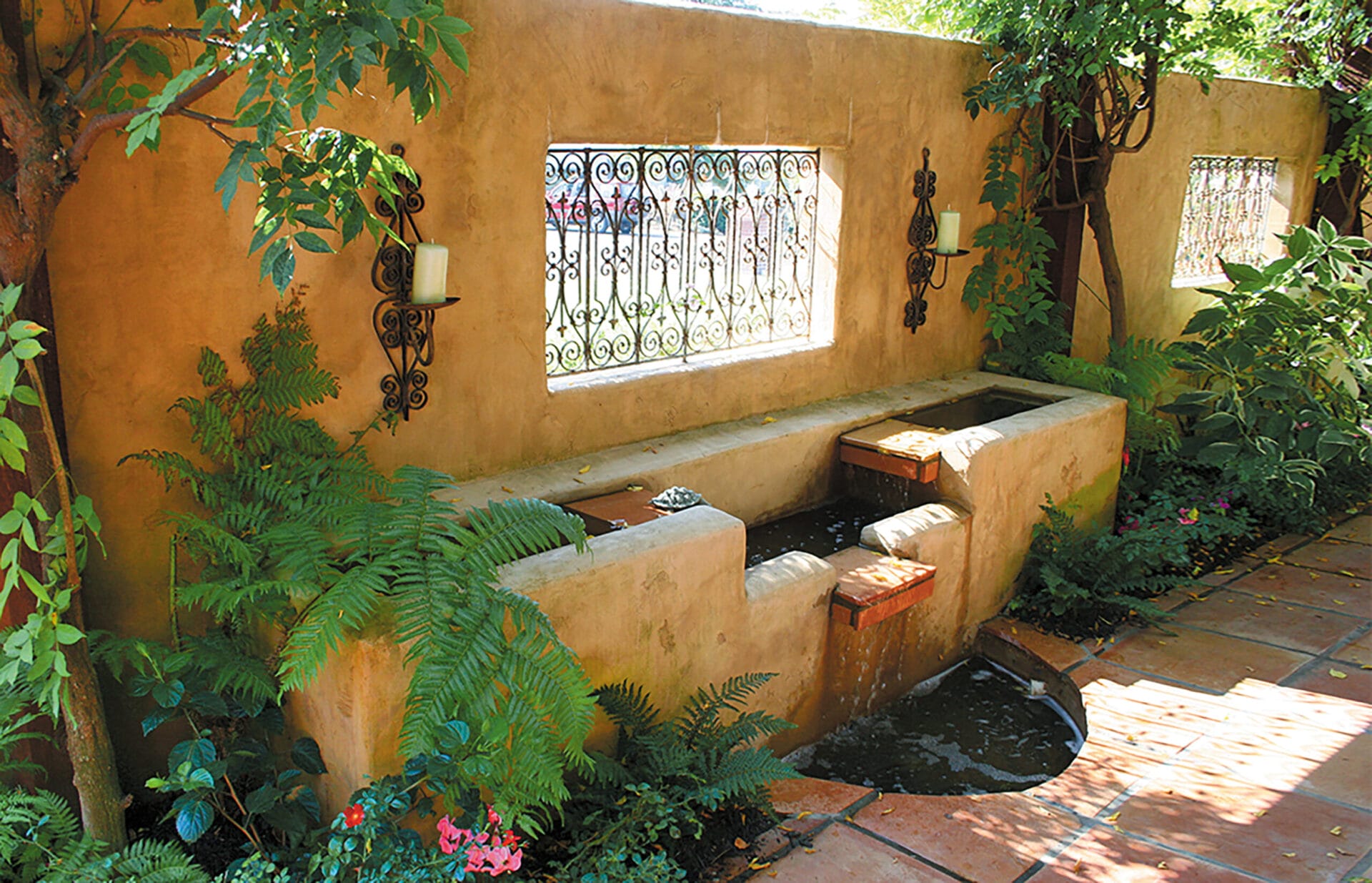
Your backyard should feel like a tiny vacation spot, not a community theater where the neighbors accidentally become your audience. Whether you are grilling burgers, watering tomatoes in questionable footwear, or simply trying to enjoy coffee without making eye contact over the fence, privacy matters. The good news is that you do not need a fortress, a moat, or a dramatic feud with the people next door. With the right mix of fences, plants, screens, structures, and smart layout tricks, you can block unwanted views while making your outdoor space more beautiful.
The best backyard privacy ideas do more than hide you. They soften noise, define outdoor rooms, add shade, improve curb appeal, and make patios, decks, pools, and gardens feel more intentional. Some solutions work instantly, like outdoor curtains or freestanding privacy panels. Others, like evergreen hedges and layered shrubs, take time but reward you with natural texture and year-round charm. The smartest approach is often a combination: a fence where you need a solid barrier, plants where you want softness, and movable screens where flexibility is king.
Before you start digging post holes or impulse-buying twelve arborvitae, think about the exact view you want to block. Is the problem a second-story window, a busy street, a chain-link fence, or a patio that sits too close to the property line? Once you know the angle, you can choose a privacy idea that solves the real problem instead of spending money on something that only hides your trash cans from a squirrel.
Before You Begin: Plan Privacy Like a Designer
Privacy is not always about building the tallest thing allowed by law. In many yards, a carefully placed screen beside a seating area works better than a full perimeter fence. Walk around your backyard and mark the places where you feel most exposed: the dining table, hot tub, pool deck, play area, grill station, or reading chair. Then look from the neighbor’s likely viewpoint. This simple test helps you avoid overbuilding.
Also check local rules before installing fences, tall structures, or major landscaping near property lines. Many cities and HOAs regulate fence height, materials, setbacks, and visibility near sidewalks or driveways. A quick call can save you from the heartbreak of removing a brand-new fence that looked gorgeous for exactly three days.
1. Install a Classic Privacy Fence
A privacy fence is the most direct way to block your neighbor’s view. Wood, vinyl, composite, metal, and masonry all have their place, but the right choice depends on your budget, climate, style, and how much maintenance you are willing to accept. A six-foot fence is common for backyards, though some areas allow taller fences with permits. Solid panels provide the strongest visual barrier, while shadowbox or board-on-board styles create privacy with a bit more airflow.
Best for Immediate Privacy
If your patio sits directly beside a neighbor’s driveway or kitchen window, a fence gives fast results. Wood offers warmth and flexibility because it can be stained, painted, or built with horizontal slats for a modern look. Vinyl is low-maintenance and clean-looking, though it can feel less natural. Composite costs more but resists rot and fading better than many traditional materials.
For a designer touch, vary the texture. Try horizontal cedar boards, black metal posts, lattice toppers, or a mixed wood-and-metal layout. A privacy fence does not have to look like a suburban stockade. Think of it as the outdoor version of a good blazer: structured, useful, and surprisingly flattering.
2. Grow an Evergreen Hedge
If you want privacy that gets better with age, plant an evergreen hedge. Arborvitae, holly, juniper, cypress, yew, boxwood, and certain laurels can create a lush living wall that blocks views while adding softness. Unlike a fence, a hedge changes with the seasons, supports birds and pollinators, and makes your yard feel less boxed in.
Best Plants for a Living Privacy Screen
Choose plants based on your USDA hardiness zone, sunlight, soil, mature height, and mature width. This last point is where many privacy dreams go to war with reality. Tiny nursery shrubs can become wide, hungry adults, so give them room. Planting too close may look full at first, but overcrowding can lead to disease, thinning, and sad brown patches that scream, “We should have read the tag.”
Evergreens are ideal when you need year-round coverage, especially around decks, pools, and property lines. For a looser natural screen, mix evergreen shrubs with ornamental grasses, flowering shrubs, and small trees. Layering different heights creates depth and makes the screen look intentional instead of like a green wall trying too hard.
3. Add a Trellis With Climbing Vines
A trellis is one of the most charming backyard privacy ideas because it gives you structure without making the space feel closed off. Attach a trellis to an existing fence, place one beside a patio, or use several panels to form a semi-private garden room. Then add climbing plants such as clematis, climbing roses, jasmine, honeysuckle, trumpet vine, or annual vines like morning glory or moonflower.
Best for Small Yards and Patios
Trellises are especially useful in compact spaces because they build privacy vertically instead of swallowing square footage. A narrow side yard, balcony, or small deck can feel instantly more secluded with a trellis panel and a fast-growing vine. For low-maintenance privacy, use a sturdy trellis made from cedar, metal, or weather-resistant composite.
One tip: match the vine to the support. Some vines twine, some cling, and some need tying. A delicate lattice may not survive an aggressive vine that grows like it has a five-year business plan and no respect for boundaries.
4. Use Outdoor Curtains Around a Pergola or Patio
Outdoor curtains are privacy magic for patios, decks, and pergolas. They are soft, stylish, and wonderfully dramatic when the breeze hits just right. More importantly, they let you control privacy on demand. Open them when you want sun and airflow. Close them when the neighbors fire up a conversation you were not invited to but can somehow hear in detail.
Choose Weather-Resistant Fabric
Look for outdoor-rated curtains made from fade-resistant, mildew-resistant fabric. Mount them on rust-resistant rods or cable systems, and use tiebacks to keep them secure when open. Curtains work especially well with pergolas, covered patios, cabanas, porch openings, and deck railings.
They are not the best choice for extremely windy locations unless secured properly, but for many backyards they offer a beautiful balance of privacy, shade, and softness. They can also make an ordinary patio feel like a boutique hotel, minus the tiny shampoo bottles.
5. Build a Decorative Privacy Screen
Freestanding privacy screens are a flexible solution for renters, small yards, decks, and awkward sightlines. They come in wood, metal, bamboo, composite, resin, and laser-cut decorative panels. Some include planter boxes at the base, which adds weight and greenery in one tidy package.
Best for Blocking One Specific View
A screen is perfect when you do not need to hide the entire yard. Place one beside a hot tub, outdoor shower, dining table, or lounge chair. A three-panel folding screen can move with the sun, while a permanent screen can become a focal point. Laser-cut metal panels offer privacy while allowing light through, creating attractive shadows in the afternoon.
For a budget-friendly version, build a simple frame and add cedar slats, reed fencing, bamboo panels, lattice, or outdoor fabric. Just make sure freestanding screens are weighted or anchored, because a privacy screen that sails into the neighbor’s yard is not privacy. It is a formal introduction.
6. Plant Tall Ornamental Grasses
Ornamental grasses are a fast, graceful way to add partial privacy. Varieties such as switchgrass, miscanthus, little bluestem, muhly grass, and feather reed grass can create movement, texture, and seasonal interest. They are especially good along patios, pool fences, and property edges where you want screening without a heavy wall.
Best for Soft, Natural Screening
Grasses sway in the breeze, catch sunlight beautifully, and often require less maintenance than formal hedges. Many provide privacy from summer through winter, though some are cut back in early spring. Use them in masses for the strongest effect, or combine them with shrubs and perennials for a layered border.
Before planting, check whether a grass is invasive in your region. Some species spread too aggressively in certain climates. Native grasses are often a smart choice because they support local wildlife and tend to fit regional growing conditions better.
7. Create Privacy With Container Gardens
Large planters can act like movable green walls. This idea is excellent for patios, decks, balconies, renters, and anyone who wants privacy without committing to permanent construction. Use tall containers filled with bamboo, dwarf evergreens, boxwood, ornamental grasses, canna lilies, hibiscus, or climbing vines on obelisks.
Best for Renters and Flexible Layouts
Containers let you experiment. You can move them around to block a new view, create a cozy dining corner, or frame a seating area. For maximum privacy, choose planters with enough weight and soil volume to support tall plants. Lightweight pots may be easy to move, but they can tip in wind once the plants grow tall.
Self-watering planters can help during hot summers, especially on sunny decks where containers dry quickly. If you live in a cold region, choose frost-resistant containers and plants that can survive winter in pots, or plan to move them to a protected area.
8. Add a Pergola, Arbor, or Gazebo
Sometimes the view problem is not from the side but from above. If neighboring houses overlook your yard from second-story windows, a vertical fence may not solve everything. A pergola, arbor, or gazebo can provide overhead structure and help create a more private outdoor room.
Best for Overlooked Patios
A pergola with climbing vines, shade cloth, retractable canopy panels, or slatted roofing can reduce visibility from above while adding shade. Gazebos and pavilions offer even more coverage, making them useful for outdoor dining spaces and lounge areas. An arbor can frame a garden path or entry while supporting vines that screen a specific angle.
These structures also make the backyard feel designed. Instead of randomly placing furniture in the yard and hoping for the best, you create a destination. Add string lights, planters, and comfortable seating, and suddenly your backyard has a “please bring lemonade” energy.
9. Layer Trees, Shrubs, and Perennials
Layered landscaping is one of the most attractive ways to block your neighbor’s view because it looks natural from both sides. Instead of planting one straight row of identical shrubs, combine small trees, evergreen shrubs, flowering shrubs, grasses, and perennials. This creates a privacy border with texture, depth, and four-season interest.
Best for a Natural Backyard Retreat
Start with the tallest layer in the back: small trees such as serviceberry, magnolia, redbud, crape myrtle, or columnar evergreens, depending on your region. Add mid-height shrubs like hydrangea, viburnum, ninebark, holly, or dogwood. Finish with grasses, hostas, salvia, coneflowers, or other perennials suited to your sun and soil.
The layered approach is forgiving. If one plant struggles, the entire privacy plan does not collapse. It also avoids the “green soldiers in a row” look that can feel stiff. This method is especially effective for large backyards, sloped lots, and properties where you want to screen views while keeping the garden inviting.
10. Upgrade an Existing Fence With Lattice, Slats, or Greenery
You may not need a brand-new fence. Sometimes the smartest backyard privacy idea is to improve what you already have. Add lattice panels to the top of a fence, install horizontal slat extensions where allowed, attach reed or bamboo screening, or grow vines along the existing structure. Even a chain-link fence can become more private with privacy slats, mesh screening, or a planted hedge in front.
Best for Budget-Friendly Privacy
This approach is often cheaper than starting from scratch. It also works well when the fence is structurally sound but visually underwhelming. Paint or stain can make a tired fence look intentional. Hanging planters, wall-mounted pots, or espaliered plants can turn a plain boundary into a living feature.
Be cautious with fence extensions. Added height can create wind load, and local rules may limit how tall you can go. If you are adding heavy panels or lattice to an old fence, check the posts first. A wobbly fence with a decorative topper is still a wobbly fence, just wearing a hat.
How to Choose the Best Backyard Privacy Idea
The best solution depends on your yard, budget, timeline, and tolerance for maintenance. If you need privacy this weekend, choose curtains, panels, fencing, or container gardens. If you can wait for plants to mature, hedges and layered landscaping create a softer, more natural result. If the problem is a second-story view, think upward with pergolas, shade sails, canopies, and small trees.
For tight spaces, vertical privacy is your friend: trellises, lattice, containers, and wall-mounted planters. For large yards, layered planting beds look more natural than one long fence. For modern homes, horizontal slat fences, black metal panels, and simple evergreen hedges feel clean and architectural. For cottage-style yards, climbing roses, arbors, mixed shrubs, and picket-style details add charm.
Also consider maintenance honestly. A living hedge needs watering, pruning, and patience. Wood fences need sealing or staining. Curtains need occasional cleaning. Metal screens may need anchoring and rust-resistant finishes. There is no maintenance-free magic, though some ideas come close enough to let you nap in peace.
Common Mistakes to Avoid
Ignoring the Real Sightline
Do not assume the tallest fence is the answer. If the neighbor’s view comes from an upstairs window, a fence may block very little. A pergola, tree canopy, or strategically placed screen near the seating area may work better.
Planting Too Close Together
Small shrubs are adorable at the nursery, but they grow. Give plants enough space to reach mature size. Crowded hedges can become thin, stressed, and difficult to maintain.
Forgetting About Winter
Deciduous shrubs may provide excellent summer privacy but lose their leaves in winter. If year-round screening matters, include evergreens or structural screens.
Overlooking Wind
Outdoor curtains, tall panels, and lightweight screens need secure installation. Wind can turn a stylish privacy feature into a neighborhood weather event.
Real-World Experience: What Actually Works in Backyard Privacy
In real backyards, privacy usually works best when it feels casual, not defensive. The most successful spaces do not scream, “We are hiding from you, Dave.” They quietly redirect attention. A seating area tucked under a pergola, a hedge placed along the most exposed side, and a few oversized planters can make a yard feel secluded without creating tension with neighbors.
One practical lesson is that partial privacy is often enough. Many homeowners think they need to block every angle, but total enclosure can make a backyard feel smaller and darker. Instead, focus on the places where you spend time. If the dining table is private, the lounge chair is private, and the hot tub is private, it may not matter that the far corner of the lawn is visible. Your lawn mower does not require emotional privacy.
Another experience-based tip: combine hard and soft materials. A solid wood fence blocks the view, but plants in front of it make the fence feel like part of the landscape. A metal screen looks modern, but a climbing vine or planter box keeps it from feeling cold. A hedge is beautiful, but a small trellis or panel can fill gaps while plants mature. The mix is what makes privacy feel designed rather than improvised.
Budget also behaves differently than people expect. A full perimeter fence can be expensive, especially when labor, gates, slopes, demolition, and permits enter the chat. But a smaller targeted project can produce a huge improvement. For example, screening just one patio side with a slatted panel and two tall planters may solve the daily privacy problem for a fraction of the cost. Start where you sit, eat, or relax most often.
Plant choices matter more than trends. Bamboo looks fabulous in photos, but some types can spread aggressively if not contained. Fast-growing shrubs sound appealing, but “fast” can also mean “please prune me forever.” Native shrubs and regionally adapted evergreens often perform better over time because they are suited to local weather, soil, pests, and rainfall. A privacy plant that thrives with less fuss is always more attractive than a dramatic diva shrub that needs constant emotional support.
Finally, privacy should still feel neighborly. If you are building near a shared boundary, consider how the solution looks from the other side. A finished fence face, tidy hedge, or attractive trellis keeps things friendly. You can absolutely protect your space without creating backyard diplomacy issues. The goal is simple: more coffee, more quiet, more outdoor dinners, and fewer accidental conversations conducted through a gap in the fence.
Conclusion
Backyard privacy is not one-size-fits-all. The right idea depends on what you want to block, how quickly you need results, and how you want the space to feel. A privacy fence gives immediate coverage. Hedges and layered landscaping create a lush retreat. Trellises, curtains, pergolas, screens, and container gardens solve specific problems with style. The best backyard privacy ideas usually combine several elements so the result looks natural, comfortable, and intentional.
Whether you have a tiny patio or a sprawling lawn, you can create a space that feels more like your own. Start with the main sightline, choose materials that match your home, respect local rules, and give plants room to grow. Soon your backyard can become the private retreat it was always meant to be: a place for grilling, gardening, lounging, laughing, and wearing your least impressive sandals without public review.