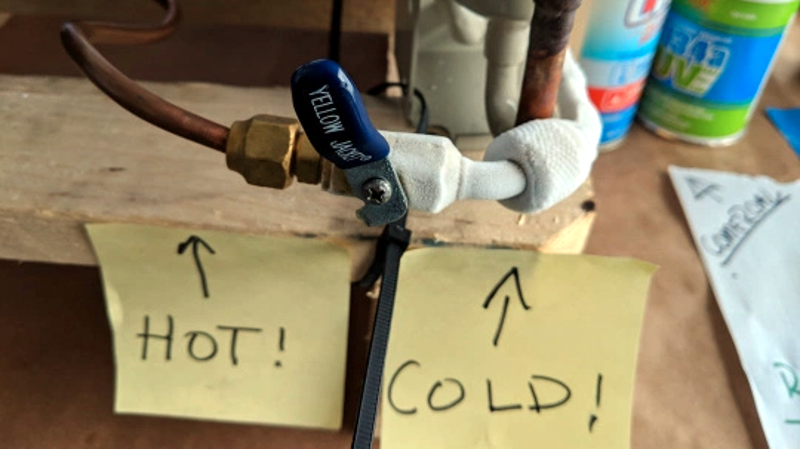
From the sidewalk, air conditioners can look like a parade of beige boxes, metal grilles, and questionable landscaping choices. But open the panelsor, more sensibly, let a technician do itand you will find that air conditioning systems are not all built from the same blueprint.
A window unit, a portable air conditioner, a central split system, and a ductless mini-split all have the same broad mission: move heat out of the space you want cooled. Yet the way they accomplish that mission can range from “tiny mechanical refrigerator wedged into a window” to “a multi-zone climate-control network with a computer brain.”
That is why shopping for a new air conditioner based only on exterior appearance is like choosing a car by cup holders. The visible shell matters, but the real personality lives inside: the compressor, coils, fans, drain system, refrigerant circuit, sensors, controls, and airflow design.
Let’s take a tour through the surprisingly weird, clever, and wildly different interiors of modern air conditioners.
The One Thing Nearly Every Air Conditioner Has in Common
Before comparing air conditioner types, it helps to understand the shared basic idea. Air conditioning does not “make cold.” It removes heat from indoor air and releases that heat somewhere else.
Most residential systems use a vapor-compression refrigeration cycle. Refrigerant travels through a sealed loop, changing pressure and temperature as it moves. The four major players are the evaporator, compressor, condenser, and expansion device.
The Evaporator: Where Indoor Heat Disappears
The evaporator coil sits on the indoor side of the system. Warm household air passes over the cold coil, and the refrigerant inside absorbs heat from that air. The air then returns to the room cooler and usually drier.
That moisture removal is important. A comfortable room is not only about temperature. A space can be 72 degrees Fahrenheit and still feel like a tropical greenhouse if humidity remains high enough to make your shirt reconsider its life choices.
The Compressor: The Engine of the Cooling System
After absorbing indoor heat, the refrigerant becomes a low-pressure vapor. The compressor squeezes it into a hot, high-pressure vapor. Think of the compressor as the heart of the system, except it is less romantic and more likely to make expensive noises when unhappy.
Some air conditioners use single-speed compressors that are either fully on or fully off. Others use two-stage compressors or inverter-driven variable-speed compressors that can operate at many different levels. Those variable systems can better match changing cooling needs instead of repeatedly sprinting and stopping.
The Condenser: Where Heat Leaves the Building
The hot refrigerant then reaches the condenser coil, usually located outdoors. A fan moves outdoor air across the coil, allowing heat to leave the refrigerant and enter the outside air.
This is why the outdoor unit feels warm when your AC is running. It is not malfunctioning. It is doing the HVAC equivalent of carrying your home’s heat outside in a very loud backpack.
The Expansion Device: The Tiny Part With a Big Job
Finally, an expansion valve or capillary tube lowers the refrigerant pressure before it returns to the evaporator. Lower pressure allows the refrigerant to become cold enough to absorb more indoor heat. Then the cycle repeats until the thermostat decides everyone has suffered enough.
Window Air Conditioners: A Whole Cooling System in One Box
A window air conditioner is one of the most compact examples of a complete refrigeration system. It contains the evaporator coil, condenser coil, compressor, fan motors, controls, filters, drain components, and wiring inside one metal cabinet.
Inside a typical window unit, the front half faces indoors and contains the evaporator coil, air filter, blower fan, and louvers. The rear half faces outdoors and contains the condenser coil, outdoor fan, compressor, and much of the system’s heat-rejection hardware.
Those two environments must stay separated. Indoor air is cooled and recirculated through the front. Outdoor air carries heat away through the back. A partition inside the unit keeps the hot and cold sides from turning into a tiny mechanical argument.
Many window AC units also use condensation strategically. Moisture collected from indoor air can drip into a base pan, where a slinger ring on the outdoor fan may splash some of that water onto the condenser coil. The water evaporates and can help improve heat rejection. It sounds clever because it is clever. It also explains why some window units make noises that resemble a robot making soup.
Window units are relatively simple, affordable, and useful for cooling individual rooms. Their biggest limitation is that one box must handle everything: airflow, cooling, drainage, outdoor heat rejection, and noise control. A small machine is being asked to do a big job while hanging partly out of a window. Respect is due.
Portable Air Conditioners: The Rolling Compromise Machine
Portable air conditioners look like they belong in a futuristic office, but inside they are closer to a window unit that decided it wanted wheels.
Like a window AC, a portable unit contains both the evaporator and condenser inside one cabinet. The difference is that the condenser heat must be pushed outside through an exhaust hose connected to a window kit.
Single-hose portable air conditioners use indoor air to cool the condenser and then send that warmed air outdoors. This can create negative pressure in the room, which may pull warm air in through gaps around doors, windows, and other openings. In other words, the unit may cool the room while quietly inviting more heat back inside. Very polite. Not ideal.
Dual-hose portable air conditioners handle this better by using one hose to bring outdoor air in for the condenser and another hose to send hot air back outside. The interior design is still compact and complicated, but the airflow arrangement can reduce some of the inefficiency associated with single-hose models.
Portable units also need a strategy for condensate. Some evaporate moisture and vent it outside with exhaust air. Others collect water in an internal tank or send it through a drain hose. If you have ever found a portable AC flashing a “tank full” warning during the hottest week of the year, you have experienced climate control’s version of a hostage negotiation.
Central Split Systems: The Classic Two-Part Air Conditioner
The central split system is the familiar setup found in many American homes. It has an outdoor condenser unit and an indoor evaporator coil connected by refrigerant lines.
The outdoor unit usually contains the compressor, condenser coil, condenser fan, electrical controls, and service valves. The indoor section includes the evaporator coil, blower, air filter, drain pan, condensate line, and often a furnace or air handler.
The key difference is distance. Unlike a window unit, a central AC system separates its hot side and cold side by several feetor sometimes much more. Refrigerant lines carry heat between them, while ducts distribute cooled air through the home.
The Hidden Star: The Air Handler and Duct System
In a central air conditioner, the outdoor condenser gets much of the attention because it is visible, loud, and occasionally decorated with leaves. But the indoor air handler and ductwork often determine whether the system actually feels comfortable.
The blower pushes air through supply ducts to bedrooms, living areas, and other rooms. Return ducts bring warmer indoor air back to the equipment. Poorly sealed ducts, bad airflow balance, crushed flex duct, dirty filters, or undersized returns can make a high-efficiency air conditioner perform like a luxury sports car stuck in rush-hour traffic.
Central systems can offer whole-home comfort, filtration, zoning options, and quieter living spaces because the noisy compressor remains outdoors. But they also depend heavily on correct sizing, duct design, refrigerant charge, airflow, and installation quality.
Packaged Air Conditioners: Everything Outside, Everything Together
A packaged air conditioner combines the compressor, condenser, evaporator coil, blower, and controls into one outdoor cabinet. These systems are common on rooftops, mobile homes, commercial buildings, and homes where indoor equipment space is limited.
Instead of splitting the cooling system between indoor and outdoor components, a packaged unit keeps the refrigeration machinery outside. Ducts carry cooled air into the building and bring return air back to the unit.
Inside, packaged systems can look like an HVAC engineer played Tetris with coils, fans, electrical components, and sheet metal. The design is compact, serviceable, and practical, though it exposes more equipment to outdoor weather conditions than a traditional split system.
Ductless Mini-Splits: Small Indoor Heads, Serious Technology
Ductless mini-split systems are dramatically different inside from traditional central air conditioners. Instead of using one large indoor coil and a web of ducts, they use one or more indoor fan coil units connected to an outdoor condenser or heat pump.
Each indoor head contains an evaporator coil, quiet fan, air filter, louvers, sensors, electronic controls, and a condensate drain. The outdoor unit contains the compressor, condenser coil, outdoor fan, inverter electronics, and refrigerant controls.
A narrow line set carries refrigerant between the indoor and outdoor units. This line set usually passes through a small wall opening along with wiring and a condensate drain. Compared with installing ductwork, that can make mini-splits appealing for additions, older homes, garages, bonus rooms, and spaces where ducts would be awkward or expensive.
Why Mini-Splits Feel So Different
Many ductless systems use inverter-driven compressors. Instead of turning fully on and off all day, the compressor can vary its speed to better match the cooling load. The indoor fan can also adjust gradually.
That means a mini-split may run quietly for long periods at low output rather than blasting cold air in dramatic bursts. The sensation is often more even and less drafty, especially when the indoor head is positioned carefully.
Multi-zone mini-splits can connect several indoor units to one outdoor unit. Each room can have separate temperature control, though the system’s design limits and capacity still matter. A bedroom cannot demand Arctic conditions while the kitchen requests a desert sunset and expect physics to remain calm.
Heat Pumps: Air Conditioners With a Reverse Gear
An air-source heat pump looks similar to a central air conditioner or ductless mini-split because, during cooling mode, it works in nearly the same way. The major difference is that a heat pump can reverse refrigerant flow to provide heating during cooler weather.
Inside the outdoor unit, a reversing valve changes the direction of refrigerant movement. In cooling mode, the indoor coil absorbs heat and the outdoor coil releases it. In heating mode, the outdoor coil absorbs heat from outdoor air while the indoor coil releases heat into the home.
That sounds suspiciously magical in winter, but even cold outdoor air contains thermal energy. Modern cold-climate heat pumps use advanced compressors, controls, and coil designs to keep working at lower outdoor temperatures than older systems could handle comfortably.
So, while a standard AC is a heat-moving specialist with one job, a heat pump is more like an HVAC Swiss Army knife. It cools, heats, and occasionally causes homeowners to learn more about defrost cycles than they ever planned.
The Parts That Make Modern Air Conditioners Wildly Different
Compressor Design
Older or basic systems may use single-speed reciprocating or rotary compressors. Modern systems can use scroll compressors, twin-rotary designs, and variable-speed inverter technology. The compressor type affects sound, efficiency, capacity control, startup demand, and how smoothly the system handles changing temperatures.
Coils and Heat Exchangers
Air conditioner coils use tubing and metal fins to transfer heat efficiently. Some systems use copper tubing, some use aluminum components, and others use microchannel coil designs. Fin spacing, coil size, corrosion protection, and airflow all influence performance.
A dirty coil acts like a winter coat wrapped around the system. The unit can still run, but heat transfer becomes harder, efficiency drops, and components may work longer than necessary.
Fans and Airflow Paths
A basic window unit may use one motor driving indoor and outdoor fan blades. A central system may have a large variable-speed blower inside and a separate outdoor condenser fan. A ductless mini-split may have a cross-flow fan shaped like a long cylinder, designed to move air quietly across a room.
The difference is not cosmetic. Airflow design affects noise, humidity removal, comfort, static pressure, and how evenly cooled air reaches people instead of merely chilling the ceiling.
Drainage Systems
All air conditioners that cool humid air must deal with water. Window units usually manage it through a pan. Central systems use condensate pans, drain lines, traps, and sometimes pumps. Ductless systems use internal drain pans and gravity drains or condensate pumps.
When drainage fails, the results can range from a puddle under the air handler to mold, ceiling damage, and an emergency call to someone who owns a flashlight and has seen too much.
Controls and Sensors
Modern air conditioners may include temperature sensors, humidity sensors, coil temperature sensors, pressure monitoring, variable-speed controls, Wi-Fi connectivity, diagnostics, and communicating thermostats. Some systems can adjust compressor speed, fan speed, refrigerant flow, and defrost operation hundreds of times throughout the day.
Older units mostly asked one question: “Is it hot?” Newer systems ask a full committee meeting’s worth of questions before deciding how hard to run.
Why Bigger Is Not Always Better
One of the biggest mistakes in air conditioning is assuming a larger unit automatically provides better comfort. An oversized air conditioner can cool a room or house too quickly, shutting off before it removes enough humidity. The result may be cool but clammy indoor air.
Proper sizing depends on insulation, windows, sun exposure, ceiling height, local climate, occupancy, appliances, ductwork, and the layout of the building. HVAC contractors often use load calculations rather than guessing based only on square footage.
For room air conditioners, matching the unit to the room size matters just as much. A bedroom with a small cooling load does not need a unit powerful enough to refrigerate a bowling alley.
Maintenance Matters More Than the Cabinet Color
The internal differences between air conditioners are fascinating, but every type shares a few maintenance needs. Filters need regular attention. Coils need to stay reasonably clean. Outdoor units need clearance for airflow. Drainage must work properly. Refrigerant and electrical repairs should be handled by qualified professionals.
For central and ductless systems, annual professional maintenance can help identify airflow problems, weak capacitors, dirty coils, drainage issues, loose electrical connections, and refrigerant concerns before the hottest day of the year turns your living room into a customer service department for sweat.
Conclusion: The Right Air Conditioner Is the One That Fits the Space
Air conditioners may all promise cool air, but their interiors reveal entirely different approaches to the same problem. A window AC packs a complete cooling system into one compact cabinet. A portable model rolls that concept across the floor and vents heat through a hose. A central split system separates its indoor and outdoor machinery and uses ducts to serve the whole house. A ductless mini-split delivers room-by-room control with sophisticated inverter technology. A heat pump adds a reversing valve and becomes a year-round comfort machine.
The best choice depends on your home, climate, layout, budget, humidity level, ductwork, and comfort goals. The important lesson is simple: do not judge an air conditioner by its beige box. Inside, it may be a compact refrigerator, a ducted air-distribution network, a smart variable-speed system, or a heat-moving machine with enough sensors to qualify for a tiny engineering degree.
Real-World Experiences: What These Air Conditioners Feel Like in Everyday Life
Living with different air conditioners teaches you quickly that “cold air” is not one universal experience. A window air conditioner is often the most direct. You turn it on, it growls awake, the curtains start fluttering, and within minutes one part of the room becomes wonderfully cool. The other side of the room may still feel like it is waiting for a bus in August, but the chair directly in front of the unit becomes premium seating.
Window units also have personality. Some hum gently through the night. Others produce a soundtrack of clicks, fan whooshes, compressor thumps, and mysterious water noises. None of this necessarily means disaster. Sometimes it simply means there is a miniature refrigeration plant working very hard five feet from your pillow.
Portable air conditioners can be surprisingly useful in apartments, rental homes, server rooms, workshops, and rooms where window installation is not practical. Their greatest strength is flexibility. You can roll one where you need it. Their greatest weakness is that they are still trying to remove heat through a hose, which means the room can feel cool near the unit but less impressive farther away. A portable AC often feels like a helpful friend carrying buckets during a flood: valuable, determined, and occasionally overwhelmed.
Central air conditioning feels different because it changes the mood of the entire house. Instead of one cold corner, you get a more consistent temperature from room to roomat least when the ducts are designed and balanced well. The first time a properly functioning central system turns on after a hot afternoon, there is a quiet luxury to it. Cool air arrives through ceiling registers, the house settles down, and everyone suddenly becomes less interested in arguing.
But central systems also reveal their weaknesses through uneven rooms. The upstairs bedroom may be warmer. The room above the garage may behave like a solar oven. The guest room at the far end of the duct run may receive airflow with the enthusiasm of a sleepy turtle. These experiences often come down to duct design, insulation, sun exposure, return-air pathways, and thermostat location rather than the outdoor condenser alone.
Ductless mini-splits feel almost futuristic by comparison. They often start quietly, ramp up smoothly, and keep the room at a stable temperature without much dramatic fan noise. In a bedroom, office, garage conversion, or home addition, they can provide an impressive sense of control. You set the temperature, aim the louvers, and the room gradually becomes comfortable instead of receiving a blast of icy wind followed by silence.
Heat pumps add another layer of appreciation because they keep working beyond summer. In cooling season, they may feel like any other efficient air conditioner. When temperatures drop, the same equipment switches roles and provides heat. For homeowners replacing older heating equipment, that transition can feel like discovering that the appliance you bought for summer also brought a winter job application.
The most memorable lesson from all of these systems is that comfort comes from more than a thermostat number. Humidity, airflow, noise, sunlight, insulation, maintenance, and the placement of the equipment all matter. A modestly sized, correctly installed air conditioner can feel far better than an oversized powerhouse with poor airflow and neglected maintenance. The inside of the machine mattersbut the way it works with the entire home matters even more.
Note: Air conditioners contain high-voltage electrical components and pressurized refrigerants. Cleaning filters and keeping outdoor areas clear are homeowner-friendly tasks, but refrigerant, electrical, and internal mechanical service should be performed by qualified HVAC professionals.