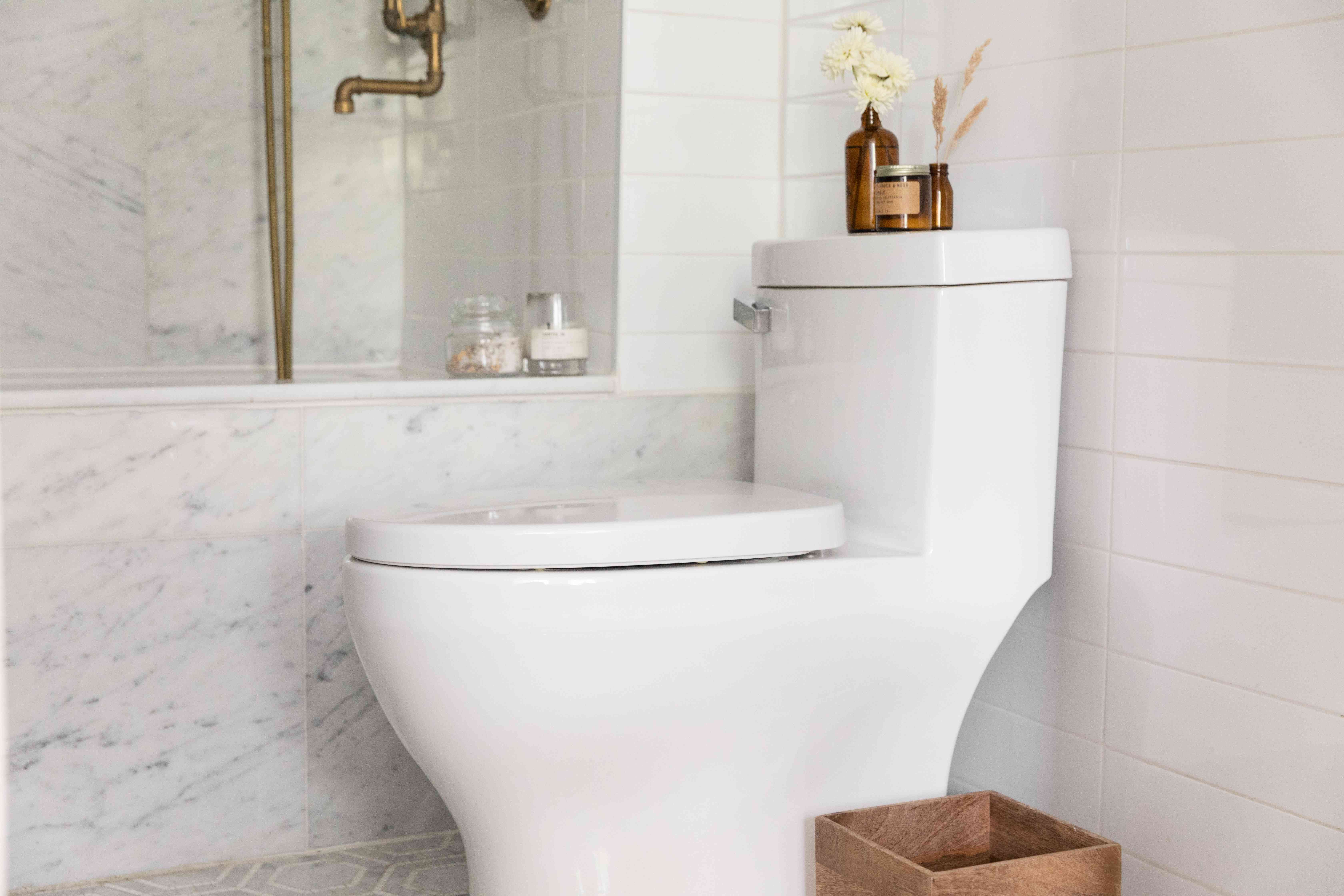
Choosing between standard and comfort toilet heights may not sound like the kind of home decision that deserves a dramatic soundtrack, but anyone who has ever remodeled a bathroom knows the truth: the toilet is not just a porcelain throne. It is a daily-use fixture, a comfort decision, an accessibility choice, and occasionally the reason someone in the house mutters, “Why is this thing so low?”
The debate over standard vs. comfort toilet heights comes down to a simple question: how high should your toilet seat be from the floor? Standard-height toilets are usually lower and more familiar in older homes, while comfort-height toiletsalso called chair-height toilets or right-height toiletssit taller and are designed to make sitting down and standing up easier. The right answer depends on your height, mobility, household needs, bathroom layout, and, yes, how your knees feel on a Monday morning.
This guide breaks down the difference between standard toilet height and comfort toilet height, including measurements, benefits, drawbacks, ADA considerations, buying tips, and real-life examples so you can choose the best toilet height without turning your bathroom remodel into a plumbing-themed guessing game.
What Is Standard Toilet Height?
A standard-height toilet typically measures about 14 to 16 inches from the bathroom floor to the top of the bowl rim, or roughly 15 to 17 inches when the toilet seat is included. The exact number varies by manufacturer and model, but standard toilets are generally lower than chair-height or comfort-height toilets.
Standard-height toilets have been common in American homes for decades. If you grew up in an older house, apartment, school, or small guest bathroom, there is a good chance you have used this style many times without thinking about it. It is the “classic” toilet height: not fancy, not dramatic, just quietly doing its job like the dependable background character in a sitcom.
Who Benefits Most From a Standard-Height Toilet?
Standard toilet height can be a smart choice for shorter adults, children, and households where users prefer a lower seat. Because the seat sits closer to the ground, it may allow some people to place their feet more firmly on the floor, which can feel more natural and stable.
For kids’ bathrooms, standard height often makes more sense than comfort height. A taller toilet may leave children’s feet dangling like they are sitting on a bar stool waiting for apple juice. In a family bathroom used mainly by children or shorter users, the lower profile of a standard toilet can be practical and comfortable.
Pros of Standard-Height Toilets
Standard-height toilets remain popular for several good reasons. They are often easier for shorter people to use, can fit well in small bathrooms, and may create a more traditional look. Some homeowners also prefer standard toilets because they can support a more natural seated posture for bowel movements, especially when the feet rest flat on the floor.
Another advantage is design flexibility. Standard toilets are available in many styles, including round-front bowls for compact spaces and elongated bowls for added comfort. If your bathroom is small, a standard-height round toilet can help save valuable floor space.
Cons of Standard-Height Toilets
The main drawback is that standard toilets can feel too low for taller adults, seniors, and people with knee, hip, back, or mobility issues. Sitting down and standing up from a lower seat requires more bending at the knees and hips. That may not bother a healthy teenager, but it can be a daily annoyance for an adult with joint pain.
Standard height also may not be ideal for aging-in-place bathroom design. If you are remodeling a forever home, planning for future comfort is worth considering. Nobody wants to renovate a bathroom twice because the toilet turned into a tiny squat challenge five years later.
What Is Comfort Toilet Height?
A comfort-height toilet usually measures about 17 to 19 inches from the floor to the top of the seat. This height is similar to a standard dining chair, which is why comfort-height toilets are also commonly called chair-height toilets. Some manufacturers use branded terms such as “right height” or “universal height,” but the basic idea is the same: the toilet is taller than a traditional standard-height model.
Comfort toilet height is especially popular in modern bathroom remodels, primary bathrooms, guest bathrooms, and homes designed for accessibility. The taller seat can make it easier to sit and stand, particularly for tall users, older adults, and people with limited mobility.
Is Comfort Height the Same as ADA Height?
Comfort height and ADA height are related, but they are not always identical in meaning. The Americans with Disabilities Act accessibility standards require accessible toilet seats to be 17 to 19 inches above the finished floor, measured to the top of the seat. Many comfort-height toilets fall within that range, but a residential toilet should not be assumed to be fully ADA-compliant just because the product description says “comfort height.”
True accessibility involves more than seat height. Clear floor space, grab bars, flush control placement, door width, turning space, and bathroom layout also matter. In other words, buying a taller toilet does not magically turn a cramped powder room into an accessible bathroom. Nice try, porcelain wizard.
Pros of Comfort-Height Toilets
The biggest advantage of a comfort-height toilet is ease of use. The taller seat reduces the distance a person has to lower themselves when sitting and rise when standing. That can make a noticeable difference for tall adults, seniors, people recovering from surgery, and users with knee or hip discomfort.
Comfort-height toilets can also feel more natural for many adults because the seat height resembles a chair. In a guest bathroom, this can be a practical choice because it accommodates a wide range of visitors. If your household includes tall family members or older relatives, comfort height may be the friendlier option.
Cons of Comfort-Height Toilets
Comfort height is not perfect for everyone. Shorter users may find that their feet do not rest flat on the floor, which can feel awkward or uncomfortable. Children may also struggle with a taller toilet unless a step stool is nearby.
Some people also prefer a lower toilet for bathroom posture. When the knees are slightly higher than the hips, bowel movements may feel easier for certain users. A comfort-height toilet can make that posture harder to achieve unless you use a small toilet footstool. Fortunately, a footstool is one of the cheapest bathroom upgrades available, and it does not require calling a plumber who arrives with three tool bags and a mysterious confidence.
Standard vs. Comfort Toilet Heights: Key Differences
1. Seat Height
The most obvious difference is height. Standard toilets are generally lower, often around 15 inches at the seat, while comfort-height toilets are usually around 17 to 19 inches at the seat. Those extra two to four inches may not sound like much, but in daily use they can feel surprisingly significant.
2. Best User Fit
Standard height is often better for children and shorter adults. Comfort height is often better for taller adults, seniors, and people who need extra support when sitting or standing. For mixed-height households, the best choice may depend on who uses the bathroom most often.
3. Accessibility
Comfort-height toilets are more commonly used in accessible bathroom designs because many models align with the 17-to-19-inch ADA seat-height range. However, accessibility should be viewed as a full-room design issue, not just a toilet purchase. Grab bars, clearances, and safe flooring all play important roles.
4. Bathroom Style
Standard toilets can have a lower, more traditional profile. Comfort-height toilets can look slightly taller and more modern. In most bathrooms, the visual difference is subtle, especially once the toilet is installed with a tank, seat, flooring, vanity, and the usual collection of “decorative” items that somehow includes three half-used lotions.
5. Cost and Availability
Both standard and comfort-height toilets are widely available in the United States. Comfort-height models may sometimes cost slightly more, especially when combined with premium features such as one-piece construction, skirted trapways, dual-flush systems, bidet seats, or advanced flushing technology. However, height alone usually does not create a huge price gap.
How to Measure Toilet Height Correctly
To compare toilet heights accurately, measure from the finished bathroom floor to the top of the toilet seatnot just the bowl rim. This detail matters because product listings sometimes mention bowl height, while real-life sitting height includes the seat. A toilet seat can add about an inch, depending on the model.
If you are shopping online, read the specification sheet carefully. Look for terms such as “seat height,” “rim height,” “bowl height,” and “overall height.” Overall height usually refers to the full toilet height from the floor to the top of the tank, which is not helpful when deciding how comfortable the toilet will be to sit on.
Simple Home Test Before Buying
Before choosing a toilet, test the height with a chair, stool, or existing toilet. Sit down and stand up several times. Are your feet flat? Do your knees feel strained? Does the height feel too low or too tall? This simple test can prevent buyer’s remorse, which is especially important because returning a toilet is not exactly as easy as returning a sweater.
Which Toilet Height Is Best for Small Bathrooms?
Toilet height does not usually affect the footprint of the toilet as much as bowl shape and rough-in size. For a small bathroom, the bigger space-saving choice is often a round-front toilet instead of an elongated bowl. Round bowls take up less front-to-back space, which can help in tight powder rooms or older bathrooms.
That said, standard-height toilets may visually feel more compact because they sit lower. Comfort-height toilets can still work beautifully in small bathrooms, especially if the users prefer a taller seat. When space is limited, check the toilet’s depth, width, rough-in measurement, and door clearance before worrying too much about height.
Standard vs. Comfort Height for Seniors
For many seniors, comfort-height toilets are the better choice. The taller seat can reduce strain on knees and hips, making bathroom use easier and safer. In aging-in-place remodels, chair-height toilets are often paired with grab bars, slip-resistant flooring, brighter lighting, and walk-in showers to create a safer bathroom environment.
However, comfort height is not automatically perfect for every older adult. A shorter senior may feel more stable on a standard-height toilet, especially if their feet do not touch the floor comfortably on a taller model. The best approach is to match the toilet height to the actual user, not to a generic remodeling checklist.
Standard vs. Comfort Height for Children
For children, standard-height toilets usually win. A lower seat helps kids sit more securely and reach the floor more easily. Comfort-height toilets can still be used in family bathrooms, but younger children may need a step stool and possibly a child-size training seat.
If you are designing a kids’ bathroom, standard height is practical. If you are designing a shared guest bath or main bathroom, comfort height may be more future-friendly. In that case, a sturdy step stool can help children use the toilet safely.
Does Toilet Height Affect Bathroom Posture?
Yes, toilet height can affect posture. A lower toilet may allow some users to keep their knees higher relative to their hips, which can feel more natural for bowel movements. A taller comfort-height toilet may place the hips and knees closer to a chair-like sitting position.
This does not mean comfort-height toilets are bad. It simply means that bathroom comfort is personal. If you prefer the ease of standing from a taller toilet but want a better bowel-movement posture, a small footstool can help raise the knees. It is a simple fix and much cheaper than replacing the toilet because your digestive system filed a complaint.
Other Toilet Features to Consider Besides Height
Bowl Shape: Round vs. Elongated
Round bowls save space and often work well in small bathrooms. Elongated bowls are usually more comfortable for adults because they provide a larger seating area. If you have the space, elongated is often preferred for primary bathrooms and guest baths.
One-Piece vs. Two-Piece Toilets
Two-piece toilets have a separate tank and bowl. They are common, affordable, and easier to move during installation. One-piece toilets have a seamless design that can be easier to clean, though they are often heavier and more expensive.
Flush Performance
Do not choose a toilet based on height alone. A comfortable toilet with weak flushing performance is like a luxury car with square wheels: technically interesting, practically annoying. Look for reliable flushing systems, strong user reviews, and trusted performance ratings.
Water Efficiency
Modern high-efficiency toilets often use 1.28 gallons per flush or less while still providing strong performance. WaterSense-labeled toilets are designed to save water and meet performance standards. If you are replacing an older toilet, choosing an efficient model can reduce water use without sacrificing comfort.
Rough-In Size
The rough-in is the distance from the wall behind the toilet to the center of the drainpipe. The most common rough-in size is 12 inches, but some bathrooms use 10-inch or 14-inch rough-ins. Always measure before buying. Toilets are not one-size-fits-all, no matter how confidently the product photo smiles at you online.
How to Choose Between Standard and Comfort Toilet Height
Choose Standard Height If:
A standard-height toilet may be best if the bathroom is used mainly by children, shorter adults, or people who prefer a lower sitting position. It is also a good option for traditional bathrooms, compact spaces, and users who feel more stable with their feet flat on the floor.
Choose Comfort Height If:
A comfort-height toilet may be best if the bathroom is used mainly by taller adults, seniors, guests, or people with mobility challenges. It is also a strong option for aging-in-place remodels and modern primary bathrooms where ease of sitting and standing is a priority.
When in Doubt, Test Before You Buy
Toilet height is personal. Two people can use the same toilet and have completely different opinions. One says, “Perfect.” The other says, “Why am I climbing furniture?” If possible, visit a showroom or home-improvement store and compare heights in person. Even a few minutes of testing can make the decision clearer.
Common Mistakes to Avoid
Mistake 1: Confusing Bowl Height With Seat Height
Always confirm whether the listed measurement includes the seat. ADA-related seat-height guidance refers to the top of the seat, not just the ceramic bowl rim. This small detail can change the final sitting height.
Mistake 2: Buying for Looks Only
A sleek toilet can make a bathroom look modern, but comfort matters more than style. You will interact with this fixture every day. Choose the toilet that works for your body, not just the one that looks like it belongs in a luxury hotel brochure.
Mistake 3: Ignoring the Main User
Think about who will use the bathroom most. A powder room for guests may benefit from comfort height. A child’s bathroom may not. A primary bathroom for tall homeowners has different needs than a hallway bath shared by kids.
Mistake 4: Forgetting the Rest of the Bathroom
Toilet height is only one part of comfort. Space around the toilet, lighting, flooring, grab bars, toilet paper holder placement, and door swing can all affect usability. A great toilet in a poorly planned bathroom is still a daily frustration.
Real-Life Examples
The Tall Couple Remodel
Imagine a couple where both adults are over six feet tall. Their old standard-height toilet feels too low, especially in the morning. For them, a comfort-height elongated toilet is likely a smart upgrade. It reduces bending, feels more chair-like, and fits their daily comfort needs.
The Kids’ Hall Bathroom
Now picture a hallway bathroom used mostly by children. A comfort-height toilet may look modern, but it could be too tall for everyday use. A standard-height round-front toilet may be safer, easier, and more space-efficient.
The Aging-in-Place Bathroom
For a homeowner planning to stay in the house long term, comfort height may be the better investment. Paired with grab bars, slip-resistant flooring, and good lighting, a chair-height toilet can support safer, easier bathroom use over time.
Final Verdict: Standard vs. Comfort Toilet Heights
There is no universal winner in the standard vs. comfort toilet heights debate. Standard-height toilets are lower, familiar, and often better for kids and shorter users. Comfort-height toilets are taller, easier for many adults to use, and often better for seniors, tall users, and people with mobility concerns.
The best toilet height is the one that fits the people who will actually use it. Measure carefully, test different heights if possible, consider long-term needs, and do not forget other important features like bowl shape, flushing performance, water efficiency, and rough-in size.
In the end, a toilet should be comfortable, practical, efficient, and suited to your bathroomnot just something you panic-buy because the old one cracked and the plumber is arriving at 8 a.m. Choose wisely, and your knees, back, guests, children, and future self may all quietly thank you.
Extra Experience-Based Tips: What Homeowners Often Learn After Installation
After helping compare bathroom layouts, product specifications, and homeowner preferences, one thing becomes clear: toilet height is one of those details people often underestimate until the toilet is installed. On paper, two inches seems tiny. In real life, two inches can be the difference between “Ah, perfect” and “Why does this bathroom feel like a gym exercise?”
Many homeowners who switch from a standard-height toilet to a comfort-height toilet notice the change immediately. Taller adults often describe the taller toilet as easier and more natural. It feels less like lowering into a deep squat and more like sitting in a regular chair. This is especially noticeable in primary bathrooms where the same people use the toilet multiple times a day.
However, shorter users sometimes have the opposite reaction. A comfort-height toilet can leave their heels slightly lifted or their feet not fully planted. That may create pressure behind the thighs or make the position feel less relaxed. In those cases, a small bathroom footstool can solve much of the problem, but it is still better to know this before buying. Nobody wants to discover their brand-new toilet requires an accessory to feel normal.
In guest bathrooms, comfort height is often a safe middle-ground choice because it works well for many adults and older visitors. If grandparents, parents, or guests with mobility concerns visit often, a taller toilet can be a thoughtful upgrade. It is one of those features people may not compliment out loud, but they definitely notice when it makes life easier.
For kids’ bathrooms, standard height continues to be practical. Parents often find that children feel more secure on a lower toilet. If a comfort-height toilet is used in a shared family bathroom, a sturdy step stool becomes essential. The stool should have a non-slip surface and should not slide around on tile, because bathroom acrobatics are not the kind of family entertainment anyone asked for.
Another common lesson is that bowl shape and height work together. A comfort-height elongated toilet may feel very comfortable for adults, but it also takes up more room. In a tight bathroom, that extra projection can make the space feel cramped. A standard-height round toilet may be less luxurious, but it can make a small powder room easier to move around in.
Cleaning is another experience-based factor. One-piece and skirted toilets can be easier to wipe down because they have fewer exposed curves and crevices. This does not directly relate to height, but many comfort-height models are sold with modern one-piece or skirted designs. If you dislike cleaning around the base of a toiletand congratulations, you are humanthis is worth considering.
Homeowners also learn that the listed toilet height is not always the final comfort height. The seat matters. A thick soft-close seat can add height, while a thinner seat may keep the toilet closer to the advertised measurement. When comparing models, check whether the seat is included and whether the measurement is taken to the rim or to the top of the seat.
The best practical advice is simple: match the toilet to the main user, not to a trend. Comfort height is popular, but popularity does not automatically mean perfection. Standard height is traditional, but traditional does not mean outdated. A well-chosen standard toilet can be more comfortable than a trendy tall model if it fits your body and bathroom better.
Before purchasing, sit on a chair that approximates the toilet height you are considering. If possible, visit a showroom and try different models. Pay attention to your feet, knees, hips, and how easy it feels to stand. That small test can save years of mild daily annoyancethe kind of annoyance that never ruins your day but does quietly judge your remodeling decisions.
Ultimately, toilet height is a personal comfort choice disguised as a plumbing specification. Standard height works beautifully for some households. Comfort height is a game-changer for others. The smartest choice is the one that makes the bathroom safer, easier, and more comfortable for the people who use it every day.