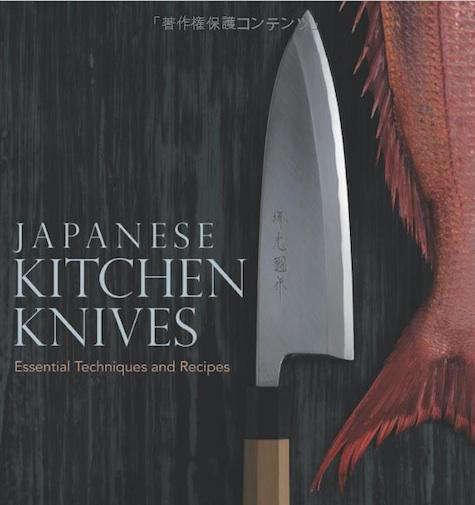
Japanese kitchen knives are famous for precision, elegance, and the tiny thrill of feeling like your vegetables suddenly got a luxury spa treatment. From the versatile gyuto to the graceful santoku and the vegetable-loving nakiri, these blades have earned a loyal following among chefs, home cooks, and anyone who has ever tried to slice a tomato without turning it into salsa.
But Japanese knives are not magic wands. They are carefully designed kitchen tools with cultural history, specialized shapes, distinct steel types, and specific care needs. This guide explains what makes them different, how their major styles are understood, why maintenance matters, and how to appreciate them safely and responsibly in a modern American kitchen.
What Makes Japanese Kitchen Knives Different?
Japanese kitchen knives are often described as light, sharp, precise, and beautifully balanced. Compared with many heavier Western-style knives, Japanese knives are commonly associated with thinner blade geometry, harder steel, and a refined edge that rewards careful, controlled cooking. The result is a tool that can feel nimble and responsive rather than bulky.
The difference comes from a long craft tradition. Japanese blade-making developed through centuries of metalwork, culinary discipline, and regional specialization. In professional kitchens, especially those focused on sushi, seafood, vegetables, and refined presentation, clean cuts matter. A cleanly sliced ingredient can look better, cook more evenly, and preserve texture. That is why Japanese knife culture often treats cutting not as a background task, but as part of the cooking art itself.
Still, the most important point is not that Japanese knives are “better” than every other knife. A good knife is the one that fits the cook, the food, and the kitchen environment. Japanese knives simply offer a distinctive approach: precision first, elegance second, and “please do not toss me in the dishwasher” third.
Popular Types of Japanese Kitchen Knives
One reason Japanese knives feel confusing at first is the vocabulary. Gyuto, santoku, nakiri, yanagiba, deba, pettythese names can sound like a secret menu at a restaurant where everyone else already knows what to order. Fortunately, the main categories become easier once you connect each knife shape with its culinary role.
Gyuto: The Japanese Chef’s Knife
The gyuto is often described as the Japanese answer to the Western chef’s knife. It is a general-purpose kitchen knife commonly associated with meat, fish, vegetables, fruit, and everyday prep. Many cooks who want one central Japanese-style knife begin by learning about the gyuto because it bridges familiar Western shapes with Japanese sharpness and lightness.
A gyuto usually has a pointed tip and a gently curved edge profile. In practical terms, that means it is known for versatility rather than extreme specialization. For web readers researching Japanese kitchen knives, the gyuto is often the easiest category to understand because it occupies the same mental shelf as “the main knife.”
Santoku: The Friendly All-Rounder
The santoku is one of the most popular Japanese knife styles in American home kitchens. The name is commonly interpreted as “three virtues,” often connected with slicing, dicing, and mincing, or with working across meat, fish, and vegetables. In other words, the santoku is the calm, capable friend who shows up to the potluck with labels, napkins, and a backup dessert.
Santoku knives typically have a shorter, wider blade than many chef’s knives and a rounded or sheepsfoot-style tip. Their shape is approachable, especially for cooks who prefer a compact, balanced knife. They are often associated with clean vegetable prep and general home cooking.
Nakiri: The Vegetable Specialist
The nakiri is a rectangular vegetable knife with a straight-edged profile. It looks a little like a small cleaver, but it is not meant to be treated like a heavy-duty chopping tool. Its identity is tied to vegetables, neat cuts, and an efficient relationship with the cutting board.
For cooks who prepare a lot of produce, the nakiri has a special charm. It makes leafy greens, squash slices, cucumbers, herbs, and onions feel less like chores and more like a tiny vegetable orchestra. That said, its thin edge and specific design mean it should be handled with care and used only in appropriate kitchen settings.
Yanagiba: The Sashimi Slicer
The yanagiba is a long, slender knife traditionally associated with slicing raw fish for sushi and sashimi. Its name is often linked with the shape of a willow leaf. In professional Japanese cuisine, this knife is valued for clean, elegant slices that help preserve the appearance and texture of delicate seafood.
For most casual home cooks, the yanagiba is more of a cultural and culinary study piece than a daily necessity. It represents the specialized side of Japanese knife design: each tool has a job, and that job is performed with intention.
Deba: A Traditional Fish Knife
The deba is a traditional Japanese knife associated with fish preparation. It is thicker and more robust than many other Japanese knife styles, reflecting its role in professional seafood work. Because it is highly specialized, it is usually discussed as part of traditional Japanese culinary practice rather than as an everyday tool for the average household.
Petty Knife: Small but Useful
The petty knife is a smaller utility knife often compared with a paring knife. It is associated with smaller kitchen tasks, garnish work, fruit, herbs, and detail-focused prep. In a Japanese knife collection, it often complements a larger gyuto or santoku.
Japanese Knife Steel: Carbon, Stainless, and Powdered Steel
Steel is one of the biggest reasons Japanese kitchen knives attract so much attention. Many Japanese knives are made from harder steels than typical mass-market kitchen knives. Harder steel can support a finer edge and maintain sharpness well, but it can also be less forgiving if the knife is misused or neglected.
There are three broad categories readers often encounter: carbon steel, stainless steel, and advanced powdered steels. Carbon steel is admired by enthusiasts for sharpness and responsiveness, but it can discolor or rust without careful maintenance. Stainless steel is more resistant to rust and easier for many home kitchens. Powdered steels are modern high-performance materials that may offer impressive edge retention, though they often come at a higher price and require thoughtful care.
The key takeaway is simple: the steel choice affects the personality of the knife. Carbon steel is like a vintage sports carbeautiful, responsive, and a little dramatic. Stainless steel is more like a reliable daily driver. Powdered steel is the high-tech option that makes knife enthusiasts nod with the seriousness of people discussing rocket parts.
Blade Shape, Bevel, and Handle Design
Japanese kitchen knives are not only about steel. Their performance also comes from blade shape, bevel style, thickness, balance, and handle design. Some Japanese knives are double-beveled, meaning both sides of the blade are shaped toward the edge. Others, especially traditional professional styles, may be single-beveled, meaning only one side is primarily sharpened. Single-bevel knives are highly specialized and are typically associated with trained culinary use.
Handles also vary. A Western-style handle, sometimes called a yo-handle, may feel familiar to American cooks because it resembles the handle construction of many European knives. A Japanese-style wa-handle is often lighter and may be round, oval, D-shaped, or octagonal. The handle changes balance and grip feel, which is why two knives with similar blades can feel surprisingly different in hand.
For an SEO-focused article on Japanese kitchen knives, this is an important user-intent point: people are not only researching names. They want to understand why one knife feels delicate, another feels sturdy, and another feels like it belongs in a museum where the museum also makes perfect omelets.
Japanese Knives vs. Western Knives
Japanese and Western kitchen knives reflect different culinary traditions. Many Western chef’s knives are designed for durability, curved rocking motions, and a broad range of kitchen tasks. Japanese knives often emphasize thinness, edge refinement, and ingredient-specific precision.
This does not make one tradition automatically superior. A Western chef’s knife may be more forgiving in a busy family kitchen. A Japanese gyuto or santoku may feel more agile for precise prep. A thick German-style knife may tolerate rougher board contact better, while a thin Japanese blade may glide through produce with less resistance when used appropriately.
The smartest comparison is not “Which country wins?” but “Which tool matches the cook’s habits?” Cooking is not a boxing match between continents. It is dinner. Dinner would like everyone to calm down and cut the carrots safely.
Care and Maintenance: Respect the Edge
Japanese kitchen knives are often built for performance, and performance tools deserve responsible care. The safest general guidance is to wash them by hand, dry them promptly, keep them away from loose sink clutter, and store them securely where the edge is protected. Dishwashers, soaking, harsh scrubbing, and careless drawer storage can damage the blade, the handle, or both.
Carbon steel knives require extra attention because they can react with moisture and acidic foods. Over time, carbon steel can develop a patina, a natural surface change that many enthusiasts consider part of the knife’s character. However, rust is not character; rust is the kitchen equivalent of a red warning light. Clean, dry storage matters.
Sharpening is another important topic, but it should be approached with caution and proper supervision. Japanese knives can have specific edge geometry, and poor sharpening can damage the blade. For many households, professional maintenance or guidance from a qualified adult or kitchen professional is the safest route. A sharp knife is a serious tool, not a toy, and safe handling should always come before performance.
How Japanese Kitchen Knives Fit Into American Home Cooking
In the United States, Japanese kitchen knives have moved from specialty restaurants into everyday kitchens. Food media, cooking shows, online reviews, and home-chef culture have all helped popularize terms like santoku, gyuto, and nakiri. Many Americans now see Japanese knives as part of a thoughtful kitchen setup rather than as rare tools reserved for sushi counters.
This popularity also reflects a broader shift in home cooking. People are paying more attention to ingredients, texture, presentation, and the feel of cooking itself. A well-made knife can make prep feel more deliberate. It can encourage a cook to slow down, organize ingredients, and treat cooking as a craft rather than a race against hunger.
That said, the best kitchen setup is not the most expensive one. A safe, well-maintained, appropriate knife is more valuable than a flashy blade used carelessly. Japanese knives can be wonderful, but they are not personality replacements. Owning a santoku will not automatically make anyone a calm minimalist chef who plates radishes with tweezers. Sadly, the dishes still do not wash themselves.
Common Myths About Japanese Kitchen Knives
Myth 1: Every Japanese Knife Is Extremely Fragile
Japanese knives are often thinner and harder than many Western knives, but that does not mean every one is fragile. It means they should be used thoughtfully and within their intended kitchen context. Respecting the tool prevents damage and improves safety.
Myth 2: A Santoku Replaces Every Knife
A santoku is versatile, but no single knife is perfect for every food or every cook. It is popular because it is manageable and useful for many daily tasks, not because it has supernatural powers. If a knife starts levitating, please leave the kitchen and call someone.
Myth 3: More Expensive Always Means Better
Price can reflect materials, craftsmanship, finish, and brand reputation, but the “best” knife still depends on comfort, safety, maintenance, and cooking style. A high-end knife that feels awkward is not automatically better than a modest one that is safe and comfortable for the right user.
Myth 4: Japanese Knives Never Need Maintenance
All kitchen knives need care. Japanese knives may hold refined edges well, but they are still physical tools that encounter moisture, food acids, cutting boards, and daily wear. Maintenance is not optional; it is part of ownership.
Safety First: A Responsible Note for Every Kitchen
Because Japanese kitchen knives are designed for sharpness and precision, safety should be central to any discussion about them. They should be stored securely, handled only in appropriate cooking situations, and kept away from unsupervised children. Anyone learning about knives should focus first on respect, awareness, and responsible kitchen behavior.
In a home environment, adults should guide storage, cleaning, and maintenance. Knives should never be left hidden in dishwater, loose on counters, or mixed into crowded drawers where someone could reach in and get hurt. A beautiful knife is still a sharp object, and safety is what makes good cooking possible.
Experiences With Japanese Kitchen Knives: What They Teach You Over Time
The first thing many people notice about Japanese kitchen knives is not the technical vocabulary. It is the feeling. A tomato gives way instead of collapsing. Herbs look clean instead of bruised. Onion slices seem more even. Suddenly, the ordinary rhythm of dinner prep feels calmer and more intentional, as though the kitchen lowered its voice and decided to behave.
One memorable experience with a Japanese-style knife is discovering how much the tool changes your attention. With a dull, heavy, or poorly balanced knife, prep work can feel like a wrestling match. With a precise Japanese blade, the cook becomes more aware of posture, board space, food texture, and timing. The knife does not do the cooking for you, but it asks you to participate more carefully.
Another lesson is humility. Japanese kitchen knives reward care, but they also expose bad habits. Leaving a knife wet, dropping it into a sink, scraping it roughly across a board, or storing it carelessly can create problems. The experience teaches a simple kitchen truth: good tools are not demanding because they are fancy; they are demanding because they are made for a purpose. Treat the purpose seriously, and the tool gives back.
For home cooks, the most enjoyable experience may be the way a Japanese knife turns repetitive prep into something almost meditative. Cutting vegetables for soup, preparing fruit for breakfast, trimming herbs for a sauce, or portioning ingredients for a weeknight meal can become less frustrating. The knife brings a sense of order. It does not make the kitchen spotless, of course. There will still be onion skins on the counter, and somehow one piece of parsley will travel to another room. But the prep itself feels smoother.
There is also a visual pleasure. Japanese knives often reflect craftsmanship through hammered finishes, layered steel patterns, polished edges, traditional handles, and elegant silhouettes. Even simple models can have a quiet beauty. They remind cooks that kitchen tools can be practical and artistic at the same time. A knife can be an object of design without becoming a decoration that never touches a cutting board.
Over time, using and caring for Japanese kitchen knives can change how someone thinks about cooking. Instead of rushing through ingredients, the cook may begin to notice the difference between a clean slice and a crushed one, between a balanced tool and an awkward one, between a maintained edge and a neglected one. This awareness can improve not only technique but also patience.
The best experience, however, is not showing off a knife collection. It is preparing food more thoughtfully and safely. A Japanese kitchen knife can be a wonderful part of the cooking process, but its real value appears when it helps create better meals, calmer habits, and more respect for the craft. The knife may be sharp, beautiful, and impressivebut the real upgrade is the cook becoming more attentive.
Conclusion: Why Japanese Kitchen Knives Still Fascinate Cooks
Japanese kitchen knives fascinate cooks because they combine function, history, beauty, and discipline. They are not just sharp objects with stylish names. They represent a culinary philosophy built around precision, ingredient respect, and purposeful design. Whether someone is learning about a gyuto, santoku, nakiri, yanagiba, deba, or petty knife, each style tells a story about how food can be prepared with care.
For American home cooks, Japanese knives can make kitchen prep feel more refined and enjoyable. But they also require responsibility. Safe storage, careful cleaning, and thoughtful maintenance are essential. The best Japanese kitchen knife is not the most expensive or dramatic one; it is the one understood, respected, and used safely in the right context.
In the end, Japanese kitchen knives are popular because they make everyday cooking feel a little more intentional. They invite cooks to slow down, pay attention, and appreciate the small details that turn ingredients into meals. And honestly, anything that makes chopping vegetables feel less like a chore deserves at least a polite bow.