A Shotokan karate punch looks simple from the outside: fist goes out, target regrets its life choices, everyone bows politely. But inside that clean, straight line is a full-body system of stance, hip rotation, breathing, posture, timing, wrist alignment, and mental focus. In Shotokan, a punch is not merely an arm movement. It is the final delivery point of power created from the floor, shaped by the legs, accelerated by the hips, guided by the torso, and finished through the first two knuckles.
This guide explains how to do a karate punch in Shotokan with practical detail, beginner-friendly language, and enough technical depth to keep serious students interested. Whether you are learning choku-zuki, oi-zuki, or gyaku-zuki, the goal is the same: make the punch direct, stable, relaxed, sharp, and safe. Think of it as turning your body into a well-organized delivery service. The package is your fist. The shipping department is your hips. The customer feedback is immediate.
What Makes a Shotokan Karate Punch Different?
Shotokan karate is famous for strong linear techniques, deep stances, explosive hip action, and crisp finishing positions. A Shotokan punch usually travels on a straight path toward the centerline of the target. It is not a loose swing, a wild haymaker, or an angry windmill impression. The punch is controlled, direct, and structurally aligned.
The basic punching family in Shotokan includes several important techniques. Choku-zuki is the straight punch often practiced from a natural or parallel stance. Oi-zuki is the stepping or lunge punch, where the punching arm and stepping leg are on the same side. Gyaku-zuki is the reverse punch, usually delivered with the rear hand while the opposite leg is forward. Kizami-zuki is a lead-hand snap punch often used in sparring. Each punch has its own flavor, but the foundation is shared: stance, alignment, hip drive, relaxation, focus, and recovery.
The Foundation: Build the Punch Before You Throw It
1. Start With a Stable Stance
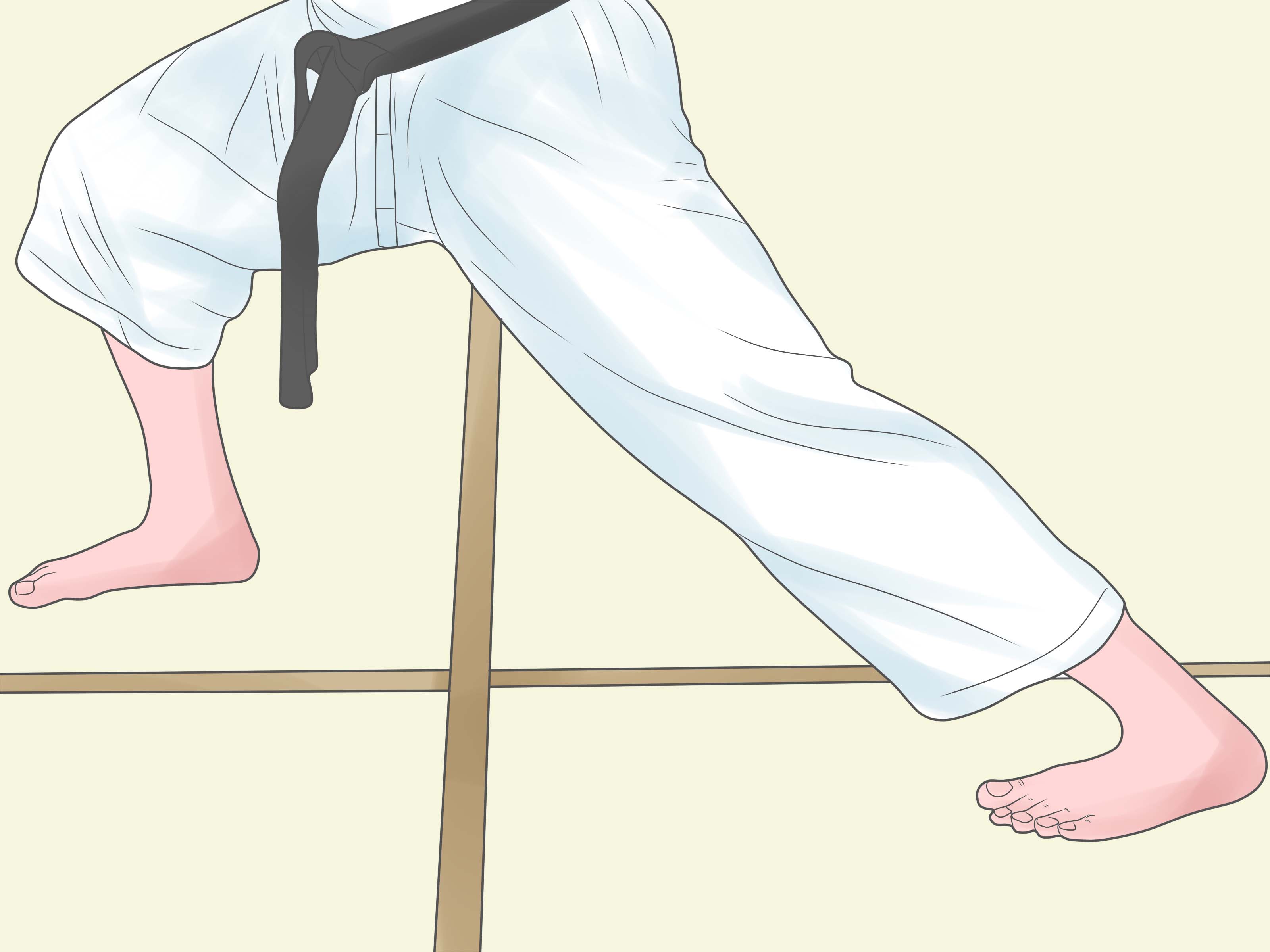
A strong Shotokan punch starts in the feet. If your stance is wobbly, your punch becomes a polite suggestion instead of a technique. For many basic punches, students practice from zenkutsu-dachi, or front stance. The front knee is bent, the back leg is strong, and the feet grip the floor without clawing at it like a nervous cat on a hardwood table.
Your weight should feel grounded. The front knee points in the same direction as the toes, not collapsing inward. The back heel stays down when appropriate for basic training, helping the body connect to the floor. Keep your spine tall, your shoulders relaxed, and your head level. Good posture allows power to travel cleanly through the body.
2. Make a Proper Fist
The striking surface in a standard Shotokan punch is usually the seiken, the front two knuckles of the index and middle fingers. To make the fist, curl the fingers tightly into the palm, then wrap the thumb across the outside of the index and middle fingers. Never tuck the thumb inside the fist unless you are trying to turn karate class into an emergency room field trip.
The wrist must stay straight and aligned with the forearm. A bent wrist leaks power and increases injury risk. Imagine a straight line running from the elbow through the forearm, wrist, and first two knuckles. That line is your power track. Keep it clean.
3. Understand Hikite, the Pulling Hand
Hikite is the pulling hand that retracts to the hip or ribs as the punching hand moves forward. In basic Shotokan practice, hikite teaches coordination, body connection, and the push-pull action across the torso. The returning hand should not drift lazily backward like it forgot why it came to class. It snaps back with purpose.
In practical self-defense or sparring, the non-punching hand may stay higher to guard the head. However, in kihon training, hikite is valuable because it develops timing, posture, hip rotation, and balanced muscle engagement. Learn the traditional method first, then understand how context changes the application.
How to Do a Basic Shotokan Karate Punch Step by Step
Step 1: Chamber the Fist
Begin with one fist chambered at the side of the body, usually near the hip or lower ribs. The palm faces upward. The elbow points backward, not flaring out to the side. Keep the shoulder relaxed. Tension at the start slows the punch and makes your movement look like you are trying to push a refrigerator across carpet.
Step 2: Aim Along the Centerline
The punch travels toward the centerline of the body. In basic practice, aim for chudan, the middle level, around the solar plexus or torso height. The elbow stays close to the body as the fist moves forward. If the elbow flies outward, the punch becomes slower, weaker, and easier to read.
Step 3: Rotate the Forearm at the End
Most basic Shotokan straight punches begin palm-up and finish palm-down. The rotation happens naturally as the punch extends, with the final twist near the end. Do not over-twist or wrench the wrist. The rotation should feel sharp but controlled, like turning a key, not opening a pickle jar in a personal vendetta.
Step 4: Use the Hips
The hips are the engine of the Shotokan punch. For gyaku-zuki, the rear hip drives forward as the rear hand punches. For oi-zuki, the body moves forward with the step and settles into stance as the punch finishes. In both cases, the upper body and lower body must arrive together. If the fist arrives before the stance, power is disconnected. If the stance lands long before the fist, the technique looks like two separate events that met awkwardly at a party.
Step 5: Finish With Kime
Kime is focused completion. At the end of the punch, the body briefly contracts with precision: fist tight, wrist straight, abdomen engaged, stance rooted, eyes on target. Then you relax again. Kime is not full-body stiffness from start to finish. It is a quick moment of total organization. Power needs relaxation to move and focus to land.
How to Do Oi-Zuki: The Shotokan Stepping Punch
Oi-zuki, often called the lunge punch or stepping punch, is one of the most recognizable Shotokan karate techniques. In this punch, the same-side hand punches as the same-side foot steps forward. For example, if the right foot steps forward, the right fist punches.
Oi-Zuki Technique
Start in front stance with one leg forward. Push from the back leg and step forward smoothly. As the body moves, keep the posture upright and the shoulders relaxed. The punching hand drives forward as the stepping foot lands. The hikite hand pulls back strongly. The stance, hips, and punch should finish at the same moment.
A good oi-zuki feels like the whole body is entering the target, not just the arm reaching forward. Avoid leaning. Avoid bouncing. Avoid making the step so long that you need a weather forecast to find your back foot. The stance should be long enough to create power but short enough to remain functional.
How to Do Gyaku-Zuki: The Reverse Punch
Gyaku-zuki is one of Shotokan karate’s most powerful and practical punches. It is delivered with the rear hand while the opposite leg is forward. For example, if your left leg is forward, your right hand punches.
Gyaku-Zuki Technique
Begin in front stance. Keep the front knee stable and the back leg engaged. Rotate the rear hip forward as the rear fist punches straight to the target. The front hand pulls back in hikite during basic practice. The punch finishes with the body square, the fist centered, and the wrist aligned.
The secret is not “arm harder.” The secret is coordination. The rear foot presses into the floor, the hip rotates, the torso transfers force, the shoulder stays down, the elbow tracks behind the fist, and the knuckles arrive cleanly. When done well, gyaku-zuki feels compact and heavy, like the floor itself helped you punch.
Common Shotokan Punching Mistakes
Mistake 1: Punching With Only the Arm
Beginners often try to create power by swinging or pushing with the shoulder. This makes the punch tense and shallow. Instead, connect the punch to the stance and hips. The arm delivers power; it does not manufacture all of it.
Mistake 2: Raising the Shoulder
A raised shoulder shortens the punch and creates neck tension. Keep the shoulder down and relaxed. The fist should shoot forward without the upper body hunching like you just heard your boss say, “Quick question.”
Mistake 3: Bending the Wrist
A bent wrist is one of the fastest ways to lose power and invite injury. Always check that the first two knuckles, wrist, and forearm are aligned. Practice slowly before adding speed or hitting pads.
Mistake 4: Over-Rotating the Body
Hip rotation is essential, but more is not always better. If the body twists too far, balance disappears and the punch travels off line. In Shotokan, the rotation should be sharp, efficient, and connected to the target.
Mistake 5: Staying Tense the Whole Time
Karate power depends on the contrast between relaxation and focus. Stay loose during the movement, then apply kime at the end. Constant tension is like driving with the parking brake on. Yes, the car moves. No, it is not happy.
Best Drills to Improve a Shotokan Karate Punch
Slow Motion Punches
Practice choku-zuki slowly in front of a mirror. Watch the elbow path, wrist alignment, shoulder position, and fist rotation. Slow training exposes errors that speed tries to hide. Do ten careful repetitions on each side.
Hip Rotation Drill
Stand in front stance with both fists chambered. Practice rotating from a slightly angled hip position to square while punching gyaku-zuki. Focus on the hip starting the movement and the fist finishing it. Keep the head level.
Wall Alignment Drill
Stand close to a wall and punch slowly without letting the elbow flare outward. This teaches a straight path. Do not hit the wall; it has done nothing wrong. Use it as a guide for clean mechanics.
Pad Work With Control
Once your form is reliable, practice on a focus mitt or light bag with supervision. Start at low power. Check that the wrist remains straight on impact. Gradually increase speed and force only when alignment stays consistent.
One-Step Kihon Practice
Practice stepping forward with oi-zuki, then stepping back and repeating on the other side. Count the timing: move, land, punch, focus. Later, blend the count until everything finishes as one action.
Breathing and Rhythm
Breathing supports timing and power. In basic Shotokan punching, exhale sharply as the punch finishes. The breath should not be theatrical. You are not auditioning for a dragon role in a fantasy movie. A short, controlled exhale helps the body contract at the moment of kime.
Rhythm matters too. Beginners often move in pieces: step, think, punch, wobble, apologize to gravity. The goal is unified movement. Foot, hip, hand, breath, and focus should work together. Start slowly, then build speed without losing structure.
Safety Tips for Practicing Karate Punches
Shotokan karate can be practiced safely when students respect progression. Warm up the wrists, shoulders, hips, and legs before punching. Do not hit hard surfaces with bare knuckles. Use pads, bags, or makiwara training only under proper instruction. If pain appears in the wrist, hand, elbow, or shoulder, stop and evaluate your technique.
Hand conditioning should never be rushed. Toughness is not the same as carelessness. Good karate training builds strong technique first, then gradually adds impact. The best punch is not the one that damages your own hand. That is not martial arts; that is poor project management.
How to Apply Shotokan Punching in Real Training
In kihon, the punch is large, clear, and formal. This develops structure. In kata, the punch appears in sequences with turns, blocks, footwork, and changes of direction. This develops coordination and combative imagination. In kumite, the punch becomes faster, lighter, more adaptive, and often guarded. This develops timing and distance.
A serious student should understand all three. Kihon builds the tool. Kata teaches patterns of movement. Kumite tests distance and timing. If you only practice basics, your punch may become strong but predictable. If you only spar, your punch may become quick but technically messy. Shotokan asks for both discipline and adaptability.
Training Experience: What Learning a Shotokan Punch Really Feels Like
Many beginners expect the karate punch to feel powerful immediately. Then the instructor asks them to relax their shoulders, bend the front knee, stop leaning, straighten the wrist, rotate the hip, pull hikite, keep the elbow in, breathe correctly, and finish with kime. Suddenly, “just punch” becomes a full-body software update.
One of the most common experiences in Shotokan training is discovering that power does not come from trying harder. In fact, the harder a beginner tries, the more tension appears. The shoulders rise, the jaw clenches, the fist tightens too early, and the punch slows down. Progress often begins when the student learns to relax before impact. A relaxed punch moves faster. A focused punch lands heavier.
Another important experience is learning that stance is not decoration. At first, front stance may feel exaggerated. The legs burn, the hips complain, and the back foot seems to have filed a formal protest. But over time, the stance teaches the body how to generate power from the ground. When the legs become stronger, the punch stops feeling like an arm technique and starts feeling like a connected body movement.
Students also learn humility from the mirror. A punch that feels straight may look crooked. A shoulder that feels relaxed may be sitting somewhere near the ear. A hikite that feels fast may be drifting back like a tired elevator. Mirror training, partner feedback, and instructor correction are extremely useful because they reveal the gap between feeling and reality.
Pad work adds another lesson: impact tells the truth. When the wrist is bent, the hand feels unstable. When the elbow is out, the punch loses drive. When the hips are late, the sound on the pad is flat. When everything connects, the strike feels clean and surprisingly effortless. That is a memorable moment for many karate students. The punch does not feel forced; it feels organized.
There is also a mental side. Repeating a basic punch hundreds or thousands of times can seem boring until you understand what you are polishing. Every repetition asks a question: Can you stay focused? Can you correct one small detail? Can you keep your breathing calm? Can you move sharply without becoming tense? Shotokan basics are simple on purpose. They give the student nowhere to hide.
Over months of training, the karate punch becomes a lesson in patience. You may improve your wrist alignment one week, then notice your hips are late the next. You may fix your stance, then realize your shoulder is lifting. This is normal. Technique develops in layers. The goal is not instant perfection but steady refinement.
The best experience-related advice is to treat the Shotokan punch as a skill, not a trick. Practice slowly. Listen to corrections. Respect your joints. Do not chase power before alignment. Celebrate small improvements. A punch that is one percent better each week becomes dramatically better over time. Karate rewards the student who keeps showing up, even when the mirror is brutally honest and the legs are negotiating for retirement.
Conclusion
Learning how to do a karate punch in Shotokan is about much more than extending your arm. A proper punch combines stance, fist formation, wrist alignment, hip rotation, hikite, breathing, timing, and kime. Choku-zuki teaches the straight line. Oi-zuki teaches body movement and commitment. Gyaku-zuki teaches hip power and connection. Together, they form the backbone of Shotokan punching technique.
Train slowly before training fast. Prioritize structure before power. Keep the wrist straight, the shoulders relaxed, the hips engaged, and the mind focused. With enough practice, the Shotokan punch becomes sharp, stable, and efficient. It may still look simple, but that is the beauty of it. The best basics are simple the way a sharp sword is simple: clean, direct, and very serious about its job.
Note: This article is for educational purposes and should not replace instruction from a qualified Shotokan karate teacher. Practice impact work safely, use appropriate equipment, and stop training if you feel pain or instability in the hand, wrist, elbow, or shoulder.