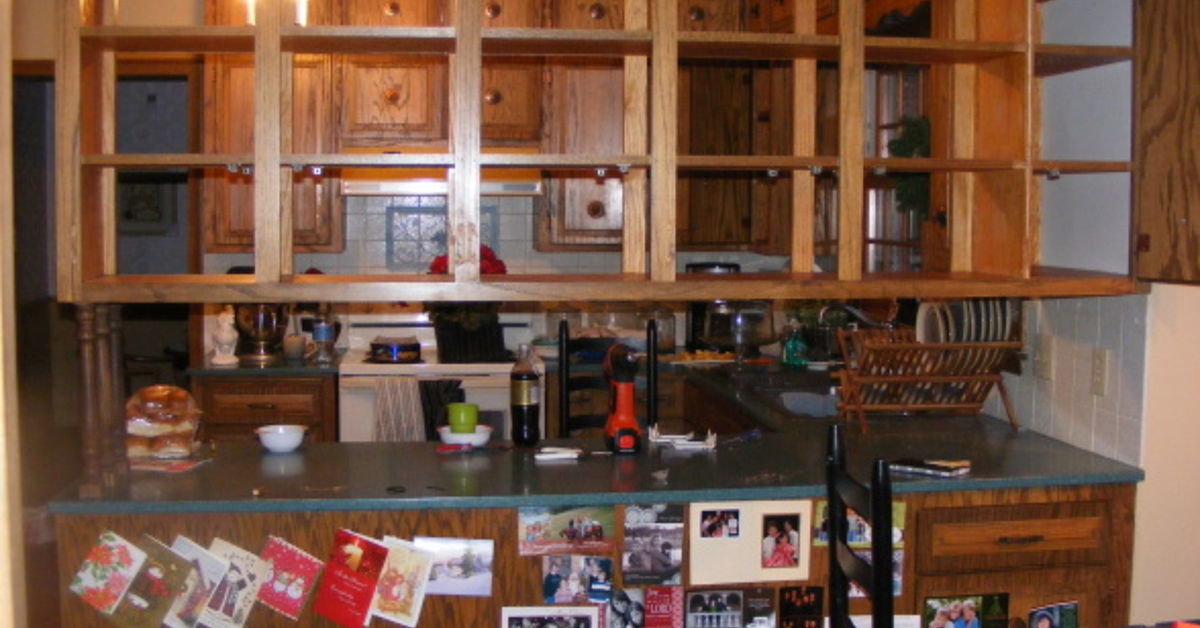
There is a special kind of bravery involved in standing in the middle of an outdated kitchen, staring at tired cabinets, old hardware, sleepy lighting, and a countertop that looks like it has heard every family argument since 1998, and saying, “We can fix this without taking out a second mortgage.” That was exactly the spirit behind our inexpensive kitchen redo in our last house. We wanted a fresh and updated outcome, not a luxury showroom where you feel underdressed for boiling pasta.
The good news is that a budget kitchen remodel does not have to mean “cheap-looking.” In fact, some of the smartest kitchen makeovers come from restraint. Instead of ripping everything out, the better question is: What can stay, what can be improved, and what small changes will make the biggest visual difference? Paint, cabinet hardware, lighting, backsplash updates, smart storage, and a little weekend stubbornness can work together like a tiny renovation orchestra.
This guide walks through how to create an affordable kitchen makeover with practical choices, realistic priorities, and a sense of humorbecause at some point, every DIY project involves losing a screwdriver you were holding three seconds ago.
Why an Inexpensive Kitchen Redo Can Be the Smartest Move
A full kitchen remodel can cost tens of thousands of dollars, especially when it involves custom cabinets, new flooring, stone countertops, appliance upgrades, plumbing, electrical work, and professional labor. But many kitchens do not actually need a total demolition. They need a facelift, a better color story, cleaner lines, improved lighting, and a few modern details that make the room feel intentional again.
An inexpensive kitchen redo is ideal when the basic layout still works. If the sink, stove, refrigerator, and cabinets are in functional locations, keeping the footprint can save a huge amount of money. Moving plumbing or electrical lines may sound glamorous on a home renovation show, but in real life, it is often where budgets go to cry quietly in the pantry.
The smartest budget kitchen makeover focuses on high-impact, lower-cost improvements: painting cabinets, replacing dated pulls and knobs, refreshing walls, adding a backsplash, improving task lighting, organizing storage, and styling the room so it feels bright, clean, and current. These changes can dramatically improve the look of a kitchen without turning your house into a construction zone for three months.
Start With a Realistic Kitchen Redo Plan
Before buying paint, tile, lighting, or a cute little runner rug that somehow convinces you it has “changed your life,” create a simple plan. A budget kitchen redo works best when you know what you want the final room to feel like. Do you want it brighter? Warmer? More modern? More farmhouse? Less “rental from a detective show”? Decide on a direction before purchasing materials.
Set a Budget Before Falling in Love With Finishes
The first rule of an affordable kitchen remodel is simple: choose your total budget before choosing your dream faucet. A practical budget should include materials, tools, possible delivery fees, safety supplies, and a small cushion for surprises. A 10 to 20 percent buffer is wise because old kitchens enjoy hiding problems like mystery gaps, stripped screws, uneven walls, and cabinet hinges that appear to have been installed during a thunderstorm.
For a small kitchen redo, many homeowners can make visible improvements with a few hundred to a few thousand dollars, depending on the scope. Cabinet paint, new hardware, updated lighting, peel-and-stick or ceramic tile backsplash, open shelving, and styling accessories are often far less expensive than replacing cabinetry or changing the entire layout.
Choose the Three Biggest Visual Wins
Instead of trying to change everything, identify the three updates that will make the room feel dramatically different. In many kitchens, those are cabinets, lighting, and hardware. Cabinets take up a huge amount of visual space, so changing their color can completely reset the room. Lighting affects how every surface looks. Hardware is small, but it acts like jewelry for cabinetsexcept it will not accuse you of forgetting an anniversary.
If your cabinets are structurally solid, painting or refinishing them can be the star of the makeover. If your lights are dim or yellowed, replacing fixtures or adding under-cabinet lighting can make the kitchen feel cleaner and more functional. If the hardware is outdated, swapping knobs and pulls can modernize the room in an afternoon.
Cabinet Paint: The Budget Kitchen Hero
Painting cabinets is one of the most cost-effective ways to create a fresh and updated kitchen outcome. It is not the fastest project, and it is not the cleanest. There will be sanding dust. There will be cabinet doors leaning against walls like they are waiting for a family portrait. But the payoff can be enormous.
For best results, remove doors and drawer fronts, label everything, clean the surfaces thoroughly, sand or degloss, prime, and use a durable cabinet-grade paint. Satin, semi-gloss, and gloss finishes are commonly preferred for kitchens because they are easier to wipe down than flat paint. Matte cabinets may look beautiful online, but spaghetti sauce does not respect aesthetics.
Best Budget Cabinet Colors
White remains popular because it makes a kitchen feel brighter and larger. Soft greige, warm taupe, muted sage, navy, charcoal, and creamy off-white can also look fresh without feeling trendy in a way that expires next Tuesday. Two-tone cabinets are another affordable option: darker lower cabinets and lighter uppers can add depth without requiring expensive materials.
If your kitchen has orange-toned wood cabinets and you do not want to paint them, consider changing the surrounding colors. Cooler wall paint, updated hardware, improved lighting, and natural textures can tone down the warmth and make the cabinets look intentional rather than dated.
Hardware: Small Pieces, Big Personality
Cabinet hardware is one of the easiest kitchen updates for beginners. Replacing old knobs and pulls can immediately shift the style of the room. Brushed nickel, matte black, brass, bronze, and stainless finishes can all work depending on the overall look. The secret is consistency. A kitchen can mix metals, but it should look designed, not like the hardware aisle sneezed.
When replacing pulls, measure the existing hole spacing before shopping. Choosing new pulls with the same center-to-center measurement saves time, money, and the emotional journey of filling and drilling new holes. If you want a cleaner modern look, simple bar pulls often work well. For a cozy cottage feel, round knobs or cup pulls can add charm.
Affordable Backsplash Ideas That Look Fresh
A backsplash can change the entire mood of a kitchen. It protects the walls, adds texture, and creates a finished look. Ceramic subway tile remains a budget favorite because it is widely available, durable, and timeless. Peel-and-stick backsplash panels can also work for renters or quick refreshes, though they should be chosen carefully for heat and moisture resistance.
If you want a more custom feel without a custom price, try arranging affordable tile in a different pattern, such as vertical stack, herringbone, or offset brick. Even basic white tile looks more intentional when paired with the right grout color, clean edges, and careful installation.
Painted Backsplash Alternatives
If tile is not in the budget, washable paint can still freshen the area. A painted backsplash zone behind open shelving or along a small wall can create contrast. Beadboard panels, moisture-resistant wall panels, or removable wallpaper may also work in low-splash areas. Just remember: behind the stove and sink, durability matters. The kitchen is not a gentle environment. It is a hot, steamy, sauce-flinging battlefield with snacks.
Countertops: Replace, Refresh, or Distract?
Countertops can be expensive, but they do not always need to be replaced during an inexpensive kitchen redo. If your existing counters are functional but dated, you can improve the surrounding elements so the counters become less noticeable. Fresh cabinets, modern hardware, better lighting, and a new backsplash can make an old countertop look surprisingly acceptable.
If replacement is necessary, laminate remains one of the most affordable countertop options and now comes in designs that mimic stone, wood, and concrete far better than older versions did. Butcher block can add warmth and character, although it requires regular care. Tile countertops can be budget-friendly, but grout maintenance should be considered. The best countertop choice depends on how you cook, clean, and live.
Lighting: The Makeover Multiplier
Lighting is one of the most underestimated parts of a budget kitchen remodel. A kitchen with poor lighting can make even new finishes look dull. Updated lighting can make affordable materials look richer and make old surfaces look cleaner. In other words, lighting is basically the kitchen’s Instagram filterbut useful.
A complete lighting plan includes general lighting, task lighting, and accent lighting. General lighting brightens the room. Task lighting helps you chop vegetables without turning meal prep into a suspense film. Accent lighting adds warmth and style. Under-cabinet lights are especially helpful because they brighten work surfaces and make the kitchen feel more polished.
Swapping an outdated ceiling fixture, adding pendant lights over a small island, or installing plug-in under-cabinet lighting can create a major difference without a full electrical overhaul. When hiring an electrician is necessary, get clear quotes and avoid guessing with wiring. DIY confidence is wonderful; DIY electrical surprises are not.
Open Shelving and Storage Tweaks
Open shelving can make a small kitchen feel lighter, but it should be used carefully. Removing a few upper cabinet doors or adding one open shelf can create display space for everyday dishes, jars, cookbooks, or pretty mugs. Removing every upper cabinet, however, may lead to the discovery that your household owns 47 mismatched plastic cups and exactly one attractive bowl.
For a budget-friendly storage improvement, focus on organization before buying more cabinets. Add drawer dividers, shelf risers, pull-out baskets, lazy Susans, pan organizers, and clear containers. A kitchen can feel newly renovated simply because you no longer have to fight a stack of lids every time you want leftovers.
Flooring on a Budget
If the kitchen floor is in poor shape, affordable flooring options can make a big difference. Luxury vinyl plank, sheet vinyl, peel-and-stick vinyl tile, and budget ceramic tile are common choices for cost-conscious homeowners. The best option depends on moisture resistance, durability, subfloor condition, and your willingness to spend a weekend crawling around with knee pads and optimism.
If replacing the floor is not possible, a washable runner can soften the room and hide minor flaws. Choose a rug that is easy to clean and safe underfoot. Kitchens are high-traffic spaces, so this is not the place for a delicate rug that panics when someone drops a blueberry.
Appliances: Keep What Works
New appliances are tempting, but they can quickly consume a kitchen redo budget. If your appliances still function well, consider keeping them and improving the room around them. A dated refrigerator may look less obvious when the cabinets are fresh, the walls are clean, and the lighting is improved.
If an appliance truly needs replacing, prioritize function over luxury. Midrange appliances often deliver strong performance without the premium cost of professional-style models. Stainless steel remains popular, but white, black, and panel-ready looks can also work depending on the design. The goal is not to impress the neighbors. The goal is to cook dinner without the oven behaving like a moody dragon.
Safety First, Especially in Older Homes
If your last house was built before 1978, be cautious before sanding, scraping, or disturbing old paint. Lead-based paint may be present in older homes, and renovation dust can be dangerous. In that situation, testing and lead-safe practices matter. It may be worth hiring a certified professional for work that disturbs painted surfaces.
Budget-friendly does not mean careless. Wear protective gear when sanding or painting, ventilate properly, follow product instructions, turn off power before changing fixtures, and know when to call a pro. Saving money is great. Saving money while keeping all your fingers, lungs, and electrical circuits happy is better.
How to Make the Final Kitchen Look More Expensive
The secret to a fresh and updated kitchen outcome is cohesion. Affordable materials look better when the colors, finishes, and shapes work together. Choose a simple palette and repeat it. For example, white cabinets, warm wood shelves, black hardware, and a soft neutral wall color can look clean and modern. Sage cabinets, brass hardware, cream walls, and butcher block accents can feel cozy and current.
Decluttering also matters. Clear counters instantly make a kitchen feel larger and newer. Keep out only the items you use daily or truly enjoy seeing. A wood cutting board, a small plant, a bowl of fruit, or a simple lamp can add warmth without creating chaos.
Budget Styling Details That Help
Try adding a new faucet, updated switch plates, fresh caulk, clean grout, a washable runner, matching soap dispensers, and a few coordinated countertop accessories. These finishing touches may seem small, but they tell the room, “You are no longer forgotten.”
Fresh caulk around the sink and counters can make the kitchen look cleaner. Replacing yellowed outlet covers can brighten walls. Touching up trim paint can sharpen the whole room. None of these updates are glamorous, but they are the quiet heroes of a budget kitchen redo.
A Sample Inexpensive Kitchen Redo Plan
Here is a practical example for a small to medium kitchen. Start by deep-cleaning everything, removing clutter, and repairing minor wall damage. Paint the walls a warm neutral. Remove cabinet doors, clean and sand them, prime, and paint them in a durable satin finish. Replace the old hardware with simple modern pulls. Add a white ceramic subway tile backsplash or a high-quality peel-and-stick option if the budget is tight. Replace the dated ceiling light with a brighter fixture and add plug-in under-cabinet lighting. Finish with a washable runner, a small plant, and organized counters.
This type of redo does not require moving walls, changing plumbing, or ordering custom cabinetry. It focuses on what the eye sees first. The result is a kitchen that feels cleaner, newer, brighter, and more enjoyable without requiring a major renovation loan.
Common Budget Kitchen Redo Mistakes
The first mistake is skipping prep work. Paint does not hide grease, dust, peeling finish, or impatience. Cabinet painting especially depends on proper cleaning, sanding, priming, and curing time. Rushing the process can lead to chips and regrets.
The second mistake is buying random finishes because each one looks good individually. A faucet, cabinet pull, backsplash tile, and light fixture may all be attractive on their own, but together they can create visual confusion. Bring samples home when possible and view them in your actual kitchen lighting.
The third mistake is spending too much on one feature and neglecting the rest. A fancy countertop surrounded by old cabinets, dim lighting, and worn hardware may not deliver the fresh outcome you wanted. Balance usually looks better than one expensive item trying to carry the entire kitchen like a superhero with back pain.
Personal Experience: What We Learned From Our Last House Kitchen Redo
Our last house had one of those kitchens that was not terrible enough to justify a full gut job, but not cute enough to ignore. It was stuck in the awkward middle: functional, but tired. The cabinets were solid, the layout worked, and the appliances were usable, but the whole room felt dim and dated. It was the kind of kitchen where you could make a nice breakfast, but the background looked like it had been waiting for a makeover since dial-up internet.
The biggest lesson we learned was that cleaning and editing come before decorating. Before buying anything, we emptied cabinets, removed countertop clutter, cleaned the doors, wiped down greasy corners, and looked honestly at what needed to change. That step alone made the room feel better. It also revealed which updates mattered most: the cabinets needed a new color, the hardware needed to retire peacefully, and the lighting needed to stop making everything look beige and suspicious.
Painting the cabinets gave us the biggest transformation. It took longer than expected, mostly because cabinet doors multiply when you remove them. One minute you think you have ten doors; the next minute your dining room looks like a cabinet convention. Labeling each door and hinge saved us from confusion later. Cleaning and priming were not exciting, but they made the finish smoother and more durable. The fresh paint instantly changed the entire kitchen from “old but trying” to “bright and welcoming.”
Changing the hardware was the most satisfying quick win. New pulls made the cabinets look sharper and more modern. We chose a simple finish that worked with the faucet and light fixture, which helped the kitchen feel coordinated. The hardware did not cost much, but visually it made the room feel deliberate.
Lighting was another major improvement. The old fixture made the kitchen feel sleepy, so replacing it with a brighter, cleaner design changed the mood immediately. We also added under-cabinet lighting, which made food prep easier and made the backsplash area feel finished. Suddenly, chopping onions felt less like working in a basement interrogation room.
We did not replace everything. That was important. We kept what worked and improved what bothered us most. The countertops were not our dream choice, but once the cabinets, hardware, walls, and lighting were updated, the counters looked much better. That taught us a valuable budget lesson: sometimes the problem is not one outdated surface, but everything around it making the surface look worse.
The final styling made the kitchen feel complete. We added a washable runner, reduced countertop clutter, displayed a few everyday items neatly, and brought in small warm details like a wood cutting board and a plant. Nothing was expensive, but the room felt fresh, updated, and much more enjoyable. It became the kind of kitchen where you actually want to make coffee in the morning instead of quietly judging the cabinets.
If we had to do it again, we would still choose the same strategy: keep the layout, paint the cabinets, update hardware, improve lighting, refresh the backsplash area, and style the space simply. An inexpensive kitchen redo is not about pretending you spent a fortune. It is about making smart, visible changes that improve daily life and help the room feel loved again.
Conclusion
An inexpensive kitchen redo in our last house proved that a fresh and updated outcome does not require a full demolition, luxury finishes, or a budget that makes your wallet hide under the bed. With smart planning, cabinet paint, new hardware, better lighting, affordable backsplash ideas, organized storage, and thoughtful styling, an outdated kitchen can become brighter, cleaner, and more inviting.
The best budget kitchen remodels respect what already works. Instead of replacing everything, focus on the changes that create the strongest visual and functional impact. Paint can transform cabinets. Lighting can transform mood. Hardware can transform style. Decluttering can transform space. And a few finishing touches can make the room feel complete.
In the end, a kitchen does not need to look like a magazine spread to be successful. It needs to work well, feel good, and make everyday life easier. If the room looks fresh, functions better, and makes you smile while pouring coffee, that is a very good outcomefresh, updated, and achieved without financial drama.