Human creativity has given us vaccines, moon landings, and tiny computers that can order tacos from the couch. Unfortunately, it has also given us coffee brewed with pasta water.
The internet’s collection of “most offensive foods” celebrates culinary ideas that make people pause, zoom in, and quietly ask, “Was this created by a chef, a prankster, or a raccoon with access to a grocery store?” The original viral gallery ranged from a neon Mountain Dew cheesecake to a deeply confusing gelatin salad, proving that no ingredient is safe once imagination and poor judgment begin collaborating.
Some creations are genuine flavor experiments. Others are novelty products designed to attract attention. A few are ordinary foods photographed from an unfortunate angle. Whatever their origin, all 40 examples below share one quality: someone saw them and immediately reached for a camera instead of a fork.
Why Do Certain Foods Look So Offensively Unappetizing?
Eating begins before food touches the tongue. Color, shape, arrangement, shine, texture, and even the plate influence what the brain expects a dish to taste like. Studies of food presentation have found that neatness and visual appeal can affect anticipated flavor, perceived quality, enjoyment, and willingness to pay. In other words, your eyes are unofficial members of the tasting committee, and they are extremely judgmental.
Disgust also serves a protective purpose. Humans tend to avoid visual and sensory signals associated with contamination, spoilage, unfamiliar textures, or possible pathogens. A gray scramble, gelatinous surface, or strangely blue hamburger may be harmless, yet it can still activate the ancient part of the brain that says, “Wonderful photograph. Please do not swallow it.”
However, food disgust is not entirely objective. Culture, childhood memories, familiarity, smell, and previous experiences shape what people consider delicious. Fermented cheese, chicken feet, root beer, durian, natto, and other foods may be beloved in one community and treated like a practical joke in another. The funniest reactions come from novelty foods and chaotic combinations, not from declaring another culture’s traditional cuisine inherently bad.
Food Crimes 1–10: Breakfast, Pizza, and Neon Desserts
-
1. Doritos-Crusted Mountain Dew Cheesecake
This electric-green cheesecake combined Mountain Dew gelatin, soda-flavored filling, and a crushed Doritos crust. It looked less like dessert and more like radioactive evidence.
-
2. Peanut Butter Cup Pizza
A regular cheese pizza received a generous topping of miniature peanut butter cups. Sweet-and-salty combinations can work, but melted chocolate sitting on tomato sauce demanded emotional preparation.
-
3. The Candy Aisle Disguised as Breakfast
One cereal shelf featured flavors inspired by cookies, candy, snack cakes, and gummies. Breakfast had apparently fired oatmeal and hired the checkout counter at a movie theater.
-
4. Fried Banana and Bubble Gum Pizza
Banana on pizza already starts arguments. Adding pink bubble-gum flavor transformed the debate into a full constitutional crisis with cheese.
-
5. The $15 Disassembled Caesar Salad
A takeout container held several whole romaine leaves, a few croutons, and dressing. Technically, the ingredients were present. Spiritually, the salad had not reported for work.
-
6. Politically Branded Sparkling Water
The beverage itself was ordinary, but its aggressively political packaging turned hydration into an argument at Thanksgiving dinner.
-
7. Coffee Brewed With Used Pasta Water
A zero-waste experiment repurposed cloudy pasta water for coffee. Sustainability is admirable, although cappuccino should not carry subtle notes of yesterday’s macaroni.
-
8. Mandarin-Orange Jell-O Salad With Mayonnaise
Orange gelatin trapped carrots, celery, cottage cheese, pineapple, and walnuts beneath a swirl of mayonnaise. Every bite promised a different texture and none offered an escape route.
-
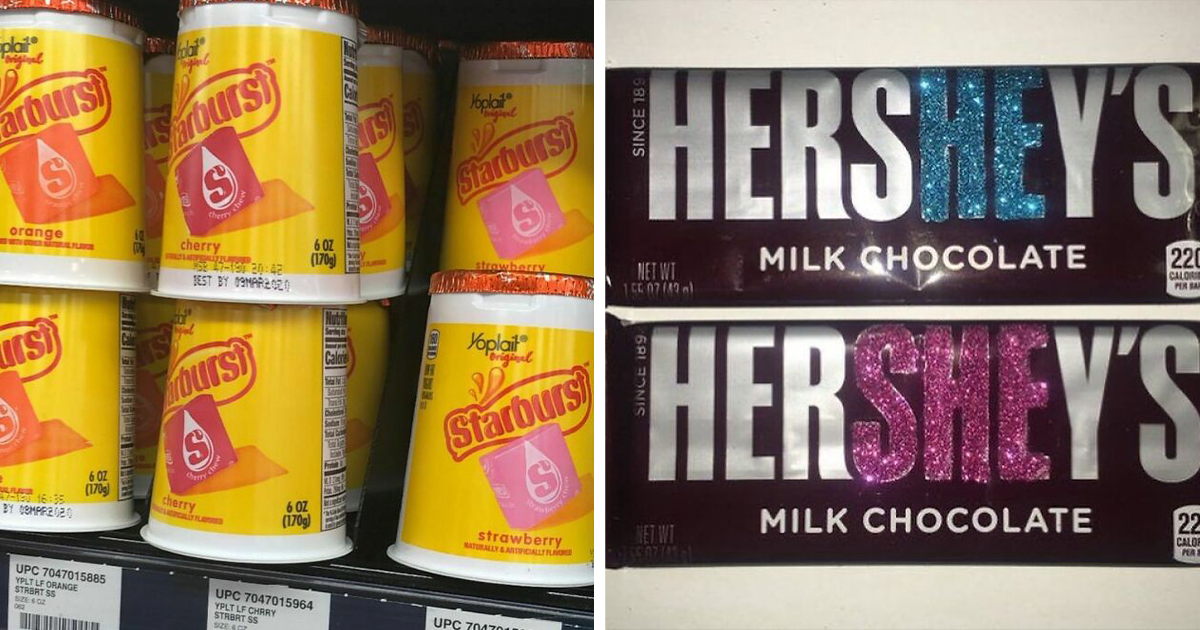
9. Starburst-Flavored Yogurt
Fruit yogurt met candy branding in orange, cherry, and strawberry varieties. It may have tasted fine, but the packaging suggested yogurt had entered a witness-protection program.
-
10. Scrambled Eggs With Oreos
Crushed chocolate cookies turned the eggs dark gray and lumpy. This was possibly delicious, but visually it resembled breakfast rescued from a chimney.
These first examples demonstrate the internet’s favorite formula: begin with a familiar food, add an ingredient from a completely different emotional category, and photograph the consequences.
Food Crimes 11–20: Frozen Dinners From an Alternate Universe
-
11. Macaroni and Cheese Ice Cream
A pale-yellow frozen dessert promised the flavor of mac and cheese. It answered a question nobody remembers asking, possibly because everybody was trying to forget it.
-
12. Ketchup Slices
Individually wrapped sheets of solid ketchup offered a cleaner sandwich experience. Convenient? Perhaps. Emotionally similar to peeling fruit leather onto a hamburger? Absolutely.
-
13. Turkey Dinner Candy Corn
This seasonal bag reportedly included flavors inspired by turkey, vegetables, stuffing, potatoes, and cranberry sauce. Thanksgiving became pocket-sized, chewy, and strangely threatening.
-
14. Pronoun-Themed Chocolate Wrappers
The chocolate was normal, but glittery “she” and “her” wrappers inspired the internet to debate candy packaging instead of performing the traditional activity of simply eating it.
-
15. A 7UP-Flavored Cake
Unlike several entries, soda cake has genuine defenders. Citrus soda can add sweetness and moisture, making this one less of a crime and more of a suspiciously dressed witness.
-
16. Banana Pudding Tacos
Soft taco-shaped shells were loaded with pudding, banana slices, vanilla wafers, and whipped cream. Structurally reckless, yes, but probably worth eating over a very large plate.
-
17. Gushers-Stuffed Meatballs
Fruit snacks were sealed inside meatballs to create a colorful sweet-and-sour center. Cutting one open revealed blue filling that looked medically significant.
-
18. Deep-Fried Watermelon
Watermelon slices received batter, hot oil, and a crispy crust. State-fair logic says anything can be fried, including foods that are mostly water and optimism.
-
19. Pumpkin Spice Instant Noodles
Ramen met autumn in a limited-edition cup. Cinnamon, nutmeg, noodles, and savory sauce gathered for a meeting that should have remained an email.
-
20. Pickle-Flavored Sports-Drink Slush
A lime-cucumber sports drink was partially frozen and served with pickles. It promised electrolytes, acidity, artificial green color, and the atmosphere of a haunted concession stand.
Not every strange idea is automatically terrible. Soda cakes, dessert tacos, and fried fruit can work when sweetness, acidity, fat, and texture remain balanced. Trouble begins when novelty becomes more important than whether anyone wants a second bite.
Food Crimes 21–30: Gelatin, Meat, and Products Nobody Predicted
-
21. “Perfection Salad” Suspended in Gelatin
Shredded vegetables floated inside a towering transparent mold. The name promised perfection, while the appearance suggested a salad had been preserved for future archaeologists.
-
22. Animal-Cracker Moonshine
Pink homemade liquor appeared beside frosted animal crackers. It looked cheerful enough for a child’s party and strong enough to make the party forget where the children went.
-
23. “Gwaqumoli” Without Much Visible Avocado
A chunky mixture of greens, onion, and mystery dressing was proudly labeled guacamole. The avocado, if present, was apparently working remotely.
-
24. Maple-Blueberry Beef Patties
Blue-tinted burger patties combined beef, maple, and blueberries. The flavors might complement one another, but the color made them resemble artifacts from a frozen planet.
-
25. A Cotton-Candy Hot Dog
A sausage rested inside a thick pink cotton-candy bun and wore colorful candy pieces. It was the rare meal capable of disappointing both carnivores and carnival enthusiasts.
-
26. Mushroom and Processed-Cheese Tortillas
Tortillas topped with square cheese slices and canned mushrooms looked less offensive than exhausted. This was not a food crime so much as dinner during a difficult Tuesday.
-
27. Avocado Toast Cereal
Green cereal squares claimed to be made with real avocado. Millennials finally received affordable avocado toast, provided they accepted milk, a spoon, and absolutely no dignity.
-
28. Liver Cheese Wrapped in Pork Fat
Despite its alarming name, liver cheese is a meat product rather than dairy. Unfamiliarity did most of the frightening here, although the pork-fat border added theatrical menace.
-
29. Coconut-and-Lime Mouthwash
This was not food, but its tropical flavor labeling placed it suspiciously close to beverage territory. The large “zero alcohol” notice canceled several extremely bad cocktail ideas.
-
30. Orange-Cream-Flavored Milk
Bright-orange milk borrowed the flavor profile of a creamsicle. It may have tasted pleasant, but pouring orange liquid over cereal would require advanced psychological training.
Food labels create expectations before a package is opened. Words such as “congealed,” unusual colors, and unexpected category combinations can trigger rejection even when the ingredients are safe and the flavor is reasonable. FDA rules require color additives used in food to be authorized for their intended uses, but regulatory approval cannot make neon-green cereal emotionally comforting.
Food Crimes 31–40: Cheese Experiments and Pizza Problems
-
31. Rosé White Cheddar
A pale-pink cheese ball combined white cheddar, rosé flavor, and almonds. Compared with meatballs full of blue candy, this was practically a responsible adult.
-
32. Coffee-Flavored Gouda
Coffee and creamy Gouda joined forces in a small cheese wheel. Breakfast and the charcuterie board had merged following an administrative error.
-
33. Bubble-Gum Fudge
Pink fudge with crunchy sugar crystals promised bubble-gum flavor. It looked like a building material used to construct a princess-themed shopping mall.
-
34. Dr Pepper Congealed Salad
Red soda gelatin was served in jars beneath whipped cream. The word “congealed” did most of the damage before anybody could evaluate the actual dessert.
-
35. Pineapple-Whip Sugar Cookies
These yellow-and-white cookies were artificially flavored to resemble pineapple soft serve. Frankly, they appeared harmless and may have wandered into the list by association.
-
36. Kiwi Pizza
A cheese-and-ham pizza was covered with fresh kiwi slices. Pineapple pizza suddenly looked across the room and realized it was no longer the family disappointment.
-
37. The “Everything Bagel” With No Bagel
Seasoned strips of raw bacon were labeled “Everything Bagel.” The everything seasoning was present, but the bagel had apparently escaped through a side door.
-
38. Chicken Feet Salad
Chicken feet, herbs, onion, carrot, pepper, chili, and fish sauce formed a prepared salad. This is a legitimate dish in several cuisines, making cultural unfamiliarity the main source of shock.
-
39. Crayon-Branded Peach Rings
Gummy peach rings appeared in Crayola packaging. They were edible candy, but generations trained not to eat crayons received dangerously mixed instructions.
-
40. A Steak Cooked Extremely Blue
The steak had a lightly browned exterior and a dramatically rare center. Fans of blue steak might approve; everyone else saw something that still appeared to remember the pasture.
The final group shows why context matters. Kiwi pizza is intentional chaos, while chicken feet salad and liver cheese belong to established culinary traditions. One person’s disturbing texture may be another person’s comfort food, family recipe, or favorite deli purchase.
Funny-Looking Food Is Not Always Unsafe Food
A bizarre color combination does not automatically mean a food is dangerous, and a normal appearance does not guarantee safety. Harmful germs cannot always be detected through sight or smell. The CDC estimates that foodborne illness sickens millions of Americans each year, so questionable meat, improperly stored leftovers, and foods held at unsafe temperatures deserve more concern than pineapple cookies or coffee-flavored cheese.
USDA guidance generally recommends refrigerating cooked leftovers promptly and using them within three to four days. Meat and poultry should be cooked according to safe minimum internal-temperature guidance rather than judged only by color. When a viral recipe involves raw meat, eggs, or questionable storage, the food thermometer should get the final vote.
500 More Words: Experiences From the World of Viral Food Experiments
The Office Potluck Surprise
Almost everyone who has attended a large office potluck has encountered a dish that arrives without explanation. It sits in a glass bowl, gently trembling whenever someone walks past the table. Nobody knows whether it is a dessert, side dish, or decorative centerpiece. Eventually, one brave coworker takes a spoonful and announces that it contains gelatin, cream cheese, fruit, shredded vegetables, and perhaps a secret that should remain inside the family.
The interesting part is that these dishes often have loyal fans. A recipe that looks confusing to outsiders may remind someone of holidays at a grandparent’s house. Familiarity can turn a questionable-looking combination into comfort food. The emotional history of a meal sometimes matters more than the plating.
The Viral Recipe That Looked Better on Video
Short cooking videos make experimental dishes appear effortless. Ingredients fall into bowls in perfect slow motion. Cheese stretches dramatically. The final slice is cut with surgical precision. At home, however, the same recipe may collapse into a wet pile with the structural integrity of warm laundry.
This is especially common with oversized sandwiches, dessert tacos, stuffed meatballs, and recipes involving melted candy. The online version has ideal lighting, multiple attempts, careful editing, and possibly a hidden support system. The home version has one tired cook, a cracked tortilla, and a family asking when the regular dinner will be ready.
The State-Fair Rule: Fry First, Ask Later
Fairs and festivals encourage a special kind of culinary courage. Visitors happily try deep-fried cookies, candy bars, pickles, butter, fruit, and foods that already contained enough oil before meeting the fryer. The experience is less about balanced flavor and more about being able to tell friends, “Yes, I ate it, and no, I cannot currently feel my fingertips.”
Deep-fried watermelon fits perfectly into this tradition. The cold, juicy center contrasts with the hot crust, which may actually be enjoyable when prepared well. It sounds offensive because the concept is unfamiliar, not because the flavor is guaranteed to fail.
The Family Recipe Nobody Is Allowed to Criticize
Every family seems to have at least one recipe protected by tradition. It may involve canned soup, processed cheese, gelatin, mayonnaise, crushed crackers, or all five. New relatives learn quickly that criticism is dangerous. The person who prepared it has been making it since 1978 and remembers exactly who failed to take a serving last Christmas.
These recipes explain why food reactions are so personal. A stranger sees orange gelatin with vegetables. A family member sees childhood, holidays, and a beloved relative carrying the same casserole dish through the front door.
The Surprisingly Good Combination
Occasionally, an offensive-looking food earns redemption. Sweet and salty flavors can support one another. Fruit can complement meat. Coffee can pair with cheese. Soda can add moisture and citrus flavor to cake. Even grape jelly and ketchup have long appeared together in party-meatball sauces.
The lesson is not that every internet food experiment deserves a bite. Some combinations are clearly engineered for attention rather than pleasure. The better lesson is to separate appearance, cultural familiarity, safety, and actual flavor. Laugh at the neon cheesecake, question the pasta-water coffee, but leave a small possibility that the strange-looking dish could surprise you.
Conclusion: The Internet Will Never Stop Inventing Food Crimes
The 40 most offensive foods range from playful novelty products to homemade experiments that escaped the kitchen before anyone could stop them. Their popularity is easy to understand: food is universal, opinions are immediate, and nothing unites strangers faster than seeing kiwi arranged across a pizza.
Still, the list also reveals something useful. Visual appearance strongly shapes expectations, but appearance is not flavor. Unfamiliarity is not the same as bad cooking, and traditional foods should not be mocked simply because they differ from what someone grew up eating. The most deserving targets are deliberate stunt foods, misleading labels, and combinations created mainly to make the internet scream.
As for coffee made with pasta water, humanity is free to debate that one without restraint.