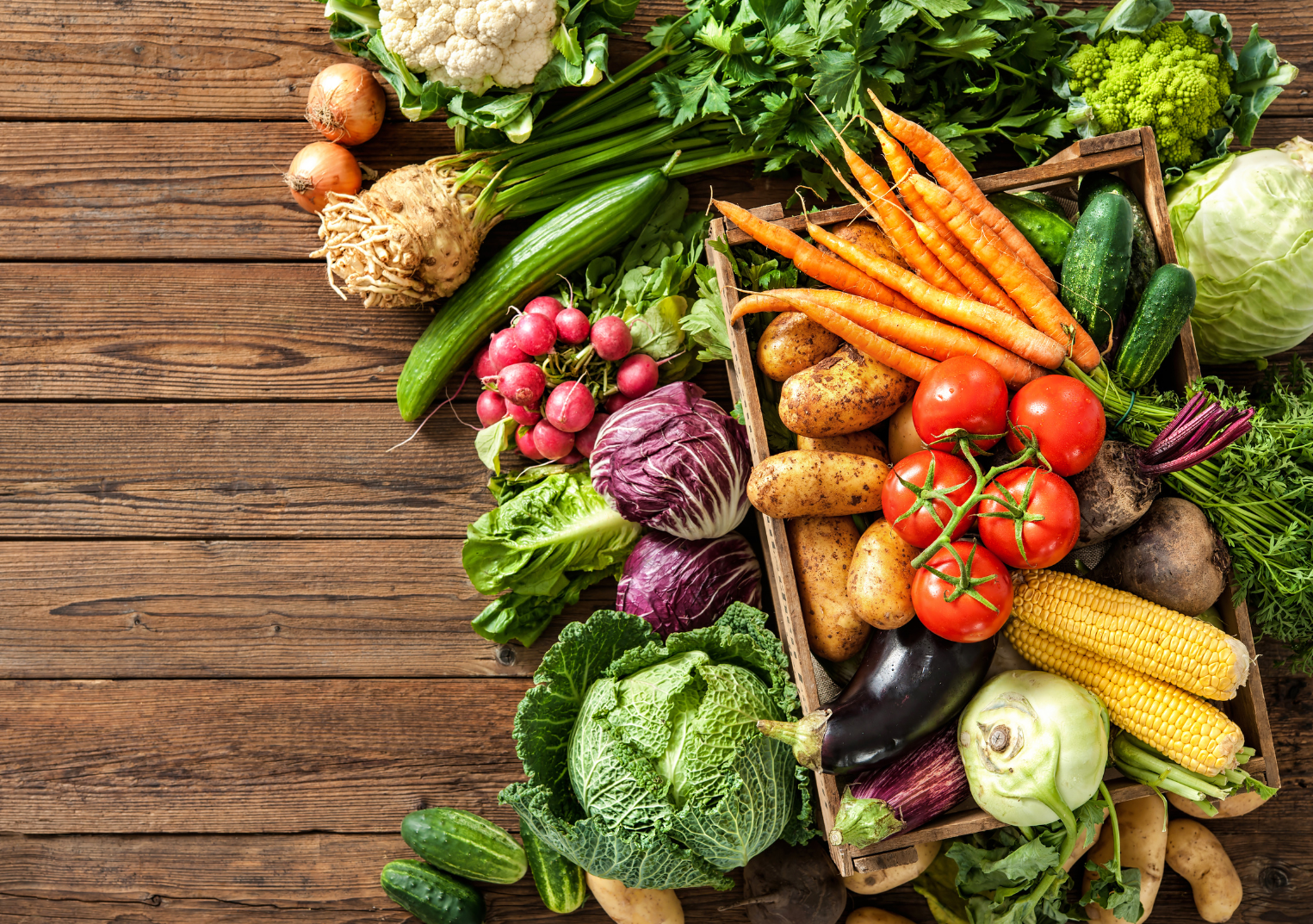
What does your ideal vegetable say about you? Possibly nothing that would survive peer reviewbut potentially plenty that will make your lunch break more entertaining.
Can a Vegetable Really Reveal Your Personality?
Imagine entering a farmers market and discovering that the produce has opinions about you. The broccoli thinks you are dependable. The bell pepper admires your creativity. Meanwhile, the onion knows what happened last Tuesday and is politely keeping quiet.
The Veggie ID Personality Test is a playful quiz that matches your habits, preferences, and social style with a vegetable personality type. It is not a psychological diagnosis, a nutritional assessment, or evidence that carrots can read your aura. It is simply a lighthearted way to explore recognizable personality traits through familiar foods.
Real personality research commonly examines broad dimensions such as openness, conscientiousness, extraversion, agreeableness, and emotional stability. A vegetable quiz cannot measure those traits with scientific precision. However, choices involving novelty, routine, flavor, texture, and presentation can start interesting conversations about how people approach everyday life.
Food preferences are shaped by many influences, including culture, childhood exposure, biology, availability, preparation methods, and past experiences. Someone who dislikes Brussels sprouts may not be resistant to change; they may simply have met a badly boiled sprout that smelled like a disappointed gym sock.
How to Take the Veggie ID Personality Test
Choose the answer that feels most natural for each question. Do not select the response that makes you sound impressive. This is not a job interview, and no zucchini is checking your résumé.
Record the letter attached to every answer. At the end, count how many times you selected A, B, C, D, E, or F. Your most frequent letter reveals your primary vegetable personality. If two letters tie, read both results. Human beings are complicated, and mixed salads exist for a reason.
Question 1: You receive an unexpected free afternoon. What happens next?
- I organize something that has been bothering me.
- I call friends and suggest an impromptu adventure.
- I begin a creative project with no practical purpose.
- I stay home, recharge, and enjoy the silence.
- I try a new restaurant, neighborhood, or activity.
- I help someone finish a task before relaxing.
Question 2: Which description best fits your workspace?
- Orderly, functional, and ready for action.
- Busy, colorful, and occasionally visited by snacks.
- Chaotic to outsiders but perfectly logical to me.
- Comfortable, calm, and protected from unnecessary noise.
- Constantly changing as new interests appear.
- Shared freely with anyone who needs help.
Question 3: How do you react when plans suddenly change?
- I create a replacement plan immediately.
- I enjoy the surprise and keep moving.
- I turn the disruption into something entertaining.
- I need a moment to adjust before responding.
- I become curious about where the change might lead.
- I first check whether everyone else is comfortable.
Question 4: What role do you usually play in a group?
- The reliable organizer.
- The energetic motivator.
- The idea generator.
- The thoughtful observer.
- The adventurous experimenter.
- The supportive peacemaker.
Question 5: Choose your ideal vegetable preparation.
- Simply roasted with olive oil and seasoning.
- Grilled with bold spices and a lively sauce.
- Cut into colorful shapes for an unusual dish.
- Simmered slowly in a comforting soup.
- Prepared in a cuisine I have never tried.
- Added to a generous meal made for sharing.
Question 6: What is your relationship with rules?
- Good rules keep life running efficiently.
- Rules are useful until they ruin the fun.
- I usually discover a more imaginative alternative.
- I follow rules that protect my peace and privacy.
- I question rules before deciding whether they make sense.
- I value rules that keep people safe and included.
Question 7: Pick the compliment you would most like to receive.
- “You always get things done.”
- “You make every gathering more exciting.”
- “You see possibilities nobody else notices.”
- “You are calm, sincere, and easy to trust.”
- “You are brave enough to try anything.”
- “You make people feel understood.”
Question 8: Which minor inconvenience irritates you most?
- Disorganization that could have been prevented.
- A dull event with no energy whatsoever.
- Being told, “We have always done it this way.”
- Constant interruptions when I need quiet.
- Having no choices or room to explore.
- Unnecessary conflict between people I care about.
Your Veggie Personality Results
Mostly A: The CarrotFocused, Practical, and Dependable
You are the carrot personality: grounded, useful, and quietly impressive. You appreciate clear goals, sensible systems, and people who arrive when they said they would. Others often trust you with important work because you notice details without turning every task into a three-act drama.
Carrots are culinary multitaskers. They can be eaten raw, roasted, blended into soup, or baked into a cake while technically preserving the word “vegetable.” Your similar strength is adaptability within structure. Your challenge is remembering that efficiency is not the only measure of a worthwhile afternoon.
Mostly B: The Bell PepperSocial, Bright, and Energetic
You bring color and momentum wherever you go. Like a crisp bell pepper, you are approachable, expressive, and comfortable mixing with many different personalities. You probably know how to restart a quiet conversation and may consider an empty weekend a problem requiring immediate treatment.
Your enthusiasm helps groups move forward, but it can occasionally overwhelm quieter companions. Leave room for pauses. Not every silence is an emergency, and not every dinner needs karaokealthough you will probably prepare a microphone just in case.
Mostly C: The CauliflowerCreative, Versatile, and Unexpected
You are imaginative and difficult to place in a single category. Cauliflower has appeared as rice, pizza crust, mash, wings, and several other disguises that startled traditional potatoes. Likewise, you enjoy reinventing familiar ideas and spotting possibilities where others see limitations.
Your creativity is valuable, but novelty can become distracting if every promising idea is abandoned for a shinier one. Choose a few experiments worth finishing. Also remember that transformation is optional: sometimes cauliflower is allowed to be cauliflower.
Mostly D: The PotatoComforting, Loyal, and Underestimated
You value stability, close relationships, and environments where people can relax. You may be reserved at first, but those who earn your trust discover warmth, humor, and impressive emotional depth. Like the potato, you are versatile without demanding applause for it.
Your calm presence can make you the person others seek during difficult moments. Just be careful not to hide your own needs beneath everyone else’s toppings. Even the strongest comfort-giver deserves rest, support, and the occasional metaphorical pat of butter.
Mostly E: The BroccoliCurious, Bold, and Growth-Oriented
You are drawn to challenges, unfamiliar ideas, and experiences that promise growth. Broccoli’s branching structure suits a mind that constantly asks, “What else could we try?” You may enjoy travel, unusual hobbies, experimental recipes, or conversations that begin with a simple question and end somewhere near the edge of the known universe.
Your openness is a strength, but endless exploration can make routines feel unfairly boring. Reliable habits provide the roots that support your branches. Adventure works better when somebody remembers to pay the electric bill.
Mostly F: The OnionEmpathetic, Layered, and Community-Minded
You notice emotional undercurrents that other people miss. Like an onion forming the flavor base of countless dishes, you often strengthen a group without demanding center stage. Friends appreciate your patience, loyalty, and ability to listen beyond the words being spoken.
Because you care deeply, you may absorb more responsibility than belongs to you. Healthy boundaries do not make you selfish; they keep generosity sustainable. Your many layers are a feature, not a warning label, although people may still cry when they get close.
What Your Vegetable Choices Actually Reflect
A vegetable personality quiz is designed for entertainment, but food choices themselves are influenced by real sensory and behavioral factors. Bitterness sensitivity can affect reactions to cruciferous vegetables such as kale, broccoli, cabbage, radishes, and Brussels sprouts. Texture, aroma, familiarity, cooking technique, and visual presentation also matter.
Food neophobiathe reluctance to eat unfamiliar foodsvaries among individuals and can be associated with less dietary variety. However, hesitation does not automatically indicate a closed personality. A person might avoid a vegetable because of a previous unpleasant meal, limited availability, allergies, cultural unfamiliarity, or a preparation method that turned dinner into damp landscaping.
Repeated, low-pressure exposure can make unfamiliar foods feel more acceptable, particularly for children, although adults can also retrain expectations. Trying a vegetable roasted instead of boiled, raw instead of cooked, or paired with a familiar sauce may produce a completely different experience.
The distinction between a fruit and a vegetable can also be surprisingly slippery. In botany, tomatoes, cucumbers, peppers, squash, and eggplants are fruits because they develop from flowers and contain seeds. In the kitchen, they are commonly treated as vegetables because of their savory uses. Fortunately, the Veggie ID Personality Test does not employ produce police.
Turn Your Result Into a Vegetable Challenge
The strongest nutritional lesson behind this quiz is not that everyone needs a single vegetable soulmate. Variety matters because no one vegetable supplies every nutrient or beneficial plant compound. U.S. dietary guidance separates vegetables into dark-green, red and orange, starchy, beans-peas-and-lentils, and other vegetable groups.
Use your result as the beginning of a five-step produce experiment:
- Start with your match. Prepare the vegetable associated with your result in a way you already enjoy.
- Choose a contrasting color. If your match is broccoli, add carrots, tomatoes, pumpkin, or red peppers.
- Change the texture. Compare raw, steamed, grilled, roasted, blended, or lightly sautéed versions.
- Borrow a flavor tradition. Try vegetables with Mediterranean herbs, Mexican chiles, Indian spices, Japanese miso, or another culturally appropriate combination.
- Invite a friend. Compare quiz outcomes over a shared meal and debate whether the cauliflower result is accurate or merely being cauliflower again.
Handle fresh produce safely during the experiment. Wash your hands before preparation, rinse vegetables under running water, and scrub firm produce with a clean brush. Soap, detergent, bleach, and commercial washes are not recommended for cleaning produce. Keep vegetables that will be eaten raw separate from raw meat and the utensils used to prepare it.
Experiences With the Veggie ID Personality Test
The Office Lunch Experiment
One of the most entertaining ways to use the test is during a team lunch. In one imagined workplace trial, the project manager received the Carrot result and nodded as if an independent auditing firm had confirmed it. The designer became Cauliflower, which surprised nobody because her desktop contained 47 folders named “final.” The outgoing sales representative landed on Bell Pepper and immediately proposed matching team T-shirts.
The results created a relaxed opening for people to discuss how they prefer to work. The Potato personalities wanted advance notice before meetings. Bell Peppers enjoyed brainstorming aloud, while Onions preferred smaller conversations where everyone had time to contribute. The quiz did not scientifically classify employees, but it gave them friendly language for describing genuine differences.
A Family Taste-Test Night
A family can combine the veggie personality test with a blind taste test. Place small portions of safely prepared vegetables on numbered plates and include different textures: raw carrots, roasted broccoli, grilled peppers, mashed cauliflower, baked potato wedges, and caramelized onions.
Participants may discover that the cooking method matters more than the vegetable itself. A child who rejects soft broccoli may enjoy crisp roasted florets. An adult convinced that cauliflower is flavorless may reconsider after tasting it with garlic, lemon, and herbs. Nobody should be pressured to eat a food they strongly dislike, and allergies or dietary restrictions must always take priority.
Our fictional family’s self-proclaimed Potato turned out to love spicy peppers, while the adventurous Broccoli refused to approach an onion. The contradiction was useful. It demonstrated that playful personality labels are conversation starters rather than rigid boxes.
Trying the Test Alone
Taking the quiz alone can prompt a different kind of reflection. Perhaps you choose organized answers at work but crave novelty during your free time. You may identify with the Onion’s empathy and the Carrot’s reliability, or alternate between Bell Pepper energy and Potato-level hibernation depending on the week.
That mixed result is not a scoring failure. Personality is broader than a handful of quiz questions, and behavior changes across settings. Instead of asking whether the vegetable description is perfectly accurate, notice which sentences feel true and which provoke resistance. Sometimes the most interesting response is, “Absolutely notand here is why.”
The Seven-Day Veggie ID Challenge
A longer experience begins after the result appears. For seven days, try one vegetable from a different color or subgroup each day. Keep a simple record of appearance, aroma, texture, flavor, preparation method, and willingness to eat it again. Avoid declaring a vegetable permanently terrible after one attempt; an overcooked specimen is not a fair ambassador for its species.
By the final day, many participants would likely have a more precise understanding of their preferences. Someone may learn that bitterness is acceptable when balanced with acidity, that roasting improves sweetness, or that crunchy textures are more appealing than soft ones. Even when no new favorite emerges, the experiment turns a humorous online quiz into practical food exploration.
Sharing Results Without Turning Into the Produce Zodiac
Posting a result online can invite amusing comparisons: “I knew you were an Onion,” or “This explains your emergency bell pepper supply.” Keep the tone playful. A quiz result should never be used to judge someone’s mental health, intelligence, compatibility, or dietary quality.
The best experience comes from treating the Veggie ID Personality Test as a small celebration of human and culinary variety. People contain contradictions; vegetables contain vitamins, minerals, fiber, water, and enough botanical confusion to keep dinner conversations busy. Both deserve more curiosity and fewer snap judgments.
Final Verdict: Which Vegetable Are You?
Your result may identify you as a practical Carrot, lively Bell Pepper, inventive Cauliflower, comforting Potato, adventurous Broccoli, or empathetic Onion. It may also confirm that you are a complicated vegetable medley who refuses to be confined to one produce bin.
Enjoy the description, compare it with friends, and use it as motivation to explore new flavors. Personality quizzes are most useful when they encourage conversation and self-reflection without pretending to deliver clinical truth. The healthiest takeaway is simple: embrace variety in your meals, remain curious about your preferences, and never underestimate what proper roasting can accomplish.
Note: This Veggie ID Personality Test is intended for entertainment and general educational purposes only. It is not a validated psychological instrument, medical assessment, or substitute for professional nutrition advice.