A sprained ankle has a special talent for turning an ordinary day into a dramatic slow-motion sports replay. One second you are walking, jogging, playing basketball, stepping off a curb, or heroically carrying groceries; the next second your ankle rolls, your dignity leaves the building, and you are suddenly very interested in ice packs.
The good news is that most ankle sprains heal well with smart home care, patience, and the right rehabilitation plan. The not-so-good news? “Just walk it off” is not a treatment plan. A sprain involves stretched or torn ligaments, and those ligaments need protection first, then movement, then strength and balance training. The fastest recovery is not the most aggressive recovery. It is the recovery that gives your ankle exactly what it needs at each stage.
This guide explains how to heal a sprained ankle, what to do in the first 48 hours, when to start exercises, how long recovery may take, and when it is time to stop Googling and see a healthcare professional.
What Is a Sprained Ankle?
A sprained ankle happens when one or more ligaments around the ankle stretch beyond their normal range or tear. Ligaments are tough bands of tissue that help stabilize joints. Most ankle sprains occur when the foot twists inward, stressing the ligaments on the outside of the ankle. This can happen during sports, on uneven sidewalks, while wearing unstable shoes, or during that sneaky moment when a stair appears to be one inch closer than it actually is.
Common Symptoms of an Ankle Sprain
Typical symptoms include ankle pain, swelling, bruising, tenderness, stiffness, and difficulty bearing weight. Some people feel or hear a “pop” at the time of injury. A mild sprain may feel sore but manageable. A severe sprain can make walking nearly impossible and may look alarmingly purple, swollen, or unstable.
Because sprains and fractures can feel similar, severe pain, obvious deformity, numbness, inability to take a few steps, or swelling that does not improve should be evaluated by a medical professional. Your ankle is not being dramatic for attention. Sometimes it really does need an X-ray.
How Long Does a Sprained Ankle Take to Heal?
Recovery time depends on the severity of the sprain, your overall health, how quickly you treat it, and whether you follow through with rehabilitation. In general:
- Grade 1 sprain: Mild stretching or tiny tears. Recovery may take about 1 to 2 weeks.
- Grade 2 sprain: Partial ligament tear with more swelling and bruising. Recovery may take 3 to 6 weeks.
- Grade 3 sprain: Complete ligament tear with major instability. Recovery can take several months and may require immobilization, physical therapy, or rarely surgery.
The goal is not only to make the pain disappear. The real goal is to restore motion, strength, balance, and confidence so the ankle does not become a repeat offender.
First 24 to 48 Hours: Protect the Ankle and Control Swelling
The first stage of sprained ankle recovery is about calming the injury. Think of your ankle as an angry email: do not immediately reply with chaos. Pause, protect it, and reduce the inflammation.
Use the RICE Method
RICE stands for rest, ice, compression, and elevation. It is a classic early-care approach for sprains and other soft-tissue injuries.
- Rest: Stop the activity that caused the injury. Avoid painful walking, running, jumping, or “testing it” every five minutes like your ankle is a new phone feature.
- Ice: Apply a cold pack wrapped in a towel for 15 to 20 minutes at a time. Do not place ice directly on the skin.
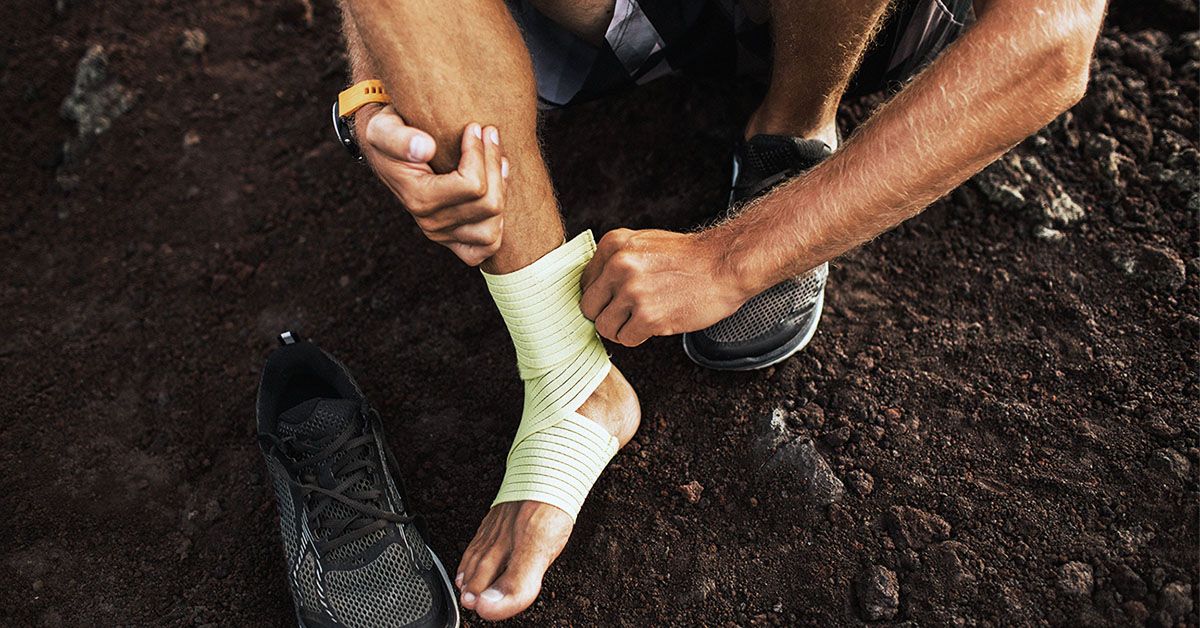
- Compression: Use an elastic bandage or ankle wrap to help limit swelling. It should feel snug, not like your foot is being held hostage.
- Elevation: Raise the ankle above heart level when possible, especially during the first day or two.
Should You Walk on a Sprained Ankle?
Only walk as much as your pain allows. If you limp heavily, feel sharp pain, or cannot bear weight, use crutches or seek medical care. Gentle weight-bearing can be helpful as symptoms improve, but forcing the ankle too early can delay healing and increase the risk of another sprain.
Pain Relief: What Can Help?
Over-the-counter pain relievers may help manage discomfort. Acetaminophen can reduce pain, while nonsteroidal anti-inflammatory drugs such as ibuprofen or naproxen may reduce pain and swelling for some people. However, not everyone should take NSAIDs, especially people with certain stomach, kidney, bleeding, heart, or medication-related risks. When in doubt, ask a pharmacist or healthcare provider.
Topical pain-relief gels, rest, ice, and supportive bracing can also make the first few days more comfortable. Avoid alcohol-based “miracle rubs,” aggressive massage, or heat during the early swollen phase. Heat may feel cozy, but swelling does not need a spa day right after injury.
After the First Few Days: Start Gentle Movement
Once severe pain begins to settle, gentle movement becomes important. Too much rest for too long can lead to stiffness, weakness, and slower return to normal activity. The trick is to move without provoking sharp pain.
Simple Range-of-Motion Exercises
Try these only if they do not cause significant pain:
- Ankle circles: Slowly rotate the foot clockwise and counterclockwise.
- Ankle alphabet: Use your big toe to “write” the alphabet in the air.
- Toe points and flexes: Point your toes away, then pull them gently toward your shin.
- Towel stretch: Sit with your leg straight, loop a towel around the ball of your foot, and gently pull until you feel a stretch in the calf.
These movements help restore flexibility and circulation. They are not meant to be a toughness contest. If your ankle sends a loud pain signal, listen.
Build Strength for a Faster, Safer Recovery
When walking becomes easier and swelling is improving, strengthening exercises help rebuild support around the joint. Weak ankles are more likely to roll again, and nobody wants a sequel called “Sprained Ankle 2: The Limp Returns.”
Helpful Strengthening Exercises
- Calf raises: Hold a chair or wall, rise onto your toes, then slowly lower. Start with both feet before progressing to one foot.
- Resistance band pushes: Use a resistance band to gently push the foot up, down, inward, and outward.
- Seated heel raises: Sit with feet flat, lift your heels, then lower slowly.
- Towel scrunches: Place a towel on the floor and use your toes to pull it toward you.
Start small. A few controlled repetitions are better than a heroic workout that leaves your ankle puffier than a marshmallow in hot chocolate.
Do Not Skip Balance Training
Balance training is one of the most overlooked parts of ankle sprain recovery. After a sprain, the ankle’s sense of position, known as proprioception, can become less reliable. That means your body may not react quickly enough when your foot lands awkwardly.
Beginner Balance Drills
- Single-leg stand: Stand near a wall or counter and balance on the injured foot for 10 to 20 seconds.
- Single-leg stand with head turns: Once steady, gently turn your head side to side.
- Tandem stance: Stand with one foot directly in front of the other, like you are on a tightrope.
- Soft-surface balance: Later, try standing on a folded towel or cushion for a greater challenge.
Balance work should feel challenging but safe. If you are wobbling like a baby deer on roller skates, stay close to support.
Compression, Braces, and Support: What Works?
An elastic wrap can help control swelling in the early stage. A lace-up ankle brace or semi-rigid brace may provide support as you return to daily activities. Athletes and active people may benefit from bracing or taping during the return-to-sport phase, especially if they have had previous ankle sprains.
Make sure any wrap or brace does not cut off circulation. Warning signs include numbness, tingling, cold toes, blue or pale skin, or increasing pain below the wrap. Your ankle needs support, not a medieval compression device.
What to Eat for Recovery
No food can magically knit a ligament overnight, but nutrition supports healing. Focus on protein, colorful fruits and vegetables, whole grains, healthy fats, and plenty of fluids. Protein helps tissue repair. Vitamin C supports collagen formation. Vitamin D and calcium support bone and muscle health. Zinc plays a role in wound healing and immune function.
Good recovery meals might include eggs with whole-grain toast and fruit, salmon with rice and vegetables, Greek yogurt with berries, chicken soup, tofu stir-fry, or beans with avocado and greens. In other words, give your body building materials, not just chips and emotional support cookies. Although, emotionally speaking, one cookie may be understandable.
What Not to Do With a Sprained Ankle
Fast recovery often depends on avoiding common mistakes. Here are the big ones:
- Do not return to sports too soon. Pain-free walking is not the same as being ready for basketball, soccer, running, or pickleball glory.
- Do not ignore major swelling or bruising. Severe symptoms may signal a more serious injury.
- Do not wrap too tightly. Compression should help swelling, not create new problems.
- Do not skip rehab exercises. Rest reduces pain; rehab restores function.
- Do not rely only on pain level. Strength, balance, and range of motion matter too.
When to See a Doctor
Seek medical care if you cannot bear weight, have severe pain, notice deformity, experience numbness, have rapidly worsening swelling, or suspect a fracture. You should also get evaluated if pain and swelling do not improve after a few days of home care or if symptoms persist for several weeks.
A clinician may perform a physical exam and order imaging if needed. Treatment may include a brace, walking boot, crutches, physical therapy, or a more specific rehabilitation plan. Severe sprains sometimes need longer immobilization and guided therapy.
How to Return to Exercise Safely
Returning to activity should be gradual. Before running, jumping, or playing sports, you should be able to walk normally without pain, move the ankle through a comfortable range of motion, balance on the injured side, and perform basic strength exercises without swelling afterward.
A Practical Return-to-Activity Progression
- Daily walking: Start with short, pain-free walks.
- Low-impact cardio: Try cycling, swimming, or elliptical work if comfortable.
- Strength and balance: Add calf raises, band exercises, and single-leg drills.
- Light jogging: Begin on flat ground, not hills or uneven trails.
- Sport-specific drills: Add cutting, pivoting, jumping, and quick direction changes only when ready.
If swelling or pain returns after activity, scale back. Recovery is not a straight line; it is more like a polite negotiation with your ligaments.
Tips for Preventing Another Sprained Ankle
Once you sprain an ankle, the risk of another sprain can increase, especially if strength and balance are not fully restored. Prevention matters.
- Warm up before exercise.
- Wear supportive shoes that match your activity.
- Use an ankle brace or tape during sports if recommended.
- Keep doing balance and strengthening exercises even after symptoms improve.
- Be careful on uneven ground, wet surfaces, and stairs.
- Replace worn-out athletic shoes.
Real-Life Recovery Experiences: What a Sprained Ankle Teaches You
Anyone who has had a sprained ankle knows the injury is not just physical. It is also logistical, emotional, and occasionally ridiculous. Suddenly the distance from the couch to the kitchen feels like a hiking expedition. Stairs become villains. Shoes become complicated negotiations. And every person who sees you limping becomes an honorary ankle expert.
One common experience is underestimating the injury on day one. Many people think, “It is probably fine,” then continue walking, shopping, working, or playing. By evening, the ankle looks like it has quietly inflated itself in protest. This is why early rest, ice, compression, and elevation matter. The first 24 to 48 hours can set the tone for the rest of recovery. People who stop, protect the ankle, and reduce swelling early often have an easier time regaining movement later.
Another lesson is that healing is not the same as waiting. At first, rest is essential. But after the early pain settles, doing nothing for weeks can leave the ankle stiff and weak. Many people feel surprised when a healthcare provider or physical therapist recommends gentle movement. They expect total stillness, but controlled motion often helps the joint recover. The key word is controlled. There is a big difference between ankle circles on the couch and sprinting after a bus because optimism briefly defeated common sense.
People also discover that balance is harder than expected. Standing on one foot after an ankle sprain can feel strangely difficult, even for active adults. That wobble is not weakness of character; it is a sign that the ankle’s stability system needs retraining. Balance drills may look simple, but they are powerful. A person may start by holding the kitchen counter for five seconds and eventually progress to single-leg stands, calf raises, and sport-specific drills. Small wins matter.
Footwear becomes another memorable part of recovery. Supportive shoes can make walking feel safer, while flimsy sandals may make the ankle feel exposed and nervous. Many people learn the hard way that “cute but unstable” shoes are not ideal during recovery. A brace can also provide confidence, especially when returning to errands, work, or light activity. It should not replace strengthening, but it can act like a helpful seat belt while the ankle rebuilds trust.
The most frustrating experience is the temptation to return too soon. When pain fades, it is easy to assume the ankle is fully healed. Then comes one quick pivot, one uneven patch of grass, or one casual game with friends, and the ankle reminds you that ligaments do not care about your social calendar. A smarter approach is to test readiness gradually: normal walking first, then low-impact exercise, then strength and balance work, then jogging, then more demanding movement.
Finally, a sprained ankle teaches patience. Recovery may feel slow, but every careful step counts. Elevating the ankle, doing gentle exercises, eating well, sleeping enough, and resisting the urge to rush are not boring details. They are the foundation of a strong comeback. The ankle may be small compared with the rest of the body, but when it is injured, it becomes the boss. Listen to it, train it, and it will usually forgive you.
Conclusion
Healing a sprained ankle quickly is really about healing it wisely. Start by protecting the ankle, reducing swelling, and using rest, ice, compression, and elevation during the early stage. As pain improves, add gentle range-of-motion exercises, then strengthening, balance training, and gradual return to activity. Avoid rushing back to sports or intense workouts before the ankle is ready.
Most mild sprains recover with home care, but severe pain, inability to walk, numbness, deformity, or symptoms that do not improve should be checked by a healthcare professional. A properly treated ankle sprain can heal well, but a neglected one can turn into chronic weakness, instability, and repeat injuries. Treat your ankle like it mattersbecause every step you take says it does.