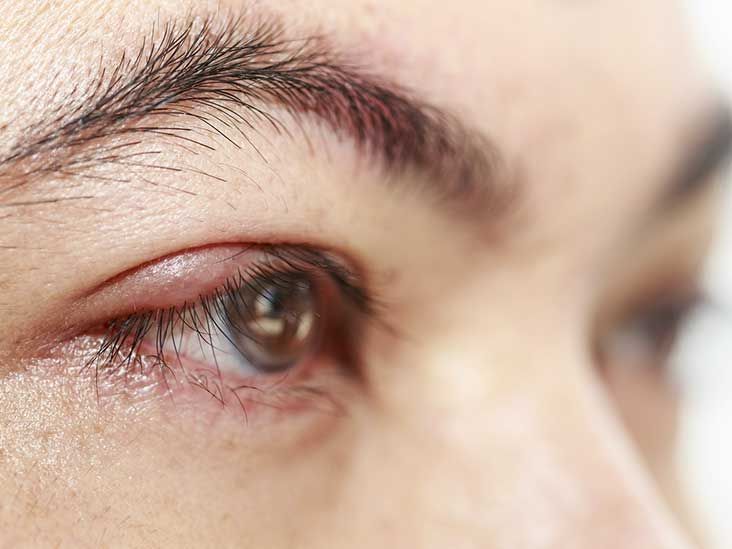
A purple, reddish-violet, or dusky rash around the eyes may sound like something a makeup tutorial could fix. Sometimes it is harmless irritation. But when the discoloration is persistent, paired with eyelid swelling, itching, fatigue, or new muscle weakness, it may be a heliotrope rash.
A heliotrope rash is one of the signature skin signs of dermatomyositis, an uncommon inflammatory disease that can affect the skin, muscles, lungs, swallowing muscles, and other parts of the body. The name sounds delightfully botanical, but this rash is not a flower-inspired beauty trend. It is a medical clue worth taking seriously.
This guide explains what a heliotrope rash looks like, why it happens, how doctors diagnose the underlying condition, and what treatment usually involves. It also covers practical ways to protect irritated skin while you work with a medical team on the bigger picture.
What Is a Heliotrope Rash?
A heliotrope rash is a reddish-purple, violet, brownish-purple, or darkened rash that appears on the upper eyelids and the skin around the eyes. It may come with puffiness, itching, burning, dryness, or tenderness. In some people, the eyelids become noticeably swollen; in others, the color change is more obvious than the swelling.
It is called “heliotrope” because the color can resemble the violet shade associated with heliotrope flowers. The rash is strongly linked with dermatomyositis, a condition that causes inflammation in the skin and, in many cases, the muscles. Heliotrope eyelids and Gottron’s papules, which are raised reddish or purple bumps over the knuckles, are among the most recognizable clues doctors look for when evaluating dermatomyositis.
What Does a Heliotrope Rash Look Like?
The appearance varies from person to person. On lighter skin, the rash may look pinkish-purple, red-violet, or lilac. On deeper skin tones, it may look darker than surrounding skin, grayish-purple, brownish, or more like persistent shadowing and swelling than bright redness. The rash may affect both eyes, although the intensity may not be perfectly symmetrical.
It can also be easy to dismiss at first. People may assume they are dealing with allergies, lack of sleep, a new eye cream, seasonal irritation, or a truly unfortunate encounter with a mascara wand. The difference is that a heliotrope rash often lingers, may worsen after sun exposure, and can occur alongside other signs of inflammatory disease.
Why Does a Heliotrope Rash Happen?
A heliotrope rash usually develops because of inflammation related to dermatomyositis. Dermatomyositis is considered an immune-mediated inflammatory disease, meaning the immune system becomes overactive and contributes to inflammation in the skin and, often, the muscles. Researchers do not know one single cause of dermatomyositis. Instead, it appears to involve a mix of immune-system activity, genetic susceptibility, and environmental triggers.
Inflammation can affect tiny blood vessels that support the skin and muscles. This may contribute to the color change, puffiness, irritation, and sun sensitivity seen in a heliotrope rash. The skin around the eyes is thin and delicate, so inflammation there tends to be especially noticeable. Unfortunately, eyelids are not known for keeping a secret.
Possible Factors Linked With Dermatomyositis
Doctors may consider several possible contributors when someone has signs of dermatomyositis. These can include immune-system changes, a family tendency toward autoimmune disease, certain infections, medication exposures, and, in some adults, an association with an underlying cancer. Importantly, this does not mean that everyone with a heliotrope rash has cancer. It means a clinician may recommend age-appropriate and risk-based screening as part of a careful evaluation.
Dermatomyositis can affect children and adults. In adults, doctors are especially attentive to a person’s medical history, symptoms, blood test results, and other individual risk factors when deciding what additional screening may be appropriate.
Heliotrope Rash and Dermatomyositis: The Important Connection
Dermatomyositis is part of a group of conditions called inflammatory myopathies. “Myopathy” simply means muscle disease. The “dermato” part refers to the skin findings that make dermatomyositis different from some other muscle disorders.
The heliotrope rash can appear before muscle weakness becomes obvious. This is one reason it matters: a person may first notice a stubborn eyelid rash before realizing that climbing stairs, getting up from a chair, lifting groceries, washing their hair, or reaching a high shelf has become harder than usual.
Can You Have a Heliotrope Rash Without Muscle Weakness?
Yes. Some people have clinically amyopathic dermatomyositis, meaning they develop characteristic skin symptoms without obvious muscle weakness. Muscle enzyme tests can also be normal in some cases. That does not make the rash unimportant or “just cosmetic.” People with skin-predominant disease may still need careful monitoring for complications, including lung involvement.
This is why a heliotrope rash deserves more than a casual guess from a bathroom mirror. A dermatologist, rheumatologist, neurologist, or primary care clinician may need to evaluate the full pattern of symptoms.
Other Symptoms That May Appear With a Heliotrope Rash
A heliotrope rash is rarely the only clue. Other symptoms of dermatomyositis may include:
- Muscle weakness in the hips, thighs, shoulders, upper arms, neck, or upper back.
- Difficulty climbing stairs, standing from a seated position, or lifting objects overhead.
- Raised, scaly, pink, red, purple, or darkened bumps over the knuckles, elbows, knees, or toes.
- A rash across the upper chest, shoulders, neck, or upper back, sometimes called a shawl sign.
- Scalp itching, flaking, tenderness, or hair thinning.
- Fatigue, joint pain, fever, or unexplained weight changes.
- Shortness of breath, a persistent cough, or trouble swallowing.
Some symptoms may be subtle at first. For example, someone might blame weak thighs on “getting older,” blame a rash on sunscreen, and blame fatigue on a busy schedule. Human beings are remarkably skilled at explaining away early symptoms, especially when there is laundry to fold and emails to answer.
Still, trouble swallowing, breathing changes, or rapidly worsening weakness should be evaluated promptly because dermatomyositis can sometimes affect muscles involved in swallowing and breathing.
How Doctors Diagnose a Heliotrope Rash
There is no single test that confirms every case of dermatomyositis. Diagnosis usually involves putting several pieces together: the skin findings, muscle symptoms, examination results, blood tests, imaging, and sometimes a biopsy.
Medical History and Physical Examination
A clinician will ask when the rash began, whether sunlight worsens it, whether you have noticed weakness, and whether you have other symptoms such as cough, joint pain, swallowing difficulty, or fatigue. They may examine your eyelids, knuckles, nail folds, scalp, chest, back, arms, and legs for other typical signs.
Blood Tests and Autoantibodies
Doctors may check muscle enzymes such as creatine kinase, aldolase, AST, ALT, and LDH. These tests can help identify muscle inflammation, although normal results do not always rule out dermatomyositis. Blood work may also include antinuclear antibodies and myositis-specific antibodies that can provide useful clues about disease patterns and possible risks.
Imaging, EMG, and Biopsy
Depending on the situation, doctors may order an MRI to look for inflammation in muscles, an electromyography test to evaluate muscle and nerve activity, or a skin or muscle biopsy. A biopsy is not always required, but it can help clarify a diagnosis when the clinical picture is uncertain.
Cancer Screening and Organ Checks
For adults with newly diagnosed dermatomyositis, a clinician may discuss cancer screening based on age, sex, personal history, family history, symptoms, antibody findings, and routine screening needs. The goal is careful prevention and early detection, not panic. Doctors may also assess lung function, swallowing, heart symptoms, and other possible areas of involvement when indicated.
How Is a Heliotrope Rash Treated?
Treatment focuses on controlling the underlying inflammation, protecting the skin, preventing complications, and helping a person maintain strength and day-to-day function. The exact plan depends on whether the condition affects only the skin or also involves muscles, lungs, swallowing, or other organs.
Sun Protection Is Not Optional
Ultraviolet light can worsen dermatomyositis skin disease and trigger flares. Daily sun protection is usually a core part of management. This can include broad-spectrum sunscreen, protective clothing, sunglasses, wide-brimmed hats, seeking shade, and avoiding tanning beds. Think of UV protection as medical equipment with a better wardrobe budget.
For a heliotrope rash, sunglasses and hats are especially useful because they help shield the eyelid area, where sunscreen can sometimes sting. A dermatologist can recommend products that are less likely to irritate sensitive skin around the eyes.
Topical Treatments for Skin Symptoms
A clinician may recommend prescription creams or ointments to reduce inflammation and itching. Because eyelid skin is thin, treatment must be chosen carefully. Strong topical steroid creams may not be appropriate for unsupervised use around the eyes, especially for prolonged periods. In some cases, doctors may use nonsteroidal anti-inflammatory topical medications or carefully selected short-term therapies.
Gentle skin care can also help. Fragrance-free cleansers, bland moisturizers, cool compresses, and avoiding irritating cosmetics may reduce discomfort. This will not cure dermatomyositis, but it can make the rash less miserable while larger treatment decisions are underway.
Systemic Medications for Dermatomyositis
When dermatomyositis affects muscles or causes widespread, persistent skin disease, treatment may include oral or intravenous corticosteroids to control inflammation quickly. Because long-term steroid use can cause significant side effects, doctors often add steroid-sparing medicines such as methotrexate, mycophenolate mofetil, azathioprine, or other immunosuppressive therapies when appropriate.
Hydroxychloroquine may be considered for some skin symptoms, although it is not right for everyone and requires medical monitoring. Intravenous immunoglobulin, commonly called IVIG, is another option for selected adults with dermatomyositis. In the United States, Octagam 10% is FDA-approved for the treatment of dermatomyositis in adults.
Medication plans should always be individualized. The best treatment for a person with a mild eyelid rash and no muscle weakness may look very different from the treatment for someone with major muscle weakness, swallowing trouble, or lung involvement.
Physical Therapy and Safe Movement
When muscles are affected, physical therapy and carefully paced exercise can help preserve mobility, rebuild strength, and reduce the risk of deconditioning. The key word is “carefully.” Trying to power through severe inflammation with an aggressive boot-camp routine is usually not the answer. A physical therapist or rehabilitation specialist can help tailor activity to the person’s strength and disease activity.
What Not to Do When You Notice a Purple Eyelid Rash
First, do not assume it is simply allergies if it persists, worsens, or appears with weakness and fatigue. Second, avoid using leftover prescription creams around your eyes without medical advice. Eyelid skin is thin, and some medications can cause problems when used improperly near the eyes.
It is also wise not to rely solely on concealer, color-correcting makeup, or social media diagnosis. Makeup can be useful for confidence and comfort, but it should not become camouflage for a symptom that needs evaluation. A heliotrope rash is not a personal failure, a skincare mistake, or proof that you picked the wrong eye serum. It is a possible sign that your body needs attention.
When to Seek Medical Care Quickly
Make an appointment with a healthcare professional if you develop a persistent purple, red, darkened, or swollen rash around the eyes, especially if you also have new muscle weakness, joint pain, shortness of breath, cough, swallowing problems, unexplained fatigue, or other unusual rashes.
Seek urgent medical attention for trouble breathing, choking, difficulty swallowing liquids, sudden severe weakness, chest pain, or rapidly worsening symptoms. These symptoms can signal complications that should not wait for a “let’s see how it looks next week” approach.
Living With a Heliotrope Rash: The Outlook
A heliotrope rash can improve when the underlying inflammation is treated, although the timeline varies. Some people see skin symptoms improve before muscle symptoms; others find that the rash is the most stubborn part of the condition. Sun exposure, stress, infections, medication changes, and inconsistent treatment can contribute to flares.
The most important takeaway is that a heliotrope rash is treatable, but it deserves a proper diagnosis. Early medical care can help control inflammation, protect muscles and organs, reduce skin discomfort, and give people a clearer path forward.
Experiences With Heliotrope Rash: What People Often Learn Along the Way
The following examples are composite educational scenarios based on common experiences reported in clinical settings. They are not individual patient stories, and they are not a substitute for medical care.
One common experience is the “I thought it was allergies” phase. A person notices puffy, discolored eyelids after being outdoors, trying a new face product, or sleeping badly for several nights. They switch moisturizers, take an antihistamine, and wait for things to settle down. But the color lingers. Then they notice their arms feel heavy while blow-drying their hair, or climbing stairs feels strangely difficult. The lesson is not that every eye rash is serious. It is that persistent symptoms deserve a second look when they begin traveling in a group.
Another common experience is frustration with the appearance of the rash. The face is the part of the body people see first, so a heliotrope rash can feel emotionally loud even when other symptoms are more medically important. Some people feel self-conscious at work, in photographs, or on video calls. Others become tired of comments like, “Are you okay?” or “Did you get enough sleep?” Supportive makeup, sunglasses, and gentle skin-care routines can help with confidence, but many people also benefit from simply naming what is happening rather than pretending it is nothing.
Sun exposure is another major learning curve. A person may start treatment and feel encouraged, only to spend a sunny afternoon gardening, walking at the beach, or sitting near a bright window and then notice the rash becoming more active. This can feel unfair because sunshine is usually marketed as cheerful, healthy, and practically required for a decent weekend. With dermatomyositis, though, UV protection often becomes part of the treatment plan. People learn to keep hats, sunglasses, sunscreen, and protective clothing nearby in the same way they keep keys or a phone charger.
Many people also discover that progress is rarely perfectly linear. A rash may fade, then flare. Muscle strength may improve slowly. Medication adjustments can take time. Follow-up appointments, blood tests, and conversations about side effects become part of the routine. The most useful mindset is often to track changes rather than judge every day as a success or failure. Notes about weakness, skin changes, sunlight exposure, sleep, cough, swallowing symptoms, and medication reactions can give the medical team clearer information.
Finally, people often learn that asking for help is practical, not dramatic. Dermatomyositis can involve dermatologists, rheumatologists, neurologists, pulmonologists, physical therapists, eye specialists, and primary care clinicians. That can sound like a medical version of assembling the Avengers, but coordinated care matters. A heliotrope rash may be the visible signal that brings someone into care. With the right evaluation and treatment plan, it can become the first clue that leads to better symptom control, stronger daily function, and a clearer understanding of what the body needs.