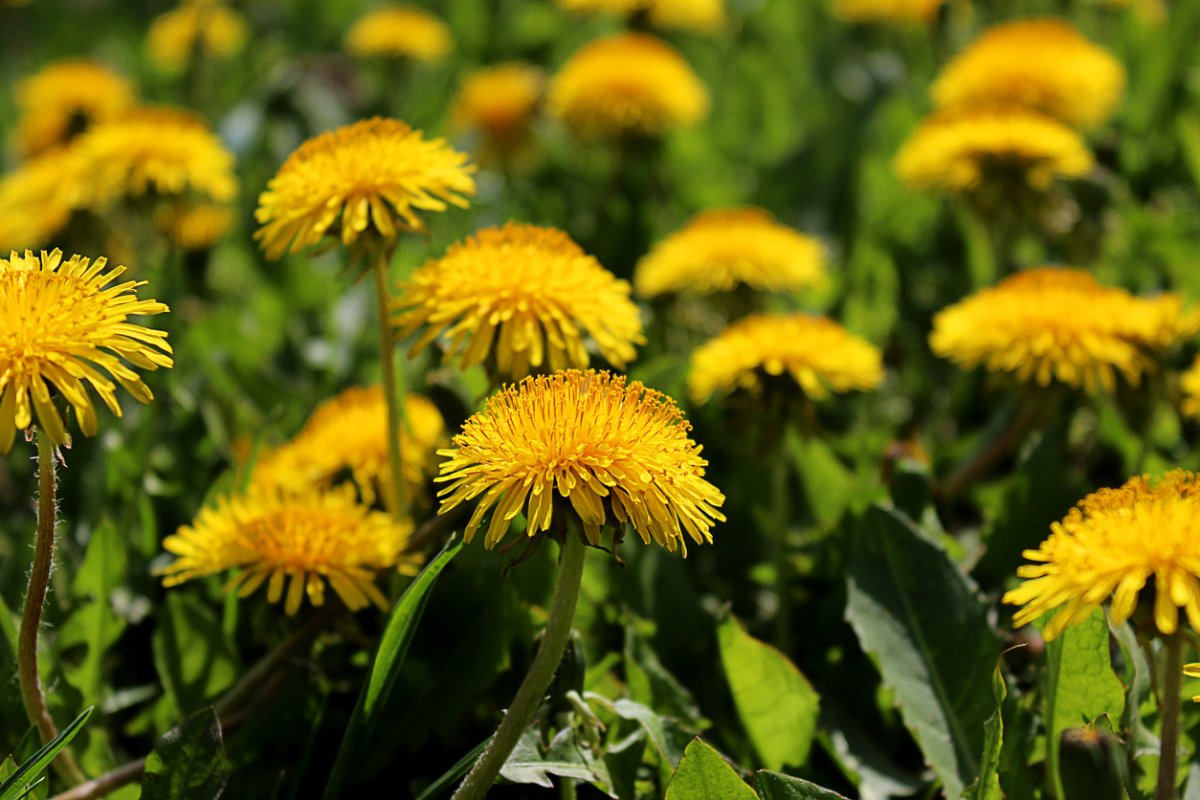
Most gardeners treat weeds like uninvited guests who have located the snack table and refuse to leave. The natural reaction is to pull, spray, hoe, glare, and possibly mutter a few words that cannot be printed on a seed packet. Before removing the evidence, however, take a closer look. The weeds in your lawn and garden may reveal useful information about soil compaction, drainage, fertility, moisture, sunlight, and pH.
That does not mean one dandelion can perform a complete soil analysis while wearing a tiny lab coat. Weeds are clues, not verdicts. A plant may grow under several conditions, and its presence can also reflect mowing height, irrigation habits, foot traffic, disturbed ground, or a buried seed bank. Scientific evidence supporting rigid weed-to-soil diagnosis is limited, so gardeners should use indicator weeds as a reason to investigatenot as a replacement for testing.
Why Certain Weeds Become Soil Messengers
Every plant has preferences. Some tolerate low oxygen around their roots. Others handle drought, shade, low nitrogen, acidic conditions, or heavy traffic better than turfgrass and garden vegetables. When desirable plants struggle, opportunistic weeds often occupy the open space. University extension specialists therefore describe some weeds as indicator species: plants whose repeated presence suggests environmental conditions that deserve investigation.
The key word is suggests. Indicator weeds are best used like dashboard warning lights. They tell you where to look, but they do not identify every mechanical problem under the hood. Confirm the clue with a soil test, a drainage check, a simple compaction test, and a review of how the area is being managed.
Look for patterns, not individual plants
A single plantain beside the sidewalk may have arrived because a seed hitched a ride on a shoe. A broad patch of plantain, knotweed, and sparse turf along the same route is stronger evidence of compacted soil. Likewise, one yellow nutsedge plant does not prove that the yard is a swamp, but a recurring colony in the same low spot after every rain deserves attention.
Weeds That May Signal Compacted Soil
Compaction squeezes soil particles together, reducing pore space for air, water, and roots. It commonly develops near walkways, play areas, driveways, construction zones, pet routes, and places where equipment repeatedly passes. Desirable turf often thins under these conditions, while weeds adapted to tight soil move in as though they have been waiting for a rental listing.
Broadleaf Plantain
Broadleaf plantain is one of the classic compacted-soil indicators. Its low rosette tolerates mowing, and its sturdy root system handles conditions that discourage many lawn grasses. Plantain may also appear where fertility is low or soil dries quickly, so check more than one factor before reaching for an amendment.
Prostrate Knotweed
Prostrate knotweed often spreads flat across heavily traveled ground, cracks, driveway edges, and hard-packed lawn areas. It germinates early and takes advantage of thin turf. When it forms a mat near a gate or path, the problem may be traffic as much as soil chemistry.
Dandelion, Chickweed, and Goosegrass
Dandelions, chickweed, goosegrass, prostrate spurge, and annual bluegrass can also be associated with compacted sites. Mississippi State Extension specifically identifies goosegrass as a common clue in heavily compacted turf.
Dandelions are especially interesting because their taproots can penetrate dense soil and create channels while bringing nutrients toward the surface. That does not make them a substitute for core aeration, but it does make the familiar yellow flower slightly more complicated than a pure lawn villain.
What to do: Redirect traffic, avoid working wet soil, and core-aerate lawns during the appropriate growing season for the turf type. In beds, add organic matter gradually and establish permanent paths so feet do not repeatedly compress planting areas. Do not till wet clay; that can destroy soil structure and produce clods with the personality of concrete.
Weeds That May Point to Wet or Poorly Drained Soil
Some weeds tolerate waterlogged or slow-draining soil better than common lawn grasses and garden crops. If puddles linger after rain, roots may lack oxygen even when the surface no longer looks flooded. Soil compaction, heavy clay, low grading, excessive irrigation, and buried construction debris can all contribute.
Yellow Nutsedge
Yellow nutsedge is frequently associated with moist or poorly drained areas. It resembles grass at a glance but has a triangular stem and grows faster than surrounding turf, which gives the lawn a perpetually uneven haircut. Persistent nutsedge may indicate overwatering, a low spot, or drainage trouble, although it can survive beyond obviously soggy locations once established.
Chickweed, Annual Bluegrass, and Smartweed
Common chickweed, mouse-ear chickweed, annual bluegrass, and Pennsylvania smartweed often favor moist conditions. Ground ivy and creeping buttercup may also flourish where drainage is poor, especially when shade weakens turf. Sedges and kyllinga frequently predominate in poorly drained lawns, while algae can indicate excessive surface water.
Wild Violets
Wild violets often thrive in moist, shaded soil rich in organic matter. They can form colonies through rhizomes and may be difficult to remove, but they also support pollinators and can function as an attractive ground cover in suitable places. Their presence may mean the site is better suited to a shade garden than to sun-loving turf.
What to do: Begin by correcting irrigation habits. Water deeply only when needed rather than giving the lawn frequent sips. Check downspouts, grading, and low areas. Core aeration may improve infiltration in compacted turf, while organic matter can improve structure over time. For chronically wet locations, consider a rain garden or moisture-tolerant native plants instead of trying to force dry-land plants to participate in synchronized swimming.
Weeds That May Indicate Dry, Thin, or Infertile Soil
Dry soil does not always mean the entire property needs more water. A sunny slope, sandy pocket, shallow layer of topsoil, tree-root zone, or compacted patch may dry faster than nearby ground. Weeds capable of germinating quickly and surviving stress often dominate these locations.
Crabgrass and Prostrate Spurge
Crabgrass takes advantage of thin, warm turf and exposed soil. Prostrate spurge also spreads across hot, dry, disturbed ground. Their presence may reflect drought, scalping from mowing too low, bare patches, or weak turf density rather than a single nutrient deficiency.
Purslane, yarrow, sheep sorrel, hawkweed, and carpetweed may also occur in dry or sandy soil. Adding appropriate organic matter can improve water-holding capacity, but another sensible option is to grow plants naturally adapted to dry conditions.
Black Medic, White Clover, and Plantain
Black medic and white clover are often associated with low-nitrogen or generally low-fertility conditions. As legumes, they can obtain nitrogen through partnerships with bacteria, giving them an advantage where turfgrass is hungry. Plantain may appear in low-fertility soil as well as compacted or drought-prone areas.
Unfertilized lawns often become thin enough for weeds to establish, but overfertilized lawns can also develop pest and disease problems. Fertility is therefore not a contest to see who can empty the largest bag.
What to do: Test before fertilizing. If nutrients are actually deficient, apply only what the report recommends. Raise the mowing height, repair irrigation coverage, top-dress lightly with compost where appropriate, and overseed thin lawn areas. Adding fertilizer without evidence can waste money, burn plants, increase runoff, and encourage a fresh cast of weeds.
What Weeds Can Suggest About Soil pH
Soil pH influences nutrient availability and plant performance, but weeds cannot measure it precisely. Red or sheep sorrel, crabgrass, annual bluegrass, and prostrate knotweed are often associated with acidic conditions. Moss, though botanically not a weed, may also appear where acidity combines with shade, moisture, low fertility, or compacted soil.
Regional differences matter. For example, Mississippi State Extension notes that high populations of wood sorrel can be associated with low soil pH, while plantain may favor higher-pH soils in some southern turf environments. This is another reason not to treat a weed chart as universal law.
Do not spread lime merely because moss or sorrel appeared. Lime raises pH and should be applied according to a soil-test recommendation. The correct amount depends on the existing pH, target pH, soil texture, and buffering capacity. A guess can turn an acidic problem into an alkaline one, which is gardening’s version of fixing a squeaky door by removing the wall.
Weeds That Reflect Shade and Lawn-Care Habits
Sometimes the weeds are reporting on conditions above the soil rather than inside it. Ground ivy, chickweed, violets, and moss commonly become more competitive in shade. White clover, crabgrass, annual bluegrass, and yellow woodsorrel may increase where turf is mowed too short. Repeated disturbance can awaken dormant weed seeds, while bare soil gives them light and room to germinate.
Before treating a shady lawn as a chemical emergency, decide whether turf is the right plant for that location. Pruning may increase light, but mature trees should not be butchered merely to satisfy a patch of grass. Shade-tolerant ground covers, woodland plants, mulch, or a seating area may be better long-term solutions.
How to Confirm What the Weeds Are Saying
1. Identify the Weed Correctly
Use leaf shape, growth habit, stems, flowers, roots, and season of emergence. Similar-looking weeds may have very different life cycles. Correct identification also prevents accidental removal of desirable native plants or careless handling of toxic species.
2. Map Where It Grows
Note whether the weed appears beside pavement, under trees, near a downspout, on a slope, or in an irrigated bed. The pattern often explains more than the species name. Take photographs at the same points throughout the season to see whether the colony expands or shifts.
3. Perform Simple Field Checks
Push a screwdriver or soil probe into moist ground to compare resistance between healthy and weedy areas. Dig a small hole to inspect rooting depth and soil layers. Watch how long water stands after rain. A basic infiltration test using a bottomless can can help reveal whether water enters the soil quickly or lingers at the surface.
4. Order a Laboratory Soil Test
A standard test can establish a baseline for pH, organic matter, soluble salts, and key nutrients. It will not diagnose every issuesuch as shade, overwatering, compaction, insects, or neglectbut it can prevent expensive guessing. Sample consistently and avoid collecting immediately after applying fertilizer or amendments.
Fix the Cause, Then Manage the Weed
Pulling or treating weeds without correcting the conditions that favor them is like repeatedly mopping the floor while leaving the faucet running. Combine direct control with changes that help desirable plants compete: improve drainage, reduce traffic, mow at the proper height, water appropriately, add organic matter thoughtfully, and plant species suited to the site.
For small infestations, hand removal can be effective when the soil is moist and the full root or rhizome can be removed. Mulch suppresses many seedlings in garden beds. Dense turf reduces open space for new weeds. Healthy lawns are generally better able to resist weed, moss, insect, and disease problems.
Herbicides may be appropriate in some situations, but the product must be labeled for the site and target weed, and all directions should be followed exactly. More product is not more effective; it is simply more product.
A Composite Backyard Experience: Listening Before Pulling
The following experience is a composite example based on common lawn and garden situations rather than a claim of personal gardening history. Imagine a homeowner who begins spring determined to defeat every weed by Saturday afternoon. The yard contains dandelions along a footpath, nutsedge near a downspout, clover in the center lawn, and violets under a maple tree. At first, the plan is simple: buy one large bottle labeled with several dramatic verbs and declare victory.
Instead, the homeowner marks each patch on a rough sketch of the property. The dandelions and knotweed follow the route from the back door to the shed. A screwdriver slides easily into healthy turf but barely enters the path, even after rain. The clue is not mysterious chemistry; it is years of footsteps. The route is redirected with stepping stones, and the surrounding turf is core-aerated and overseeded. The weeds do not vanish overnight, but the grass gradually fills in because the site is no longer being compacted every time someone needs a rake.
The nutsedge patch tells a different story. It sits below a downspout extension that ends too close to the foundation bed. After a summer storm, water remains there long after the rest of the yard drains. Moving the outlet farther away and reshaping the shallow depression reduces the soggy conditions. A moisture-tolerant planting is added at the edge. The homeowner still removes nutsedge carefully, but now the control effort is working with the site instead of arguing with it.
The clover creates the biggest surprise. The initial assumption is that the lawn needs a heroic dose of fertilizer. A soil test shows that the situation is more nuanced, and the recommendation is modest. The mower blade has also been set too low, repeatedly stressing the grass. Raising the cutting height, leaving clippings when appropriate, and applying only the recommended nutrients produce denser turf. The clover remains in a few spots, where its flowers become popular with bees and mildly unpopular with anyone walking barefoot.
Under the maple, repeated attempts to establish sun-loving grass have failed. The violets, however, look perfectly pleased with themselves. Their locationmoist, shaded, and rich in leaf littermatches their preferences. Rather than continue a yearly cycle of seeding, disappointment, and reseeding, the homeowner converts the area into a woodland-style bed. The violets are managed at the border but allowed to remain beneath the tree with other shade-tolerant plants.
By fall, the property is not completely weed-free, and that turns out to be a useful correction to the original goal. The lawn is healthier, drainage is better, traffic has a defined route, and the shady corner finally looks intentional. The most important change is the order of operations: observe, identify, test, correct, and then control. Once the homeowner stops treating every weed as the same enemy, the yard becomes easier to understandand considerably less expensive to argue with.
Conclusion
Weeds can reveal patterns that are easy to miss when attention is focused only on removal. Plantain and knotweed may point toward compaction. Nutsedge and chickweed may flag excess moisture. Clover and black medic may suggest low fertility, while violets and ground ivy often reflect shade and moist soil. These clues are most valuable when combined with careful observation, field checks, and a proper soil test.
The goal is not to romanticize every invasive plant or surrender the vegetable bed to crabgrass. It is to solve the conditions that keep inviting the same weeds back. Listen to what is growing, confirm the message, and improve the site. Your soil may not speak English, but apparently it is fluent in dandelion.