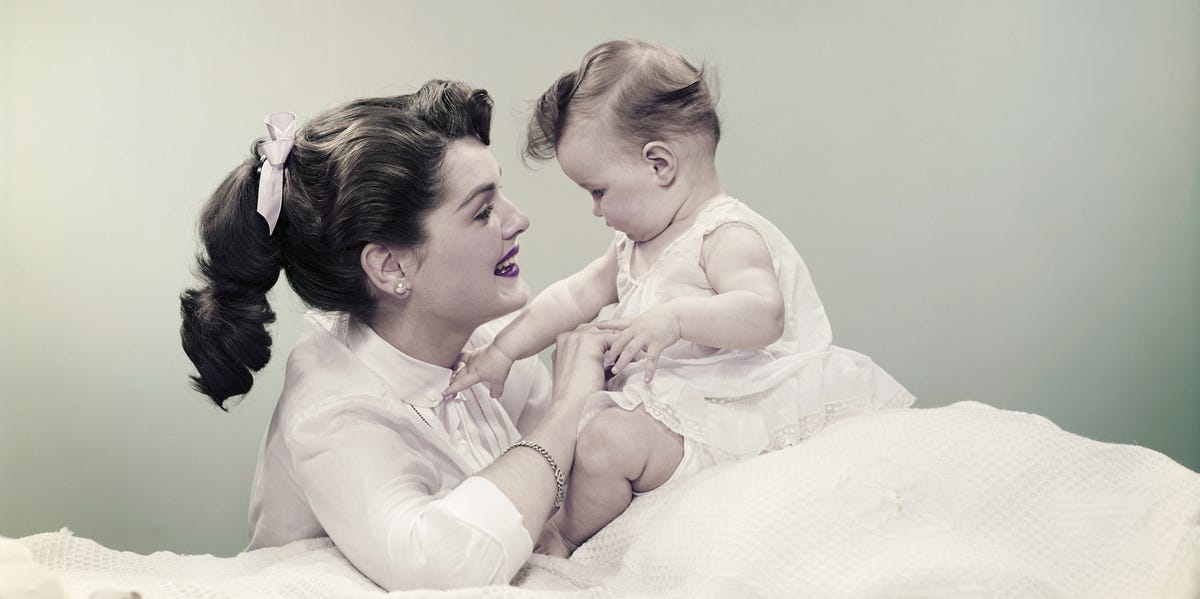
Note: This article is prepared for web publication and is based on real historical U.S. baby-name data, especially decade rankings from the Social Security Administration, along with broader cultural context from mid-century American life.
The 1950s gave America drive-in movies, sock hops, shiny chrome diners, suburban ranch houses, and enough babies to keep every schoolteacher sharpening pencils until retirement. It was the heart of the Baby Boom, a decade when families were growing, television was glowing, and names like James, Mary, Michael, and Linda were not just popularthey were practically part of the furniture.
Today, the most popular baby names of the 1950s feel classic, cozy, and sometimes delightfully retro. Some remain timeless favorites. Others now sound like the beloved aunt who always brings a casserole “just in case.” But all of them tell a story about American taste, tradition, family values, pop culture, and the powerful pull of names that felt dependable in a fast-changing world.
Why 1950s Baby Names Still Fascinate Parents Today
Baby names are tiny time capsules. Say “James” or “Mary,” and you may picture a name that could belong to a grandparent, a movie star, a president, a neighbor, or a baby born last Tuesday. That is the magic of many 1950s baby names: they are familiar without being flashy.
The 1950s were shaped by postwar optimism, the rise of the suburbs, larger families, and a strong preference for names that sounded respectable, biblical, traditional, or polished. Parents often chose names that had already proven themselves across generations. Instead of chasing wild originality, many families wanted names that looked good on a birth certificate, a school report card, a Little League roster, and someday, perhaps, a business card.
This explains why the decade’s top names are so sturdy. James, Robert, John, David, William, Mary, Patricia, Susan, and Barbara were not experimental choices. They were the name equivalent of a well-built station wagon: practical, trusted, and ready for a long road trip with three kids arguing in the back seat.
The 20 Most Popular Baby Names of the 1950s
The list below includes the top 10 boys’ names and top 10 girls’ names for babies born in the United States during the 1950s. The numbers represent recorded occurrences across the decade.
| Rank | Boys’ Name | Number of Boys | Girls’ Name | Number of Girls |
|---|---|---|---|---|
| 1 | James | 843,776 | Mary | 625,609 |
| 2 | Michael | 837,466 | Linda | 564,363 |
| 3 | Robert | 830,391 | Patricia | 459,686 |
| 4 | John | 797,917 | Susan | 437,773 |
| 5 | David | 769,951 | Deborah | 430,541 |
| 6 | William | 591,226 | Barbara | 345,723 |
| 7 | Richard | 535,453 | Debra | 341,347 |
| 8 | Thomas | 454,385 | Karen | 332,533 |
| 9 | Mark | 382,585 | Nancy | 286,812 |
| 10 | Charles | 361,178 | Donna | 270,333 |
Top 10 Boys’ Names of the 1950s
1. James
James was the king of 1950s baby boy names, and honestly, it still walks into a room wearing a nice jacket. Strong, biblical, royal, literary, and easy to shorten to Jim or Jimmy, James had everything mid-century parents wanted. It sounded dependable but not dull, formal but friendly. In the 1950s, James Dean added a rebellious movie-star edge, proving the name could wear both a suit and a leather jacket.
2. Michael
Michael came very close to taking the top spot for the decade and would go on to become one of the most dominant boy names in modern American history. With roots meaning “Who is like God?” Michael carried a spiritual, classic sound while still feeling youthful. Mike and Mikey made it flexible for everyday life. It was the kind of name that worked for a baby, a baseball player, a businessman, and a dad grilling hamburgers in the backyard.
3. Robert
Robert ranked third, but it was no background character. With nicknames like Rob, Robbie, Bob, and Bobby, Robert offered parents a full buffet of personality options. The name means “bright fame,” and in the 1950s it certainly had that clean-cut, leading-man energy. It was traditional, masculine, and widely accepted across regions and social classes.
4. John
John is one of the ultimate classic American names. Short, biblical, simple, and strong, it had already spent decades near the top before the 1950s arrived. Its popularity was helped by its no-nonsense style. John does not need decoration. It is four letters of solid oak furniture. Parents who chose John were choosing a name that felt respectable, timeless, and almost impossible to mispronounce.
5. David
David was another biblical favorite with a warm meaning: “beloved.” That meaning alone probably sold a few birth announcements. David feels gentle but strong, familiar but never overly stiff. Dave and Davy added friendly nickname choices. In the 1950s, it fit perfectly with the decade’s preference for names that could sound equally at home in church, school, sports, and family life.
6. William
William has always had an elegant backbone. Meaning “resolute protector,” it brought a formal sound while offering casual nicknames like Will, Bill, Billy, and Liam in later generations. In the 1950s, William appealed to parents who wanted a name with history, dignity, and flexibility. It was polished enough for adulthood but playful enough for childhood, which is a pretty good deal for one name.
7. Richard
Richard, meaning “strong ruler,” was a heavyweight name in the 1950s. It had been popular before the decade and remained a favorite thanks to its confident sound. Nicknames like Rick, Ricky, Rich, and Richie gave it range. It also had musical sparkle through figures like Little Richard, whose energy helped define rock and roll. The name had authority, but it could still dance.
8. Thomas
Thomas means “twin,” but its popularity was anything but a duplicate accident. It was steady, familiar, and deeply rooted in religious and historical tradition. Tom and Tommy gave it an approachable feel. A Thomas could be serious, sweet, scholarly, athletic, or the kid next door who always knew where the best sledding hill was.
9. Mark
Mark was shorter and sharper than many of the other top boys’ names. It had a clean, modern sound for the mid-century period and avoided the heavier formality of names like William or Richard. Its biblical roots helped, but its style was crisp enough to feel fresh. Mark was the name equivalent of a white T-shirt under a letterman jacket: simple, cool, and ready for action.
10. Charles
Charles rounded out the boys’ top 10 with royal polish and friendly nickname power. Charlie gave the name warmth, while Charles kept it formal and distinguished. Parents loved names that could grow with a child, and Charles did exactly that. A baby could be Charlie in overalls and Charles on a diploma. That is naming efficiency at its finest.
Top 10 Girls’ Names of the 1950s
1. Mary
Mary was the most popular girls’ name of the 1950s, and its staying power is remarkable. It had religious significance, cultural familiarity, and a soft, graceful sound. Mary was already a long-running favorite before the 1950s, but the decade confirmed its place as one of America’s most enduring girl names. Simple, sweet, and serious when needed, Mary never had to shout for attention.
2. Linda
Linda was a mid-century superstar. Meaning “pretty” in Spanish and associated with beauty in several naming traditions, Linda had a bright, musical sound that felt modern in the 1950s. It was especially strong in the late 1940s and early 1950s, making it one of the defining names of the Baby Boom era. If Mary was the classic hymn, Linda was the catchy radio hit.
3. Patricia
Patricia, meaning “noble,” brought sophistication to the top three. It had a refined sound and came with friendly nicknames like Pat, Patty, and Tricia. Patricia was formal enough for a grown woman and cute enough for a child, which made it very attractive to 1950s parents. It has a graceful vintage quality today, the kind that feels ready for a comeback after spending time in the family photo album.
4. Susan
Susan means “lily,” and its clean, cheerful sound made it a major 1950s favorite. Sue, Susie, and Suzy gave the name a friendly sparkle. Susan felt wholesome and approachable, exactly the sort of name that matched the decade’s school portraits, backyard games, and neatly packed lunchboxes. It was polished without being fussy.
5. Deborah
Deborah, meaning “bee,” was one of the decade’s most stylish biblical names. It had substance, softness, and a built-in nickname: Debbie. In fact, Debbie became so associated with the Baby Boom years that it almost has its own soundtrack. Deborah was formal, Debbie was fun, and together they made a name that could handle piano lessons, prom night, and a future office job.
6. Barbara
Barbara had a glamorous mid-century feel, helped by actresses, singers, and public figures who carried the name. It means “foreign” or “stranger,” but in 1950s America it was anything but strange. Barbara was familiar, feminine, and highly respectable. Barb and Barbie offered casual options, giving the name both grown-up and playful personalities.
7. Debra
Debra was the streamlined sister of Deborah. Shorter, sleeker, and very much of its era, Debra reflected a naming trend that favored familiar sounds with simplified spellings. It shared the same “bee” meaning but had a more modern mid-century style. Debra is one of those names that instantly evokes the 1950s and early 1960s, like a jukebox with perfect hair.
8. Karen
Karen was hugely popular in the 1950s and carried a pleasant meaning often connected with “pure.” Before modern internet jokes changed the name’s public image, Karen was fresh, stylish, and widely loved. In the context of the 1950s, it sounded bright, feminine, and modern. Names can go through cultural ups and downs, but Karen’s historical popularity is undeniable.
9. Nancy
Nancy had a cheerful, vintage charm that made it a favorite among 1950s parents. Originally used as a nickname for Ann, it became a strong name in its own right. Nancy sounds friendly and energetic, like someone who knows everyone at the neighborhood block party and still has time to organize the dessert table.
10. Donna
Donna completed the girls’ top 10 with a smooth, stylish sound. Meaning “lady” in Italian, Donna had a grown-up elegance while still feeling accessible. It was especially well-suited to the 1950s taste for names that sounded feminine, clear, and socially polished. Today, Donna has a retro warmth that makes it feel both nostalgic and distinctive.
What These Names Reveal About the 1950s
Tradition Was Strong
Many of the most popular baby names of the 1950s had biblical, royal, or long-standing European roots. James, John, David, Mary, Thomas, and Deborah all carried religious or historical weight. Parents were not just choosing sounds; they were choosing names with heritage.
Nicknames Mattered
The 1950s loved nickname-friendly names. James became Jimmy, Robert became Bobby, William became Billy, Patricia became Patty, Deborah became Debbie, and Barbara became Barbie. These nicknames made formal names feel warm and personal. They also fit a decade when childhood culture was booming, from school clubs to neighborhood games.
Girls’ Names Had a Distinct Mid-Century Sound
Names like Linda, Susan, Patricia, Deborah, Debra, Karen, Nancy, and Donna have a strong mid-century fingerprint. They were stylish then, less common now, and therefore increasingly interesting to parents who want something recognizable but not overused. That is how vintage names return: they disappear just long enough to become charming again.
Boys’ Names Stayed More Timeless
The boys’ list includes several names that still perform well today. James, Michael, John, David, William, and Thomas continue to feel classic. Boys’ naming trends often change more slowly than girls’ trends, and the 1950s list shows that clearly. A baby named James today does not sound like he is wearing a tiny fedora from 1954. He just sounds like James.
Are 1950s Baby Names Coming Back?
Some of them never really left. James, William, Thomas, Michael, and David remain familiar choices for modern parents who want strength and tradition. Others, especially girls’ names like Patricia, Susan, Deborah, Barbara, Nancy, and Donna, are still waiting for their big vintage revival moment.
Name trends often move in cycles. A name may sound “too mom” or “too dad” for a while, then suddenly become charming when enough time has passed. That is why names like Hazel, Eleanor, Theodore, and Arthur have returned to style. The same pattern could eventually help names like Barbara, Susan, or Donna feel fresh again. After all, fashion has already brought back high-waisted jeans. Baby names are not immune to nostalgia, either.
For parents searching for classic baby names, retro baby names, or vintage American names, the 1950s list offers plenty of inspiration. These names are easy to spell, easy to pronounce, and rich with history. They may not all sound trendy right now, but trendiness is not everything. Sometimes the best name is the one that feels steady, meaningful, and quietly cool.
How to Choose a 1950s-Inspired Baby Name Today
If you love the sound of 1950s baby names but do not want your child’s name to feel too dated, look at the name’s flexibility. Does it have a modern nickname? Does it pair well with your last name? Does it feel natural when said out loud? “William” may become Will. “Charles” may become Charlie. “Patricia” may become Tricia. “Barbara” may become Bea or Barbie, depending on your style.
You can also use a 1950s name as a middle name. This works beautifully for honoring grandparents or great-grandparents. A modern first name paired with a classic middle name can create balance, such as Ava Patricia, Harper Mary, Theo James, or Lucas William.
Another smart approach is to choose a name with emotional meaning rather than chasing popularity. If your grandmother was named Nancy and she taught you how to bake, garden, or survive family gatherings with strategic pie placement, Nancy may carry more beauty than any trending name on an app. Meaning matters. Family stories matter. And yes, pie matters too.
Experience Section: Living With the Legacy of 1950s Baby Names
Spend a little time around family reunions, old yearbooks, church directories, military records, or neighborhood stories, and you will quickly notice how common 1950s baby names really were. There is often a Uncle Bob, an Aunt Linda, a Grandpa Jim, a Grandma Mary, a neighbor named Donna, and at least one Debbie who remembers everyone’s birthday without needing a phone reminder. These names are not just statistics; they are attached to real people who shaped families, communities, schools, businesses, and local traditions.
One of the most interesting experiences with 1950s names is how they can instantly create a feeling of familiarity. A name like Robert or Susan may not surprise anyone, but that is part of its charm. It feels grounded. It sounds like someone who will show up on time, bring extra napkins, and know exactly where the flashlight batteries are stored. In a world full of increasingly creative spellings and bold name choices, these mid-century names offer a kind of calm confidence.
For many families, 1950s baby names are deeply personal because they belong to parents or grandparents from the Baby Boom generation. Choosing James, Mary, William, Barbara, or David today can feel like opening a family scrapbook and giving one of its pages a new chapter. It is a way to honor someone without needing a grand speech. The name does the quiet work.
There is also a funny generational shift in how people hear these names. To someone born in the 1980s or 1990s, Patricia may sound like a teacher, Karen may sound complicated because of modern slang, and Gary may sound like a man who owns several extension cords. But to a new parent searching for a distinctive vintage name, those same names may start to feel rare, warm, and unexpectedly stylish. Time changes the flavor of a name. What once sounded ordinary can become charming simply because fewer babies are receiving it.
Another experience many people have is discovering that the name they thought was “old-fashioned” actually has a wonderful meaning. Mary can mean “beloved,” David means “beloved,” William suggests protection, Robert means “bright fame,” Susan means “lily,” and Thomas means “twin.” Suddenly, these names are not just labels from a black-and-white photo. They are meaningful choices with emotional weight.
Parents considering a 1950s-inspired name today may find that the best choices are the ones that feel both connected and comfortable. James and William are easy modern picks because they never really left. Mary, Nancy, Donna, Deborah, and Patricia may require more confidence, but they also offer more surprise. And surprise, when paired with history, can be a beautiful thing.
The real lesson from the 20 most popular baby names of the 1950s is simple: names age, rest, and sometimes return wearing better shoes. A name does not have to be brand-new to feel special. Sometimes it only needs a good story, a loving connection, and a baby ready to make it shine again.
Conclusion
The 20 most popular baby names of the 1950s show a decade that valued tradition, faith, family, and familiarity. Boys’ names leaned heavily toward timeless classics like James, Michael, Robert, John, David, William, and Thomas. Girls’ names captured the unmistakable style of mid-century America, with Mary, Linda, Patricia, Susan, Deborah, Barbara, Debra, Karen, Nancy, and Donna leading the way.
Some of these names remain popular today, while others feel ready for rediscovery. Whether you are naming a baby, researching family history, writing a character, or simply enjoying a nostalgic stroll through the Baby Boom years, 1950s baby names offer a rich look at American culture. They are simple, meaningful, and full of personality. In other words, they have aged better than some 1950s kitchen wallpaper, and that is saying something.