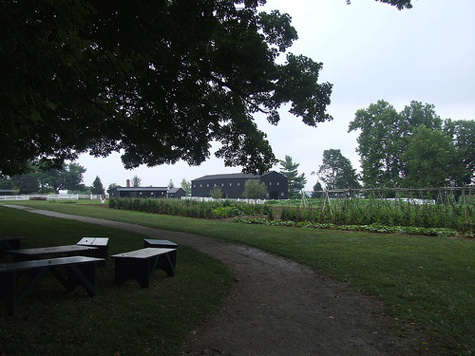
If you’ve ever looked at a perfectly simple chair and thought, “Wow, that’s… aggressively sensible,” you’re already halfway to understanding the Shakers. And if you’ve ever wanted to time-travel without the hassle of paradoxes, flux capacitors, or awkwardly explaining your modern sneakers to an 1850s craftsperson, then Shaker Village of Pleasant Hill in Kentucky is your kind of place.
Located in Kentucky’s Bluegrass region near Harrodsburg (about 25 miles southwest of Lexington), this preserved Shaker settlement isn’t a dusty “look but don’t touch” museum. It’s a living-history destination with historic buildings, working farm experiences, miles of trails, and even overnight lodging in restored structuresbecause nothing says “romantic getaway” like falling asleep in a building that’s older than your entire family tree.
What Is Shaker Village of Pleasant Hill?
Shaker Village of Pleasant Hill is widely recognized as the largest restored Shaker community in the United Statesan expansive historic site featuring 34 original 19th-century buildings (constructed roughly between 1809 and 1875) plus thousands of acres of preserved landscape. Today, it operates as a nonprofit destination where visitors can explore Shaker architecture, craftsmanship, agriculture, and daily life through exhibits, demonstrations, tours, and hands-on programs.
Quick “Why You’ll Care” Snapshot
- History: A real Shaker religious community lived here from 1805 to 1910.
- Scale: At its height, Pleasant Hill was among the largest Shaker communities, with hundreds of members and extensive farmland.
- Preservation: A major restoration effort began in the early 1960s, turning near-ruins into one of Kentucky’s flagship historic sites.
- Modern visits: You can tour, hike, eat, shop, learn, and even sleep on-siteno bonnet required.
Meet the Shakers: The People Behind the “Simple, But Make It Brilliant” Aesthetic
The Shakersformally the United Society of Believers in Christ’s Second Appearingwere a communal religious movement known for celibacy, shared property, pacifism, and a deep commitment to orderly, purposeful work. Their worship could be energetic (hence “Shakers”), but their material culture was famously disciplined: clean lines, honest construction, and zero patience for decorative fluff that didn’t earn its keep.
Core Values You Can Still Feel on the Grounds
- Community and cooperation: Work wasn’t just labor; it was spiritual practice.
- Equality: Shaker communities emphasized gender equity in roles and leadership structure (for their era, this was huge).
- Innovation without showboating: They adopted practical technology and “best practices” when it improved life and work.
- Simplicity with standards: “Simple” didn’t mean “cheap.” It meant “no nonsenseand built to last.”
The Pleasant Hill Story: Rise, Flourish, Fade, Return
1) Founded in 1805: A New Community Takes Root
Shakerism reached Kentucky in the early 1800s, and by 1805 the Pleasant Hill community was established. Over time, the settlement grew into a highly organized village with family groups, workshops, barns, dwellings, and administrative buildings. The Shakers were strategic: they chose a location that helped them farm productively and connect to regional markets.
2) The Golden Era: Skilled Farming, Serious Craft, Strong Systems
During the 19th century, Pleasant Hill became known for agricultural excellence and efficient production. This wasn’t just “cute farm life.” The Shakers were early adopters of careful breeding, systematic agriculture, and disciplined management. Their economic life included farm goods and crafted itemsthink seeds, preserved foods, brooms, textiles, and practical household productsmade to a consistent standard that built their reputation.
A key point visitors often miss: Shakers were not anti-technology. They were anti-waste. If a tool improved productivity or reduced drudgery, they were interestedso long as it didn’t encourage vanity or distract from their spiritual commitments.
3) Civil War Pressures and Long Decline
The Civil War era strained life across Kentucky, and Pleasant Hill sat in a region where troop movements and conflict-related disruptions were real. Shakers are often described as unionist and strongly committed to pacifism, which created a complicated reality: they could be surrounded by war without joining it. After the war, industrialization and changing social attitudes made communal religious life less attractive to potential converts.
4) Dissolution in 1910, Last Residents into the 1920s
Like many Shaker communities, Pleasant Hill gradually diminished until the community formally dissolved in 1910. Some Shakers continued to live on the property afterward, with the last resident dying in the early 1920s.
5) Restoration Beginning in 1961: “Let’s Not Lose This” Wins
By the mid-20th century, many historic structures were deteriorating or repurposed. In 1961, local preservationists began an organized effort to restore the site. The result is what you see today: a carefully conserved historic village that functions as both an educational site and a cultural destinationwith the added bonus that you can eat well while you learn.
What to See: The Historic Centre, Building by Building (and Wow by Wow)
Pleasant Hill’s architecture is a masterclass in purposeful beautystone and brick structures that feel calm, balanced, and quietly confident. Many visitors start at the Historic Centre, where restored buildings and exhibits introduce Shaker daily life.
Don’t-Miss Highlights
- Meeting House: The spiritual heart of the community, designed for Shaker worship and gatherings. It’s a powerful reminder that Shaker “simplicity” could still handle a room full of movement.
- Trustees’ Office: A key administrative and guest-focused buildingoften cited for memorable interior details (including impressive stair design). It’s the sort of place that makes you want to whisper “craftsmanship” like it’s a spell.
- Family dwellings and shops: Spaces that explain how Shakers organized work, living, and productionseparately but equally, with meticulous routines that kept a large communal society functional.
Why the Architecture Matters (Even If You’re “Not an Architecture Person”)
Shaker buildings don’t just look good; they explain a worldview. The layout reflects values: order, shared labor, durability, and an emphasis on community needs over individual display. It’s design as ethicsbuilt into stone walls and straight lines.
Shaker Craft and Design: Where Minimalism Gets Its Work Ethic
Shaker design is famous for a reason: it’s practical, consistent, and shockingly modern-looking. At Pleasant Hill, you can see how that style grew from daily life rather than trend-chasing. The point wasn’t to make something “cute.” The point was to make it work beautifully for a long time.
Specific Examples of the Shaker “Function-First” Mindset
- Built-in storage and tidy interiors that make clutter feel like a moral failing (in the nicest way).
- Furniture with clean joinery and solid proportionspieces made to be used every day, not admired from afar.
- Tools and systems designed to reduce wasted effort, from workshop organization to farm workflows.
The funniest part? A lot of modern “minimalist lifestyle content” is basically “Shaker values, but with affiliate links.” Pleasant Hill lets you see the original versionno influencer voiceover required.
The Farm: Animals, Gardens, and the Most Wholesome Kind of Productivity
The Shakers at Pleasant Hill were known for strong agriculture and careful stewardship of land. Today, the site continues that spirit with farm programming, animals, and seasonal cultivation that helps visitors connect Shaker history to real food systems.
What You’ll Typically Experience
- Livestock and farm demonstrations that make history feel lived-in, not staged.
- Gardens that reflect the Shaker emphasis on usefulness, seasonality, and self-sufficiency.
- Hands-on learning that’s especially great for families: kids get to move, see, touch, and ask a million questions (as is tradition).
The Preserve and the River: Trails, Palisades, and a Deep Breath of Kentucky
One of Pleasant Hill’s superpowers is that it’s not just buildingsit’s landscape. The surrounding property includes a large preserve and access to the Kentucky River area. Translation: you can go from “19th-century village tour” to “nature reset” in the same afternoon.
Trail Time (a.k.a. the Shaker Cure for Modern Brain Noise)
Shaker Village offers a substantial multi-use trail network (often described as roughly 30+ miles), with routes for hiking and, in some areas, horseback riding. Trails vary in length and difficulty, and many visitors love pairing a short historic tour with a longer walk to let the place sink in.
Kentucky River Experiences
Depending on season and operations, the area may offer river-focused activities, including scenic excursions that show off the river corridor and its dramatic views. Even if you don’t get on the water, the river landscape gives Pleasant Hill a sense of calm spaciousness that makes you understand why a community seeking order and peace would choose this kind of setting.
Eat and Stay: Yes, You Can Sleep in History (Comfortably)
The Inn at Shaker Village: Historic Buildings, Modern Sleep
One of the most distinctive features of Shaker Village of Pleasant Hill is that you can stay overnight in restored buildings. The Inn includes dozens of guest rooms spread across multiple historic structuresso your lodging isn’t “near history,” it’s literally inside it. It’s the kind of experience that makes you wake up and think, “I should probably stop doomscrolling and learn how to churn butter.” (You don’t have to. But you’ll think it.)
The Trustees’ Table: Seed-to-Table Kentucky Flavor
On-site dining leans into seasonal, locally inspired menusoften described as “seed-to-table” or garden-driven. Whether you’re stopping in for a meal after a tour or making it part of an overnight trip, it’s a satisfying way to connect the Shaker emphasis on land and labor to something you can actually taste.
How to Plan the Perfect Visit (Without Overplanning It Into Oblivion)
Choose Your Style: Day Trip vs. Overnight
- Day trip: Focus on the Historic Centre and a short trail. Add lunch, and you’ve got a full, satisfying visit.
- Overnight: Add evening quiet, early-morning walks, and more time for demonstrations, exhibits, and the farm. This is where the magic really sticks.
Pair Experiences Like a Pro
- History + nature: Tour first, hike after. You’ll notice more details once your brain is calmer.
- Craft + food: Watch a demonstration, then eat. It’s the spiritual cousin of “work hard, snack harder.”
- Architecture + photography: Morning or late afternoon light makes those stone and brick textures pop.
Seasonal Vibes (General, Not a Calendar Promise)
Spring and fall are especially popular for comfortable walking weather and scenery, while summer offers longer days for trails and farm activities. Winter visits can be quieter and feel almost meditativelike the village is letting you borrow its peace.
Why Shaker Village Still Matters
Pleasant Hill isn’t just about nostalgia. It’s about questions that feel oddly modern: How do communities stay healthy? How do we balance innovation with values? What does “enough” look like? The Shakers had imperfect answers (because: humans), but they built a society that left tangible lessonsvisible in architecture, systems, objects, and land use.
In a world that rewards frantic multitasking, Shaker Village offers an alternative: intentional work, thoughtful design, and space to breathe. It’s history you can walk throughand, if you want, sleep inside.
Extra: of On-the-Ground Experiences at Shaker Village of Pleasant Hill
Start your visit by giving yourself permission to slow down. Shaker Village has a way of quietly negotiating with your nervous system: “How about we trade your 47 open browser tabs for one well-made door latch?” The first thing you’ll notice is the texture of the placestone walls, worn thresholds, brickwork that looks like it has seen every Kentucky season and kept its composure through all of them. Even the air feels different, like it’s been lightly filtered through 19th-century practicality.
A classic move is to begin in the Historic Centre with a guided or self-guided tour. This is where the Shaker story stops being abstract and starts showing off. You’ll walk into rooms that look plain at first glancethen you catch the details: the symmetry, the clever built-ins, the way light lands on wood surfaces that were never meant to be flashy, only faithful. It’s oddly emotional to realize how much care can be expressed through restraint. (Also, you may find yourself whispering, “Who built this?” like you’re in an architectural thriller.)
Next, pivot to something hands-on. Craft demonstrations are where you feel the Shaker mindset in your hands rather than your head. Whether it’s fiber work, woodworking, or practical household craft, the underlying lesson is consistent: do it well, do it honestly, and don’t create problems for Future You. It’s the opposite of “fast fashion,” except applied to basically everything.
When hunger inevitably arrives (history makes people snacky), grab a meal on-site. Seasonal, garden-driven food tastes different in a place built on land stewardship. Even a simple dish feels like it’s trying to teach you somethingprobably about patience, or seasonality, or the radical concept of eating a vegetable that had a name and a growing timeline. After lunch, walk it off at the farm. Animals have a way of making history feel normal: not “museum,” but “workday.” You’ll get a clearer sense that this community wasn’t a costume; it was a system.
Finally, save time for the trails. This is where Pleasant Hill turns from “interesting” to “I needed this.” A short hike can feel like a reset button, especially if you catch a quiet stretch where all you hear is wind and birds and your own footsteps behaving themselves. If you stay overnight, do an early-morning walk before the day gets busy. The village feels like it’s still waking up, and you’ll see how the landscape and buildings belong together. By the time you leave, you may not become a Shaker (celibacy is a big commitment), but you’ll likely steal one of their best habits: doing fewer things, better.
Conclusion
Shaker Village of Pleasant Hill is more than a preserved historic siteit’s a full-sensory way to understand how a distinctive American community lived, worked, built, and believed. From original 19th-century structures and Shaker design principles to farm life, trails, and Kentucky River landscapes, Pleasant Hill offers a rare blend of education and restoration-for-the-soul.
Come for the architecture. Stay for the quiet. Leave with the uncomfortable realization that “simple” can be harderand more satisfying than “busy.”