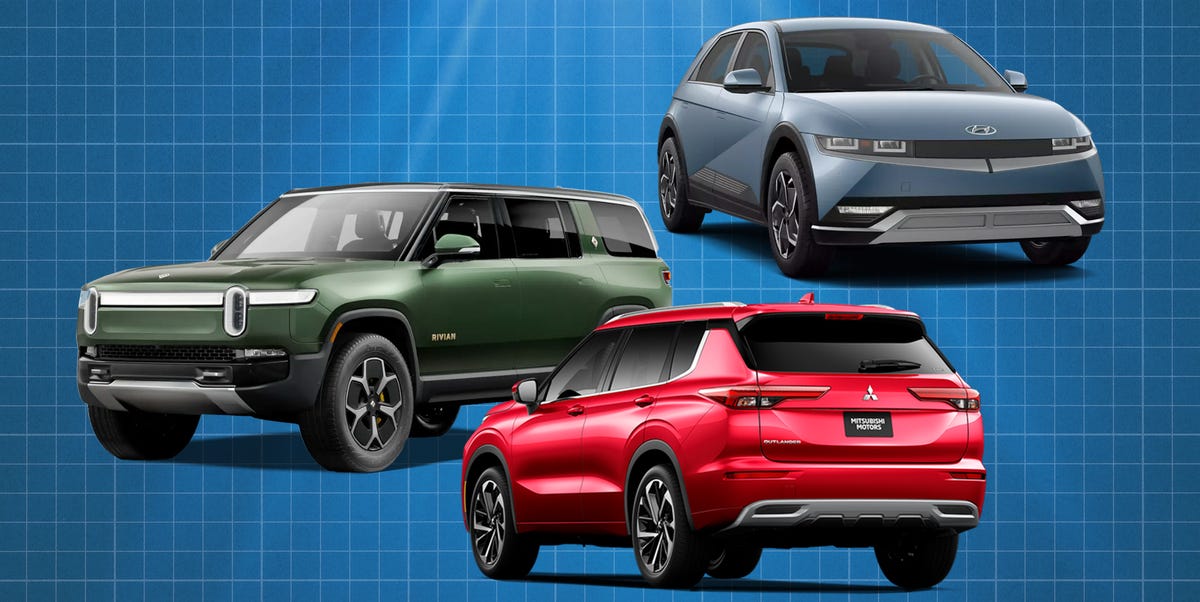
Every few months, someone looks across a parking lot full of gray crossovers and announces that automotive design has flatlined. The evidence seems persuasive: similar rooflines, familiar split headlights, enormous touchscreens, and enough gloss-black trim to coat a small moon.
Yet declaring the death of automotive design is like declaring music dead because several songs use the same four chords. Cars may share basic proportions and technologies, but designers are still solving wildly complicated problems involving aerodynamics, safety, manufacturing, software, sustainability, brand identity, and human behavior. They are simply working with a different set of tools than the stylists who once drew tailfins the size of canoe paddles.
Modern automotive design is not disappearing. It is spreading into more parts of the vehicle. Exterior shape still matters, but so do lighting signatures, digital interfaces, interior architecture, recycled materials, airflow management, accessibility, sound design, and even the little animation that greets you when the car wakes up. The canvas has grown larger, not smaller.
Why So Many New Cars Appear Similar
There is a kernel of truth behind the criticism. Many modern vehicles do look alike, especially in the booming crossover and SUV categories. That is not necessarily because every designer simultaneously ran out of coffee and imagination.
Automakers must satisfy crash regulations, pedestrian-protection goals, aerodynamic targets, passenger-space expectations, manufacturing limitations, and consumer demand. A family vehicle must carry people, luggage, sensors, batteries or fuel systems, climate-control equipment, structural reinforcements, and an impressive collection of cupholders. Preferably, it should also fit inside a normal garage.
These requirements naturally encourage similar solutions. A gently sloping windshield improves airflow. A higher roof provides headroom. A short rear overhang can make a crossover easier to park. Thick structural pillars contribute to rollover and crash protection, while front-end geometry increasingly must account for pedestrian injuries. Designers do not begin with a blank sheet of paper; they begin with a blank sheet covered in engineering notes, legal requirements, budget warnings, and at least one email marked “URGENT.”
Convergence, however, does not equal creative death. Architecture has building codes, smartphones are mostly rectangles, and athletic shoes generally contain a hole for each foot. Constraints create a common framework. Great design is what happens inside that framework.
Constraints Are Fuel for Better Automotive Design
Aerodynamics Has Become Visible
Air resistance has always influenced vehicle styling, but electrification has made every aerodynamic decision more valuable. At highway speeds, pushing air aside requires serious energy. Cleaner body surfaces, carefully shaped mirrors, flush door handles, active grille shutters, air curtains, covered underbodies, and optimized wheels can improve efficiency without adding a larger battery.
This is why many electric vehicles have smooth noses and tapered tails. They are not merely trying to look futuristic. They are trying to slip through the atmosphere without spending electrons like a teenager with a newly issued credit card.
That engineering challenge can produce elegant design. The Hyundai IONIQ 6 turns efficiency into a distinctive streamliner profile. The Lucid Air uses a low, sleek silhouette that supports both range and luxury positioning. Even large electric SUVs now hide complex airflow management inside shapes that must remain spacious and practical.
Safety Shapes More Than the Structure
Safety engineering also influences what drivers see. Strong passenger cells, crash-energy pathways, airbag packaging, camera placement, radar visibility, lighting performance, and outward visibility all affect a vehicle’s proportions and details.
Pedestrian safety is becoming especially important. The height, hardness, shape, and testable area of a vehicle’s front end can influence the severity of an impact. Designers therefore have to integrate branding, cooling, sensors, aerodynamic openings, and pedestrian considerations into one coherent face.
That is not a restriction on design so much as a higher standard for it. A beautiful vehicle that performs poorly for the people inside or outside it is not successful design. It is sculpture with a license plate.
Electric Vehicles Have Opened a New Design Era
The switch from internal-combustion powertrains to electric platforms has removed some traditional constraints while introducing new ones. Designers may no longer need a long hood for a large engine or a conventional grille for cooling. Electric motors are compact, and a flat battery can support a long wheelbase with relatively short overhangs.
That flexibility allows automakers to rethink cabin space. Hyundai used the long wheelbase of the IONIQ 5 to create a lounge-like interior and movable center console. Rivian has turned unused packaging opportunities into practical storage areas and adventure-focused features. Honda’s 0 Series concepts explore low exterior profiles paired with unexpectedly spacious cabins.
Electric platforms also encourage designers to reconsider familiar proportions. Some companies retain recognizable hoods and grilles because customers understand them. Others experiment with cab-forward shapes, low noses, panoramic glass, and body structures that look more like high-speed transportation pods than traditional sedans.
Neither approach is automatically superior. A radical wedge can be thrilling, but familiarity can make new technology feel approachable. Successful automotive design balances novelty with recognition. Designers must create something fresh without making owners feel as though they accidentally purchased a countertop appliance.
Brand Identity Is Moving Beyond the Grille
For decades, the grille served as a car’s face and the fastest way to identify its brand. Electric vehicles complicate that tradition because many require less cooling air. Some manufacturers have responded by creating decorative closed panels. Others have made their grilles even larger, perhaps out of concern that pedestrians several counties away might not recognize the badge.
The more interesting response is the development of new identity markers.
Lighting Has Become a Brand Signature
LED technology gives designers far more freedom than traditional bulbs. Headlights can be extremely thin, arranged vertically, hidden behind panels, or divided into multiple graphic elements. Daytime running lights now function almost like illuminated logos.
Hyundai’s pixel-based lighting helps connect vehicles with very different body styles. Rivian’s vertical lamps and horizontal light bar make its trucks and SUVs recognizable at night. Cadillac uses elaborate lighting choreography to communicate luxury before the driver has even opened the door.
Proportion and Surface Matter More Than Decoration
When fake vents, oversized grilles, and random creases are removed, proportion becomes crucial. The relationship between the wheels, cabin, hood, glass, and body determines whether a vehicle appears athletic, elegant, rugged, friendly, or mildly surprised.
The IONIQ 5 demonstrates how a simple geometric body can appear distinctive through stance, scale, and pixel details. The Cadillac CELESTIQ uses an unusually long, low profile to separate itself from conventional luxury sedans. The Rivian R2 keeps the brand’s visual identity while adjusting its proportions for a smaller, more accessible platform.
None of these vehicles depends entirely on ornament. Their character comes from the overall composition. That is automotive design doing its oldest job: turning mechanical packaging into an emotional object.
The Interior Is Now the Main Design Battleground
Drivers spend far more time looking at the inside of a car than admiring its rear three-quarter view in golden-hour photography. As vehicles become quieter, more connected, and increasingly software-driven, the cabin has become a central expression of design quality.
Minimalism Is Being Reconsidered
For several years, automakers treated physical buttons as though they were embarrassing evidence from a less civilized age. Climate controls, seat adjustments, mirror settings, and even glove-box releases migrated into touchscreens.
The result often looked clean in promotional images. In motion, however, a flat screen provided no tactile landmarks. Drivers had to glance away from the road to find controls that once could be operated by touch.
Research highlighted by AAA has repeatedly raised concerns about the cognitive and visual demands of complicated infotainment systems. Consumer Reports also gives significant attention to control usability, praising vehicles that keep important functions straightforward. Manufacturers are responding. Volkswagen, among others, has begun returning physical buttons and switches to key functions after criticism of touch-sensitive interfaces.
This is not a retreat from modern design. It is evidence that design is learning. The best cabins combine screens for flexible information with physical controls for frequent, safety-critical tasks. A volume knob does not become obsolete simply because someone invented a menu.
Materials Carry More Emotional Weight
As engines become quieter and digital systems become common, materials help differentiate vehicles. Designers are experimenting with woven textiles, natural fibers, recycled plastics, open-pore wood, machined metal, glass, ceramics, and alternatives to traditional leather.
Color and material design is no longer the department that arrives at the end to choose between “black” and “slightly moodier black.” It affects sustainability, durability, perceived quality, repairability, and brand character. Cadillac’s custom-commissioned CELESTIQ demonstrates how personalization and craftsmanship can become part of the design process itself.
Software Has Expanded the Meaning of Car Design
A modern vehicle is partly a physical product and partly a digital environment. Its interface can change after purchase through software updates. Displays can present different themes, driver-assistance information, navigation graphics, charging data, and entertainment features.
This gives designers a new responsibility. They are no longer shaping only metal, glass, and plastic. They are also shaping menus, sounds, animations, warning messages, lighting behavior, voice interactions, and the sequence of actions required to complete a task.
Good digital design can make a complicated vehicle feel calm and intuitive. Poor digital design can turn adjusting the air conditioning into a side quest.
Software-defined vehicles also allow a car’s personality to evolve. Drive modes can alter the instrument layout, ambient lighting, steering response, and synthesized sound. New functions can arrive after delivery. The user experience is no longer frozen when the vehicle leaves the factory.
That does not mean every update is an improvement. Designers must resist adding complexity simply because software makes it possible. The best interface is often the one that asks the driver to think less.
New Technology Is Changing How Cars Are Created
Designers are also using advanced simulation, virtual reality, digital twins, generative design, and artificial intelligence during vehicle development. These tools can produce numerous concepts, test airflow, reduce component weight, evaluate packaging, and visualize interiors before physical prototypes exist.
General Motors has explored generative design to create lighter components that meet engineering constraints. Kia designers have used generative AI during early ideation to expand the range of possible forms. The important word is “expand.” Technology can generate options quickly, but human designers still decide which options make sense emotionally, culturally, mechanically, and commercially.
AI may suggest 500 wheel designs before lunch. It cannot automatically determine which one will age gracefully, communicate the right brand values, remain affordable to manufacture, survive winter potholes, and avoid resembling an angry kitchen strainer.
Digital tools reduce repetitive labor and make experimentation faster. That gives talented designers more room to explore, not less reason to exist.
Concept Cars Still Influence Production Vehicles
Concept cars remain one of the clearest signs that automotive imagination is alive. They let studios test proportions, materials, interfaces, and brand direction without immediately satisfying every production requirement.
Many concepts never reach dealerships exactly as shown. That is not failure. Their ideas often appear later in production lighting, dashboards, body surfaces, paint colors, or platform strategies. Honda’s low-slung 0 Saloon, GM’s futuristic Corvette studies, BMW’s Neue Klasse concepts, and Kia’s experimental vehicles all function as design laboratories.
A concept vehicle is a question posed in metal, clay, carbon fiber, or pixels: What could this brand become? Production answers usually arrive in a more practical form, with legal mirrors and enough trunk space for groceries.
What Separates Real Design From Empty Styling?
Not every dramatic car is well designed, and not every restrained car is boring. Effective automotive design brings form, function, identity, usability, and manufacturing together.
- Proportion: The vehicle looks balanced before decorative details are added.
- Purpose: Visual elements support aerodynamics, safety, cooling, visibility, storage, or usability.
- Identity: The design feels connected to the brand without becoming a costume assembled from old styling cues.
- Human factors: Controls, seating, visibility, entry, storage, and information are designed around actual people.
- Longevity: The vehicle remains visually coherent after the trend that inspired its floating roof and copper trim has moved on.
Decoration attracts attention. Design continues making sense after the novelty fades.
Real-World Experiences That Prove Automotive Design Still Matters
The Parking-Lot Test
Consider walking toward a car in a crowded parking lot after a long day. Before you touch it, the design is already working. The lighting signature helps you identify it. The door handle communicates where to pull. The roof height determines whether you duck gracefully or introduce your forehead to the bodywork. The size and shape of the windows affect whether the cabin looks welcoming or resembles a mobile bunker.
Once the door opens, small decisions become obvious. A wide opening makes loading a child seat easier. A well-positioned grab handle helps an older passenger. A low cargo floor saves your back when lifting a suitcase. Door pockets either hold a real water bottle or exist mainly as decorative suggestions.
None of these experiences appears in a dramatic sketch, yet they determine whether owners enjoy living with a vehicle.
The First Five Minutes Behind the Wheel
Sit inside an unfamiliar car and try to perform four ordinary tasks: adjust the temperature, turn on the headlights, change the audio volume, and activate the windshield defroster. In a thoughtfully designed cabin, the process feels obvious. Your hand finds the controls, the labels make sense, and the display confirms what happened.
In a poorly designed cabin, you tap an icon, open the wrong menu, close a pop-up message, and briefly wonder whether the heated-seat setting is hidden under “Vehicle Wellness.” The vehicle may have gorgeous materials and a giant screen, but it has failed a basic human test.
This is why the return of physical controls matters. Drivers do not oppose technology; they oppose unnecessary work. A screen is excellent for a map because the information changes constantly. A fixed switch is excellent for a defroster because its purpose does not need a software update.
The Long-Drive Lesson
Automotive design becomes even more noticeable after several hours on the road. Seat shape affects fatigue. Window placement influences visibility. Glare from shiny trim can become irritating. A poorly positioned center console can crowd the driver’s knee. A calm dashboard reduces mental clutter, while an overactive interface behaves like a coworker who marks every email as urgent.
Storage also reveals whether designers studied real behavior. Drivers carry phones, charging cables, sunglasses, drinks, tissues, toll receipts, snacks, and occasionally one mysterious key that no longer seems to unlock anything. Useful interiors provide logical places for these objects without turning the cabin into a collection of plastic caves.
Electric vehicles add new experiences. A front trunk can separate muddy equipment from clean luggage. A flat floor can create more flexible seating. Vehicle-to-load power can turn a car into a campsite energy source or emergency backup. These functions influence exterior openings, interior layouts, control systems, and accessory design.
The Emotional Test
Practicality is only half the story. People also choose cars because of how those cars make them feel. A low seating position can create a sense of connection. An upright windshield can suggest adventure. A thin steering wheel, a precise metal switch, or a beautifully framed instrument display can make an ordinary commute feel more intentional.
That emotional response is not frivolous. Cars are expensive objects that owners see and use for years. Design can turn transportation into identity, comfort, pride, nostalgia, or fun. The enduring popularity of the Ford Mustang, Jeep Wrangler, Chevrolet Corvette, Volkswagen Bus, and Porsche 911 demonstrates the power of recognizable character.
The challenge is not to copy the past indefinitely. It is to preserve emotional continuity while adapting to new technology. A future sports car may use electric motors, augmented displays, and active aerodynamics, but it can still feel focused, dramatic, and alive. Heritage should be a foundation, not a Halloween costume.
Automotive Design Is Evolving, Not Dying
The current automotive era is messy because several revolutions are happening at once. Electric propulsion is changing proportions. Software is changing interiors. Safety requirements are changing structures. Aerodynamic pressure is changing surfaces. Sustainability is changing materials. Artificial intelligence is changing the creative process.
Some results will be forgettable. Others will be overdesigned, underdeveloped, or dominated by screens large enough to host a neighborhood movie night. Experimentation always produces awkward phases.
But awkwardness is not death. It is evidence of transition.
Automotive design remains alive wherever a team finds an elegant way to improve range without creating a bland shape, integrates sensors without visual clutter, makes a cabin easier to use, gives a new electric platform recognizable character, or turns recycled material into something owners genuinely want to touch.
The next golden age of car design may not resemble the chrome-heavy eras enthusiasts remember. It may be quieter, more aerodynamic, more digital, more inclusive, and more responsive to the people and environments around it. The creative challenge has not disappeared. It has become far more interesting.
Editorial note: This article synthesizes information and design themes documented by U.S. safety agencies, automotive research organizations, consumer publications, technology companies, automakers, and specialist automotive media. Product examples are used to illustrate broader design principles rather than endorse specific vehicles.