Roommate drama usually begins with tiny crimes against civilization: dishes “soaking” for three days, mystery hair in the shower, or someone treating your oat milk like a community-funded public utility. But every now and then, an apartment argument swerves from passive-aggressive sticky notes into something far more serious. That is the case in the viral story of a woman who allegedly swapped her roommate’s food with vegan alternatives, failed to disclose what was really in the meal, and ended up facing a felony charge after the roommate suffered a severe allergic reaction.
The story, which circulated through Reddit-style confession forums and later appeared on viral-content sites, is not simply about vegan food, fake bacon, or whether plant-based strips can fool a hungry college student at 8 a.m. It is about consent, food safety, allergies, trust, and the surprisingly sharp legal edge hiding behind what some people dismiss as a “harmless prank.” Spoiler: when someone’s body is involved, it is not harmless. It is not even cute. It is the culinary equivalent of juggling knives in a crowded elevator.
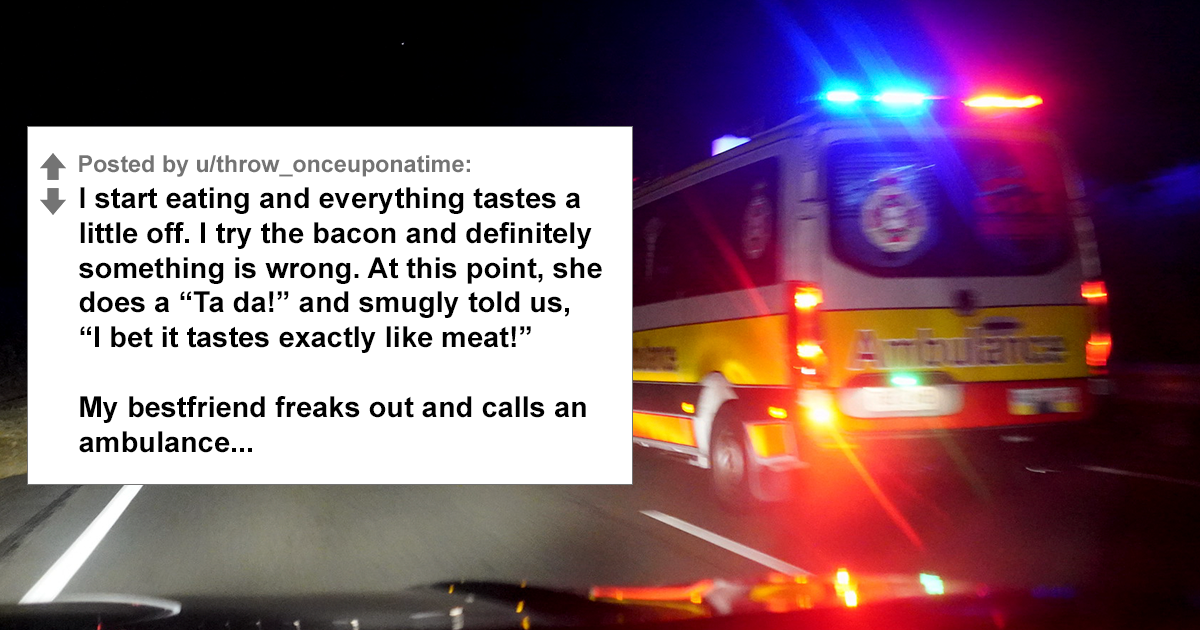
According to the viral account, the roommate prepared breakfast for others in the apartment and described the ingredients as ordinary food, including what was presented as regular bacon. The twist came after the meal started: the “bacon” was reportedly a soy-based vegan substitute. One roommate, who said she had a severe soy allergy, reacted badly enough to need emergency medical care. The situation then moved beyond roommate awkwardness and into police complaints, court consequences, medical bills, and a debate that still makes the internet bang its collective head against the refrigerator door.
What Allegedly Happened in the Viral Vegan Food Swap Story
The version of the story most often shared online begins in a college apartment. A new roommate, described as vegetarian, moved in and appeared friendly enough. She reportedly said she had no problem living with people who ate meat. So far, so normal. Nobody had drawn a battle line down the fridge shelf yet.
Then she made breakfast. Pancakes, hash browns, and bacon-like strips were served. One roommate asked what was in the food, reportedly because she had serious allergies. The cook allegedly listed ingredients and said the bacon was regular bacon, not a meat alternative. After the allergic roommate began eating, the cook supposedly revealed that the bacon was fake and wanted to prove that vegan substitutes could taste just like meat.
That “ta-da” moment, if the account is accurate, was where the prank stopped being a prank. The allergic roommate said she was severely allergic to soy, a common ingredient in many plant-based meat alternatives. She reportedly experienced a serious reaction, needed an ambulance, stayed in the hospital, and later pursued legal action. The roommate who prepared the meal allegedly pleaded guilty to a low-level felony, received community service, and was later sued for medical costs.
Because the story comes from an anonymous online post, it should be handled carefully. Readers should not treat every detail as a court-certified fact. However, the broader lesson is absolutely real: lying about food ingredients can create medical danger, legal consequences, and lifelong fallout. Whether the food contains soy, peanuts, dairy, shellfish, wheat, sesame, or anything else, the rule is simple enough to fit on a fridge magnet: do not mess with another person’s food.
Why Food Tampering Is More Serious Than People Think
Many people hear “food tampering” and imagine a dramatic crime documentary, not a college roommate serving plant-based bacon. But legally and ethically, the issue is not whether the substituted food is trendy, healthier, cruelty-free, or sold in packaging with a suspiciously cheerful leaf on it. The issue is whether someone intentionally changed, concealed, or misrepresented what another person was eating.
Food is personal. It enters the body. That makes consent matter. You can recommend vegan food. You can invite someone to try your lentil tacos. You can even become the unofficial ambassador of tofu if that is your chosen path. But secretly replacing food and lying about ingredients removes the other person’s ability to make an informed choice.
Under U.S. federal law, tampering with consumer products can become a serious offense when the act is done with reckless disregard for the risk that another person may be harmed. State laws vary, and prosecutors consider facts such as intent, knowledge, injury, evidence, and local statutes. Still, the key concept is not difficult: if a person knowingly interferes with food in a way that creates danger, the law may treat that behavior as far more than rude roommate behavior.
That is especially true when allergies are involved. A food substitution that sounds minor to one person can be medically significant to another. Soy-based “bacon” is not just “not bacon.” For someone with a soy allergy, it may be a trigger. Almond milk is not just “milk but cuter.” For someone with a tree nut allergy, it may be dangerous. Cashew cheese, wheat-based seitan, peanut sauce, sesame oil, dairy butter, egg wash, fish sauce, and shellfish stock all sound ordinary in the right recipe and risky in the wrong body.
The Allergy Angle: Why “Just a Bite” Can Be a Big Deal
Food allergies are not picky eating wearing a dramatic hat. They involve the immune system reacting to a food protein as if it were a threat. Symptoms can range from mild discomfort to a severe reaction that requires emergency treatment. The FDA recognizes nine major food allergens in the United States: milk, eggs, fish, crustacean shellfish, tree nuts, peanuts, wheat, soybeans, and sesame. That list matters because these ingredients appear in countless packaged foods, restaurant dishes, sauces, baked goods, and meat alternatives.
Soy, the ingredient at the center of the viral story, is particularly relevant because it appears in many vegetarian and vegan products. Tofu, tempeh, soy milk, soy protein isolate, textured vegetable protein, soy sauce, edamame, and some plant-based meat products may contain soy. Not every vegan food contains soy, of course. A vegan meal can be based on beans, lentils, oats, mushrooms, vegetables, rice, potatoes, pea protein, jackfruit, or other ingredients. But assuming “vegan” automatically means “safe for everyone” is like assuming every roommate with headphones is listening to music and not silently judging your laundry pile.
The danger increases when someone lies or gives incomplete ingredient information. People with known allergies often ask direct questions before eating. They may check labels, avoid shared utensils, carry medication, or decline homemade food altogether. When the person preparing the meal misrepresents ingredients, the allergic person’s safety system breaks down.
Vegan Food Is Not the Villain Here
It is important to say this clearly: vegan food did not cause the moral disaster in this story. Dishonesty did. Plant-based food can be delicious, ethical, nutritious, creative, and satisfying. A well-made vegan breakfast can absolutely earn applause. The problem begins when someone uses food as a trick, a test, or a lecture disguised as hospitality.
There is a world of difference between saying, “Hey, I made vegan bacon if anyone wants to try it,” and saying, “This is regular bacon,” when it is not. The first statement gives people a choice. The second statement turns breakfast into a trust fall, except the floor is made of legal consequences.
Food identity can be emotional. Some people are passionate about veganism for animal welfare, environmental reasons, health, religion, culture, or personal ethics. Others feel equally attached to family recipes, barbecue traditions, dairy, seafood, or simply eating what they already know. Shared housing requires respecting differences without turning the kitchen into a tiny courtroom where everyone’s diet is on trial.
Consent Belongs in the Kitchen Too
Consent is often discussed in bigger, more obvious contexts, but it belongs in everyday life as well. Food consent means people know what they are eating and can say yes or no without being tricked. That applies to roommates, family members, dates, coworkers, restaurants, school cafeterias, and anyone who prepares food for another person.
There are many reasons someone may need accurate ingredient information. Allergies are the most obvious, but they are not the only one. People may avoid certain foods for religious reasons, medical conditions, medication interactions, digestive disorders, pregnancy, recovery from illness, ethical beliefs, or personal boundaries. You do not need to understand every reason to respect it.
A person who says “I do not eat pork,” “I cannot have dairy,” “I avoid gluten,” or “I need to know if this has soy” should not have to cross-examine the cook like a lawyer in a movie. Clear answers are basic decency. If you do not know what is in something, say so. “I’m not sure” is far safer than guessing. It is also easier to live with than “Surprise, here comes the ambulance bill.”
Why the Internet Was Divided
Online reactions to the story were mixed, which is not shocking. The internet can argue about whether a sandwich cut diagonally tastes better, so of course it had opinions about a felony charge. Some commenters said the allergic roommate was right to report the incident and sue for medical costs. From their view, lying about food ingredients created a serious health risk, and the consequences followed from that decision.
Others argued that the allergic roommate should have disclosed the specific allergy before eating homemade food. That is a practical point worth discussing. People with life-threatening allergies often do need to communicate clearly and directly, especially when eating food prepared by someone new. Asking “What is in this?” is helpful, but saying “I have a severe soy allergy; does anything contain soy or touch soy?” is safer.
Still, that practical safety advice does not excuse lying. If someone asks whether a food is regular bacon and the cook says yes while knowing it is soy-based, the cook has created a false sense of safety. Two things can be true at once: people with allergies should be direct, and people serving food should never misrepresent ingredients. Roommate ethics are not a single-player game.
The Legal Fallout: Why a “Small” Lie Can Have Big Consequences
One of the most debated parts of the viral account is the felony outcome. Many readers felt the punishment sounded harsh, especially because the roommate allegedly intended to make a point about vegan food rather than cause harm. But criminal law often looks beyond whether someone “meant well.” It can consider reckless behavior, foreseeable risk, actual injury, and whether the person lied.
Intent matters, but so does impact. If a driver speeds through a red light “just to prove the road is empty” and hits someone, the explanation does not erase the harm. Food deception works the same way. Even if the person did not know about a specific allergy, deliberately concealing ingredients can create danger. Once someone is injured, the consequences can escalate quickly.
Civil liability is another layer. If a person’s actions cause medical bills, lost wages, or other damages, the injured person may pursue compensation. In the viral account, the allergic roommate said she sued for hospital expenses after the criminal case. Whether or not every detail of that story can be verified, the legal concept is realistic: causing preventable harm through deception may expose someone to both criminal and civil consequences.
Roommate Rules That Would Prevent 90% of Kitchen Wars
Shared kitchens need rules, not vibes. Vibes do not stop someone from eating your labeled leftovers at midnight and pretending the fork acted alone. The best roommate food agreements are boring, specific, and written down before anyone gets angry.
1. Label Personal Food Clearly
Use names, dates, and allergy warnings when necessary. A label that says “Maya contains peanuts” or “Jordan gluten-free, do not touch” is not dramatic. It is practical. In a shared fridge, clarity is kindness wearing masking tape.
2. Ask Before Sharing or Substituting
Never swap ingredients without telling people. If you replace dairy milk with oat milk, beef with soy crumbles, or regular pasta with chickpea pasta, say it out loud. This is not because people are fragile. It is because bodies are complicated and nobody wants dinner to become a medical case study.
3. Keep Allergen-Sensitive Food Separate
If someone has a serious allergy, consider separate shelves, containers, cookware, sponges, or cutting boards. Cross-contact can matter. It is not enough to say, “But I only used a tiny bit.” Tiny bits can be huge problems for the wrong person.
4. Do Not Turn Food Into a Moral Trap
Persuasion is fine. Deception is not. If you care about veganism, sustainability, health, or animal welfare, talk about it honestly. Make food so good that people ask for seconds. Do not trick them and then announce the lesson like a magician who failed ethics class.
What This Story Teaches About Trust
Trust is the invisible ingredient in every shared meal. When someone cooks for you, you trust that they washed their hands, used safe ingredients, and told the truth about what is on the plate. Once that trust is broken, it is difficult to rebuild. The injured roommate in the viral story was not only reacting to soy; she was reacting to betrayal.
That is why food deception feels different from many other roommate conflicts. If someone borrows your hoodie without asking, annoying. If they use your shampoo, rude. If they lie about what you are eating, that crosses into bodily autonomy. Your body is not a debate stage. Your breakfast is not a persuasion campaign.
The lesson is bigger than one apartment. Parents should not sneak allergens into a child’s food to “test” them. Partners should not hide ingredients from each other. Friends should not spike brownies with surprise substances. Restaurants should not guess when customers ask about allergens. The answer to ingredient questions should always be accurate, humble, and boring. Boring keeps people safe.
Experience-Based Lessons: What Shared Living Teaches About Food Boundaries
Anyone who has lived with roommates knows that kitchens can become emotional territory. The refrigerator is not just an appliance; it is a cold, humming map of everyone’s habits. One shelf has meal-prep containers arranged like a fitness influencer’s dream. Another has three sauces, half a lime, and a container nobody wants to open because it may have developed voting rights. Add different diets, budgets, allergies, and stress, and suddenly a simple breakfast can carry more tension than a family group chat during the holidays.
One common experience in shared housing is the “I thought it was communal” excuse. Someone eats another person’s food because it was not labeled, because it was near the front, because “you had so much,” or because they planned to replace it later, a phrase that often means “in a future timeline where I become responsible.” This is irritating, but it can usually be solved with labels, repayment, and a serious conversation. Food tampering is different. It is not taking someone’s yogurt. It is changing the terms of what another person eats.
Another familiar roommate situation is the diet evangelist. This person may be vegan, keto, paleo, gluten-free, sugar-free, or passionately committed to air-fried cauliflower. Their enthusiasm is not the problem. Passion becomes a problem when it turns into pressure. Nobody should have to defend every bite they take in their own home. A shared apartment is not a nutrition seminar with rent.
The best roommate experiences happen when people treat food boundaries as normal, not annoying. A roommate who says, “I have a severe allergy, so please don’t use my pan,” is not being difficult. A vegan roommate who says, “Please don’t cook meat in my skillet,” is also setting a boundary. A person who keeps kosher, halal, vegetarian, dairy-free, nut-free, or gluten-free should not need to present a courtroom argument every time they open the fridge. Good roommates may not share the same diet, but they share respect.
A practical lesson from shared living is to make agreements before resentment grows teeth. Decide whether groceries are separate or shared. Decide which condiments are communal. Decide whether guests can eat roommate food. Decide how to handle allergens, strong-smelling foods, shared cookware, and expired leftovers. These conversations may feel awkward at first, but they are much less awkward than standing in the kitchen at midnight asking why your labeled leftovers vanished while your roommate avoids eye contact with the confidence of a guilty raccoon.
The biggest lesson is that honesty prevents drama. If you made vegan chili, say it is vegan chili. If it contains soy, say it contains soy. If you are not sure whether the sauce has sesame, hand over the bottle or say you do not know. People can make their own choices when they have real information. Most conflicts explode not because people are different, but because someone decided another person did not deserve the truth.
In that sense, the viral vegan food swap story is not anti-vegan. It is anti-deception. It is a reminder that ethics begin with consent, especially when food enters someone else’s body. Cook proudly. Share generously. Label clearly. And if you want to convert someone to plant-based bacon, try the radical strategy of telling them what it is first.
Conclusion: A Roommate Prank Is Not Worth a Felony
The viral story of a woman swapping her roommate’s food with vegan alternatives and allegedly ending up charged with a felony works because it sounds absurd at first. Fake bacon, college roommates, internet judgment, and legal consequences all crash into one messy breakfast. But beneath the viral headline is a serious warning: food deception can harm people.
Vegan food deserves better than being used as a trick. People with allergies deserve accurate information. Roommates deserve boundaries. And nobody deserves to learn ingredient transparency through emergency care, police reports, or a court case.
The safest rule is also the simplest: do not lie about food. Not for a prank. Not to prove a point. Not to win an argument. Not because you think someone will “never notice.” Food is personal, medical, cultural, ethical, and sometimes legally sensitive. Respecting that is not overreacting. It is adulthood with a spatula.