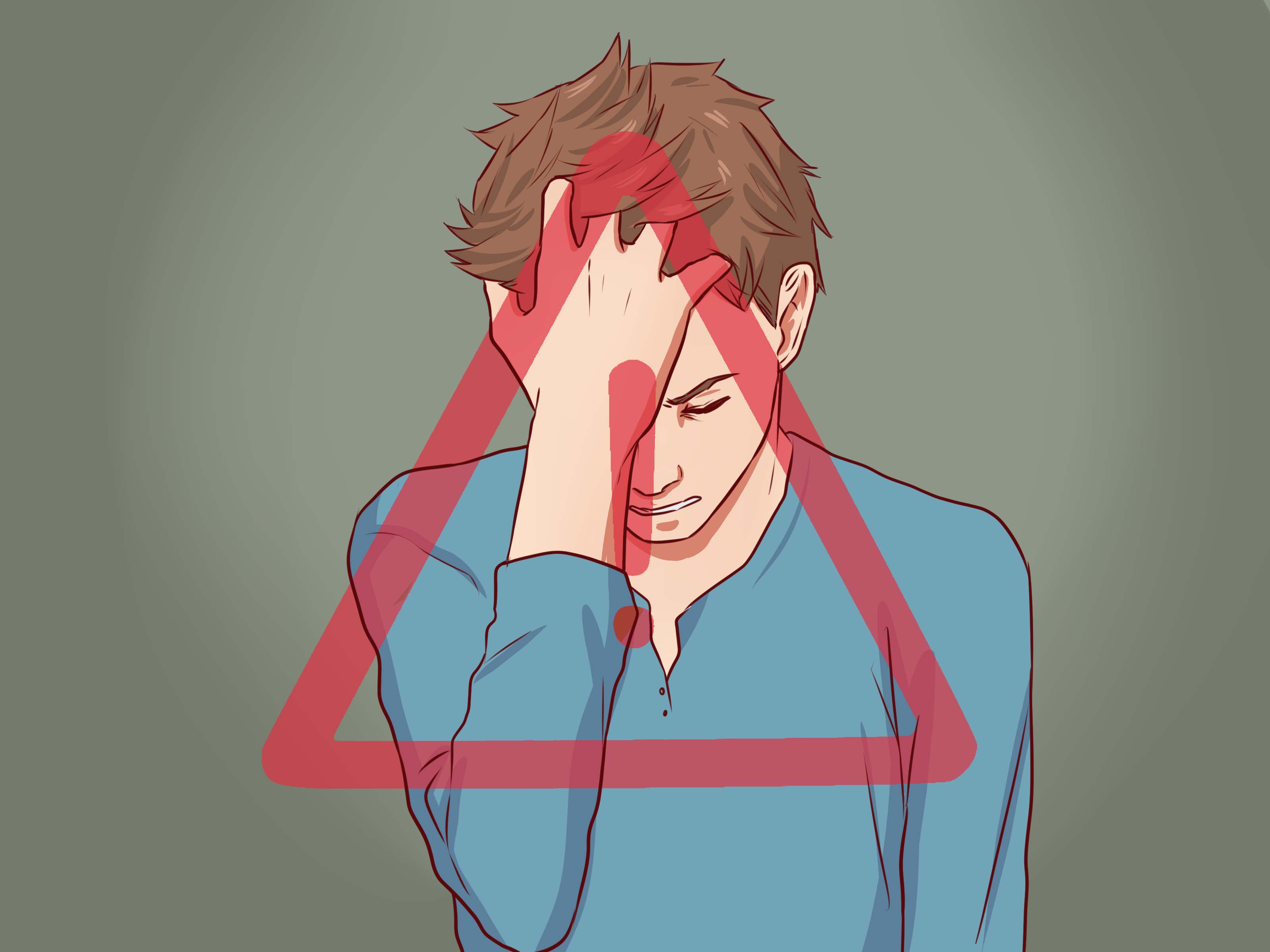
Passive aggression is the emotional equivalent of leaving a banana peel in the hallway and then acting surprised when someone slips. It is indirect, frustrating, and usually not as invisible as the person doing it thinks it is. Maybe it shows up as sarcasm, the silent treatment, “forgetting” to do something you promised, agreeing with a smile while secretly planning a tiny rebellion, or saying “I’m fine” in a tone that could freeze soup.
The good news? Passive-aggressive behavior is not a life sentence. It is a communication habit, and habits can be changed. Learning how to stop being passive aggressive starts with understanding what is happening under the surface: anger, fear, resentment, insecurity, discomfort with conflict, or a belief that direct honesty will make things worse. Once you can spot the pattern, you can replace it with healthier, clearer, more respectful communication.
This guide breaks down what passive aggression looks like, why people use it, how it damages relationships, and practical steps to become more direct without becoming harsh. Think of it as emotional housekeeping: less dust under the rug, fewer mysterious “fine” conversations, and more actual peace.
What Does Passive-Aggressive Behavior Mean?
Passive-aggressive behavior is the indirect expression of negative feelings instead of openly and respectfully discussing them. A person may feel angry, hurt, jealous, disappointed, overwhelmed, or ignored, but instead of saying, “I felt dismissed in that meeting,” they might delay a task, make a sarcastic joke, give short answers, or quietly withdraw.
It is called “passive” because the person avoids direct confrontation. It is called “aggressive” because the behavior still communicates hostility, resistance, or punishment. The message is there; it is just wearing a disguise.
Common signs of passive aggression
Passive aggression can look different depending on the person and situation, but common signs include:
- Using sarcasm to express resentment
- Giving the silent treatment instead of discussing the issue
- Saying “yes” while planning not to follow through
- Procrastinating on purpose
- Making backhanded compliments
- Withholding affection, praise, help, or cooperation
- Pretending nothing is wrong while acting clearly upset
- Keeping score in relationships
- Complaining to everyone except the person involved
- Using “jokes” to say something hurtful
One passive-aggressive moment does not make someone a villain. Everyone communicates poorly sometimes, especially when tired, stressed, embarrassed, or emotionally cornered. The problem begins when indirect hostility becomes a regular relationship strategy.
Why People Become Passive Aggressive
Most passive-aggressive behavior is not random. It usually develops because direct communication feels unsafe, uncomfortable, or ineffective. A person may have learned early in life that anger was unacceptable, disagreement caused punishment, or asking for needs led to rejection. So instead of saying what they feel, they hide it behind hints, delays, withdrawal, or sarcasm.
Fear of conflict
Some people use passive aggression because they are terrified of open disagreement. They may think, “If I tell the truth, this will turn into a fight.” So they avoid the conversation but still leak frustration through their actions. Unfortunately, this usually creates more conflict, not less. Avoided anger does not disappear; it simply puts on a fake mustache and comes back as resentment.
Difficulty expressing anger
Anger is not automatically bad. It can signal that a boundary was crossed, a need was ignored, or something unfair happened. The problem is what we do with it. Passive-aggressive people often treat anger like contraband. They hide it, deny it, and then smuggle it into the conversation through sarcasm, tension, or “accidental” resistance.
Low self-confidence
If someone does not believe their needs matter, they may struggle to ask directly for what they want. Instead of saying, “I need more help around the house,” they might slam cabinet doors while unloading the dishwasher loudly enough to qualify as percussion.
Learned family or workplace patterns
Passive aggression can also be learned. If someone grew up around people who avoided hard conversations, used guilt to get needs met, or punished honesty, indirect communication may feel normal. In some workplaces, passive aggression spreads like office coffee breath: vague emails, delayed replies, polite sabotage, and meetings where everyone says “great idea” while mentally resigning.
How Passive Aggression Damages Relationships
Passive aggression may feel safer in the short term, but it creates long-term damage. It confuses people, weakens trust, and makes small problems harder to solve. The person on the receiving end often senses something is wrong but cannot get a clear answer. That uncertainty can lead to anxiety, resentment, defensiveness, and emotional distance.
It makes people guess instead of communicate
Passive aggression turns relationships into detective work. Instead of talking openly, the other person has to decode tone, timing, facial expressions, and mysterious “whatever” responses. This is exhausting. Healthy relationships require clarity, not emotional escape rooms.
It builds resentment
When problems are not discussed, they pile up. A forgotten chore becomes “you never respect my time.” A missed invitation becomes “you do not care about me.” A small annoyance becomes a full courtroom drama in someone’s head, complete with closing arguments.
It prevents real solutions
Passive-aggressive behavior focuses on expressing frustration indirectly, not solving the actual problem. If you never say what you need, the other person may not know how to help. And if they feel punished instead of informed, they may become defensive rather than cooperative.
How to Stop Being Passive Aggressive: 10 Practical Steps
Changing passive-aggressive behavior does not mean becoming brutally honest, loud, or confrontational. The goal is assertive communication: expressing your feelings, needs, and boundaries clearly while respecting the other person. Assertiveness lives in the healthy middle ground between silence and explosion.
1. Notice your passive-aggressive patterns
You cannot change what you do not notice. Start by paying attention to moments when you feel irritated but avoid saying so directly. Ask yourself:
- Am I saying I am fine when I am not?
- Am I hoping the other person will read my mind?
- Am I delaying, withdrawing, or using sarcasm instead of speaking honestly?
- Am I punishing someone indirectly?
- What am I afraid would happen if I said what I really felt?
Awareness is not about shaming yourself. It is about catching the habit before it drives the bus into a ditch.
2. Name the real emotion
Passive aggression often starts when an emotion is pushed underground. Before you speak, identify what you are actually feeling. Are you angry, embarrassed, disappointed, lonely, overwhelmed, jealous, unappreciated, or afraid?
For example, “I’m fine” might really mean, “I felt ignored when you changed the plans without asking me.” That is much more useful. It gives the other person something real to respond to instead of forcing them to interpret the emotional weather report.
3. Pause before reacting
When you feel the urge to send a sharp text, make a sarcastic comment, or disappear emotionally, pause. Take a breath. Drink water. Walk around. Count to ten if you must; count to 4,000 if the group chat is involved.
A pause gives your brain time to move from reaction to choice. You are not ignoring your feelings. You are giving yourself enough space to express them in a way that will not require an apology tour later.
4. Replace hints with direct requests
Hints are unreliable. They are tiny emotional paper airplanes thrown into a windstorm. Direct requests work better because they tell people exactly what you need.
Instead of saying, “Must be nice to relax while everything is a mess,” try: “Could you help me clean the kitchen for 15 minutes before we watch TV?”
Instead of saying, “I guess nobody cares what I think,” try: “I would like to be included before the final decision is made.”
Instead of saying, “Do whatever you want,” try: “I am disappointed because I wanted us to decide together.”
5. Use “I” statements without turning them into weapons
“I” statements help you express your experience without attacking the other person. A useful formula is: “I feel ___ when ___ because ___. I need/would like ___.”
For example: “I feel frustrated when plans change at the last minute because I organize my day around them. I would like more notice next time.”
Be careful not to disguise blame as an “I” statement. “I feel like you are a selfish tornado of disappointment” is technically an “I” sentence, but emotionally it is wearing combat boots. Keep the focus on your feeling, the specific behavior, and the request.
6. Be specific about the behavior, not the person’s character
Passive aggression often grows when complaints become personal attacks. Instead of “You are lazy,” name the behavior: “The trash has not been taken out after you said you would do it.” Instead of “You never listen,” try: “When I was talking earlier, you looked at your phone several times, and I felt dismissed.”
Specific language lowers defensiveness. It gives the other person a clear action to change. Character attacks make people armor up; behavior-focused requests make problem-solving possible.
7. Practice small acts of honesty
If direct communication feels scary, start small. You do not need to launch into a dramatic fireside speech about every resentment since 2017. Begin with low-stakes honesty:
- “Actually, I would prefer pizza tonight.”
- “I cannot take on that extra task today.”
- “I need a little time before I answer.”
- “That joke bothered me.”
Small honesty builds emotional muscle. The more you practice saying what you mean respectfully, the less you need passive-aggressive shortcuts.
8. Stop expecting people to read your mind
It is tempting to think, “They should know why I am upset.” Maybe they should. Maybe they should also know where your missing charger is and why the printer only breaks when you are already late. But relying on mind reading usually leads to disappointment.
Clear communication is kinder than silent testing. If something matters, say it. If you need help, ask. If you feel hurt, explain. People who care about you still need information.
9. Take responsibility when you slip
You will not become perfectly direct overnight. When you catch yourself being passive aggressive, repair it. A simple apology can reset the conversation:
“I realize I was being sarcastic instead of saying what bothered me. I am sorry. What I meant to say is that I felt left out of the decision.”
This kind of accountability builds trust. It shows that you are not pretending the behavior did not happen. You are choosing a better pattern.
10. Get support if the pattern feels hard to change
Sometimes passive aggression is connected to deeper issues such as chronic anxiety, low self-worth, unresolved anger, family trauma, or relationship patterns that have been repeated for years. Therapy, counseling, communication coaching, or assertiveness training can help you understand the roots of the behavior and practice healthier responses.
Seeking help does not mean you are broken. It means you are done letting old habits run your relationships like a badly managed committee.
Examples of Passive-Aggressive Responses and Better Alternatives
At home
Passive-aggressive response: “Don’t worry, I’ll do everything myself like always.”
Better response: “I am overwhelmed. Can we divide the chores before dinner?”
At work
Passive-aggressive response: “Per my last email…” with the energy of a courtroom objection.
Better response: “I want to clarify the deadline so we are on the same page. I need the final draft by Thursday at 3 p.m.”
With friends
Passive-aggressive response: “Wow, thanks for inviting me. Oh wait.”
Better response: “I felt hurt when I saw the photos and realized I was not invited. Was there a reason?”
In romantic relationships
Passive-aggressive response: “Nothing’s wrong.” Then three hours of iceberg silence.
Better response: “I am upset, but I need 20 minutes to calm down. Then I want to talk about what happened.”
How to Communicate Assertively Without Sounding Mean
Many passive-aggressive people avoid directness because they confuse assertiveness with aggression. But assertiveness is not yelling, blaming, demanding, or bulldozing. It is respectful honesty. You can be kind and clear at the same time.
Use a calm tone
Your words matter, but your tone carries the emotional packaging. “I need help” said calmly invites cooperation. The same words delivered with eye lasers may start a war over laundry.
Make one request at a time
Do not bring every unresolved issue into one conversation. If the problem is being late, talk about being late. Do not add dishes, birthdays, vacation planning, and that weird comment from Thanksgiving unless you want the discussion to collapse under its own emotional luggage.
Ask for collaboration
Try phrases like “Can we figure this out?” or “What would work for both of us?” Collaboration turns the conversation from courtroom battle to problem-solving session.
Respect the other person’s answer
Assertiveness does not guarantee you will get your way. It means you communicate honestly and respectfully. The other person also gets to have feelings, limits, and preferences. Healthy communication is not control; it is clarity.
How to Handle Someone Else’s Passive Aggression
Learning how to stop being passive aggressive also helps you respond better when other people use it. The key is not to mirror the behavior. Sarcasm plus sarcasm usually creates a tiny emotional dumpster fire.
Stay calm and name what you notice
You might say, “You said you are okay, but your tone seems upset. I am open to talking if something is bothering you.” This gives the person a chance to be direct without accusing them.
Do not reward indirect communication
If someone hints, sulks, or guilt-trips, invite clarity. Try: “I want to understand what you need, but I need you to tell me directly.” This sets a boundary without escalating.
Set limits
If passive aggression becomes constant, it is okay to protect your time and emotional energy. You can say, “I am willing to discuss the issue respectfully, but I am not going to continue if we are using insults or silent treatment.”
Personal Experiences and Real-Life Lessons About Stopping Passive Aggression
One of the most relatable experiences with passive aggression is realizing that it often feels justified in the moment. You tell yourself, “I am not being rude. I am just being quiet.” Or, “I am not angry. I am just making a very accurate joke with suspicious timing.” Many people do not notice passive aggression because it gives them a sense of protection. It feels safer to hint than to ask. It feels easier to withdraw than to admit hurt. It feels more powerful to make someone guess than to risk hearing no.
A common turning point happens when the behavior stops working. Maybe a partner says, “I cannot keep guessing what is wrong.” Maybe a friend pulls away. Maybe a coworker stops trusting your follow-through. That moment can sting, but it can also become the beginning of real change. Passive aggression often promises control, but it usually delivers distance. When people cannot understand what you need, they cannot respond well, even if they care.
Another real-life lesson is that direct communication feels awkward before it feels natural. The first time someone says, “I felt hurt when you canceled last minute,” they may feel dramatic, needy, or exposed. But that discomfort is not proof that honesty is wrong. It is proof that a new skill is being used. Like learning to drive, the first attempts can feel clunky. You may overexplain. You may sound too formal. You may rehearse the sentence seven times in your head and still say it weirdly. That is fine. Progress often sounds awkward before it sounds confident.
People also discover that being direct does not always create the explosion they feared. Many conversations go better than expected because the other person finally understands the issue. Instead of reacting to coldness, sarcasm, or withdrawal, they can respond to a clear request. For example, “I need more notice before plans change” is much easier to answer than a dramatic sigh followed by “No, it’s fine, obviously my schedule is imaginary.” Clarity gives relationships a fighting chance.
One practical experience that helps is keeping a “translation list.” When a passive-aggressive phrase pops into your mind, translate it into the honest version before speaking. “Must be nice” might become “I feel overloaded and need help.” “Whatever” might become “I am frustrated and need a minute.” “I guess I’ll just do it” might become “I need us to divide this more fairly.” Over time, the translation becomes faster, and the passive-aggressive script loses its power.
Another helpful lesson is learning that boundaries are not rude. Many passive-aggressive habits come from saying yes when you mean no. Then resentment builds, and the resentment leaks out sideways. A direct “I cannot help tonight” is often kinder than a resentful yes followed by delays, sighs, and emotional fog. Honest limits prevent future bitterness.
Finally, people who work on passive aggression often notice a surprising benefit: less mental clutter. It takes a lot of energy to hint, hide, punish, deny, and hope someone figures it out. Direct communication is not always easy, but it is cleaner. You say what is true. You ask for what you need. You listen. You repair when necessary. No secret scoreboard required.
Conclusion: Direct Communication Is a Skill, Not a Personality Transplant
Learning how to stop being passive aggressive does not mean becoming a different person. It means communicating with more courage, clarity, and respect. Passive aggression usually begins as self-protection, but over time it can damage trust, create resentment, and keep relationships stuck in confusion.
The path forward is simple, though not always easy: notice your patterns, name your real feelings, pause before reacting, make direct requests, use “I” statements, and repair quickly when you slip. With practice, you can replace sarcasm, silence, and subtle resistance with honest conversations that actually solve problems.
Healthy communication is not about winning every disagreement. It is about being understood without making other people decode your mood like a mystery novel. Say what you mean kindly. Ask for what you need clearly. Let passive aggression retire. It has worked enough overtime.