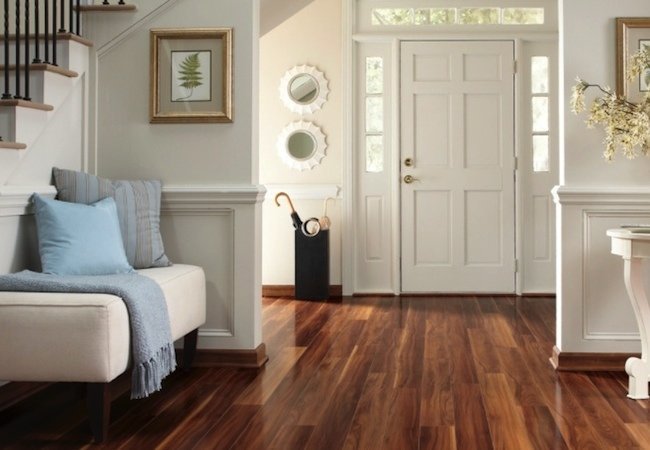
Laminate flooring is one of home design’s great illusionists. It can look remarkably like oak, walnut, stone, or tile, yet it usually costs less and asks for far less maintenance than many natural materials. The catch? Laminate has o>
Learning how to clean laminate floors is less about aggressive scrubbing and more about restraint. The goal is to remove dust, grit, stains, footprints, and mysterious kitchen splatters without forcing excess moisture into the seams or leaving behind a cloudy film. Flooring manufacturers and major home-care authorities consistently recommend regular dry cleaning, soft tools, prompt spill removal, and controlled use of moisture. that you do not need a closet full of magic potions. A microfiber mop, a hard-floor vacuum setting, a laminate-safe cleaner, and a little common sense can keep the floor looking sharp. Here is a practical, in-depth guide to cleaning laminate flooring without accidentally turning a routine chore into a flooring replacement project.
Why Laminate Floors Need a Special Cleaning Routine
Laminate flooring is built in layers. While construction varies by manufacturer and product line, laminate commonly combines a wear surface, a decorative image layer, and a dense core. That top surface is designed to handle normal household traffic, but the edges and joints can still be vulnerable when inappropriate cleaning methods allow moisture to linger.
This explains why a dirty laminate floor can tempt homeowners into making the problem worse. You see muddy paw prints. You grab a bucket. You soak a mop. You scrub with the determination of someone erasing evidence from a crime documentary. Unfortunately, excessive liquid can seep into susceptible joints and contribute to swelling, warping, bubbling, or separation. ffers from traditional hardwood. It generally should not be waxed, polished, or refinished like a solid wood floor. Products designed to create a glossy buildup may instead leave a dull or sticky residue on laminate. The safest philosophy is simple: clean gently, use little moisture, and protect the existing surface rather than trying to add a new finish.
What You Need to Clean Laminate Floors
Before cleaning, gather a small set of floor-friendly supplies. There is no need to wheel in an industrial scrubber that looks capable of resurfacing an airport runway.
Basic cleaning tools
- Microfiber dust mop
- Soft-bristled broom
- Vacuum with a hard-floor attachment or setting
- Flat microfiber mop or spray mop
- Clean microfiber cloths
- Manufacturer-approved laminate floor cleaner
- Plastic scraper or an old plastic card for certain hardened messes
- Dry absorbent towels
Microfiber is especially useful because it can pick up fine particles while providing a soft cleaning surface. Major floor-care brands and cleaning publications frequently recommend microfiber mops or cloths for laminate and other hard surfaces. uum, select the appropriate hard-surface mode. Turn off or disengage a rotating beater bar when the machine allows it. The purpose is to lift dust and debris, not challenge the floor to a tiny mechanical sword fight.
How to Clean Laminate Floors Step by Step
Step 1: Remove rugs, mats, and movable objects
Begin by clearing the cleaning area. Pick up lightweight chairs, pet bowls, floor baskets, and small rugs. Dust and grit often collect around the edges of objects, so simply mopping around everything can create a surprisingly convincing illusion of cleanliness while leaving little dirt neighborhoods untouched.
Shake washable mats outdoors or clean them according to their care labels. Check the underside of rugs for sand or debris before returning them to the floor.
Step 2: Dry mop or vacuum loose dirt
This is one of the most important steps in the entire process. Fine grit can act like an abrasive when dragged underneath a mop pad. Removing loose debris first reduces unnecessary surface wear and prevents the wet-cleaning stage from turning dust into gray streaks.
Use a microfiber dust mop or vacuum suitable for hard flooring. Work slowly near baseboards, underneath furniture edges, and along plank joints. Home Depot, Lowe’s, Shaw, Mannington, and other flooring-care resources place sweeping or vacuuming at the beginning of routine laminate maintenance. ry cleaning may be needed several times a week. A house with two adults who wear slippers will naturally have a different schedule from a house containing three children, a Labrador, and one family member who apparently believes every shoe belongs indoors.
Step 3: Spot-clean visible stains
Inspect the floor before mopping the entire room. Dried food, grease marks, pet messes, and scuffs are often easier to address individually.
Lightly apply a laminate-safe cleaning solution to a microfiber cloth rather than flooding the stain. Wipe gently, beginning near the outside of the dirty area and working inward. This helps prevent spreading the mess.
For stubborn substances, check the flooring manufacturer’s care instructions before experimenting. Some laminate care guides allow carefully applied acetone on a clean white cloth for substances such as ink, paint, lipstick, or tar. However, product warranties and finishes vary, so test any permitted spot treatment in an inconspicuous area and use the smallest practical amount. Bob Vila, Shaw, and certain laminate care instructions describe acetone-based spot treatment for specific difficult stains. aminate cleaner sparingly
Use a cleaner specifically approved for your laminate product whenever possible. Read the floor manufacturer’s instructions before using homemade mixtures because recommendations differ among brands. One manufacturer may approve a particular cleaning ingredient while another may warn against it.
For a ready-to-use spray cleaner, lightly mist the mop pad or apply the product according to its label. Do not assume that doubling the cleaner will double the cleaning power. Excess product can leave residue, create streaks, and make an otherwise clean floor look strangely tired.
The floor should never resemble a freshly watered patio. Think lightly damp, not monsoon season in the living room.
Step 5: Mop in manageable sections
Move a flat microfiber mop across the floor using smooth, overlapping passes. Working in small sections gives you better control over moisture and allows you to see whether the cleaner is evaporating normally.
When using a traditional damp-mop method approved for the floor, wring the mop thoroughly. Bob Vila’s laminate cleaning guidance emphasizes a damp rather than dripping mop and suggests working in sections when lightly misting a surface. room exit so you do not have to walk over the freshly cleaned surface. This is also a useful dignity-preservation strategy. Few household moments are less majestic than trapping yourself in a corner and performing an awkward sock-foot shuffle across a clean floor.
Step 6: Dry any visible moisture
After cleaning a section, look at the surface from an angle. If you see standing droplets, puddles, or visibly wet seams, wipe them immediately with a dry microfiber cloth or absorbent towel.
A properly damp-cleaned laminate floor should dry relatively quickly. Persistent wetness is a sign that too much liquid was used.
How Often Should You Clean Laminate Floors?
There is no perfect universal cleaning calendar. Traffic, pets, weather, cooking habits, and entryway design all affect how quickly a floor becomes dirty.
Daily or as needed
Wipe up spills promptly. Remove gritty debris, dropped food, and visible dirt before people walk it across the room.
Several times a week
Dry mop or vacuum high-traffic areas. Kitchens, entrances, hallways, and spaces near pet doors often need the most attention.
Periodically
Damp-clean the floor when dry methods no longer remove footprints, grime, or residue. Some published care schedules suggest occasional rather than constant damp mopping, while the actual frequency should reflect household conditions and the specific flooring manufacturer’s instructions. or is the floor itself. If dry mopping leaves the surface clean, stop there. There is no bonus trophy for introducing extra liquid to a floor that did not need it.
How to Remove Common Stains From Laminate Flooring
Food and drink spills
Blot fresh spills quickly with a clean absorbent cloth. Then wipe the area with a lightly dampened microfiber cloth and an approved cleaner when necessary. Dry the surface afterward.
Do not aggressively spread a liquid spill across multiple planks. Blotting first removes the bulk of the mess without sending it sightseeing through the floor joints.
Grease and oily marks
Use a laminate-safe floor cleaner on a microfiber cloth. Work gradually rather than saturating the area. Replace or rinse the cloth when it becomes greasy so you are lifting the residue instead of redecorating the kitchen with it.
Scuff marks
Start with a clean microfiber cloth and laminate-safe cleaner. Rub gently. Avoid steel wool, abrasive powders, and rough scrubbing pads that may alter the surface.
Chewing gum or candle wax
Some flooring care guides recommend hardening gum or wax with a sealed bag of ice and then carefully lifting the hardened material with a plastic scraper or plastic card. Keep the tool nearly flat and work gently to reduce the risk of scratching. marker
Consult the floor’s manufacturer instructions first. Where specifically allowed, a very small amount of acetone applied to a clean white cloth may be used for certain tough spots. Never pour a solvent directly onto the floor. Clean remaining residue as directed by the flooring manufacturer.
What Not to Use on Laminate Floors
Knowing what to avoid is just as important as knowing the best way to clean laminate floors.
Do not soak the floor
Skip buckets of sloshing mop water and dripping string mops. Excess moisture is one of the most frequently repeated warnings in laminate care instructions.
Do not automatically use a steam mop
Steam-cleaning recommendations vary by exact flooring product. Shaw warns against steam cleaners on its laminate care page, while Mannington states that steam-based residential cleaners are approved for a specific Restoration Collection. Floor & Decor also provides conditional guidance for certain waterproof or water-resistant laminate. The practical lesson is clear: check the exact manufacturer’s care and warranty instructions rather than assuming all laminate floors are identical. sive scrubbers
Steel wool and harsh abrasive tools can scratch or dull a decorative wear surface. Begin with soft cloths and microfiber pads.
Do not wax or polish laminate like hardwood
Laminate typically has a factory-produced surface that is not maintained by applying traditional wood wax. Polishes and “mop and shine” products may create film or buildup rather than restoring the actual finish.
Do not blindly follow viral cleaning hacks
Social media has never met a household surface it could not cover with baking soda, vinegar, dish soap, shaving cream, or an unidentified blue liquid poured from a mason jar.
Homemade-cleaner recommendations vary significantly among flooring brands and publishers. For that reason, the manufacturer’s instructions for your specific laminate should outrank a 14-second video captioned “THIS CHANGED MY LIFE.”
How to Prevent Laminate Floors From Getting Dirty
The easiest floor to clean is the one that did not collect six pounds of outdoor grit in the first place.
Use entry mats
Place mats at exterior doors to trap dirt and moisture. Clean the mats regularly; otherwise, they eventually become dirt distribution centers with decorative borders.
Take shoes off indoors
A shoes-off routine can reduce the amount of sand, mud, and abrasive debris tracked across laminate floors.
Use furniture pads
Attach clean felt protectors to chair and furniture legs. Inspect them periodically because grit can become embedded in the pads.
Trim pet nails and clean paws
Keeping pet nails maintained and wiping muddy paws near the entrance can reduce scratches and cleanup work.
Clean spills immediately
Do not leave water around pet bowls, refrigerators, dishwashers, or indoor plants. Prompt cleanup limits the amount of time liquid has to find a seam or edge.
Real-World Laminate Floor Cleaning Experiences and Lessons
Cleaning advice becomes much more useful when translated from a tidy checklist into everyday reality. In real homes, laminate floors are rarely dirty in one convenient, scientifically controlled way. The kitchen has cooking residue. The hallway has grit. The living room has sock prints. The area around the dog’s water bowl appears to have its own weather system.
One of the biggest practical lessons is that dry cleaning solves more problems than many homeowners expect. A floor may look dull and grimy, leading someone to immediately reach for a wet mop. After a careful vacuum with the hard-floor setting and a pass with a microfiber dust mop, however, much of that dullness can disappear. Fine dust has a remarkable ability to make a floor look older than it is.
Another common experience involves streaks. People often blame the floor, the mop, the weather, or possibly Mercury being in retrograde. In practice, streaking frequently improves when the amount of cleaner is reduced and the mop pad is changed more often. A dirty microfiber pad eventually stops removing grime efficiently. It begins moving residue from one plank to another like an extremely unhelpful delivery service.
Working in sections also makes a noticeable difference. Imagine cleaning a large open kitchen and living area. Spraying the entire floor before mopping may allow cleaner to sit longer in some places and collect in joints or textured areas. Cleaning a smaller section, inspecting it, and moving forward provides much better moisture control. It also makes troubleshooting easier. If a section looks hazy, you can adjust the amount of cleaner immediately instead of discovering 800 square feet of streaks after lunch.
Pet homes provide another useful lesson: Speed matters more than perfection. When a dog returns from a rainy walk, wiping paws and cleaning the first muddy marks immediately is easier than waiting until the traffic pattern has spread through three rooms. The same rule applies to juice, coffee, and water. Immediate blotting usually turns a potential deep-cleaning project into a one-cloth job.
Kitchen laminate deserves its own strategy. Fine airborne grease can mix with dust and create a film that a dry mop will not completely remove. Instead of repeatedly spraying the whole kitchen, it is often more effective to identify the greasy traffic zones near the range, island, trash can, and dining area. Spot-clean those zones with a product approved for the floor, then lightly clean the larger surface. Targeted cleaning reduces unnecessary moisture while still addressing the places that actually need more attention.
Textured laminate can be another surprise. Deep grain patterns may imitate real wood beautifully, but tiny surface recesses can hold dust. A soft microfiber pad and slow passes generally work better than racing a mop across the room. Cleaning too quickly may skim the raised surface while leaving dirt in the texture. This is a household chore, not a Formula One qualifying lap.
A useful habit is to inspect the floor in natural side light. Standing directly above laminate can hide streaks and residue. Looking across the floor from a doorway or near a window makes footprints, haze, and missed sections far more visible. This simple visual check helps determine whether the surface actually needs another cleaning pass or just a quick buff with a clean, dry microfiber pad.
There is also an important experience-based lesson about new products: Test first. Even when a bottle says “multi-surface,” the exact flooring manufacturer may have more specific restrictions. Apply a small amount in an inconspicuous location, follow the product directions, and inspect the dried surface. A five-minute test behind a sofa is considerably less dramatic than discovering that your entire living room now looks as though it has been glazed with donut icing.
Finally, a simple routine tends to outperform occasional cleaning marathons. Remove grit regularly. Blot spills immediately. Spot-clean sticky areas. Damp-clean only when the floor needs it. Keep mop pads clean. Use products that match the flooring instructions. These habits are not exciting enough to become a streaming series, but they are exactly what helps laminate floors stay attractive with less effort.
Conclusion: Clean Laminate Floors With a Lighter Touch
The secret to cleaning laminate floors is surprisingly simple: Do less, but do it correctly. Remove abrasive dust and grit before mopping, use soft microfiber tools, keep cleaning moisture under tight control, and wipe up spills before they become long-term residents.
Avoid assuming that every internet cleaning trick is suitable for every laminate floor. Product construction, water-resistance claims, and warranty instructions can differ. When steam cleaning, solvent spot treatments, or homemade solutions are involved, check the exact flooring manufacturer’s guidance first.
With a consistent routine, laminate flooring does not need dramatic deep-cleaning sessions. A vacuum, a microfiber mop, and a sensible amount of approved cleaner can handle most household messes. Your floor stays cleaner, your weekend remains intact, and the mop bucket can stop behaving like the most important appliance in the house.
Note: Cleaning and steam-use recommendations vary by laminate brand and collection. Always follow the care and warranty instructions for the exact flooring installed in your home. This article synthesizes practical guidance from established U.S. home-improvement publications, retailers, floor-care companies, and flooring manufacturers, including Bob Vila, Home Depot, Lowe’s, Shaw Floors, Mohawk Flooring, Bona, Bruce, Mannington, Floor & Decor, Better Homes & Gardens, and Real Simple.