Beauty routines are supposed to feel relaxing. Yet when you live with psoriasis, an innocent-looking cleanser, hairbrush, or “miracle” exfoliating serum can turn your bathroom into a tiny laboratory of regret. The good news is that psoriasis does not require you to abandon skin care, makeup, hairstyling, manicures, or every product with attractive packaging. It simply rewards a gentler, more strategic approach.
Psoriasis is a chronic immune-mediated disease that speeds up skin-cell production, creating inflamed, scaly patches that may itch, crack, or feel sore. It is not contagious, and it is not caused by poor hygiene. Symptoms can affect the scalp, face, elbows, knees, nails, skin folds, and other areas, while their severity and appearance vary among skin tones.
A psoriasis-friendly beauty routine has two jobs: help you feel polished and protect your skin barrier. It should work with your medical treatment rather than auditioning for the role of dermatologist. The following tips can help you build a routine that is comfortable, attractive, and less likely to provoke a flare.
Start With a Calm, Minimal Skin Care Routine
When psoriasis is active, a 12-step beauty routine may be approximately 10 steps too ambitious. Inflamed skin is often more reactive, so this is the moment to favor predictable products over trendy experiments. A basic routine may include a gentle cleanser, prescribed treatment, moisturizer, and daytime sun protection.
Cleanse Without Scrubbing Away Your Patience
Choose a mild, fragrance-free cleanser designed for dry or sensitive skin. Traditional soaps, deodorant washes, heavily perfumed body products, and alcohol-heavy cleansers may leave skin feeling tight or irritated. “Fragrance-free” is usually a more useful label than “unscented,” because an unscented product may still contain masking fragrance.
Use your fingertips or a very soft cloth instead of a rough washcloth, cleansing brush, loofah, or grainy scrub. Psoriasis scale is not dirt. Trying to sand it away can cause cracking, bleeding, and additional inflammation. Skin injury is also a recognized psoriasis trigger, so aggressive polishing may produce the opposite of the smooth result you wanted.
Keep Baths and Showers Short and Warm
Very hot water feels wonderful for several minutes and may leave dry skin complaining for the rest of the day. Dermatologists generally recommend warm rather than hot water, showers of about five minutes, and baths lasting no more than approximately 15 minutes. Cleanse gently, rinse thoroughly, and pat the skin instead of rubbing it dry.
If a bath helps loosen scale or relieve discomfort, ask your dermatologist whether a bath oil, colloidal oatmeal product, Epsom salt, or another additive is appropriate. Do not casually turn the bathtub into a home chemistry set. Essential oils, vinegar, undiluted salts, and heavily fragranced bath bombs may sting cracked skin.
Moisturize While Skin Is Still Slightly Damp
Apply moisturizer within a few minutes after bathing or washing. This helps trap water in the skin and reduce tightness, dryness, scaling, and itch. Thick creams and ointments generally retain moisture longer than thin lotions. Petroleum jelly can be particularly useful for very dry areas, although it may feel too heavy under makeup or during hot weather.
Look for uncomplicated formulas containing ingredients such as petrolatum, glycerin, ceramides, mineral oil, dimethicone, or hyaluronic acid. Urea and salicylic acid can help soften scale in some products, but they may sting irritated or cracked skin and may not be appropriate for every body area. Use medicated or scale-softening products according to your dermatologist’s instructions.
Choose Beauty Products Like a Sensitive-Skin Detective
A product does not need a leaf on the bottle, a cloud-shaped logo, or the word “clean” printed in tasteful beige letters to be gentle. Marketing terms are not a substitute for reading the ingredient list and observing how your skin responds.
Prioritize Fragrance-Free Formulas
Fragrances, preservatives, dyes, botanical extracts, and other cosmetic ingredients can trigger irritant or allergic contact dermatitis. That reaction is separate from psoriasis, but it can make an existing skin problem much more uncomfortable. The FDA notes that cosmetic allergies commonly appear as itchy, red rashes.
Introduce only one new product at a time. That way, when your face stages a protest, you have a shorter suspect list. Test a small amount on a limited area of intact skin for several days before using it widely. A patch test cannot guarantee that a product will never cause irritation, but it is more informative than applying six new products on Sunday night and trying to identify the culprit on Monday morning.
Be Careful With Strong Active Ingredients
Retinoids, alpha hydroxy acids, beta hydroxy acids, benzoyl peroxide, vitamin C acids, astringent toners, and physical exfoliants can be useful for certain concerns, but they may also dry or irritate psoriasis-prone skin. Do not apply cosmetic acids or retinoids directly over plaques, cracks, or raw skin unless your dermatologist has approved the combination.
Prescription psoriasis treatments can also affect product choices. For example, applying multiple active ingredients over a topical medication may increase irritation or alter how the medication spreads. Ask your clinician which product goes first, how long to wait between layers, and whether cosmetics should be kept off the treated area.
How to Wear Makeup With Facial Psoriasis
Makeup is optional, not an obligation. Some days you may enjoy covering discoloration or scale; on other days, moisturizer and sunglasses may be the entire production. Both choices count as a beauty routine.
Prepare the Surface Gently
Makeup usually sits better when skin is hydrated. Cleanse gently, apply prescribed medication as directed, and let each layer absorb. Follow with a fragrance-free moisturizer that does not sting. Avoid pulling off loose scale immediately before applying foundation. Removing it forcefully can expose tender skin and make makeup look more noticeable rather than less.
A hydrating primer may help create a smoother surface, but it is not essential. Silicone-based formulas can reduce friction for some people, while others dislike their texture. The best primer is the one your skin tolerates, not the one currently being applied to an influencer under studio lighting.
Use Thin Layers Instead of Heavy Coverage
Apply a small amount of liquid or cream foundation using clean fingertips, a damp sponge, or a very soft brush. Press or tap the product onto the skin rather than rubbing it repeatedly. Build coverage only where desired. Thick matte foundation and generous powder may collect around scale, making texture more visible.
Green color corrector may reduce the appearance of redness on lighter skin tones, while peach, orange, golden, or red-toned correctors can help balance discoloration on deeper complexions. The exact shade depends on your skin tone and the color of the affected area. Test corrections in daylight so the result looks like skin rather than an ambitious art project.
Remove Makeup Without Starting a Flare
At the end of the day, dissolve makeup with a gentle cleansing balm, oil-based cleanser, micellar product, or creamy wash that your skin tolerates. Avoid repeated wiping. Rinse with warm water, pat dry, and moisturize. Reusable cloths and sponges should be washed regularly, while makeup should not be applied to bleeding, weeping, or visibly infected skin.
Protect Psoriasis-Prone Skin From the Sun
Controlled ultraviolet phototherapy can be a legitimate medical treatment, but unsupervised sun exposure is not the same thing. Sunburn can injure the skin and trigger a flare. It also contributes to premature aging and skin cancer risk.
Use a broad-spectrum sunscreen on exposed skin and follow the application and reapplication directions on the label. Many dermatologists recommend SPF 30 or higher for everyday protection. Mineral sunscreens containing zinc oxide or titanium dioxide may feel gentler for some people, while modern chemical sunscreens may be easier to blend into deeper skin tones. Comfort matters because the sunscreen you will consistently wear is more useful than the “perfect” one living untouched in a drawer.
Give Scalp Psoriasis and Hair Extra Patience
Scalp psoriasis can cause scale, itching, tenderness, and temporary shedding. The hair follicle is not usually permanently damaged, and hair commonly grows back after inflammation is controlled. However, scratching, forcefully removing scale, and harsh styling may increase breakage or hair loss.
Put Treatment on the Scalp, Not the Hairstyle
Part the hair in sections so medicated shampoo, foam, oil, solution, or other treatment reaches the scalp. Follow the instructed contact time. Using extra product or leaving it on much longer does not necessarily produce faster results and may increase irritation.
When washing, massage with the pads of your fingers rather than your nails. Detangle gently and avoid scraping plaques with a comb. A dermatologist may recommend a scale softener containing salicylic acid before another treatment, but the right concentration and schedule depend on your symptoms.
Turn Down the Heat and Tension
Keep blow-dryers on a lower heat setting and away from the scalp. Limit hot rollers, tight braids, extensions, chemical relaxers, and styles that repeatedly pull on irritated areas. Curling irons should not touch the scalp. Hair dye, bleach, and fragranced styling products can also irritate sensitive skin, so postpone chemical services during a painful flare and discuss persistent reactions with a dermatologist.
Handle Nail Psoriasis With Care
Nail psoriasis may cause pitting, discoloration, thickening, crumbling, or separation of the nail from the nail bed. These changes are not simply cosmetic, and fungal infections can sometimes look similar. A dermatologist should evaluate new or worsening nail changes.
Keep nails short, smooth rough edges with a file, wear gloves for wet or messy work, and moisturize the nails and surrounding skin. Do not scrape buildup from beneath a lifting nail. That enthusiastic excavation can increase separation and infection risk.
Regular nail polish and gentle buffing can help disguise pitting for some people. Artificial nails are usually a less friendly choice because adhesives, filing, and extra length can increase stress on already fragile nails. Ask a nail technician not to cut or aggressively push back the cuticles, which help protect the nail area from infection.
Approach Hair Removal and Cosmetic Procedures Cautiously
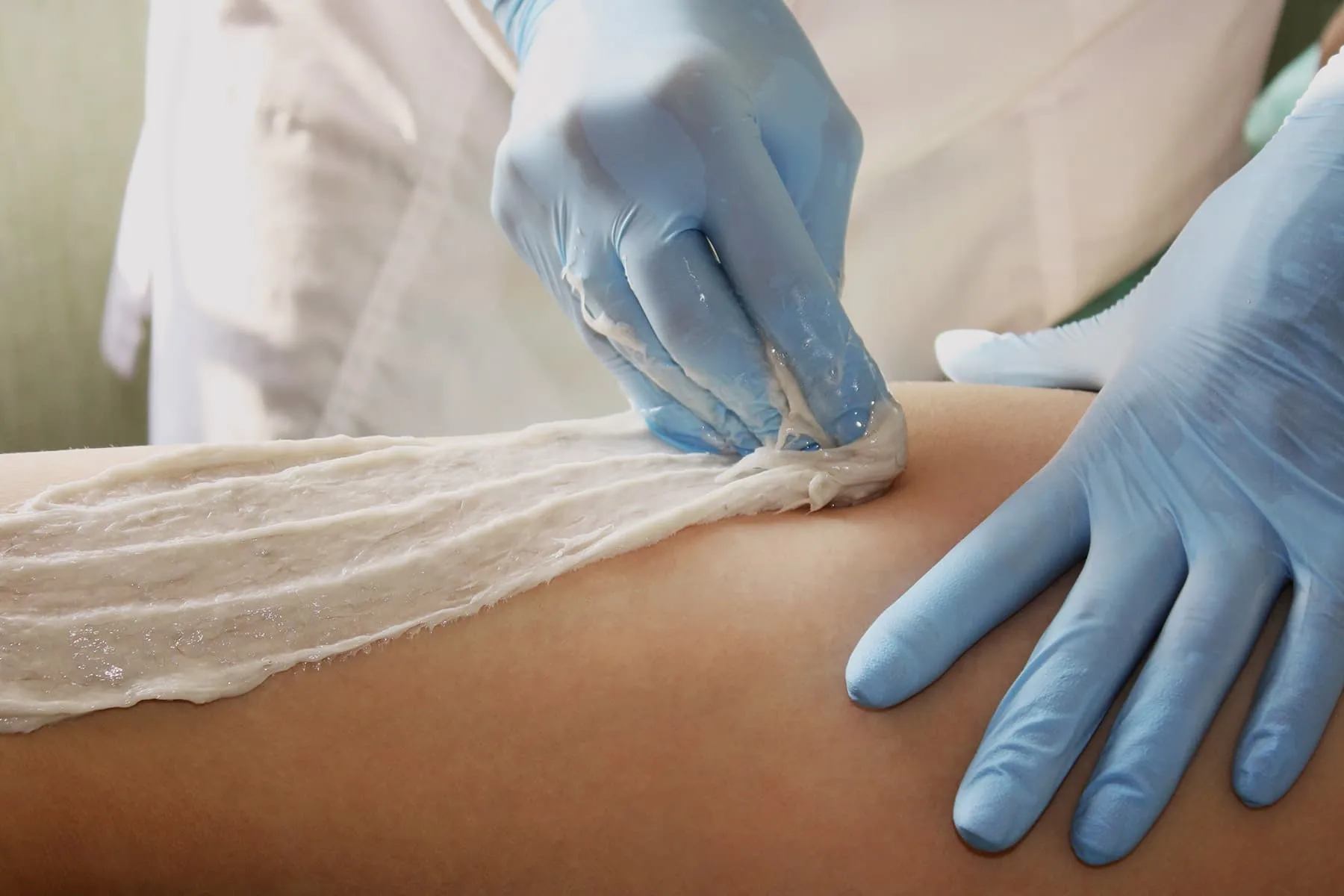
Waxing, aggressive shaving, dermaplaning, microdermabrasion, chemical peels, tattoos, piercings, and some laser procedures intentionally stress or injure the skin. Because skin trauma can trigger psoriasis in the injured area, avoid performing these procedures over active plaques and seek medical guidance before booking them.
For shaving, soften the hair with warm water, use a fragrance-free shaving cream, shave in the direction of growth, and avoid repeatedly passing over the same spot. Replace dull blades, which drag against the skin. Electric trimmers may cause less friction for some people.
A reputable cosmetic professional should be willing to discuss psoriasis, inspect the intended treatment area, modify the procedure, or decline treatment during a flare. Anyone who promises that a peel, facial, detox wrap, or mystery botanical oil will “cure” psoriasis deserves the same level of trust as a magician offering tax advice.
Know When Beauty Care Is Not Enough
Contact a health professional when plaques are cracking, bleeding, oozing, warm, increasingly painful, or surrounded by spreading redness. Seek care for severe scalp symptoms, significant hair loss, lifting nails, suspected infection, or psoriasis affecting sensitive areas such as the eyelids or genitals.
You should also discuss joint pain, morning stiffness, swollen fingers or toes, heel pain, or unexplained fatigue with a clinician. Psoriasis can be associated with psoriatic arthritis, and early evaluation matters. Skin care can improve comfort and appearance, but it cannot replace treatment for uncontrolled inflammatory disease.
Psoriasis Beauty Care Experiences: What Trial and Error Often Looks Like
The following composite experiences illustrate common lessons reported by people managing psoriasis. They are not individual medical case histories, and they should not replace advice from your own clinician.
Experience One: The “More Exfoliation Must Be Better” Phase
Imagine someone with facial psoriasis noticing flakes around the hairline before an important work presentation. The first instinct is to scrub. A cleansing brush appears, followed by an exfoliating toner, a textured cotton pad, and a facial scrub with particles apparently borrowed from a gravel driveway.
For an hour, the skin looks smoother. By evening, it feels hot and tight. The next morning, the treated area is redder, more sensitive, and considerably harder to cover with makeup. The lesson is not that scale must be ignored. It is that scale usually responds better to controlled treatment, hydration, and time than to force.
A more successful routine begins several days before the event: short warm showers, consistent moisturizing, prescribed treatment, and no surprise product launches. On presentation day, a thin layer of hydrating foundation is pressed over intact skin. The finish is not digitally filtered, but it is comfortable and convincing. Most importantly, the person can focus on the presentation instead of wondering whether their face is quietly filing a complaint.
Experience Two: Solving a Scalp Problem Without Punishing the Hair
Another common experience involves someone treating scalp psoriasis by vigorously scratching away every visible flake. Dark clothing becomes stressful, so the person shampoos more frequently, uses hotter water, and brushes harder. The scalp grows increasingly sore, and extra hair appears in the shower drain.
The turning point comes after changing the goal from “remove every flake immediately” to “calm the inflammation consistently.” Treatment is applied in sections directly to the scalp. Scale is softened before being loosened gently. The blow-dryer moves to a cooler setting, tight hairstyles take a vacation, and scratching is replaced with itch-relief strategies recommended by a dermatologist.
Progress is less dramatic than a makeover montage. It is measured in smaller victories: fewer sore spots, less visible scale, a more comfortable wash day, and reduced shedding. The experience demonstrates that effective scalp beauty care often looks boring from the outside. Boring, however, can be wonderfully stylish when it works.
Experience Three: Building a “Safe Shelf” of Reliable Products
A third person may own a cabinet full of trendy products but have no idea which one causes burning. During a flare, everything is stopped except a gentle cleanser, one familiar moisturizer, sunscreen, and prescribed treatment. Once the skin becomes calmer, products are reintroduced one at a time.
A fragranced serum fails the test. A plain ceramide cream succeeds. A full-coverage matte foundation emphasizes every dry patch, while a lighter cream formula applied with a damp sponge feels better. The rejected products are not necessarily bad products; they are simply poor matches for this person’s skin.
Over time, a small “safe shelf” develops. It contains reliable essentials that can be used before work, travel, photographs, and special occasions without gambling on a reaction. The routine may not generate an exciting unboxing video, but it creates something more valuable: confidence.
These experiences share a practical theme. Psoriasis beauty care improves when the routine becomes gentler, simpler, and more observant. Success is not defined by hiding every mark. It may mean applying makeup without pain, washing your hair without scratching, wearing nail polish without damaging fragile nails, or leaving the house without spending an hour negotiating with your skin.
Conclusion
Psoriasis can complicate beauty care, but it does not have to control it. Build your routine around gentle cleansing, frequent moisturizing, careful product testing, sun protection, low-friction makeup techniques, scalp-friendly hairstyling, and conservative nail care. Avoid treating plaques like stubborn stains that need to be scrubbed, peeled, or polished away.
Most importantly, let comfort be part of your definition of beauty. A product that looks impressive but burns, cracks, or inflames your skin has failed the audition. A simple moisturizer that keeps your skin calm all day may be the quiet superstar of the entire routine.