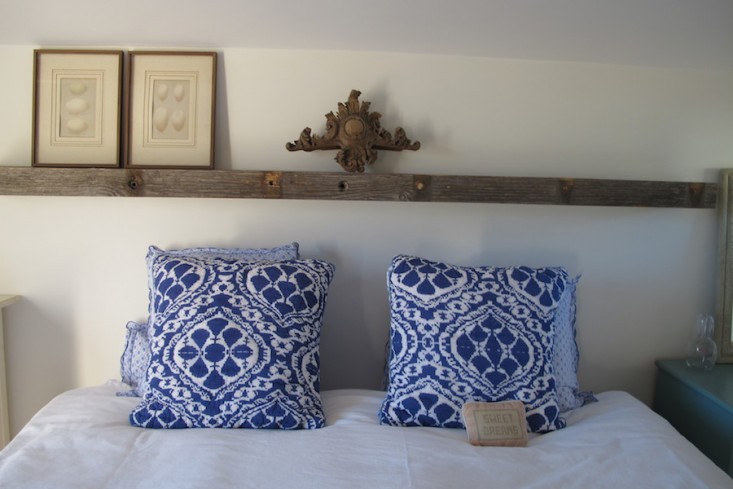
Some award-winning bedrooms announce themselves with custom millwork, marble fireplaces, and a furniture budget capable of making a checking account quietly leave the country. Anne S. Holtermann’s celebrated bedroom takes a different route. It feels personal rather than packaged, luxurious where comfort matters, and resourceful everywhere else.
Named the Best Amateur-Designed Bedroom in the 2014 Remodelista Considered Design Awards, Holtermann’s room demonstrates that memorable interior design does not require a professional title or a truckload of coordinated furniture. Its appeal comes from large windows, pale stone flooring, reused furnishings, informal color, natural objects, and one exceptionally comfortable bed. The result is a bedroom that appears relaxed without being careless and refined without acting impressed with itself.
An Amateur Bedroom With a Professional Sense of Purpose
The word “amateur” can be misleading. In Holtermann’s case, it does not mean unfinished or unskilled. It means that the room was designed outside a conventional interior-design practice, using personal judgment, artistic instinct, existing possessions, and practical problem-solving.
Holtermann, an artist known for large-scale abstract and color-field painting, approached the bedroom much as a painter might approach a canvas. She balanced quiet areas with brighter accents, rough architectural elements with polished textiles, and old furniture with a highly luxurious bed.
Her stated goal was to create a room that could be calm and romantic for two people but equally peaceful for one. That distinction matters. Rather than designing a staged bedroom that looks good only in photographs, she created a short-term rental space intended to make real guests comfortable.
From Shambles to Sanctuary
The bedroom belonged to a small maisonette that Holtermann refurbished from top to bottom. The property had been in poor condition when she acquired it, so the transformation required more than choosing attractive pillows. She had to develop a consistent environment from a neglected structure while keeping practicality in mind.
Her material palette included local, found, old, and reused elements. This gave the room a sense of history that cannot be ordered as a matching set. The bedroom looks as though it developed gradually, even though its final composition is highly intentional.
Why Anne S. Holtermann’s Bedroom Works
Natural Light Establishes the Mood
Large windows supply the bedroom with generous daylight, creating the summery atmosphere praised by guest judge Gael Towey. Sunlight animates the stone floor, soft bedding, wooden furniture, and colorful accessories differently throughout the day.
This changing light prevents the neutral foundation from feeling flat. Morning sun may make the room crisp and energetic, while softer afternoon light emphasizes its aged surfaces and relaxed character. Modern bedroom designers also frequently recommend planning around natural light because it can transform color, artwork, and the perceived openness of a space.
Holtermann’s design also reveals an important distinction between daytime brightness and nighttime rest. A bedroom may welcome sunlight during waking hours while still using shutters, shades, or curtains to control light at bedtime. The best bedrooms do not choose between bright and dark; they offer both when each is useful.
Travertine Floors Provide a Timeless Foundation
One of Holtermann’s favorite elements is the cathedral travertine flooring. She originally considered wood, but the stone proved slightly less expensive and looked as though it had always belonged in the building.
That sense of permanence gives the room architectural credibility. The floor is not merely a decorative finish placed beneath the furniture. Its variation, texture, and natural color influence everything above it. Creamy bedding, aged wood, painted surfaces, and informal accessories all feel more grounded against stone.
Travertine can sometimes appear formal, especially in grand entrances where it seems prepared to inspect visitors’ shoes. Here, however, it feels casual. The warm coloration, visible texture, and contact with rustic elements make it approachable rather than ceremonial.
A Rough Beam and Picture Rail Create Visual Rhythm
Above the bed, a slim picture rail visually echoes a rough structural beam overhead. Towey compared the rail to a drawing on the wall, an especially suitable observation considering Holtermann’s background as a painter.
The relationship between these two horizontal elements gives the bedroom structure without requiring a massive headboard or an elaborate feature wall. The beam supplies age and weight; the rail answers it with a lighter line below. Together, they frame the sleeping area and lead the eye across the room.
This is a valuable lesson for amateur decorators: architecture can be repeated rather than concealed. A beam, niche, sloped ceiling, uneven wall, or old molding may become the starting point for a composition. Not every irregularity needs to be bullied into looking new.
The Charm of Mismatched Bedside Furniture
Instead of purchasing identical nightstands, Holtermann positioned two different dressers beside the bed. Each piece provides a generous surface and useful storage, allowing the furniture to perform several jobs at once.
The arrangement is particularly effective in a small rental. Conventional nightstands might offer one narrow drawer and enough tabletop space for a lamp, a glass of water, and a novel that has remained on page 14 since February. Dressers can hold clothing, spare linens, travel items, and bedside necessities without introducing extra furniture.
Mismatched bedside pieces also give the room personality. Design guidance from Houzz and other U.S. interiors publications suggests that different nightstands can feel cohesive when they share similar visual weight, height, color relationships, hardware, lamps, or materials. They do not have to be twins; they merely need to appear capable of a civil conversation.
How to Make Mismatched Furniture Look Intentional
The secret is to repeat something. Two unrelated dressers may be connected by matching lamps, similar wood tones, coordinated paint, equal-size mirrors, or a common color elsewhere in the room. Bedding can also act as a bridge, distributing tones from both pieces across the bed.
Scale matters as much as style. One bedside piece should not feel like a dollhouse table while the other resembles a municipal filing cabinet. Their dimensions may differ, but their visual presence should remain reasonably balanced.
Saving on Furniture and Splurging on Sleep
Nearly all the furniture in Holtermann’s room came from pieces she had kept in storage. Some required cleaning or repainting, but she did not need to purchase an entirely new bedroom suite.
This decision saved money while making the interior more distinctive. Reused furniture carries variations in age, finish, proportion, and construction that naturally produce a collected atmosphere. Reclaimed materials and older pieces are also valued for their patina, history, and ability to add character that new mass-produced furnishings may lack.
Holtermann then directed her major investment toward the bed: an emperor-size DUX model with a goose-down topper and expensive linens. Guests reportedly thanked her for it, which is more useful feedback than any decorative trend report.
The Bed as the Room’s Luxury Center
Her spending strategy follows a sensible hierarchy. A dresser must open, close, and hold clothing. A bed must support hours of sleep night after night. By reusing case goods and investing in the mattress, topper, and linens, she prioritized physical experience over showroom uniformity.
The bed also acts as the visual center of the room. Quality bedding adds softness against the hard travertine and rough beam. Its volume and texture create an inviting focal point without requiring excessive ornament.
Layered textiles are frequently recommended for bedrooms because they introduce warmth, depth, and tactile comfort. Natural fabrics, pillows, blankets, and seasonal layers can soften architectural edges and keep a restrained palette from becoming bland.
Color and Calm Can Occupy the Same Room
Holtermann described her preferred balance as a mixture of color and calm: clean but interesting. That phrase explains why the room remains memorable without appearing busy.
The permanent elements are comparatively quiet. Stone flooring, pale walls, weathered furniture, and natural wood provide a stable background. Color arrives through accessories that can be moved, replaced, or rearranged with little effort.
A bright pillow, ceramic vessel, textile, flower arrangement, or small piece of art can alter the room’s emphasis without starting another renovation. This flexibility is especially useful in a rental property, where furnishings must appeal to different guests and survive repeated use.
Flexible Decorating Is Better Than Trend Chasing
Many interiors age quickly because their strongest visual statement is permanently attached to a wall, floor, or expensive furniture item. Holtermann’s method places personality in adaptable layers.
The room can become more colorful in summer, more textural in winter, or more restrained when a quieter atmosphere is desired. The foundation stays consistent while the accessories do the seasonal gymnastics.
Nature as an Affordable Design Source
Holtermann cited architectural salvage shops and the natural world among her favorite sources. Driftwood, branches, stones, and other found objects attracted her attention, sometimes strongly enough that she carried rocks considerable distances.
Natural objects work particularly well in this bedroom because they relate to the existing materials rather than acting as an unrelated theme. A worn branch makes sense beside a rough beam. A smooth stone complements travertine. Faded wood connects with the old furniture.
The approach is different from filling a room with mass-produced “rustic” accessories. An authentic found object has its own irregularity and story. It should be cleaned, inspected, and displayed selectively, but it does not need to match anything perfectly.
One sculptural branch can be enough. Bring home an entire forest and the bedroom may begin charging admission.
Practical Lessons for DIY Bedroom Designers
Begin With the Room, Not a Shopping Cart
Before buying anything, study the architecture. Identify the best wall for the bed, the direction of daylight, the strongest existing material, and the features worth preserving. Holtermann’s beam, windows, and stone floor became assets because the design responded to them.
Reuse Before Replacing
Review furniture already in storage, inherited pieces, thrift-store finds, and items from other rooms. A small dresser may work better beside a bed than the narrow table sold under the official title of “nightstand.” Paint, new hardware, cleaning, or minor repairs can make unrelated pieces feel refreshed.
Invest Where the Body Notices
Spend more on the mattress, pillows, bedding, window control, and practical lighting. These items influence daily comfort. Decorative objects can come later and may cost very little.
Give Contractors Precise Instructions
One of Holtermann’s hardest-earned renovation lessons was to explain every installation detail clearly. She specifically noted that contractors should not be expected to infer a desired tile pattern.
For any project, confirm layouts, grout lines, paint boundaries, fixture heights, hardware placement, and material orientation before work begins. A five-minute conversation is cheaper than staring at incorrectly installed tile for the next 15 years.
Design for Real Maintenance
A guest bedroom must remain manageable. Durable surfaces, useful storage, washable textiles, clear walking paths, and limited clutter make the space easier to reset. Calm is difficult to maintain when every available surface becomes an archaeological site of receipts, charging cables, and mystery socks.
How to Recreate the Anne S. Holtermann Bedroom Style
- Choose a quiet foundation. Use warm white, cream, sand, muted blue, weathered wood, or pale stone as the room’s visual base.
- Preserve architectural character. Highlight beams, old trim, plaster texture, stone, or unusual ceiling lines rather than automatically covering them.
- Position the bed as the focal point. Give it visual importance through scale, bedding, artwork, or an architectural line above it.
- Try mismatched bedside pieces. Select dressers or tables with comparable height and visual weight, then connect them through lamps, color, or accessories.
- Layer quality bedding. Combine comfortable sheets, a supportive topper, pillows, a duvet, and one or two tactile accent pieces.
- Add movable color. Use pillows, flowers, ceramics, art, and throws rather than relying entirely on permanent finishes.
- Include one natural object. A branch, smooth stone, handmade vessel, or piece of driftwood can bring organic character without turning the room into a themed display.
- Edit ruthlessly. Leave enough open space for the materials and furniture to be noticed.
Why the Design Still Feels Relevant
Although Holtermann won the award in 2014, the bedroom aligns with many ideas that remain prominent in contemporary interiors: reused furniture, natural materials, individualized rooms, layered textiles, adaptable color, and reduced dependence on matching sets.
Its relevance comes from values rather than trends. Comfort is unlikely to go out of style. Neither are daylight, practical storage, meaningful objects, craftsmanship, and rooms that reflect their occupants.
The design also challenges the idea that a bedroom must be either minimalist or eclectic. Holtermann’s space is both restrained and collected. There are old pieces and colorful accents, but the composition still has breathing room. It is warm minimalism without the beige uniform and eclecticism without the decorative stampede.
Extended Experience Notes: What Living With This Design Approach Teaches You
Applying Holtermann’s principles to a real bedroom usually begins with an uncomfortable discovery: the room may not need more decoration. It may need fewer poorly chosen objects, better furniture placement, softer light, and a bed that no longer feels like a temporary camping arrangement.
The first noticeable improvement often comes from rearranging rather than purchasing. Centering the bed on a stronger wall can give the room immediate order. Moving a small dresser beside the mattress may solve both bedside storage and clothing overflow. Removing one unnecessary chair can create a clear walkway and eliminate the traditional bedroom monument known as the Laundry Pile Throne.
Mismatched furniture can initially feel risky, particularly after years of being told that bedroom pieces should arrive together in a coordinated family. In practice, different bedside tables often make the space feel more relaxed. The important step is editing. Similar lamps, repeated colors, or equal visual weight keep the arrangement from appearing accidental.
Reusing older furniture also changes the pace of a bedroom project. Instead of trying to complete the room during one heroic shopping weekend, you begin noticing what each piece contributes. A scratched dresser may need only cleaning and new hardware. A table from another room may become more useful beside the bed. An inherited chest can provide the age and character that a room full of new furniture lacks.
The experience also proves that comfort should be tested physically, not judged from a product photograph. Sheets should feel pleasant against the skin. Pillows should support the sleeper’s preferred position. Bedside lighting should be reachable without performing nighttime acrobatics. Curtains should admit daylight when open and control it when closed.
Natural materials introduce another kind of learning. Stone, wood, linen, and old metal are not perfectly uniform. They develop patina, show wear, and respond to changing light. Accepting those variations can make a bedroom easier to live with because the goal shifts from keeping everything showroom-perfect to allowing the room to age gracefully.
Small movable accents provide the most enjoyable experimentation. A blue pillow may cool the palette; a rust-colored throw may make it warmer. Fresh branches can emphasize the room’s organic character, while a simple ceramic vase can add form without clutter. These changes are inexpensive, reversible, and surprisingly powerful.
The greatest lesson is that calm is not created by emptiness alone. It comes from clarity. Every major object should have a reason to be present, whether that reason is comfort, storage, beauty, memory, or architectural balance. When a room contains useful furniture, meaningful details, generous light, and enough open space to breathe, it becomes more than photogenic. It becomes restorative.
That is the lasting appeal of Anne S. Holtermann’s bedroom. It does not ask homeowners to imitate every object. It encourages them to trust materials, reuse what has value, invest in genuine comfort, and design around the way a bedroom should feel. The finished room may not look identical to hersand that is precisely the point.
Conclusion
Anne S. Holtermann’s award-winning bedroom succeeds because it feels discovered rather than manufactured. Its travertine floor, rough beam, picture rail, large windows, reused dressers, natural objects, vivid accents, and luxurious bed form a room that is practical, artistic, and genuinely restful.
For amateur designers, the project offers reassuring evidence that strong interiors do not depend on buying everything new. They depend on observing the architecture, understanding scale, balancing color with quiet, and knowing when a splurge will improve daily life. A great bedroom is not the one with the longest shopping receipt. It is the one that makes closing the door feel like an upgrade.