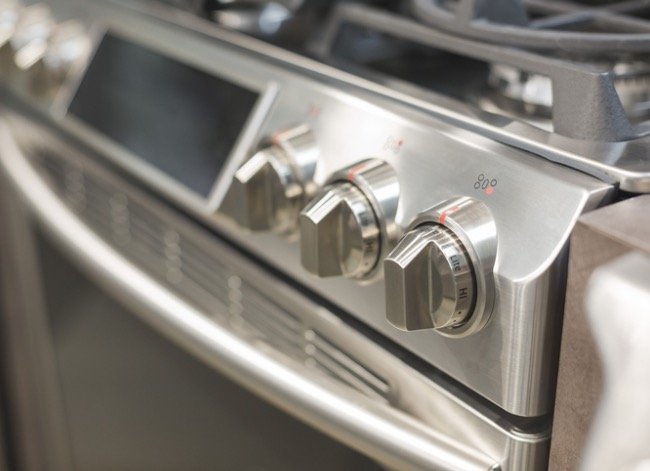
Stainless steel appliances have long been the little black dress of kitchen design: polished, versatile, and apparently suitable for everything. Unfortunately, traditional stainless steel also behaves like an unpaid forensic investigator. Touch the refrigerator once, and it proudly preserves the evidence.
Fingerprint-resistant stainless steel was developed to solve that daily annoyance. Also marketed as smudge-proof, print-resistant, or easy-clean stainless steel, this finish is designed to hide oily marks, reduce streaking, and make routine cleaning less demanding. It does not make an appliance completely immune to fingerprints, spaghetti sauce, dog noses, or children conducting hands-on refrigeration research. It simply makes those marks less visible and easier to remove.
Before paying extra for the finish, homeowners should understand how it works, how it differs from ordinary stainless steel, how to clean it safely, and whether appliances from different brands will actually match.
What Is Fingerprint-Resistant Stainless Steel?
Fingerprint-resistant stainless steel is generally a stainless steel appliance surface protected by a factory-applied coating or manufactured with a specially textured finish. The treatment reduces the contrast between the metal and the natural oils left behind by fingers.
On regular stainless steel, skin oil spreads across the smooth surface and reflects light differently from the surrounding metal. That contrast creates the familiar dark smudge. A fingerprint-resistant surface is typically more matte, more heavily brushed, or covered with a transparent protective layer that makes oils less noticeable.
Many factory finishes use a durable clear coating similar in principle to the protective topcoat applied over automotive paint. The coating does not prevent contact with the steel, but it helps reduce the visual impact of oils and grease while making everyday marks easier to wipe away.
Fingerprint-resistant does not mean fingerprint-proof
The terminology can be slightly optimistic. A refrigerator labeled fingerprint-resistant can still show greasy handprints, cooking residue, dried water, and sticky fingerprints from someone who recently encountered a peanut butter sandwich.
The main difference is visibility. Marks typically appear lighter, blend into the brushed finish more effectively, and disappear with less scrubbing. In a busy household, that can reduce the need to polish appliance doors every afternoon as though the kitchen is preparing for an inspection.
How the Smudge-Resistant Finish Works
A protective surface coating
Many appliance manufacturers apply a clear polymer-based or resin-like coating during production. The exact formula varies by brand and is usually proprietary. Once cured, the layer forms a hard, transparent skin over the metal.
This coating serves two practical purposes. First, it reduces the ability of skin oils to create sharply defined marks. Second, it creates a surface that releases routine dirt more easily during cleaning. The result is not invisible dirt; it is dirt that is less dramatic.
A brushed or matte texture
Some fingerprint-resistant appliances also have a deeper brushed grain or a lower-gloss appearance. Instead of reflecting light like a bright sheet of metal, the surface scatters light across thousands of tiny lines. Minor prints, streaks, and water spots therefore become less obvious.
This explains why smudge-resistant stainless steel may look slightly darker or softer than traditional stainless steel. It can still deliver a contemporary appearance, but it may not have the bright, almost mirror-like shine associated with older premium appliances.
Different metals beneath the finish
Stainless steel is not one single material. It is a family of iron-based alloys containing chromium and, depending on the grade, nickel and other elements. Differences in composition influence color, corrosion resistance, hardness, and magnetism.
Because the protective coating contributes to the final appearance, a manufacturer may not need to use the same highly polished stainless steel grade found on an uncoated appliance. Some fingerprint-resistant panels are therefore magnetic, while some traditional stainless steel panels are not. Magnetism alone does not prove that an appliance is cheap, fake, or less durable.
Benefits of Fingerprint-Resistant Stainless Steel Appliances
Less visible smudging
The most obvious advantage is a cleaner-looking kitchen. Refrigerator doors, dishwasher panels, oven fronts, and microwave trim tend to maintain a more uniform appearance between cleanings.
This benefit becomes particularly noticeable in homes with children, frequent guests, open-concept kitchens, or refrigerators that receive more daily traffic than a small airport.
Faster routine cleaning
Most fresh marks can be removed with a damp microfiber cloth. Mild dish soap and warm water are usually enough for greasy spots. Maytag, for example, recommends washing fingerprint-resistant surfaces with warm water and mild detergent, then drying thoroughly with a clean microfiber or soft cloth.
Traditional stainless steel often requires careful polishing to eliminate streaks. A coated finish usually demands less elbow grease and fewer specialty products.
Additional protection for the metal
The outer coating acts as a barrier between the stainless steel and everyday contaminants. It can help protect the underlying metal from light staining and minor surface wear. However, that barrier is not armor. Keys, abrasive pads, metal utensils, and enthusiastic moving crews can still scratch it.
A practical choice for coordinated kitchens
Fingerprint-resistant finishes are now available on refrigerators, ranges, wall ovens, dishwashers, microwaves, beverage centers, and other major appliances. Buying a coordinated suite from one product line can create a consistent appearance with relatively low maintenance.
Potential Drawbacks to Consider
Finishes do not always match
“Stainless steel” is a broad color category, not a universal paint chip. One manufacturer’s fingerprint-resistant stainless may be warm gray, another may lean blue, and a third may have a darker charcoal undertone.
The direction and depth of the brushed grain also affect how an appliance reflects kitchen lighting. Two appliances can look identical in an online product gallery and noticeably different when installed side by side under pendant lights.
Mixing brands is possible, but shoppers should compare physical samples whenever appearance matters. Even appliances from the same manufacturer may differ if they belong to separate collections or production generations. Variations in steel grade, brushing, and coating can influence both color and reflectivity.
Scratches can be difficult to repair
A scratch on bare stainless steel may sometimes be blended with a polishing compound or scratch-removal kit. A scratch through a coated surface is more complicated because polishing one spot can remove additional coating and create a glossy patch.
Before attempting a repair, check the appliance manual and warranty. Cleaning experts consistently caution that abrasive pads, aggressive sanding, and harsh chemicals can alter synthetic, black, or fingerprint-resistant finishes.
The finish may cost more
Some manufacturers include fingerprint resistance as a standard feature, while others reserve it for specific models or premium collections. When two otherwise similar appliances are available, the treated finish may carry a modest price increase.
The premium can be worthwhile for a highly visible refrigerator or dishwasher. It may be less important on an appliance located in a pantry, rental unit, or low-traffic kitchenette.
Replacement panels may reveal color differences
If a door or exterior panel requires replacement years later, the new component may not perfectly match the aged finish around it. Product revisions, light exposure, cleaning habits, and ordinary wear can all contribute to subtle differences.
How to Clean Fingerprint-Resistant Stainless Steel
The safest rule is refreshingly boring: begin with the gentlest method recommended by the manufacturer. This is not the moment to empty the cleaning cabinet and create a homemade chemistry fair.
Step 1: Check the care manual
Confirm that the appliance is coated fingerprint-resistant stainless steel rather than ordinary, black-painted, or uncoated stainless steel. Products that work on bare metal may damage a clear coating.
Step 2: Remove loose debris
Use a dry, clean microfiber cloth to remove dust and crumbs. Trapped grit can scratch the finish when rubbed across the door.
Step 3: Use warm water and mild dish soap
Dampen a soft cloth with warm water and a small amount of mild detergent. Do not soak control panels, seams, handles, vents, or dispenser openings.
Step 4: Wipe with the grain
Look closely at the surface to identify whether the brushed lines run vertically or horizontally. Move the cloth in that direction. Cleaning with the grain helps lift residue from the textured surface and reduces streaking.
Step 5: Rinse and dry
Wipe away soap with a second cloth lightly dampened with clean water. Immediately dry the area with a fresh microfiber cloth. Allowing water to evaporate naturally may leave mineral spots or streaks.
Products to avoid
- Steel wool and metallic scrubbers
- Abrasive powders or scouring pads
- Chlorine bleach
- Ammonia-based products unless specifically approved
- Oven cleaner on exterior panels
- Unapproved stainless steel polish
- Undiluted acidic cleaners
- Magic erasers or melamine foam without manufacturer approval
Although vinegar, baking soda, oils, and commercial metal polishes are often recommended for ordinary stainless steel, they are not universally safe for coated appliances. Manufacturers’ instructions should take priority over general cleaning advice. Harsh chemicals or abrasive tools can cut through the protective layer and leave permanent dull areas.
Fingerprint-Resistant vs. Traditional Stainless Steel
| Feature | Fingerprint-Resistant Stainless | Traditional Stainless Steel |
|---|---|---|
| Visibility of fingerprints | Reduced | Usually high |
| Surface appearance | Often matte or heavily brushed | Usually brighter and more reflective |
| Routine cleaning | Usually mild soap and microfiber | May require polishing to prevent streaks |
| Scratch repair | Difficult if the coating is damaged | Some light scratches may be blended |
| Magnet compatibility | Varies; many panels are magnetic | Varies by stainless steel grade |
| Color matching | Can vary significantly by brand | Also varies, but may look brighter |
| Typical cost | Sometimes slightly higher | Often available at every price level |
What About Black Stainless Steel?
Black stainless steel is usually standard stainless steel covered with a dark protective finish. It is commonly fingerprint-resistant and offers a warmer, more dramatic alternative to bright metal.
The downside is repair visibility. A deep scratch can expose the silver-colored steel beneath the dark coating, producing a contrast that is difficult to ignore. Black stainless finishes also vary widely among brands, so mixing appliances can create a kitchen with several interpretations of the word “black.”
Homeowners who choose black stainless should compare finish samples, ask about touch-up products, and avoid dragging magnets, baskets, or decorative signs across the doors.
How to Choose the Right Finish
Compare appliances in person
Retail lighting is not identical to residential lighting, but an in-person comparison is still more reliable than judging compressed product photographs. View the appliance from several angles and place finish samples beside one another.
Bring a cabinet or hardware sample
Stainless steel can appear cooler beside cream cabinets and warmer beside blue-gray cabinets. Bring a door sample, backsplash tile, countertop chip, or cabinet handle when shopping for a coordinated kitchen.
Test the surface realistically
With a salesperson’s permission, touch the display with clean fingers and observe the mark from different angles. Then ask how the surface should be cleaned. A finish may resist dry fingerprints beautifully but show oily residue more clearly.
Prioritize performance over finish
Smudge resistance is useful, but it should not outrank refrigeration consistency, oven accuracy, dishwasher cleaning performance, noise level, repair access, capacity, or warranty coverage. A beautiful refrigerator that cannot keep lettuce alive is merely a very large metallic cabinet.
Check every visible surface
Some appliances use fingerprint-resistant material only on the main door panel. Handles, control strips, dispenser surrounds, end caps, and lower drawers may use a different metal or plastic. Inspect the entire front rather than relying on the finish name alone.
Are Fingerprint-Resistant Appliances Worth It?
For most busy households, the finish is worth considering. It improves day-to-day appearance, reduces cleaning effort, and helps large appliance surfaces look presentable without constant polishing.
The value is highest on frequently touched appliances, particularly French-door refrigerators, front-control dishwashers, microwave handles, and range control panels. It is also useful in open kitchens where appliances remain visible from living and dining areas.
Traditional stainless steel may still be preferable for homeowners who want a brighter commercial look, plan to mix older appliances with new ones, or want a surface that offers more conventional refinishing options.
The best choice depends on expectations. Choose fingerprint-resistant stainless steel for easier upkeep, not total immunity from household life.
Real-World Experience: What Daily Ownership Often Feels Like
The difference between ordinary and fingerprint-resistant stainless steel is usually most noticeable during the first week of ownership. A traditional stainless refrigerator can collect a surprising number of marks before lunch. On a resistant finish, many of the same touches simply disappear into the grain unless sunlight hits the door at a revealing angle.
A typical family experience begins with optimism. The new refrigerator arrives, the protective film is peeled away, and everyone briefly agrees to use only the handles. That agreement commonly lasts until someone closes the freezer drawer with a knee, a child presses both palms against the door, or a grocery bag leaks something mysterious near the dispenser.
The good news is that the appliance generally continues to look respectable. Dry fingerprints from ordinary use may be difficult to see from across the room. Greasy marks remain visible, but they usually look like soft shadows instead of complete fingerprint records suitable for a detective show.
Cleaning habits also become simpler. Instead of reaching for a polish every time the refrigerator catches the afternoon light, owners can keep a clean microfiber cloth nearby and wipe the handles and dispenser area as needed. A more thorough soap-and-water cleaning once a week is often enough for the main doors. Homes with toddlers, enthusiastic cooks, or several roommates may need more frequent attention, but the job generally takes minutes rather than becoming a polishing ceremony.
One unexpected lesson is that the handles may get dirtier than the doors. The fingerprint-resistant coating is often most effective on broad flat panels, while handles may have a different texture or finish. Cleaning the handles regularly prevents oils from transferring back onto freshly wiped doors.
Another common experience appears when homeowners replace appliances one at a time. The new smudge-resistant dishwasher may look darker than an older refrigerator, even though both were sold as stainless steel. During the day, the difference may be subtle. At night, under warm island lighting, the appliances can suddenly look like distant cousins rather than members of the same suite.
Magnets provide another small surprise. Some coated refrigerators hold magnets extremely well, while others accept magnets only on the sides. Buyers who use the refrigerator as a household command center should test this in the showroom rather than assuming. Calendar placement is serious business, especially when the calendar is holding three school schedules, a takeout menu, and artwork depicting what may or may not be a horse.
Scratches are the concern that changes owner behavior most. After learning that aggressive polishing can damage the coating, many people become more careful with magnetic baskets, metal clips, and cleaning pads. That caution is useful. A soft cloth and gentle detergent are normally all the finish needs, and using stronger products “for extra shine” can create the very problem the owner was trying to prevent.
Over time, the greatest advantage is not that the appliance always looks brand-new. It is that the kitchen looks acceptably clean with less effort. Fingerprint resistance turns stainless steel from a high-maintenance showpiece into a more forgiving everyday finish. For households that cook frequently and do not want to follow every meal with appliance detailing, that modest improvement can feel surprisingly luxurious.
Final Thoughts
Fingerprint-resistant stainless steel appliances combine the familiar modern look of stainless steel with a more practical surface treatment. Their coatings and brushed textures reduce visible smudges, simplify routine cleaning, and offer added protection against everyday grime.
They are not completely fingerprint-proof, immune to scratches, or guaranteed to match appliances from another brand. Shoppers should compare finishes in person, review manufacturer care instructions, and choose performance features before cosmetic extras.
For a busy kitchen, however, fingerprint resistance can be a worthwhile upgrade. The finish will not stop anyone from touching the refrigerator, but it may prevent the refrigerator from announcing exactly who did it.