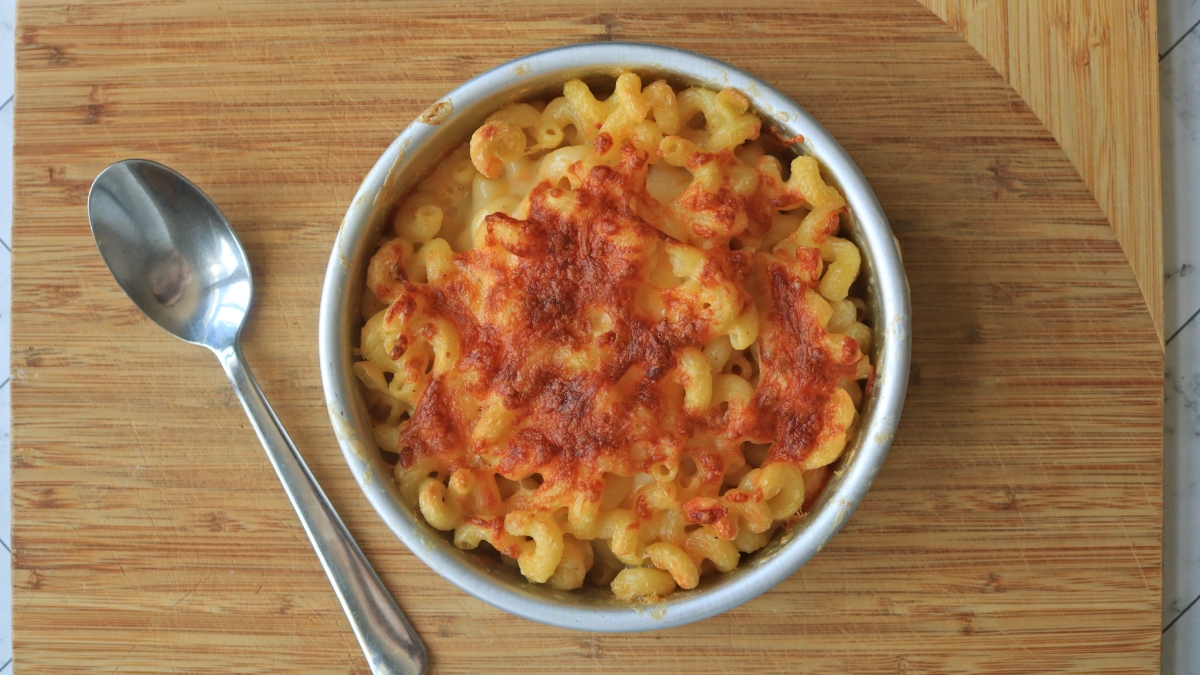
Broiling is the kitchen equivalent of turning on stadium lights: intense, direct, dramatic, and not exactly subtle. It is the setting we reach for when we want bubbling cheese, crisp edges, caramelized vegetables, golden fish, or a steak that looks like it has been kissed by a backyard grill. Traditionally, that meant firing up the oven broiler, waiting for the big metal box to get angry-hot, and then hovering nearby like a nervous stage parent.
But there is a smaller, faster, and often friendlier option sitting right on the counter: the air fryer. More specifically, many modern air fryers and air-fryer ovens now include a broil, air broil, grill, or max crisp function. And even models without a dedicated broil button can often mimic broiling with high heat, strong airflow, and smart food placement.
So, why should you broil in your air fryer instead of your oven? Because for small and medium portions, the air fryer can deliver faster browning, crispier texture, less preheating, easier cleanup, and a cooler kitchen. In other words, it gives you broiler drama without making your kitchen feel like a sauna wearing a chef hat.
What Does Broiling Actually Mean?
Broiling is a high-heat cooking method that uses intense heat from above to brown, crisp, char, or caramelize the surface of food. In a conventional oven, the broiler is usually a heating element at the top of the oven cavity. Food sits close to that element, and the top surface cooks quickly while the inside remains protected from long, slow heat exposure.
That is why broiling is excellent for finishing dishes. Think melted cheese on French onion soup, crisp breadcrumbs on mac and cheese, browned salmon, blistered peppers, juicy burger patties, toasted garlic bread, or asparagus with lightly charred tips. Broiling is not designed for slowly cooking a giant roast from raw to done. It is designed for speed, surface browning, and flavor-building.
The magic behind broiling is partly the Maillard reaction, the browning process that happens when heat transforms proteins and sugars on the surface of food. It is responsible for the golden crust on steak, the toasted edges of bread, and the delicious color on roasted vegetables. Basically, it is what makes food look like it belongs in a glossy cookbook instead of a sad cafeteria tray.
How an Air Fryer Changes the Broiling Game
An air fryer is essentially a compact convection cooker. It uses a heating element and a powerful fan to circulate hot air rapidly around food. That fast-moving air helps remove surface moisture, encouraging crisping and browning. In many models, the heating element sits above the basket or tray, which makes the air fryer naturally suited for broil-style cooking.
When you broil in an oven, heat blasts from above, but the oven cavity is large. That means more space to heat, more air to move, and often more time before the food starts browning effectively. In an air fryer, the cooking chamber is much smaller. Heat reaches the food quickly, airflow is concentrated, and moisture escapes from the surface faster.
The result? Small foods can crisp beautifully in a shorter time. Chicken wings, shrimp, thin steaks, salmon fillets, quesadillas, open-faced sandwiches, vegetable spears, and leftover pizza often perform beautifully under air fryer broil conditions.
1. Air Fryer Broiling Is Faster
The first big reason to use your air fryer broil setting is speed. A full-size oven often needs several minutes to preheat, and broiling can require close monitoring once the food goes in. Air fryers usually heat up much more quickly because the cooking space is compact. Some models need only a short preheat, while others can begin cooking effectively almost immediately.
For weeknight cooking, that matters. If you are broiling two salmon fillets, a handful of vegetables, or yesterday’s pizza slice, heating an entire oven can feel like renting a moving truck to carry one backpack. The air fryer is more appropriately sized for the job.
For example, imagine you want crisp chicken tenders after work. In an oven, you may wait for the broiler to heat, arrange the rack, monitor the pan, flip the food, and hope the smoke alarm does not decide to audition for Broadway. In an air fryer, you can place the tenders in a single layer, set a high temperature or broil mode, flip once if needed, and usually get crisp edges quickly.
2. It Creates Crispier Edges With Less Effort
Broiling in an air fryer is especially useful when you want crispness. The fan is the secret weapon. Airflow moves heat around the food, helping dry the surface while the top heat browns it. That combination is ideal for foods that become disappointing when they steam instead of crisp.
This is why overcrowding is the enemy. If food is stacked or packed tightly, the hot air cannot circulate properly. Instead of broiling, your ingredients sit in their own moisture and become soft. That is not dinner; that is a tiny humidity conference.
For the best air fryer broiling results, arrange food in a single layer and leave space between pieces. Use a perforated basket or rack when possible. Pat wet foods dry before cooking. For vegetables, a small amount of high-smoke-point oil can help browning. For proteins, season well and avoid overly sugary sauces until the last few minutes, because sugar can burn faster than your motivation on a Monday morning.
3. You Use Less Energy for Smaller Meals
A full-size oven is powerful, roomy, and wonderful for big batches. But when you are cooking one or two portions, it can be excessive. Air fryers generally use a smaller chamber, which means there is less space to heat and less time spent maintaining a hot cavity.
This does not mean the air fryer is always better for every cooking situation. If you are broiling a huge tray of nachos for a party, the oven may be more practical because of its capacity. But for a small dinner, a few servings of vegetables, reheating leftovers, or crisping a sandwich, the air fryer is usually the more efficient choice.
Think of it this way: your oven is the family SUV. Your air fryer is the zippy little scooter. If you are moving furniture, take the SUV. If you are going three blocks for a crispy grilled cheese, do not start the engine on the giant beast.
4. It Keeps the Kitchen Cooler
Anyone who has used an oven broiler in July knows the feeling: you wanted crispy fish, but now the kitchen feels like the inside of a dragon’s hoodie. Full-size ovens radiate heat into the room, especially during high-temperature cooking. Air fryers produce heat too, of course, but they usually affect the room less because they are smaller and cook faster.
This is a major advantage for apartments, small kitchens, summer meals, dorm-style cooking spaces, and busy households where the oven is already occupied. Air fryer broiling lets you get browned, crisp food without turning the kitchen into a weather event.
5. Cleanup Is Usually Easier
Oven broiling can be messy. Grease splatters, cheese bubbles over, crumbs burn onto pans, and if something drips onto the oven floor, you may smell that mistake for the next three cooking sessions. Air fryer baskets, trays, and racks are smaller, removable, and often easier to wash.
The key is cleaning promptly. After the appliance cools, remove crumbs, wipe grease, and wash the basket or tray according to the manufacturer’s instructions. If your air fryer has a top heating element, check the manual before cleaning near it. Built-up grease can smoke, smell unpleasant, and affect performance.
A simple habit makes a big difference: use parchment liners only when appropriate and never during preheating without food weighing them down. Loose parchment can fly upward toward the heating element, which is exciting in exactly the wrong way.
6. It Is Great for Leftovers
The air fryer may be the greatest leftover rescue device since the invention of the refrigerator. Oven broiling leftovers can work, but it often feels like too much effort for one slice of pizza or a few pieces of fried chicken. The microwave is fast, but it can turn crisp foods soft and rubbery.
Air fryer broiling sits in the sweet spot. It can revive pizza crust, re-crisp fries, brown the top of lasagna, warm garlic bread, and restore crunch to breaded chicken. The circulating heat helps drive away surface moisture while the top heat adds color and texture.
For leftovers, use moderate-to-high heat and check early. Already-cooked food does not need a long broil. It needs a refresh. Think spa day, not boot camp.
7. It Gives Better Control for Small Portions
One challenge with oven broiling is distance. Food must be positioned correctly under the broiler element. Too close, and it burns. Too far, and it dries out before it browns. In many ovens, the temperature is not as precise on broil mode as it is during baking.
Air fryers can feel more controlled for small portions because the food is closer to the heat and surrounded by moving hot air. Many models allow specific temperature and time settings, while basket-style models make it easy to pull food out, check progress, shake, flip, and continue.
That does not mean you can ignore the food completely. Broiling is still high-heat cooking. Keep an eye on anything with cheese, sugar, oil, breadcrumbs, or thin edges. But compared with crouching in front of an oven door and playing “Is it brown or is it smoke?” the air fryer often feels easier.
Best Foods to Broil in an Air Fryer
Salmon and Other Fish Fillets
Air fryer broiling is excellent for salmon because the surface browns quickly while the inside stays moist. Brush the fish lightly with oil, season with salt, pepper, garlic, lemon zest, or paprika, and broil until the top is browned and the fish flakes easily. Use a thermometer to confirm doneness; fish should reach a safe internal temperature of 145°F.
Chicken Wings and Drumettes
Wings love the air fryer because airflow helps render fat and crisp the skin. Start with dry wings, season them well, and cook in a single layer. If adding sauce, toss the wings near the end and broil briefly to set the glaze. This keeps the sauce sticky instead of burnt into tiny barbecue fossils.
Steak and Thin Chops
Thin steaks, pork chops, and lamb chops can benefit from air fryer broiling because high heat browns the exterior quickly. Let the meat sit at room temperature briefly before cooking, pat it dry, season generously, and avoid overcrowding. Check internal temperature carefully, because small cuts can go from juicy to overdone quickly.
Vegetables
Broccoli, asparagus, zucchini, mushrooms, Brussels sprouts, peppers, and onions all work well. Cut vegetables evenly, toss with a little oil, season, and broil until browned at the edges. For extra flavor, finish with lemon juice, Parmesan, chili crisp, balsamic glaze, or toasted nuts.
Open-Faced Sandwiches and Melts
If your life needs more melted cheese, air fryer broiling is ready to support your emotional journey. Tuna melts, turkey melts, tomato-cheese toast, garlic bread, and mini pizzas all brown quickly. Watch them closely because bread edges can toast fast.
Casserole Toppings
If you have a small air-fryer-safe dish, you can use the broil setting to brown breadcrumbs, cheese, or mashed potato topping. This is perfect for individual mac and cheese, baked pasta, small gratins, and leftover casseroles.
When Your Oven Broiler Is Still the Better Choice
Air fryer broiling is not perfect for everything. A full-size oven broiler wins when you need space. Large trays of nachos, big casseroles, multiple steaks, party appetizers, or wide pans usually fit better under an oven broiler.
The oven is also better when your cookware does not fit safely in the air fryer. Always check that pans, ramekins, and accessories are compatible with your model. Avoid anything with plastic, delicate nonstick coatings not rated for high heat, paper products not designed for air fryer use, or glass dishes that are not approved for broiling or rapid temperature changes.
Also, if your recipe depends on very specific distance from a broiler element, the oven may give you more rack-position options. Air fryers are compact, which is usually an advantage, but it also means less flexibility for oversized or unusually shaped foods.
How to Broil in an Air Fryer the Right Way
Step 1: Check Your Manual
Not every air fryer works the same way. Some have a true broil function. Others have air broil, grill, max crisp, or a high-temperature air fry setting. Check your owner’s manual for temperature limits, recommended accessories, and safe cookware.
Step 2: Preheat When Needed
Preheating can improve browning because food hits hot air immediately. Many air fryers need only a few minutes. Larger oven-style models may need slightly longer. If your manual says preheating is unnecessary, follow that guidance.
Step 3: Dry the Surface
Moisture slows browning. Pat fish, chicken, tofu, vegetables, and thawed frozen foods dry before broiling. If food is wet, the appliance must evaporate water before it can create browning. That is why soggy broccoli can taste steamed instead of roasted.
Step 4: Use a Single Layer
Airflow is everything. Arrange food so hot air can move around it. If you are cooking a larger quantity, make two batches. The second batch will still probably finish faster than one overcrowded batch that never crisps properly.
Step 5: Flip or Shake If Needed
Because the strongest heat often comes from above, flipping can help proteins and vegetables brown evenly. For small items like fries or Brussels sprouts, shaking the basket may be enough.
Step 6: Add Sauces Late
Sugary sauces, honey glazes, barbecue sauce, teriyaki, and sweet chili sauce can burn under high heat. Cook the food most of the way first, then add sauce near the end and broil briefly to caramelize.
Step 7: Use a Thermometer
Crispness is not the same as doneness. Use a food thermometer for meat, poultry, seafood, casseroles, and leftovers. Poultry should reach 165°F, ground meats should reach 160°F, fish should reach 145°F, and leftovers should be reheated to 165°F.
Common Mistakes to Avoid
Overcrowding the basket: This blocks airflow and causes steaming. Leave breathing room. Your food needs personal space.
Using too much oil: A little oil can help browning, but excess oil can smoke, drip, or make food greasy. Use a light coating, not a swimming pool.
Ignoring smoke points: For high heat, choose oils better suited to hotter cooking, such as avocado, canola, grapeseed, or refined olive oil. Delicate oils can smoke and taste bitter.
Walking away: Air fryer broiling is fast. Check food early, especially cheese, bread, thin vegetables, and anything coated in sugar.
Skipping cleanup: Grease and crumbs near high heat can smoke. Clean after each use once the appliance cools.
Air Fryer Broiling vs. Oven Broiling: Quick Comparison
| Feature | Air Fryer Broiling | Oven Broiling |
|---|---|---|
| Best for | Small portions, leftovers, quick meals, crispy snacks | Large batches, wide pans, family-size casseroles |
| Preheat time | Usually shorter | Usually longer |
| Texture | Very crisp because of concentrated airflow | Excellent browning, but less airflow unless convection is used |
| Kitchen heat | Less room heat for small jobs | Can warm the kitchen significantly |
| Cleanup | Smaller removable basket or tray | Larger pans and possible oven splatter |
| Capacity | Limited | Much larger |
Practical Examples: What to Cook Tonight
Air Fryer Broiled Salmon
Brush salmon with oil, season with salt, pepper, garlic powder, and lemon zest, then broil in the air fryer until browned on top and cooked through. Finish with lemon juice and fresh herbs. Serve with rice and asparagus for a dinner that looks impressive but does not require heroic effort.
Air Fryer Garlic Bread
Spread butter, garlic, parsley, and Parmesan on sliced bread. Broil until the edges are crisp and the top is golden. Watch closely because garlic bread can go from perfect to charcoal poetry in seconds.
Air Fryer Vegetable Nachos
Layer tortilla chips in a small air-fryer-safe pan, add beans, cheese, peppers, and jalapeños, then broil until the cheese melts and bubbles. Add salsa, avocado, and sour cream after cooking.
Air Fryer Broiled Shrimp
Toss shrimp with oil, smoked paprika, garlic, salt, and lime zest. Broil until pink, lightly browned, and firm. This is excellent for tacos, salads, rice bowls, or standing over the counter eating “just one more.”
My Experience: Why I Reach for the Air Fryer First
The first time I tried broiling in an air fryer, I expected a compromise. I thought it would be convenient, sure, but not as good as the oven broiler. I pictured a small appliance trying very hard to act like a grown-up oven, like a child wearing a business suit and carrying a briefcase full of chicken wings.
Then I made salmon. I seasoned two fillets with olive oil, salt, pepper, garlic powder, and a little brown sugar. In the oven, I usually had to preheat, move the rack, line a pan, and keep opening the door to check whether the top had browned. In the air fryer, the salmon started browning quickly, the edges caramelized, and the inside stayed tender. The cleanup was one basket and a small tray. That was the moment my oven broiler looked across the kitchen and realized it had competition.
Since then, air fryer broiling has become my shortcut for foods that need a crisp finish. Leftover pizza is the obvious champion. The microwave makes pizza floppy. The oven works but feels excessive for one slice. The air fryer brings back the crisp bottom and melty top in minutes. It does not make leftover pizza taste exactly like fresh delivery, but it gets close enough that nobody feels emotionally betrayed.
Vegetables are another favorite. Broccoli and Brussels sprouts do especially well because the air fryer removes surface moisture quickly. The trick is to cut them evenly, dry them well, and use just enough oil to encourage browning. Too much oil makes them heavy; too little can leave them dry. A pinch of salt before cooking and a squeeze of lemon afterward can turn basic vegetables into something that disappears before the main dish.
I also like the air fryer for quick open-faced sandwiches. A slice of sourdough, turkey, tomato, and cheese becomes lunch in a few minutes. The cheese bubbles, the bread crisps, and the tomato softens just enough. In the oven, this feels like a production. In the air fryer, it feels like a small kitchen victory.
The biggest lesson I have learned is that air fryer broiling rewards attention but punishes arrogance. You cannot toss food in, wander away for twenty minutes, and expect perfection. High heat moves fast. Cheese browns quickly. Breadcrumbs toast quickly. Thin fish cooks quickly. The air fryer is not a slow cooker; it is a tiny heat cannon with a timer.
Another lesson: dry food browns better. This sounds simple, but it changes everything. Pat shrimp dry. Drain vegetables. Blot tofu. Let marinades drip off before cooking. Moisture is the enemy of crisp edges. If food goes in wet, it spends the first few minutes steaming. If it goes in dry, it starts browning almost immediately.
Finally, I have learned that the air fryer does not replace the oven broiler completely. When I cook for a crowd, the oven still wins. A big tray of nachos, a wide casserole, or a large batch of garlic bread belongs in the oven. But for everyday cooking, especially one to four servings, the air fryer is often faster, cleaner, and more predictable. It is not about replacing the oven forever. It is about choosing the right tool. And sometimes the right tool is the little countertop machine that makes your salmon look fancy while your oven sits there, slightly offended.
Conclusion
Broiling in your air fryer instead of your oven makes sense when you want fast browning, crisp texture, easy cleanup, and less heat in the kitchen. The compact cooking chamber and powerful airflow help food brown quickly, especially small portions and leftovers. For salmon, shrimp, wings, vegetables, melts, garlic bread, and crispy reheats, the air fryer can be the smarter choice.
That said, the oven broiler still has its place. Use it for large trays, wide pans, and family-size meals. But for everyday cooking, your air fryer may become your favorite broiling tool. It is quick, efficient, and surprisingly powerfullike a tiny kitchen dragon, but with buttons and fewer medieval consequences.
Note: This article is written for general cooking education. Always follow your specific air fryer manual and use a food thermometer when cooking meat, poultry, seafood, casseroles, and leftovers.