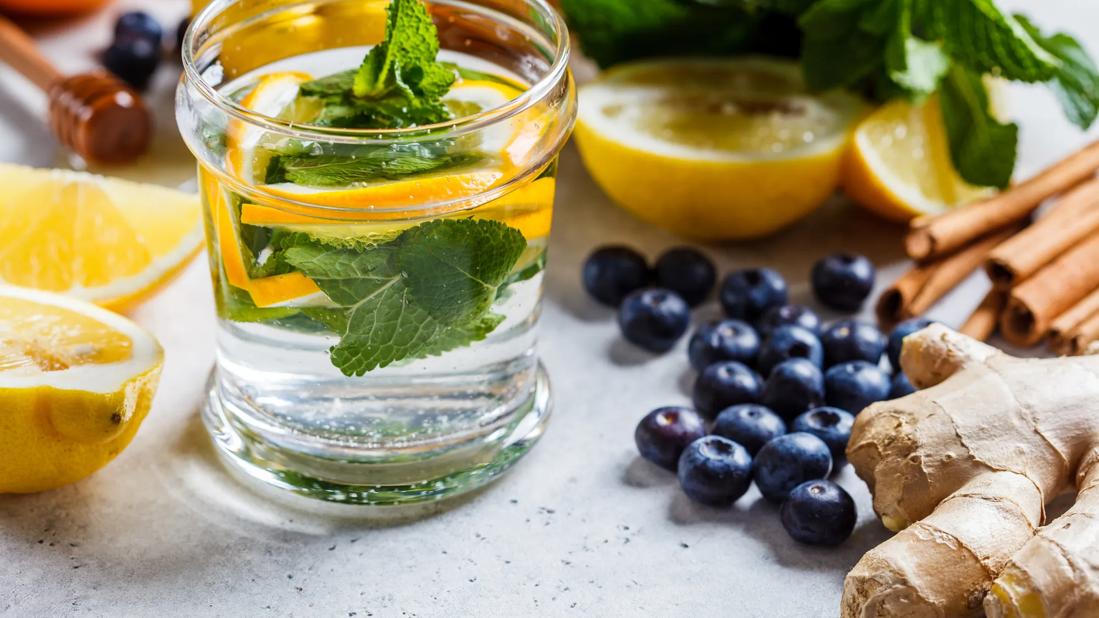
Your immune system is not a tiny superhero wearing a cape and waiting for you to eat one orange so it can defeat every germ in town. It is a complex network of cells, tissues, organs, and chemical signals that works 24/7, even when you are asleep, stressed, or pretending that coffee counts as breakfast. While no single food can magically prevent illness, the right everyday eating habits can support immune function, help your body recover, and keep your nutritional “defense team” well supplied.
The best immune-supporting foods are not mysterious powders with dramatic labels. They are ordinary, colorful, nutrient-dense foods: fruits, vegetables, yogurt, beans, fish, seeds, mushrooms, and other pantry heroes. These foods provide vitamin C, vitamin A, vitamin D, zinc, selenium, protein, fiber, antioxidants, and probioticsnutrients linked to healthy immune cell activity, gut health, tissue repair, and normal inflammatory balance.
Below are 12 foods that help boost the immune system naturally, plus practical ways to eat them without turning your kitchen into a medical research lab.
How Food Supports Immune Health
Before we crown broccoli as king of the vegetable kingdom, let’s be clear: “boosting” immunity does not mean forcing your immune system into overdrive. A healthy immune system needs balance. Too weak, and you may be more vulnerable to infections. Too aggressive, and the body can create unnecessary inflammation. Good nutrition supports normal immune function by giving your body the building blocks it needs.
Protein helps build immune cells and antibodies. Vitamin C supports immune cell function and helps protect cells from oxidative stress. Vitamin A helps maintain healthy skin and mucous membranes, which act like the body’s front door security system. Zinc supports wound healing and immune response. Vitamin D plays a role in immune regulation. Fiber feeds beneficial gut bacteria, and a healthy gut microbiome is closely connected to immune health.
In short, your immune system likes variety. If your plate looks like a beige landscape of chips, white bread, and sad crackers, it may be time to invite some color to the party.
12 Foods That Help Boost the Immune System
1. Citrus Fruits
Oranges, grapefruit, lemons, limes, tangerines, and clementines are famous for one reason: vitamin C. This water-soluble vitamin supports immune cell function and acts as an antioxidant. Because your body does not store large amounts of vitamin C, getting it regularly from food is a smart move.
Citrus fruits are easy to add to your day. Eat an orange with breakfast, squeeze lemon over grilled chicken, add lime to black bean soup, or toss grapefruit segments into a salad. The goal is not to eat a mountain of oranges like you are training for the Citrus Olympics. One or two servings as part of a balanced diet can help.
2. Red Bell Peppers
If citrus fruits are the celebrities of vitamin C, red bell peppers are the talented backup singers who deserve more attention. They are crisp, sweet, colorful, and rich in vitamin C. They also provide beta-carotene, a plant compound the body can convert into vitamin A.
Red bell peppers are perfect raw with hummus, sliced into wraps, roasted with olive oil, or added to stir-fries. They bring crunch without needing much preparation. Basically, they are the vegetable equivalent of showing up dressed nicely without trying too hard.
3. Broccoli
Broccoli has been unfairly bullied by children, sitcoms, and anyone who has ever overcooked it into green mush. Prepared well, it is one of the best immune-supporting vegetables you can put on your plate. Broccoli contains vitamin C, vitamin A precursors, fiber, and several antioxidant compounds.
To keep broccoli delicious, avoid boiling it into surrender. Steam it lightly, roast it until the edges turn golden, or chop it into soups and grain bowls. Add garlic, lemon, olive oil, or a sprinkle of Parmesan if you need to convince skeptical family members that broccoli is not a punishment.
4. Spinach
Spinach is loaded with nutrients that support overall health, including vitamin C, beta-carotene, folate, iron, magnesium, and antioxidants. It is also easy to use because it wilts quickly into almost anything. Spinach is the introvert of leafy greens: quiet, flexible, and surprisingly powerful.
Add fresh spinach to omelets, smoothies, pasta, soups, sandwiches, or salads. Light cooking can make some nutrients easier to absorb, while raw spinach keeps meals fresh and crisp. A handful here and there adds up faster than you might think.
5. Sweet Potatoes
Sweet potatoes earn their bright orange color from beta-carotene, which the body can convert into vitamin A. Vitamin A supports healthy skin and mucous membranes, including the lining of the respiratory and digestive tracts. Think of it as helping maintain the body’s natural barriers.
Sweet potatoes are also filling, budget-friendly, and naturally sweet. Bake them whole, cube and roast them, mash them with cinnamon, or use them in soups. For a balanced meal, pair them with protein such as beans, eggs, chicken, fish, or Greek yogurt sauce.
6. Yogurt
Yogurt with live and active cultures can provide probiotics, beneficial bacteria that support gut health. The gut is closely connected to the immune system, so taking care of your digestive ecosystem is a smart long-term strategy. Your gut bacteria are not glamorous, but they do important work without asking for applause.
Choose plain yogurt when possible, because many flavored yogurts contain lots of added sugar. You can sweeten it yourself with berries, sliced banana, cinnamon, or a drizzle of honey. Greek yogurt also provides protein, which supports immune cell production and tissue repair.
7. Kefir
Kefir is a fermented dairy drink that contains probiotics and has a tangy flavor. It is similar to drinkable yogurt but often contains a wider range of beneficial cultures. For people who enjoy smoothies, kefir is an easy upgrade that adds creaminess, protein, and gut-friendly microbes.
Blend kefir with berries, oats, chia seeds, or a small amount of nut butter for a quick breakfast. If plain kefir tastes too tart at first, mix it with fruit. Your taste buds may need a short meeting before they approve the tang, but many people grow to love it.
8. Garlic
Garlic has been used in traditional cooking for centuries, and modern nutrition research continues to explore its bioactive compounds. It contains sulfur-containing compounds, including allicin, which forms when garlic is chopped or crushed. Garlic is also a flavorful way to make vegetables, beans, soups, and sauces more exciting.
For best flavor, chop or mince garlic and let it sit for a few minutes before cooking. Add it to roasted vegetables, homemade salad dressing, lentil soup, stir-fries, or marinades. It may not guarantee vampire protection, but your pasta sauce will definitely be safer from blandness.
9. Ginger
Ginger is a warming root often used in teas, soups, stir-fries, and marinades. It contains natural plant compounds that may help support a healthy inflammatory response. While ginger is not a cure-all, it can be a useful ingredient in a balanced immune-supportive diet.
Fresh ginger works beautifully in chicken soup, vegetable broth, smoothies, oatmeal, and rice dishes. You can also simmer sliced ginger with lemon for a soothing drink. The flavor is bold, slightly spicy, and excellent when your meals need a little personality.
10. Almonds and Sunflower Seeds
Nuts and seeds are small but mighty. Almonds provide vitamin E, a fat-soluble antioxidant that helps protect cells. Sunflower seeds provide vitamin E, selenium, and other minerals. Pumpkin seeds are another smart choice because they contain zinc, a mineral involved in normal immune response and wound healing.
Sprinkle seeds on oatmeal, yogurt, salads, soups, or roasted vegetables. Snack on a small handful of almonds with fruit, or blend nut butter into smoothies. Because nuts and seeds are calorie-dense, portion size matters. A little goes a long waylike hot sauce, compliments, and Wi-Fi passwords.
11. Beans and Lentils
Beans and lentils deserve a standing ovation. They provide plant-based protein, fiber, iron, zinc, magnesium, and B vitamins. Their fiber acts as fuel for beneficial gut bacteria, supporting a healthier microbiome. They are also affordable, shelf-stable, and endlessly useful.
Try black beans in tacos, lentils in soup, chickpeas in salads, white beans in pasta, or pinto beans in chili. If beans make your stomach nervous, start with smaller portions and rinse canned beans well. Your digestive system can adapt gradually, like a person learning to enjoy Monday morningsslowly, with patience.
12. Fatty Fish
Salmon, sardines, trout, mackerel, and tuna provide protein, omega-3 fatty acids, and vitamin D. Protein is essential for immune cell production, while vitamin D helps regulate immune function. Omega-3 fats also play a role in supporting a healthy inflammatory balance.
Fatty fish can be baked, grilled, added to salads, tucked into wraps, or served with roasted vegetables. Canned salmon and sardines are budget-friendly options. If you do not eat fish, consider other protein sources like eggs, beans, tofu, nuts, and seeds, and ask a healthcare professional whether vitamin D testing or supplementation is appropriate for you.
Bonus Immune-Supporting Food: Mushrooms
Mushrooms did not make the numbered list only because the title promised 12 foods, and nobody wants a math scandal. Still, mushrooms deserve honorable mention. Some varieties provide selenium, B vitamins, and other compounds that support overall health. UV-exposed mushrooms can also contain vitamin D.
Add mushrooms to omelets, soups, pasta, stir-fries, or grain bowls. They bring a savory flavor that makes meals feel richer without needing heavy sauces.
What to Limit for Better Immune Support
Supporting the immune system is not only about what you add. It is also about what you do not let take over your diet. A pattern high in ultra-processed foods, added sugars, and low-fiber refined snacks may crowd out the nutrients your body needs. That does not mean one cookie ruins your immune system. Relax. The cookie is not a villain with a secret laboratory.
The real issue is consistency. If most meals include colorful produce, quality protein, whole grains, healthy fats, and fermented or fiber-rich foods, occasional treats can fit into a healthy lifestyle. Your immune system is built over time, not in one dramatic dinner.
Simple Meal Ideas Using Immune-Boosting Foods
Breakfast Ideas
Try Greek yogurt with berries, sunflower seeds, and a spoonful of oats. Make an omelet with spinach, mushrooms, and red bell pepper. Blend kefir with banana, frozen berries, and a little almond butter. These meals provide protein, fiber, antioxidants, and probiotics without requiring a culinary degree.
Lunch Ideas
Build a grain bowl with brown rice, roasted sweet potatoes, broccoli, chickpeas, spinach, garlic yogurt sauce, and pumpkin seeds. Or make a citrus chicken salad with orange slices, leafy greens, almonds, and a lemon vinaigrette. Lunch should make you feel energized, not like you need a nap under your desk.
Dinner Ideas
Bake salmon with garlic, ginger, and lemon, then serve it with roasted broccoli and sweet potatoes. Make lentil soup with carrots, spinach, garlic, tomatoes, and herbs. Prepare turkey or bean chili with red peppers and a side of avocado. These meals are hearty, practical, and packed with immune-supporting nutrients.
Common Myths About Immune-Boosting Foods
Myth 1: One Superfood Can Prevent Illness
No single food can guarantee you will not get sick. Immune health depends on diet, sleep, physical activity, stress, hydration, hygiene, vaccination status, medical conditions, and more. Food matters, but it is part of the team, not the entire stadium.
Myth 2: Supplements Are Always Better Than Food
Supplements can help when someone has a deficiency or a specific medical need, but they are not automatically better than food. Whole foods provide combinations of nutrients, fiber, antioxidants, and plant compounds that work together. Before taking high-dose supplements, it is wise to speak with a qualified healthcare professional.
Myth 3: More Vitamin C Means More Protection
Vitamin C is important, but more is not always better. Your body uses what it needs and gets rid of excess amounts through urine. A steady intake from fruits and vegetables is more practical than trying to “mega-dose” your way into invincibility.
of Real-Life Experience: Eating for Immunity Without Making Life Weird
One of the most useful lessons about immune-supporting foods is that the best plan is the one you can actually repeat. A perfect diet that lasts two days is not as helpful as a realistic routine you can keep for months. Many people start with huge motivation: they buy kale, kefir, salmon, chia seeds, turmeric, ginger, mushrooms, and enough lemons to open a tiny roadside stand. Then life happens. Work gets busy, dishes pile up, and suddenly dinner becomes toast eaten over the sink. We have all been there. The toaster has seen things.
A better approach is to build small food habits around meals you already like. If you enjoy eggs, add spinach and red bell pepper. If you eat yogurt, switch to plain Greek yogurt and add berries. If you make pasta, toss in mushrooms, garlic, broccoli, and white beans. If you love tacos, use black beans, cabbage, avocado, lime, and grilled fish or chicken. Immune-supporting foods should feel like upgrades, not punishments.
Meal prep also helps, but it does not need to look like 18 identical containers lined up like a cafeteria army. Roast a tray of sweet potatoes and broccoli on Sunday. Cook a pot of lentil soup. Wash berries. Slice peppers. Keep canned beans, tuna, salmon, or chickpeas in the pantry. When healthy ingredients are easy to reach, you are more likely to use them. Convenience is powerful. That is why snacks in shiny bags are so good at winning elections in your kitchen cabinet.
Another practical experience: flavor matters. People often quit healthy eating because they think it has to be bland. Garlic, ginger, lemon, herbs, spices, olive oil, vinegar, salsa, mustard, and yogurt-based sauces can make simple foods taste restaurant-worthy. Broccoli with salt and sadness is not inspiring. Broccoli roasted with garlic, lemon, and a little Parmesan? That is a vegetable with a LinkedIn profile.
It also helps to think in patterns instead of perfection. Did you eat citrus today? Great. Did you get leafy greens a few times this week? Excellent. Did you include beans, yogurt, fish, nuts, or seeds somewhere in the rotation? Fantastic. You do not need all 12 immune-supporting foods every single day. In fact, trying to do that may turn meals into a spreadsheet with chewing. Aim for variety across the week.
Finally, remember the lifestyle basics. Food supports the immune system, but sleep, movement, hydration, stress management, and medical care matter too. A salmon dinner cannot fully rescue three hours of sleep and nonstop stress. Still, every balanced meal is a vote for your future health. Make enough good votes, and your body gets the message.
Conclusion
The best foods that help boost the immune system are colorful, nutrient-dense, and easy to include in everyday meals. Citrus fruits, red bell peppers, broccoli, spinach, sweet potatoes, yogurt, kefir, garlic, ginger, nuts, seeds, beans, lentils, and fatty fish all bring something valuable to the table. Some provide vitamin C and antioxidants. Others offer protein, zinc, vitamin D, probiotics, fiber, or healthy fats.
Instead of chasing miracle cures, focus on building a balanced plate most of the time. Eat more plants, include quality protein, choose fermented and fiber-rich foods, and keep meals flavorful enough that you actually want to eat them. Your immune system does not need a magic trick. It needs consistent supportand maybe a roasted sweet potato that knows what it is doing.
Note: This article is for general educational purposes and is based on reputable nutrition guidance from U.S. medical, academic, and government health sources, including public information from NIH, CDC, USDA MyPlate, Harvard Health, Harvard T.H. Chan School of Public Health, Mayo Clinic Health System, Cleveland Clinic, and Johns Hopkins Medicine. It is not a substitute for personal medical advice.