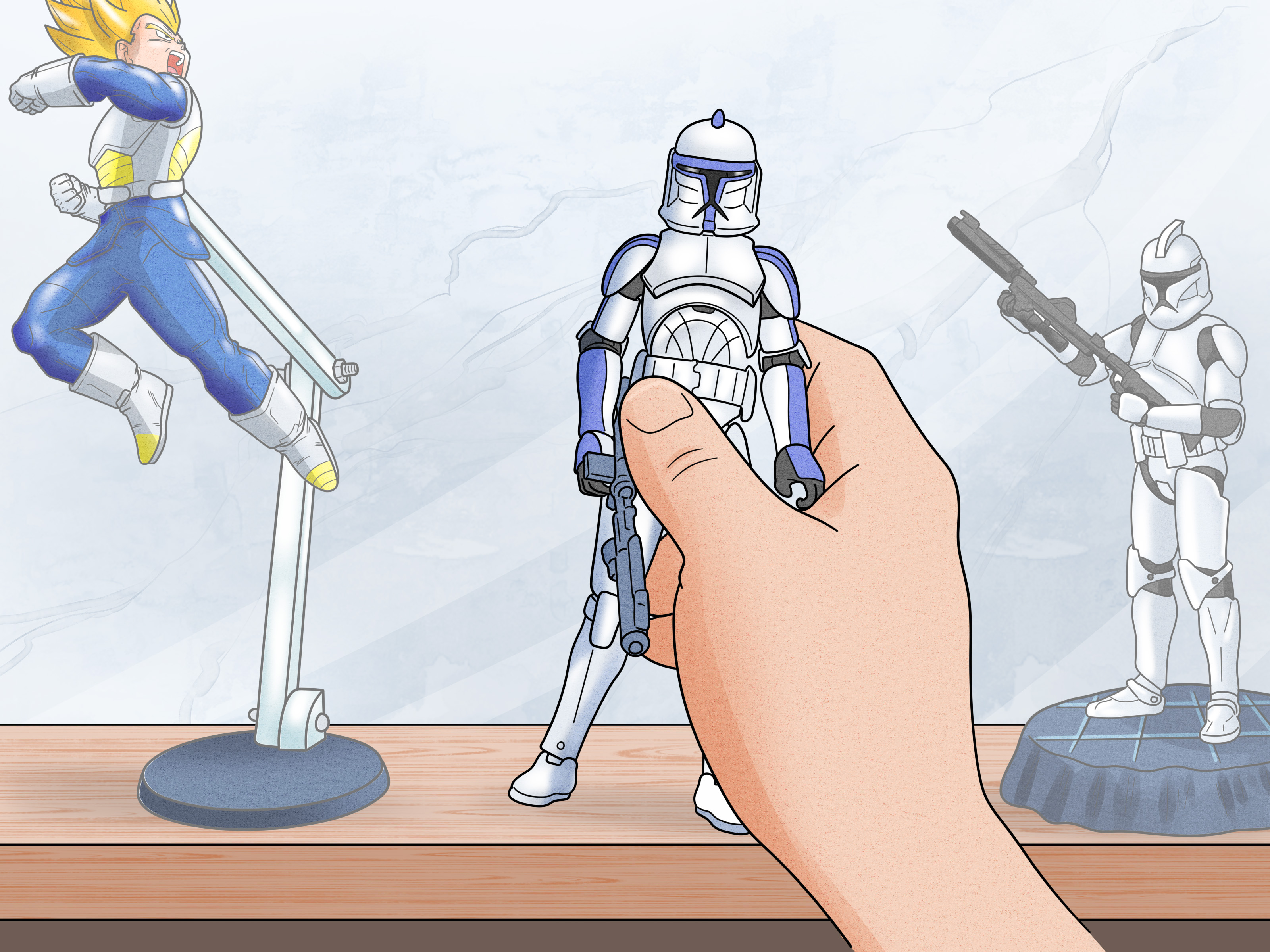
Every action figure collector knows the pain: you spend 20 minutes posing your favorite hero in a dramatic battle stance, step back to admire your tiny plastic masterpiece, and thenplop. Down goes the figure like it just remembered gravity exists. Whether you collect Marvel Legends, Star Wars Black Series, NECA figures, Transformers, anime figures, vintage toys, or 1:12 scale customs, getting action figures to stand up can feel like a hobby inside the hobby.
The good news? You do not need a professional display case, a secret engineering degree, or a shelf blessed by ancient toy gods. Most action figure balance problems come from a few simple causes: loose joints, uneven feet, heavy accessories, tiny peg holes, slick shelves, or poses that look cool but fight physics like a supervillain.
This guide covers 10 easy ways to make action figures stand up, including store-bought fixes and DIY action figure stand solutions you can make with household items. The goal is simple: better displays, fewer shelf avalanches, and less emotional damage when your entire collection performs a midnight domino routine.
Why Action Figures Fall Over
Before grabbing putty, wire, cardboard, or a tiny emergency rescue team, it helps to understand why figures fall in the first place. Most figures tip over because their center of gravity is not positioned over their feet. If the torso leans too far forward, the backpack is too heavy, or one foot barely touches the shelf, the figure becomes less “heroic statue” and more “wobbly toddler in boots.”
Other common problems include warped legs, loose ankles, narrow feet, shallow peg holes, soft plastic, uneven shelves, and poses with too much weight on one side. A sword, cape, shield, tail, wing, or giant alien cannon may look fantastic, but it can pull the figure backward or sideways. The trick is to give the figure either better balance, better grip, or better support.
10 Easy Ways to Make Action Figures Stand Up
1. Start with the Feet: Flatten, Align, and Test the Pose
The easiest fix is also the one collectors skip most often: adjust the feet first. Many action figures fall because one heel is floating slightly above the surface or the toes are angled inward like the figure is embarrassed to be on display.
Place both feet flat on the shelf. Rotate the ankles so the soles make as much contact as possible. Then gently shift the hips and torso until the figure’s weight sits over the center of both feet. For humanoid figures, a slight bend in the knees often helps because it lowers the center of gravity.
Try the “tap test.” After posing the figure, lightly tap the shelf near its feet. If it immediately starts wobbling like a nervous intern, adjust the stance. If it survives a gentle tap, it will probably survive normal shelf vibration.
DIY Solution
If one foot does not sit flat because of a warped leg or uneven ankle joint, place a tiny piece of clear tape or a thin paper shim under the shorter foot. It is not glamorous, but neither is picking Batman off the floor for the eighth time.
2. Use a Wider Stance for Better Balance
A narrow stance looks clean, but it gives your figure less stability. A slightly wider stance creates a bigger support base, which makes the figure much harder to tip. This is especially helpful for 6-inch and 7-inch action figures with bulky upper bodies.
For a natural-looking pose, angle one foot slightly forward and the other slightly outward. Avoid placing both feet in a straight line unless the figure has excellent ankle articulation. Think of how real people stand when they are bracing themselves: feet apart, knees relaxed, weight distributed.
Example
A Spider-Man figure in a straight museum pose may fall forward because of its lean. Bend one knee, rotate one foot outward, and shift the torso slightly back. Suddenly, the figure looks more dynamic and stands better. Congratulationsyou have discovered physics, but with spandex.
3. Use Peg Stands That Fit the Foot Holes
Many action figures have small peg holes in the bottom of their feet. A peg stand plugs into the hole and gives the figure a stable base. This is one of the best options for collectors who want clean displays without visible waist clips or large support arms.
The catch? Not all peg holes are the same size. A stand that fits one figure line may be too loose or too tight for another. Before buying a bulk pack of action figure display stands, measure the foot hole if possible, or check product descriptions carefully.
Round black stands work well for darker shelves and classic toy displays. Clear stands blend into glass, acrylic risers, and bright display cases. For vintage 3.75-inch figures, look for stands designed specifically for that scale. For modern 6-inch figures, choose stands made for 1:12 scale toys.
DIY Solution
You can make a simple peg stand using a small plastic lid, thin craft wood, or foam board as the base. Add a trimmed toothpick, plastic rod, or small screw as the peg. Test the peg gently before pushing it into the foot hole. If it feels too tight, stop. A cracked foot is not the kind of battle damage collectors usually want.
4. Try Museum Putty for Invisible Support
Museum putty is a collector favorite because it is simple, affordable, and nearly invisible when used correctly. Roll a tiny amount into a ball, press it under one or both feet, and gently press the figure onto the shelf. It adds grip without requiring a visible stand.
This method is especially useful for figures without peg holes, figures with tiny feet, lightweight figurines, Funko Pops, miniatures, and display pieces that need just a little help staying upright. It is also popular in areas where shelves may shake from foot traffic, pets, or minor earthquakes.
Use only a small amount. Too much putty can make the figure look like it is standing on chewing gum, which is rarely the premium display vibe anyone wants.
Important Tip
Always test putty first on a hidden area, especially with delicate paint, porous surfaces, unfinished wood, vintage plastic, or soft rubber parts. Some mounting products may leave residue or marks on certain materials. When in doubt, use a stand instead of adhesive.
5. Use Clear Museum Gel on Glass or Acrylic Shelves
Clear museum gel is another great option for display shelves, especially glass, acrylic, and other smooth nonporous surfaces. It works like a transparent grip pad that helps lightweight collectibles stay put without drawing attention.
Museum gel can be better than putty when you want a cleaner look on a glass shelf. It is particularly handy for small figurines, statues, and decorative collectibles. However, it is not ideal for every action figure. If your figure has painted feet, rubbery soles, or porous material, test carefully before using it.
DIY Solution
If you do not have museum gel, small clear silicone bumper pads can sometimes help. Stick the pads to the shelf, not the figure, and position the feet against them. This creates a subtle stop that prevents sliding. It is not as invisible as gel, but it is easy, cheap, and removable.
6. Build a Simple Cardboard or Foam Board Display Base
A custom base can make a figure stand better and look better at the same time. Foam board, cardboard, craft wood, plastic sheet, or an old gift card can become a quick DIY action figure stand. Cut a small base, decorate it, and add a peg, back support, or foot stop.
This is a great option for dioramas. A plain square base can become a sidewalk, spaceship floor, rooftop, wrestling ring, forest path, or battle-damaged street. Suddenly, the stand is not just supportit is scenery.
How to Make One
Cut a base large enough to support the figure. For a 6-inch figure, a base around 2 to 4 inches wide usually works well. Cover it with printed texture paper, paint, or adhesive vinyl. Add a small peg if the figure has foot holes, or glue a tiny clear plastic strip behind the heel as a stopper.
For extra weight, glue a washer or coin under the base. A heavier base means better stability, especially for figures with capes, wings, or oversized accessories.
7. Make a DIY Wire Stand for Dynamic Poses
Wire stands are perfect for flying poses, jumping poses, kicking poses, and figures that refuse to stand because their design clearly ignored the laws of balance. You can make one with sturdy craft wire, floral wire, or a wire coat hanger.
The basic idea is simple: create a weighted base, bend a vertical support arm, and shape a small loop or cradle around the figure’s waist. The wire holds the figure upright while staying mostly hidden from the front.
DIY Steps
Start with a small wood or plastic base. Drill or poke a hole near the back. Insert a piece of strong wire and bend it upward. Shape the top into a U-shaped cradle that supports the waist or lower torso. Cover the wire with heat-shrink tubing, masking tape, or soft rubber tubing to prevent scratches.
This method is especially useful for toy photography because you can hide or edit out the wire more easily than a bulky plastic stand. Just make sure the base is heavy enough. A flying figure attached to a feather-light base is not flyingit is tipping with confidence.
8. Use Adjustable Figure Stands for Heavy or Awkward Figures
Adjustable action figure stands are ideal for figures that need more than foot support. These stands often include articulated arms, waist clamps, interchangeable clips, or clear support rods. They are especially useful for anime figures, S.H.Figuarts-style figures, model kits, robots, and characters with dramatic action poses.
For larger figures, choose stands with stronger arms and wider bases. For smaller figures, use compact transparent stands so the support does not overpower the display. If your figure has a hole in the back, a pin-style support may look cleaner than a waist clip.
Buying Tip
Check the figure’s size, weight, and connection points before buying. A stand made for a 4-inch chibi figure may not safely support a 7-inch monster with a tail, cape, and bad attitude. Match the stand to the figure, not the other way around.
9. Use Magnets for a Clean, Reusable Display
Magnets can be a clever solution for action figures, especially customs, robots, armored characters, and displays built on metal shelves or magnetic sheets. A small magnet placed in or under the foot can help the figure grip a metal surface without visible support.
This works best when the figure has hollow feet, removable boots, or enough space to attach a small magnet without damaging the toy. You can also use a thin metal sheet under a printed diorama floor to create a hidden magnetic display surface.
DIY Solution
Use small neodymium magnets and attach them with removable adhesive, hot glue, or a custom insert only if you are comfortable modifying the figure. For valuable vintage toys, avoid permanent changes. A clean display is nice, but not at the cost of turning a collectible into a science project gone wrong.
10. Fix Loose Joints and Heavy Accessories
Sometimes the problem is not the standit is the figure. Loose ankles, weak knees, floppy hips, and heavy accessories can make even the best pose collapse. If a figure keeps falling forward, check whether the ankle joint is strong enough to hold the pose. If the knee slowly bends on its own, the figure may need joint tightening.
Collectors often use clear acrylic floor polish or specialized joint-tightening products to add friction to loose joints. The idea is to apply a tiny amount, move the joint so the product spreads evenly, and let it dry fully. This should be done carefully and sparingly. Never glue a joint shut unless you enjoy creating statues by accident.
Accessory Tip
Heavy weapons, capes, wings, and backpacks change the figure’s balance. If the figure falls backward, shift one foot behind it or angle the torso forward slightly. If it falls sideways, move the accessory closer to the body or support the arm with a stand. Sometimes the best fix is not more hardwareit is a smarter pose.
Best DIY Materials for Making Action Figure Stands
You can solve most display problems with inexpensive materials. Keep a small “figure rescue kit” nearby so you do not have to search the house every time a shelf rebellion begins.
- Foam board or cardboard for quick display bases
- Craft wire or coat hangers for waist supports
- Clear tape, painter’s tape, or masking tape for temporary fixes
- Museum putty for discreet foot grip
- Plastic lids, old gift cards, or acrylic scraps for bases
- Toothpicks, plastic rods, or small dowels for DIY pegs
- Washers, coins, or small metal plates to add weight
- Soft tubing or felt pads to protect paint
How to Choose the Right Method
The best method depends on the figure. A lightweight 3.75-inch vintage figure may only need a peg stand. A 7-inch horror figure with stiff legs may need museum putty. A flying superhero needs an articulated arm stand. A top-heavy robot may need a custom base with added weight.
For valuable figures, choose reversible options first: peg stands, clear stands, museum putty, risers, or shelf stoppers. For common figures or customs, you can experiment with magnets, drilled bases, wire supports, or modified accessories. The golden rule is simple: protect the figure before perfecting the pose.
Common Mistakes to Avoid
Using Too Much Putty
A small amount works better than a giant blob. Too much putty can look messy, collect dust, and make the figure unstable.
Forcing Pegs into Feet
If the peg does not fit, do not force it. You may stretch, crack, or whiten the plastic around the foot hole.
Ignoring Shelf Surface
Glossy shelves can be slippery. Dusty shelves reduce grip. Clean the display surface before blaming the figure.
Overposing Weak Joints
A deep crouch may look amazing for five minutes, but loose knees may slowly collapse. Use stands for extreme poses.
Making the Base Too Small
A tiny base may look neat, but it will not help a heavy figure. Bigger or heavier bases provide better support.
Collector Experience: What Actually Works on the Shelf
In real-world collecting, the best solution is usually not one magic trick. It is a combination of small adjustments. A figure that falls every day may become perfectly stable after widening the stance, cleaning the shelf, and adding a tiny dot of museum putty under one heel. The fix may take 30 seconds, but the relief feels like defeating a final boss.
For 6-inch superhero figures, foot position matters more than most beginners expect. Figures with excellent articulation can still fall if the ankles are not lined up with the hips. A wide stance with one foot forward often works better than a straight, stiff pose. This is especially true for characters holding shields, swords, web effects, or blast accessories. Those pieces may be light, but they still change the balance.
For horror figures, monsters, and bulky 7-inch collectibles, museum putty is often the quiet hero. Many of these figures have sculpted feet, uneven soles, or limited ankle movement. A tiny amount of putty under the foot can make them feel much more secure without covering the sculpt. The key is patience. Press the figure down gently, let it settle, and check it again after a few minutes. If the figure leans, adjust the pose instead of adding more putty.
For anime and import figures, adjustable stands usually win. These figures are often designed for motionkicks, jumps, sword slashes, flying poses, and dramatic midair moments. A foot peg alone may not be enough. Clear articulated stands help support the torso and allow more creative poses. The display looks cleaner when the support arm is placed behind the figure or aligned with a leg, cape, or effect part.
Vintage figures bring a different challenge. Older plastic may be more fragile, and foot holes can vary. For these, gentle display methods are best. Avoid forcing pegs or using strong adhesives. A correctly sized stand, a shallow custom base, or a soft back support is safer. If the figure has sentimental or resale value, treat every DIY idea like a first date: respectful, cautious, and absolutely no drilling unless everyone agrees.
DIY bases are especially satisfying because they solve stability and improve presentation at the same time. A simple foam board square can become a street corner for a superhero, a desert floor for a sci-fi trooper, or a haunted floorboard for a monster figure. Adding a washer underneath gives the base weight, while a small peg or heel stop keeps the figure in place. It is cheap, customizable, and surprisingly effective.
The biggest lesson from collectors is this: do not wait until your display collapses. If a figure wobbles during setup, fix it immediately. A shelf full of action figures behaves like a row of very dramatic dominoes. One falling figure can take out five more, knock over accessories, and send tiny plastic hands into another dimension. Stable posing is not just about looks; it protects your collection.
Conclusion
Learning how to make action figures stand up is part science, part craft project, and part negotiation with tiny plastic knees. Start with the basics: flatten the feet, widen the stance, and balance the torso over the base. If that is not enough, try peg stands, museum putty, clear gel, adjustable stands, magnets, or DIY bases made from simple materials.
The best action figure display is stable, clean, and easy to adjust. You should be able to enjoy your collection without worrying that one heroic pose will turn into a shelf-wide disaster. With the right support method, your figures can finally do what they were born to do: stand tall, look awesome, and stop face-planting next to the TV remote.
Note: For rare, vintage, painted, or expensive collectibles, test any adhesive, putty, gel, peg, or DIY modification on a hidden area first. When preserving value matters, choose reversible display methods before permanent fixes.