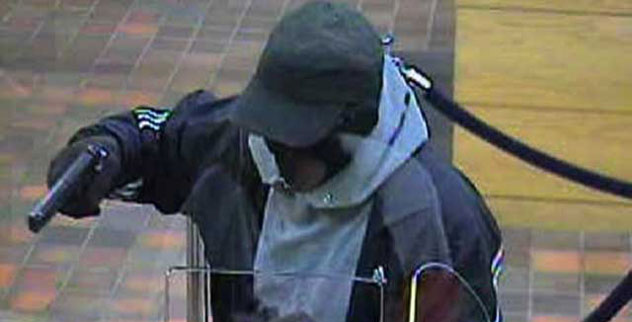
The Great Depression did many terrible things to America. It emptied wallets, closed businesses, broke farms, and turned bank lobbies into symbols of public anger. Then came the outlaws: fast cars, newspaper headlines, grainy wanted posters, and nicknames that sounded like they were invented by a cigar-smoking editor on deadline. The result was the wild “Public Enemy” era of the 1930s, when Depression-era bank robbers became national celebrities for all the wrong reasons.
But here is the important part: these figures were not folk heroes in leather jackets. They were criminals whose actions left real people hurt, frightened, widowed, and grieving. The myth is glossy; the history is much darker. Still, understanding famous Depression-era bank robbers helps explain how poverty, media sensationalism, weak interstate policing, fast automobiles, and public distrust of banks created one of the strangest crime chapters in American history.
Below are 10 of the most famous Depression-era bank robbers and outlaw figures, from John Dillinger to Bonnie and Clyde, with the legend separated from the factsbecause history is better when it does not wear a fake mustache.
Why Bank Robbers Became Famous During the Great Depression
During the early 1930s, millions of Americans were unemployed, farms were failing, and banks were closing. Many ordinary people blamed financial institutions for their suffering. When outlaws robbed banks, some newspapers framed them as rebels against the system. That image was exaggerated, but it sold papers faster than a free pie at a county fair.
Several other factors helped these criminals become famous. Cars were faster, highways were improving, and law enforcement agencies often struggled with jurisdiction when suspects crossed state lines. A robber could commit a crime in one state, disappear into another, and turn the chase into a national story. Meanwhile, the Bureau of Investigationlater renamed the FBIwas expanding its power and building its reputation by pursuing high-profile criminals.
Hollywood, pulp magazines, and newspapers added the final coat of varnish. A nickname like “Pretty Boy” or “Baby Face” made violent men sound like comic-book characters. In reality, the Depression-era outlaw world was not glamorous. It was chaotic, dangerous, and usually short-lived.
10 Famous Depression-era Bank Robbers
1. John Dillinger
John Dillinger is probably the first name most people think of when they hear “Depression-era bank robber.” Born in Indianapolis in 1903, Dillinger became infamous for leading a gang that robbed banks across the Midwest. His crimes unfolded during a time when some Americans were angry enough at banks to confuse robbery with revenge. That confusion helped turn Dillinger into a headline machine.
Dillinger’s public image was complicated. Newspapers described him as daring, charming, and slippery. Law enforcement described him as dangerous. He escaped custody, inspired rumors, and became one of the most wanted men in America. His gang’s activities included bank robberies, jail breaks, and clashes with officers. By 1934, the federal government had made him a top target.
Dillinger’s life ended outside the Biograph Theater in Chicago in July 1934. His death helped cement his legend, but it also marked a turning point. The age of the celebrity bank robber was beginning to collapse under the pressure of federal coordination, improved investigations, and public exhaustion with violence.
2. Charles “Pretty Boy” Floyd
Charles Arthur Floyd, better known as “Pretty Boy” Floyd, became one of the most controversial outlaws of the Great Depression. Born in Georgia and raised partly in Oklahoma, Floyd was associated with bank robberies across the Midwest and central United States. His nickname sounded harmless, almost like a barbershop compliment gone rogue, but his criminal record was serious.
Floyd’s legend grew because many people believed he destroyed mortgage papers during bank robberies, supposedly helping struggling farmers. Whether that reputation was fully deserved remains debated, but the story fit the mood of the Depression. To many desperate families, banks represented foreclosure, debt, and humiliation. Floyd’s myth made him look like an outlaw Robin Hood, even though the real story was far more complicated.
He was also linked by authorities to the Kansas City Massacre of 1933, an event that shocked the public and helped expand federal law enforcement powers. Floyd denied some accusations, and historians have debated parts of the case, but his status as a wanted fugitive was undeniable. He died in Ohio in October 1934 after being pursued by law enforcement.
3. Clyde Barrow
Clyde Barrow, half of the infamous Bonnie and Clyde duo, was one of the most recognizable criminals of the 1930s. Born in Texas, Clyde came from poverty and entered crime young. During the Depression, he and the Barrow Gang traveled through several states committing robberies, stealing cars, and evading capture.
Although Bonnie and Clyde are often remembered as bank robbers, many of their crimes involved smaller targets such as stores and gas stations. That makes their fame even more revealing. They were not the most successful bank robbers of the period, but they became among the most famous because of photographs, newspaper coverage, and the dramatic arc of their lives.
Clyde’s criminal career was marked by mobility. The gang used state lines to complicate pursuit, and their stolen-car cases helped bring federal attention. By 1934, Clyde Barrow was wanted for multiple serious crimes. His story ended in Louisiana in May 1934, when officers ambushed the car carrying him and Bonnie Parker. The legend lived on, but the reality was grim.
4. Bonnie Parker
Bonnie Parker was not just “Clyde’s girlfriend,” although popular culture has often flattened her into that role. She was a real person, a young woman from Texas whose image became tied forever to crime, danger, and Depression-era celebrity. Her poems and photographs helped create the Bonnie and Clyde myth, especially after police found pictures of the pair posing with weapons and cigars. The media pounced like a cat on a dropped sandwich.
Bonnie’s exact role in every crime has been debated by historians, but she was clearly part of the Barrow Gang’s life on the run. She became famous because she broke expectations of how women were “supposed” to behave in the 1930s. Newspapers turned that shock into spectacle, portraying her as both romantic outlaw and public menace.
Today, Bonnie Parker remains one of the most analyzed figures of the Public Enemy era. Her fame shows how image can outrun fact. The photographs made her look fearless; the historical record shows a short, unstable, dangerous life that ended before she turned 24.
5. Lester “Baby Face” Nelson
Lester Gillis, better known as “Baby Face” Nelson, had one of the most misleading nicknames in criminal history. “Baby Face” sounds like someone who forgot their lunchbox, not a violent outlaw. Nelson was associated with the Dillinger Gang and became notorious for his role in bank robberies and deadly confrontations with law enforcement.
Born in Chicago in 1908, Nelson entered crime early. His youthful appearance gave him the nickname, but his reputation was anything but innocent. Compared with some other Depression-era criminals, Nelson was seen as especially reckless and volatile. Even other gangsters reportedly considered him difficult to control, which is really saying something when your peer group includes professional fugitives.
Nelson’s association with John Dillinger increased his profile, especially after the failed federal raid at Little Bohemia Lodge in Wisconsin. After Dillinger’s death, Nelson became one of the most hunted men in America. He died in 1934 after a confrontation with federal agents near Chicago. His story is a reminder that cute nicknames can hide very ugly realities.
6. Alvin “Creepy” Karpis
Alvin Karpis, nicknamed “Creepy,” was a central figure in the Barker-Karpis Gang. Unlike some outlaws whose fame came from dramatic photographs or romantic myths, Karpis became known for organization, calculation, and survival. He and his associates robbed banks and trains, then moved into high-profile kidnappings that brought massive federal attention.
The Barker-Karpis Gang operated across the Midwest and became one of the FBI’s major targets during the 1930s. Karpis was connected to Fred Barker and other members of the gang, and his criminal career stretched beyond the quick-burn pattern of many Depression-era outlaws. While others died young, Karpis lived long enough to serve decades in prison and later write about his life.
Karpis was arrested in New Orleans in 1936. His capture was heavily publicized and helped strengthen the public image of the FBI. If Dillinger represented the flashy bank robber of the era, Karpis represented the more organized and persistent criminal network that federal investigators were determined to dismantle.
7. Fred Barker
Fred Barker was one of the key members of the Barker-Karpis Gang. He came from the notorious Barker family, often linked in popular imagination to “Ma” Barker. The gang’s activities included bank robberies, train robberies, and kidnappings, making them one of the most feared criminal groups of the 1930s.
Fred Barker’s reputation is often tangled with the myth of his mother, Kate “Ma” Barker. For years, popular stories portrayed Ma Barker as a criminal mastermind directing her sons. Later accounts, including comments attributed to gang members, challenged that image and suggested she may have been far less involved than the legend claimed. In other words, the “Ma Barker, criminal CEO” story may have been more Hollywood than history.
Fred Barker, however, was no myth. He was deeply involved in the gang’s criminal operations. His life ended in Florida in 1935 during a law enforcement confrontation. The Barker-Karpis story shows how Depression-era crime often mixed family ties, prison connections, corrupt networks, and national media attention into one combustible mess.
8. George “Machine Gun” Kelly
George Kelly Barnes, better known as “Machine Gun” Kelly, was not only associated with robbery but became especially infamous for kidnapping oilman Charles Urschel in 1933. His nickname sounds like a movie studio’s idea of a villain, and that was part of the point. His wife, Kathryn Kelly, reportedly helped build and promote his fearsome image.
Kelly’s criminal career began with bootlegging and smaller crimes before escalating. The Urschel kidnapping became a landmark federal case because it unfolded after the Lindbergh Law made kidnapping a federal crime. Investigators used ransom money tracking, witness information, and coordinated law enforcement work to build the case.
Kelly was arrested in Memphis in September 1933 and eventually sentenced to life in prison. The famous phrase “Don’t shoot, G-men!” is often associated with him, although historians have questioned whether he actually said it. Either way, the phrase helped popularize the term “G-men” for federal agents. Kelly’s legend demonstrates how crime, media, and law enforcement branding all fed each other during the 1930s.
9. Harry Pierpont
Harry Pierpont was a key member of the Dillinger circle and is sometimes described as one of the more important planners behind the gang. While John Dillinger got the brighter spotlight, Pierpont played a major role in the criminal network that shaped Dillinger’s career. He was older, experienced, and connected to the prison relationships that helped form the gang.
Pierpont’s story shows how prisons could become networking hubs for criminals. Dillinger met experienced offenders behind bars, and those connections mattered after release. Pierpont and others were involved in the series of events that led to the Dillinger Gang’s bank robberies and escapes.
Unlike Dillinger, who became a national celebrity, Pierpont remained more of a background architect in the public imagination. Yet serious students of Depression-era crime often see him as crucial to understanding how the gang operated. He was eventually convicted and executed in 1934. His life underlines a common theme of the era: the famous face was not always the only important figure.
10. Harvey Bailey
Harvey Bailey was widely known as the “Dean of American Bank Robbers,” which is not a title you want printed on your retirement cake. His criminal career began before the peak Public Enemy years, but his reputation carried into the Depression era. Bailey was associated with numerous bank robberies and was considered one of the most experienced bank thieves of his time.
Bailey’s long career made him different from flashier 1930s criminals. He was not primarily famous because of romance, publicity photographs, or a catchy boyish nickname. He was famous because he was considered highly successful at robbing banks over many years. That reputation drew attention from both newspapers and law enforcement.
He was also linked in public discussion to the broader underworld circles of the early 1930s, including figures connected to kidnappings and major robberies. Bailey was eventually captured and imprisoned. His story helps bridge the older professional bank robber tradition with the celebrity outlaw era of Dillinger, Floyd, and Bonnie and Clyde.
What Made These Outlaws So Notorious?
The fame of Depression-era bank robbers came from more than the crimes themselves. It came from the strange emotional climate of the 1930s. Many Americans felt betrayed by institutions. Banks had failed. Jobs had vanished. Families had lost homes. In that atmosphere, a robber who targeted banks could be misread as a symbol of resistance.
But that image falls apart under scrutiny. These criminals did not solve poverty. They did not rebuild communities. They did not return lost farms to struggling families in any meaningful, reliable way. Their actions spread fear and often caused serious harm. The “Robin Hood” label was usually a newspaper-friendly costume placed over a much harsher truth.
Another reason they became notorious was timing. Federal law enforcement was evolving quickly. The FBI’s pursuit of public enemies became a national drama, and each capture or death was treated like a major episode in a real-life crime serial. The outlaws helped create the FBI’s modern image; the FBI helped make the outlaws infamous. It was a strange and deadly feedback loop.
How the Public Enemy Era Changed American Law Enforcement
The Public Enemy era pushed the United States toward stronger federal crime-fighting tools. Cases involving interstate car theft, kidnapping, bank robbery, and fugitives crossing state lines highlighted the limits of local policing. Congress expanded federal authority, and the FBI developed a more centralized approach to investigation.
Fingerprint analysis, wanted posters, interstate communication, and coordinated manhunts became more important. Public fascination also played a role. Newspapers followed the cases intensely, while law enforcement agencies learned how public messaging could build support for federal action.
By the late 1930s, the classic Depression-era outlaw had mostly faded. The surviving criminals were imprisoned, dead, or pushed into less visible forms of crime. The fast-car bank robber was no longer the folk antihero of the front page. America had moved into a new phase of law enforcement, media, and organized crime.
Experience-Based Reflections: What We Can Learn From Studying Depression-era Bank Robbers
Studying the 10 famous Depression-era bank robbers is a bit like opening an old newspaper and finding that every headline is wearing a fedora. At first, the subject looks dramatic: wanted posters, dusty highways, hidden apartments, and names that sound as if they belong in a black-and-white movie. But the deeper experience of learning this history is not about cheering for outlaws. It is about noticing how easily public emotion can turn criminals into symbols.
One useful experience is visiting museums, historical societies, or public archives that preserve Depression-era material. Seeing actual photographs, court records, newspaper clippings, and law enforcement documents changes the story. A movie can make a getaway look stylish; an archive shows the paperwork, victims, fear, and consequences. The romance shrinks. The history gets sharper.
Another meaningful experience is comparing different versions of the same outlaw story. John Dillinger may appear as a charming rebel in one account and as a dangerous criminal in another. Pretty Boy Floyd may be remembered by some as generous to the poor, while official accounts focus on violence and robbery. Bonnie Parker may be portrayed as a glamorous outlaw, a trapped young woman, a willing participant, or a media-made icon. Looking at these differences teaches an important lesson: history is not just what happened; it is also how people choose to tell what happened.
For writers, bloggers, and students, this topic is a strong reminder that tone matters. It is possible to write about famous bank robbers in an engaging way without glamorizing them. Humor can help readers stay interested, but it should never erase the harm caused by crime. A good article can be lively while still being responsible. Think of it as driving a vintage car with modern brakes.
There is also a broader lesson about economic pressure. The Great Depression did not “create” crime in a simple way, but it did create fear, anger, hunger, and distrust. Those conditions made some people more willing to believe outlaw myths. When people feel abandoned by systems, they may become attracted to anyone who appears to challenge those systemseven if that person is destructive. That pattern did not vanish with the 1930s. It still appears in modern celebrity culture, internet fame, and public reactions to scandal.
Finally, studying Depression-era bank robbers reminds us to separate attention from admiration. These criminals became famous because they were dramatic, not because they were admirable. Their stories are worth studying because they reveal America under stress: desperate families, ambitious newspapers, evolving federal power, and a public trying to make sense of hard times. The best experience readers can take from this topic is not fascination with crime, but a clearer understanding of how myth, media, poverty, and law can collide.
Conclusion
The story of famous Depression-era bank robbers is not just a lineup of nicknames and getaway cars. It is a window into a troubled period when economic hardship, public anger, media sensationalism, and evolving law enforcement collided. John Dillinger, Bonnie Parker, Clyde Barrow, Pretty Boy Floyd, Baby Face Nelson, Alvin Karpis, Fred Barker, Machine Gun Kelly, Harry Pierpont, and Harvey Bailey became part of American folklore, but folklore is not the same as truth.
The truth is more interesting than the myth. These outlaws became famous because they operated at a moment when America was frightened, broke, and hungry for stories. Their crimes helped shape the modern FBI, influenced popular culture, and left behind legends that still attract readers today. But behind every legend was real harm. That is why the best way to understand Depression-era bank robbers is with curiosity, context, and a healthy refusal to clap for the wrong team.
Note: This article is intended for historical and educational publishing. It discusses crime history without encouraging or glorifying criminal behavior.