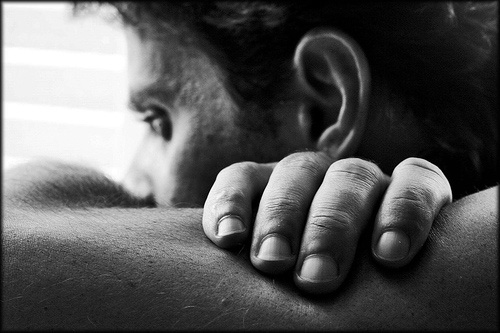
Hard times have a peculiar talent for making life feel like a browser with 47 tabs open, one mysterious song playing somewhere, and no obvious way to close anything. A job ends. A relationship changes. Money gets tight. Grief barges in without knocking. Even ordinary responsibilities can suddenly feel like they weigh as much as a small refrigerator.
When life gets difficult, people often look for a perfect answer: the right quote, the right plan, the right person, or the right amount of coffee. But resilience usually does not arrive with dramatic music and a motivational speech. More often, it grows through small reminders that help you regain your footing one ordinary day at a time.
These forgotten truths are not magic tricks, and they will not erase pain. They can, however, help you move through difficult seasons with more patience, perspective, and self-respect. Think of them as emotional trail markers: not a helicopter rescue, but useful signs that say, “You are still on the path.”
1. Hard Times Are a Season, Not Your Entire Identity
When you are overwhelmed, your mind can turn a temporary problem into a permanent label. A layoff becomes “I am a failure.” A breakup becomes “I will always be alone.” A financial setback becomes “I will never get ahead.”
But circumstances are not character references. You can be struggling without being broken. You can be grieving without being weak. You can make a mistake without becoming the mistake.
One useful habit is to change the language you use with yourself. Instead of saying, “My life is a disaster,” try, “I am going through a difficult period.” The first statement locks you inside a story. The second reminds you that stories have chapters, and chapters eventually turn.
Try This: Name the Season
Write one sentence that describes your current challenge without insulting yourself. For example: “I am navigating a stressful career transition,” or “I am learning how to live after a painful loss.” It may sound simple, but clear language can make a hard reality feel less like quicksand.
2. You Do Not Need to Feel Strong Every Minute
Many people believe resilience means staying calm, positive, productive, and emotionally polished at all times. That is less “resilience” and more “a robot with excellent posture.” Real resilience includes sadness, anger, fear, fatigue, and the occasional afternoon spent staring at a wall while holding a snack.
Feeling overwhelmed does not mean you are failing to cope. It often means your mind and body are responding to a difficult situation. The goal is not to eliminate every uncomfortable emotion. The goal is to make room for feelings without letting them make every decision.
You can say, “I am anxious, and I can still make one phone call.” You can say, “I am heartbroken, and I can still eat dinner.” You can say, “I am exhausted, and I can still ask for help.”
Try This: Separate Feelings From Instructions
When a difficult emotion appears, ask: “What am I feeling?” Then ask: “What does this feeling want me to do?” Finally, ask: “Is that action actually helpful?” Anxiety may tell you to cancel everything. Anger may tell you to send a risky text. You can acknowledge the emotion without handing it the car keys.
3. Small Actions Count More Than Dramatic Plans
During hard times, it is easy to create a heroic recovery plan: wake up at 5 a.m., meditate for an hour, exercise daily, organize your finances, learn a language, drink green juice, and somehow become a better person by Thursday.
That is a lovely fantasy. It is also how many people end up exhausted before lunch.
Small, repeatable actions are more useful when life feels unstable. A short walk, one completed form, a shower, a healthy meal, a call to a friend, or ten minutes spent cleaning one corner of a room can create a sense of movement. Tiny actions do not solve everything, but they remind your brain that you still have influence over your day.
Progress is rarely a cinematic montage. It is often a collection of boring, decent choices repeated until your life begins to feel more manageable.
Try This: Use the “One Useful Thing” Rule
Each morning, choose one useful thing you can reasonably complete. Keep it small enough that your tired self cannot argue with it. Examples include replying to one email, taking medication, folding laundry, scheduling an appointment, or going outside for five minutes.
4. Rest Is Not a Reward You Have to Earn
Hardship often makes people push harder. They work longer, sleep less, scroll more, and treat rest like a luxury item displayed behind glass. Yet your brain and body need recovery, especially when you are under pressure.
Rest does not always mean sleeping. It can mean putting your phone down, taking a quiet drive, sitting in the sun, listening to music, reading something unrelated to your problems, or saying no to one more obligation.
Rest is not laziness. It is maintenance. Nobody expects a phone battery to stay at 2 percent forever and keep functioning beautifully. Humans are allowed the same basic courtesy.
Try This: Create a Short Recovery Ritual
Choose one activity that helps your nervous system settle. It might be a warm shower, a cup of tea, a walk after dinner, stretching, prayer, journaling, or turning off notifications for an hour. Make it simple enough to do on difficult days, not just ideal ones.
5. Asking for Help Is a Skill, Not a Weakness
People often wait until they are completely depleted before reaching out. They worry about being a burden, sounding dramatic, or “bothering” someone. Meanwhile, they are carrying an emotional sofa up several flights of stairs alone.
Support does not have to mean sharing your entire life story with the first person who asks how you are doing. It can be specific and practical. You can ask a friend to sit with you, review your résumé, watch your kids for an hour, help you make a plan, or simply remind you to eat something besides crackers.
Healthy relationships work best when people can give and receive support over time. Letting someone help you is not a debt. It is part of being human.
Try This: Make a Clear Request
Instead of saying, “I am fine,” try one honest sentence: “I have had a rough week. Could we talk for ten minutes?” Clear requests make it easier for other people to show up in a helpful way.
6. Your Thoughts Are Not Always Accurate Reporters
Stress can turn your mind into an unreliable news channel. Every headline is alarming. Every forecast is terrible. Every awkward conversation becomes a national emergency.
In difficult moments, people often assume the worst because the worst feels easier to prepare for. But worrying about every possible outcome does not make you more prepared. It simply makes you tired before anything has happened.
That does not mean you should force yourself into fake optimism. It means you can challenge catastrophic thinking with a more balanced question: “What do I know for sure right now?”
Try This: Check the Evidence
When your mind says, “Everything is falling apart,” pause and list three facts. Perhaps you have one unpaid bill, not twenty. Perhaps a relationship is strained, not permanently over. Perhaps you are behind on a project, but you still have options. Facts can be less dramatic than fear, but they are usually more useful.
7. You Can Grieve What You Chose to Leave
Not every loss happens against your will. You may leave a job that drained you, end a relationship that was no longer healthy, move away from a familiar place, or outgrow a version of yourself that once felt safe.
Even when a decision is right, it can still hurt. Freedom and grief can exist in the same room. Relief and sadness can share the same couch. Human emotions are not known for their commitment to neat filing systems.
Allowing yourself to miss what was familiar does not mean you made the wrong choice. It means the change mattered.
Try This: Honor the Goodbye
Write down what you are leaving behind and what you hope to make room for next. You do not need to villainize the past to move forward. Sometimes the most honest goodbye is simply, “This was important to me, and it is no longer where I belong.”
8. Comparison Becomes Especially Cruel During Difficult Seasons
When your life feels messy, other people can appear suspiciously organized. Their homes look peaceful. Their careers seem stable. Their children eat vegetables voluntarily. Their vacations somehow involve sunsets instead of delayed flights.
But comparison gives you access to other people’s highlight reels while forcing you to live inside your own behind-the-scenes footage. You see your worries, bills, regrets, and unwashed dishes. You see their vacation photo and assume they have solved life.
Hard times are not a competition. Someone else’s success does not prove that you are late, lost, or less worthy. Your job is not to match another person’s timeline. Your job is to build a life that fits your circumstances, values, and actual needs.
Try This: Reduce the Noise
Take a short break from accounts, conversations, or environments that consistently leave you feeling inadequate. Curating what you consume is not avoidance. Sometimes it is emotional housekeeping.
9. Meaning Can Be Found After Pain, Not Because of It
There is pressure to turn every difficult experience into a lesson immediately. People say things like, “Everything happens for a reason,” often at the exact moment when you would prefer they offer soup and leave quietly.
You do not need to be grateful for pain. You do not need to call a terrible experience a gift. But over time, you may discover that hardship clarified what matters, changed a relationship, strengthened a value, or helped you recognize a capacity you did not know you had.
Meaning is not an obligation. It is something you may build slowly, after the dust settles.
Try This: Ask a Gentler Question
Instead of asking, “Why did this happen to me?” try asking, “What do I need most right now?” Later, when you are ready, you can ask, “What do I want to carry forward from this experience?”
10. Getting Through Today Is Sometimes the Whole Assignment
There are days when the future feels too large to hold. You cannot solve the next year, repair every relationship, find a new job, heal a broken heart, and become emotionally enlightened before bedtime.
On those days, shrink the assignment. Drink water. Eat something. Answer one message. Take a breath. Go to sleep. Try again tomorrow.
There is dignity in surviving a difficult day without turning it into a personal failure. Getting through today is not “just” getting through today. It is the foundation that makes tomorrow possible.
Try This: Use a 24-Hour Horizon
When the future feels unbearable, ask only: “What would make the next 24 hours slightly easier?” The answer may be a meal, a nap, a budget review, a doctor’s appointment, a walk, or a conversation. You do not need a complete life plan to take the next wise step.
Experiences From Hard Seasons: What These Truths Look Like in Real Life
The following examples are composite experiences designed to illustrate common challenges and coping patterns.
When a Career Setback Feels Personal
After being laid off from a job she had held for years, Maya spent the first week refreshing job boards and questioning every decision she had ever made. She interpreted the layoff as evidence that she was no longer capable, valuable, or employable. The facts were less dramatic: the company had downsized, her work had been well regarded, and she still had skills that mattered. But stress made those facts difficult to believe.
What helped was not a sudden burst of confidence. It was structure. Maya updated one section of her résumé each day, contacted one former colleague each week, and took morning walks before beginning job searches. She also stopped treating every rejection as a prediction of her future. Eventually, she found a role that suited her better. The layoff still hurt, but it stopped being the definition of her professional identity.
When Grief Changes the Shape of Daily Life
Daniel lost a close family member and discovered that grief did not behave the way he expected. Some days he felt numb. Other days he cried while buying groceries or hearing a song in a restaurant. He worried that he was grieving incorrectly because he could laugh at a joke one hour and feel devastated the next.
Over time, Daniel learned that grief does not require emotional consistency. He began creating small rituals: cooking a favorite family recipe, keeping a photo nearby, and calling a relative every Sunday. These actions did not “fix” grief, because grief is not a broken appliance. They gave it a place in his life without allowing it to consume every corner of it.
When Money Stress Makes Everything Feel Urgent
After unexpected medical expenses, Carlos found himself avoiding his bank account because looking at it made his heart race. Avoidance gave him temporary relief, but it made the situation feel larger and scarier. One Saturday morning, he decided to face the numbers for thirty minutes. He listed bills, called one provider, asked about payment options, and made a basic spending plan for the next month.
Nothing became easy overnight. Still, the problem became specific instead of shapeless. Carlos learned that financial stress often feels like a moral failure, even when it is simply a difficult math problem mixed with uncertainty. By taking one practical action at a time, he replaced panic with information and regained a little control.
When a Relationship Ends but Life Keeps Moving
After a long relationship ended, Priya felt embarrassed by how hard ordinary tasks became. Friends encouraged her to “move on,” but she was still grieving routines, shared plans, familiar jokes, and the version of the future she had expected. She missed someone while also knowing the relationship could not continue in a healthy way.
Her turning point came when she stopped demanding that every day feel better. Instead, she built a new routine around small anchors: a weekly yoga class, dinner with one trusted friend, an evening walk, and a rule that she would not reread old messages after 10 p.m. The heartbreak did not disappear on command. But little by little, her life became wider than the loss.
Final Thought: You Are Allowed to Take the Long Way Through
Hard times can make you feel behind, isolated, or permanently stuck. But healing is rarely a straight line, and resilience is not about pretending life is easy. It is about continuing to care for yourself, accepting support, making manageable choices, and remembering that your current struggle is not the complete story of your life.
You may not be able to control every loss, delay, or disappointment. You can still choose the next small act of care. Sometimes that is enough. Sometimes it is more than enough.
Note: This article offers general well-being guidance and is not a substitute for professional medical or mental health care. If distress is interfering with daily life, feels unmanageable, or creates concerns for your safety, contact a qualified mental health professional, a trusted local crisis service, or emergency support in your area.