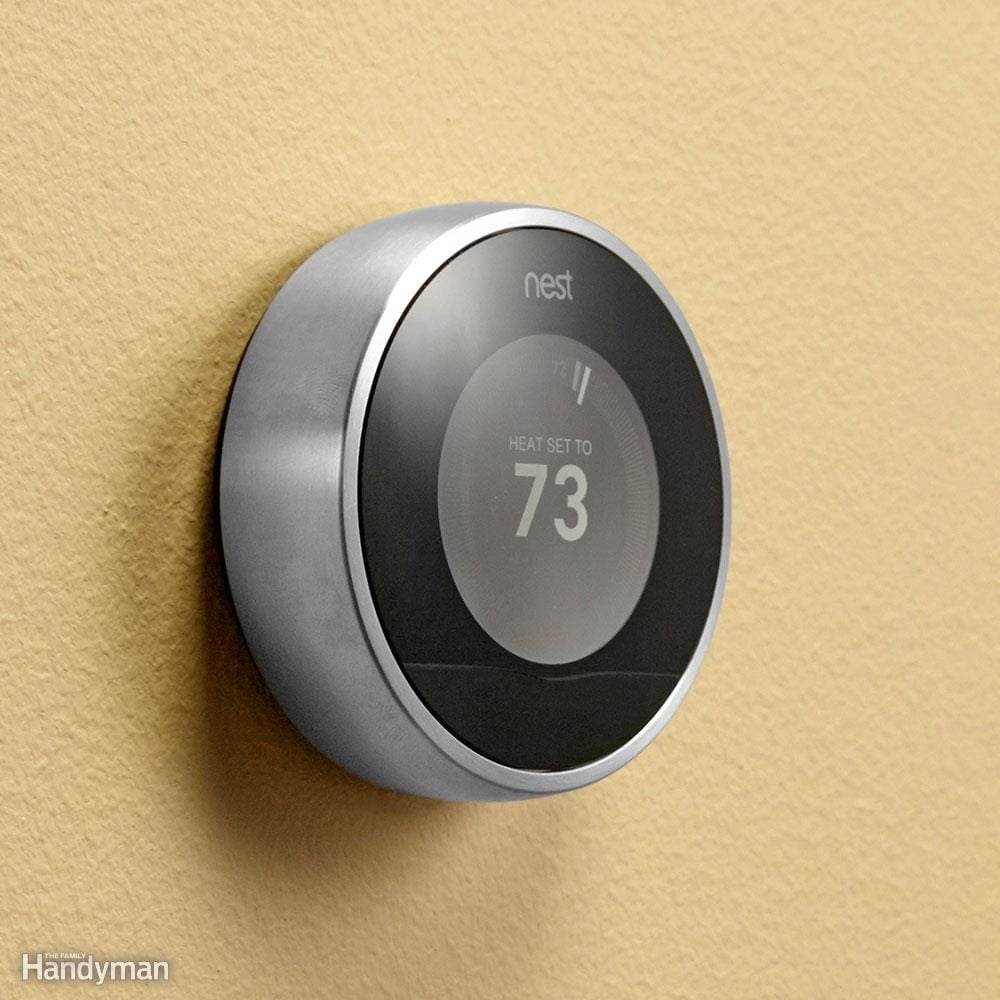
If your thermostat were a person, the old-school kind would be the roommate who leaves every light on, forgets to lock the door, and somehow
thinks “68°F forever” is a personality. Meanwhile, your heating and cooling system is quietly eating a huge slice of your household energy budget.
(ENERGY STAR points out that heating and cooling can be nearly half of a typical home’s annual energy costs.) In other words: this is one place
where “small decisions” show up as big numbers on your bill.
Smart thermostats don’t magically reinvent physics, but they do fix the very human problem of forgetting. They automate the energy-saving habits
most of us intend to do (setbacks when sleeping, away modes when you leave, sanity checks when the weather does something dramatic).
The best part? You don’t have to become an HVAC hobbyist or start speaking fluent “ductwork.” You just need a thermostat that’s smarter than your
weekday brain at 7:12 a.m.
1) They deliver real, measurable energy savings (not just good vibes)
Let’s start with the big question: “Will it actually save me money?” For many households, yesespecially if you don’t currently run a tight schedule
with a programmable thermostat. ENERGY STAR notes that certified smart thermostats are verified using real-world field data and estimates average
savings of about 8% on heating and cooling costs (often summarized as roughly $50/year, with wide variation by home, climate,
and habits).
And if you’re thinking, “I could do that manually,” you’re correctjust like you could meal-prep salads every Sunday and never buy fries again.
The U.S. Department of Energy says you can save up to about 10% per year on heating and cooling by setting your thermostat back
7–10°F for ~8 hours a day. Smart thermostats are basically the adult supervision that makes that plan happen consistently.
2) They automate schedules without you micromanaging your life
Traditional programmable thermostats are “set it and forget it”… until daylight savings, a new job schedule, or a random Tuesday dinner plan blows it up.
Smart thermostats take a more forgiving approach: they can learn patterns, adapt, and suggest schedule tweaks based on what actually happens in your home.
Translation: fewer “Why is the AC blasting while nobody’s home?” moments.
Example
If your household leaves at 8:30 a.m. most weekdays but occasionally stays home, a smart thermostat can handle the usual routine while letting you override
it easilywithout rewriting a weekly schedule every time life gets chaotic.
3) Remote control is the simplest form of peace of mind
Smart thermostats let you adjust temperature from your phone. That sounds like a novelty until the first time you’re halfway to the airport and think,
“Did we turn the heat down?” Or you’re coming home early and want the house comfortable by the time you walk in.
Example
Heading home from a weekend trip? Bump your heat up 30 minutes before you arrive. Suddenly your return feels less like “re-entering the ice cave” and more
like “I live here on purpose.”
4) Occupancy sensing and geofencing stop heating (or cooling) an empty house
One of the biggest waste patterns in homes is conditioning space no one is using. Many smart thermostats use occupancy sensing, phone location (geofencing),
or a combination to switch into an “away” mode automatically. It’s a simple concept with a powerful effect: when you’re gone, the system relaxes.
When you’re back, it recoverswithout you having to remember a single button press.
Where this shines
- Households with irregular schedules
- People who travel for work
- Anyone who has ever left the house in a hurry (so… everyone)
5) Room sensors fix the “one thermostat, many climates” problem
A thermostat on a hallway wall can’t fully represent your whole homeespecially if you have a second floor, a bonus room, a sunny living room,
or that one bedroom that’s always five degrees off and full of blankets like a DIY survival shelter. Many smart thermostats support remote room sensors
to read temperature (and sometimes occupancy) in other spaces and balance comfort accordingly.
Example
If your baby’s room runs warmer than the hallway, a room sensor can keep that room closer to target without overcooling the rest of the house.
You’re not just saving energyyou’re buying back comfort.
6) They turn “set a temperature” into “manage comfort”
Comfort isn’t only temperature. Humidity, runtime, airflow, and even where you spend time in the house can matter. Some smart thermostats incorporate
humidity sensing, “feels like” adjustments, and comfort settings that keep you from chasing the dial all day. Instead of living by a single number,
you get a system that aims for stable comfort with fewer dramatic swings.
7) Energy reports help you spot waste you didn’t know you had
Many smart thermostats provide monthly energy reports, runtime histories, and tips. That’s useful because most of us don’t speak “HVAC” fluently.
Seeing patternslike the system running unusually long every afternooncan help you decide whether to tweak settings, improve insulation, or
schedule service before something turns into an expensive surprise.
Example
If your cooling runtime spikes compared to last month, you might discover a clogged filter, a stuck vent, or a schedule that doesn’t match your current routine.
Data won’t fix the problem for you, but it can point you at the right door instead of letting you wander the hallway forever.
8) Maintenance reminders protect efficiency (and sometimes your wallet)
HVAC systems are like cars: a little maintenance prevents a lot of drama. Many smart thermostats can remind you about filter changes and service intervals,
and some can issue alerts when your system isn’t meeting demand (for example, calling for cooling while the temperature keeps rising).
Catching issues early can save energy and reduce wear on equipmentplus it may help you avoid the “AC died during the hottest week of the year” Olympics.
Why this matters
- Dirty filters can reduce airflow and efficiency
- Long runtimes can signal a system struggling to keep up
- Small issues discovered early can prevent bigger repairs later
9) Utility rebates and demand-response programs can pay you back
In many parts of the U.S., utilities offer rebates for qualifying smart thermostats. On top of that, some utilities run “demand response” programs
(often opt-in) where your thermostat makes small adjustments during peak demand periodstypically a couple of degrees for a few hourswhile your home
is preconditioned to reduce comfort impact. In return, you may receive bill credits, gift cards, or annual incentives.
Who benefits most
- Homes in hot-summer regions where peak cooling demand is a big deal
- Households that can tolerate minor, temporary setpoint shifts
- Anyone who likes getting rewarded for doing something their thermostat can do automatically
10) Safety features can prevent disasters (or at least very expensive headaches)
Smart thermostats often include protective features like minimum/maximum safety temperatures and alerts. If your home gets dangerously cold (risking frozen pipes)
or dangerously hot (pets, plants, electronics, and general sanity), the thermostat can turn the system on even if it’s set to “off” and notify you.
For vacation homes, winter travel, or anyone who has ever worried mid-flight, “Did the heat die?” this is a legitimately underrated benefit.
Example
You’re away for a holiday weekend and the furnace trips. A safety alert gives you time to call a neighbor or service tech before your house turns into an indoor skating rink.
Buying tips: how to choose a smart thermostat without regret
Smart thermostats are worth buying when they match your home and your habits. Here’s how to avoid the common “great gadget, wrong fit” scenario.
1) Confirm HVAC compatibility
- System type: Conventional furnace + AC, heat pump, boiler, multi-stage systemscompatibility varies.
- Wiring (C-wire): Some models require a common wire for continuous power, while others offer workarounds.
2) Decide what you actually need
- Basic savings: Scheduling + away mode may be enough.
- Comfort upgrades: Look for room sensor support if your home has hot/cold spots.
- Smart home integration: If you use Alexa/Google Home/Apple Home (or want cross-platform options like Matter), check compatibility.
3) Think about privacy and support lifespan
A thermostat is a small computer connected to your Wi-Fi. Use strong passwords, keep firmware updated, and choose brands with clear security policies.
Also consider how long you expect the device to be supportedbecause “smart” features depend on software and cloud services.
So… are smart thermostats worth it?
If you have predictable comfort preferences, forget to adjust your thermostat, travel, work irregular hours, or deal with temperature imbalance across rooms,
a smart thermostat can be a practical upgradenot a gimmick. The money savings are often meaningful (especially with rebates), but the bigger win is that it
reduces waste automatically and makes comfort easier to manage.
Real-world experiences (the stuff you only learn after living with one)
The first week with a smart thermostat is usually a mix of curiosity and mild disbelief. You’ll check the app more often than you check social media,
and you’ll learn quickly that your home has opinions. The upstairs may run warmer than you realized, or your living room might be a solar oven from 2–4 p.m.
Once you can actually see runtimes and temperatures, you stop guessing and start making small, effective changes.
One of the most satisfying moments is the “forgot-to-change-it” rescue. Maybe you leave for work and, two hours later, remember you never adjusted the thermostat.
With an old unit, that’s a full-day energy donation. With a smart thermostat, you open the app, tap “Away,” and keep moving. That tiny action feels like
you just found twenty dollars in your winter coat pocketexcept it happens repeatedly.
Comfort improvements tend to show up before savings do. If you add room sensors, you can stop treating the thermostat location as the dictator of the entire house.
You’ll notice that bedrooms can be more consistent at night, or that the home office can be comfortable without turning the whole place into an icebox.
The experience is less “crank the AC until it hurts” and more “steady and normal,” which is the highest compliment you can give a climate system.
Then there’s the maintenance side. A reminder to change a filter doesn’t sound excitinguntil you realize you used to forget for months at a time.
Getting an alert that your system is running longer than usual can nudge you to check a vent, replace a filter, or schedule service before it becomes a breakdown.
Even if you never become the kind of person who enjoys talking about airflow, you’ll appreciate not learning about problems when the house is already uncomfortable.
Demand response programs are surprisingly uneventful in day-to-day life. When an event happens, the thermostat may pre-cool or slightly adjust the setpoint
for a few hours. Most people notice it less than they expectespecially if they start with a reasonable comfort setting. The best part is the psychological win:
you’re helping reduce peak grid strain, and you might get a reward for it, which feels like being paid for a very small act of responsible adulthood.
Finally, the vacation experience is where smart thermostats earn their keep. Knowing you can check the temperature remotely, confirm the system is running,
and get alerts if the home reaches unsafe temperatures is a quiet kind of relief. It’s not flashy. It’s just the difference between enjoying your trip
and having that nagging background worry. If a thermostat can buy you peace of mind, comfort, and a lower billwithout requiring you to remember anything
that’s a pretty strong argument for “worth it.”