Silicon does not usually walk into a room and demand applause. It is not flashy like gold, dramatic like uranium, or trendy like whatever material just got a TED Talk. But if silicon ever decided to go on strike, modern life would wobble like a folding chair at a backyard barbecue. This humble element and its close chemical cousins show up in our phones, roads, windows, solar panels, hospitals, kitchens, vehicles, and internet cables. In other words, silicon is not just useful. It is suspiciously overachieving.
That said, there is one tiny chemistry wrinkle worth clearing up before we dive in. When people say “silicon,” they often mean a whole family of silicon-based materials. Pure silicon is a star in electronics and solar cells. Silica helps make glass and cement. Silicones are flexible polymers used in sealants, cookware, and medical products. Silicon carbide handles heat and power like it has something to prove. So this article follows the common, practical meaning of the term and explores the real-world uses that make silicon one of the most important materials in modern life.
Why Silicon Matters So Much
Silicon earns its reputation because it is abundant, adaptable, and chemically gifted. It can be purified into a semiconductor, formed into hard glassy compounds, engineered into flexible polymers, or turned into rugged materials for extreme environments. That is a rare talent stack. Most materials get one signature role. Silicon somehow landed ten.
1. Silicon Powers the Computer Chips Running Modern Life
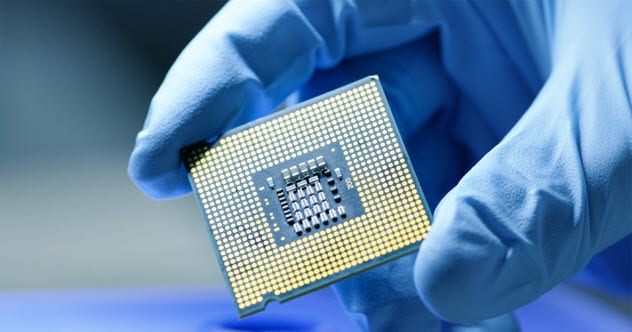
Let’s start with the obvious giant. Silicon is the workhorse of semiconductors, which means it sits at the heart of processors, memory chips, sensors, and microcontrollers. Tiny adjustments to pure silicon, including doping it with minute amounts of other elements, let engineers control how electricity moves through it. That ability is what makes chips possible.
This is why silicon quietly runs the digital world. Smartphones, laptops, smart TVs, routers, medical scanners, industrial robots, and even your “simple” washing machine rely on chips made from silicon wafers. The next time your phone unlocks with your face in half a blink, you can thank a material that started with a reputation for being glorified sand.
Why this use is remarkable
Silicon does not just store information. It makes high-speed decision-making possible. Without it, there is no modern computing ecosystem, no cloud services, and no realistic way to scale the electronics we now take for granted.
2. Silicon Is the MVP of Solar Panels
If silicon had a side hustle, it would be turning sunlight into electricity. Crystalline silicon dominates the solar market because it offers a strong mix of efficiency, durability, and cost-effectiveness. That balance matters. Solar technology is not just about squeezing out lab-record performance; it is about creating panels that can survive real weather, real roofs, and real budgets.
Silicon solar cells work by absorbing light and setting electrons in motion, creating electric current. That sounds simple, but it is one of the cleverest tricks in applied physics. The result is a material that helps power homes, businesses, farms, schools, and large utility-scale solar fields. In a world looking for cleaner energy, silicon is not just relevant. It is busy collecting overtime.
Why this use is remarkable
Few materials bridge science, economics, and sustainability as neatly as silicon in photovoltaics. It helps make renewable energy practical rather than purely inspirational.
3. Silicon Helps Make Glass for Windows, Screens, and Lab Equipment
Silica, a silicon-oxygen compound, is one of the core ingredients in glass. That means silicon is deeply involved in everyday objects you probably have not admired nearly enough: windows, bottles, display glass, microscope slides, and laboratory glassware. It is one of those materials hiding in plain sight, which is honestly a very silicon move.
The beauty of silica-based glass is that it can be engineered for different purposes. Some glass is designed for clarity. Some is built for heat resistance. Some is chemically tough enough for research labs. Some is strengthened for screens that survive being dropped approximately one hundred times before finally choosing chaos.
Why this use is remarkable
Silicon helps create materials that are both fragile-looking and technologically sophisticated. From architecture to consumer electronics, its role in glass is foundational.
4. Silicon Makes Fiber-Optic Communication Possible
The internet is often described like a magical cloud, which is adorable. In reality, much of the world’s data travels through glass fiber made from silica. Low-loss optical fiber changed long-distance communication by allowing light to carry huge amounts of data with astonishing efficiency. That means video calls, streaming platforms, data centers, and global business networks owe a lot to silicon-based glass.
Fiber optics matter because they allow information to move fast, far, and with less signal loss than older technologies. Silicon’s role here is not about flashy gadgets. It is about the invisible backbone of modern communication. So yes, your group chat and your enterprise cloud platform are, at some level, roommates.
Why this use is remarkable
Silicon does not just help process data inside chips. It also helps move data across cities, countries, and oceans. That is range.
5. Silicon Supports the Cement and Concrete Beneath Our Cities
Silica is also a key ingredient in cement and concrete systems. That means roads, bridges, buildings, tunnels, sidewalks, dams, and parking garages all depend on silicon chemistry in one form or another. It is hard to act glamorous while discussing cement, but civilization does love standing on it.
In concrete applications, silica-rich materials contribute to strength, durability, and performance. Specialized materials such as silica fume are used in some blended cements and concrete mixes to improve density and toughness. So when a structure needs to resist weather, wear, and time, silicon-based ingredients often step into the lineup.
Why this use is remarkable
Silicon is not only part of cutting-edge tech. It is also part of the physical skeleton of modern infrastructure. That broad range is what makes it exceptional.
6. Silicon-Based Sealants Keep Buildings Dry, Flexible, and Durable
Silicones are everywhere in construction, and for good reason. They handle moisture, temperature swings, sunlight, and movement better than many other materials. That makes them useful for window sealants, exterior caulking, facade protection, bathroom joints, and weather-resistant building applications.
Think about what that means in practice. Buildings expand and contract. Water tries to sneak into everything. UV radiation slowly bullies exposed materials. A good silicone sealant acts like the calm, competent friend who shows up with the right tool bag and fixes the situation before anyone panics.
Why this use is remarkable
Silicon-based sealants help buildings last longer and perform better. They may not get ribbon-cutting ceremonies, but they absolutely deserve more respect.
7. Silicon Plays a Role in Medical Devices and Implants
Medical-grade silicones are valued because they are flexible, durable, and biocompatible. That makes them useful in products that come into contact with the human body, including certain implants, prosthetics, tubing, catheters, and specialized devices. In healthcare, materials have to do more than function. They have to behave predictably, safely, and comfortably in demanding conditions.
Of course, this is not a free-for-all chemistry party. Medical uses require regulation, testing, and careful design. But silicon-based materials remain important because they can combine softness, stability, and performance in ways that many alternatives struggle to match.
Why this use is remarkable
Silicon is not only helping machines work better. It is helping medical technologies serve real people in real clinical settings. That is a very different kind of importance.
8. Silicon Shows Up in Kitchens, Personal Care, and Household Products
Now for the everyday plot twist. Silicon-based materials are also common in household goods. Silicones appear in bakeware, kitchen utensils, lubricants, hair products, skin-care formulas, detergents, surface treatments, and anti-foaming applications. In short, silicon is just as comfortable in your pantry and laundry room as it is in a semiconductor fab.
The appeal is practical. Silicone materials can be heat-resistant, water-repellent, chemically stable, easy to clean, and pleasantly flexible. That is why they fit so many consumer products. You may not read the label and whisper, “Ah yes, elegant polymer engineering,” but that is basically what is happening.
Why this use is remarkable
Very few materials move so effortlessly from heavy industry to daily life. Silicon does not care whether the assignment is “power a data center” or “help a muffin release from a pan without drama.”
9. Silicon Carbide Helps EVs and Aerospace Electronics Handle Tough Conditions
Silicon carbide, or SiC, is a silicon-based material built for harsher jobs. It performs well in high-temperature, high-voltage, and high-power environments, which makes it attractive for electric vehicles, power electronics, aerospace systems, and energy applications. Where ordinary silicon starts sweating, silicon carbide rolls up its sleeves.
In EV systems, SiC devices are especially useful in inverters, onboard chargers, and power conversion hardware. Better efficiency can translate into faster charging and improved vehicle performance. In aerospace, SiC can support electronics and sensors in environments that would overwhelm conventional silicon devices.
Why this use is remarkable
This is silicon evolving into a tougher cousin for demanding conditions. It shows how the broader silicon family keeps expanding into advanced applications that matter for transportation and energy.
10. Silicon Is Pushing Battery Technology Forward
Silicon is also a big deal in battery research and commercialization efforts, especially for anodes in lithium-ion batteries. Compared with traditional graphite, silicon has the potential to store far more lithium. That is why researchers and companies keep chasing it. More capacity can mean longer battery life, more energy density, and better performance for electronics and vehicles.
There is a catch, because science likes to stay humble. Silicon expands significantly during charge and discharge cycles, which creates engineering headaches. But progress in materials design, binders, and composite structures keeps pushing silicon-anode technology forward. This is one of the most exciting examples of silicon moving from established superstar to next-generation contender.
Why this use is remarkable
Silicon is not done reinventing itself. Even after dominating chips and solar panels, it is still elbowing its way into the future of energy storage.
Final Thoughts: Silicon Is the Quiet Giant of Modern Materials
Silicon is remarkable not because it has one glamorous use, but because it has a ridiculous number of indispensable ones. It powers microchips, harvests sunlight, strengthens infrastructure, seals buildings, supports medical products, carries data through fiber, improves household goods, and helps next-generation power systems and batteries become more practical.
That range matters for SEO readers, engineers, homeowners, students, and curious everyday humans alike. Silicon is one of the best examples of a material that connects the digital world, the built environment, and clean-energy innovation. If modern life were a stage production, silicon would not be the lead actor taking bows at the end. It would be the stage crew, lighting system, sound engineer, set builder, and half the cast. Quietly. Efficiently. Probably while wearing safety goggles.
Experiences Related to “10 Remarkable Uses For Silicon”
The funny thing about silicon is that most people experience it all day without ever saying its name out loud. You wake up to a phone alarm powered by silicon chips. You check the weather on a screen made possible by silicon-based glass. You work on a laptop, connect to Wi-Fi hardware full of semiconductors, and send messages through networks that depend on fiber-optic lines built from silica. By lunchtime, you might heat leftovers in a kitchen that includes silicone utensils, silicone seals, and appliances loaded with silicon electronics. Silicon is not a niche material hiding in a lab. It is more like the world’s busiest background character.
I think that is what makes this topic so satisfying to write about. The more you pay attention, the more silicon keeps showing up like a friend who somehow knows everyone at the party. It is in the office, in the hospital, in the garage, on the roof, under the road, and behind the screen you are reading right now. Once you learn the difference between silicon, silica, silicones, and silicon carbide, the material world starts making a lot more sense. You stop seeing random products and start seeing a family of materials solving very different problems with surprising elegance.
There is also something genuinely impressive about silicon’s range. Some materials are famous because they are rare. Silicon is powerful because it is useful almost everywhere. That gives it a different kind of charm. It is the reliable overachiever of material science. It does the tiny precision work inside chips, the rugged heavy lifting in infrastructure, and the flexible comfort work in medical and consumer products. That is not just versatility. That is almost suspicious competence.
From a practical standpoint, silicon-related materials also make technology feel more human. Better chips mean faster and more responsive devices. Better solar cells make clean energy more realistic for households and communities. Better sealants help buildings last longer. Better battery materials can improve the tools and transportation people rely on every day. Even something as ordinary as a silicone spatula or a waterproof seal around a window reminds us that chemistry is not an abstract school subject. It is applied problem-solving with very real consequences.
And then there is the future-facing side of the story. Silicon is already a giant, yet it keeps finding new jobs. Silicon carbide is stepping up in EV power electronics. Silicon-based battery designs are getting smarter. Advanced glass and fiber applications continue to evolve. That gives silicon a rare quality: it feels both established and unfinished. It is already one of the most important materials in the modern economy, but it still has room to surprise us.
So if this article leaves you with one takeaway, let it be this: silicon is not just the stuff of computer chips. It is one of the central materials of contemporary life, linking communication, transportation, energy, medicine, construction, and everyday convenience. Not bad for an element that often gets mistaken for “that thing in Silicon Valley.” Frankly, the valley should be thanking the element.