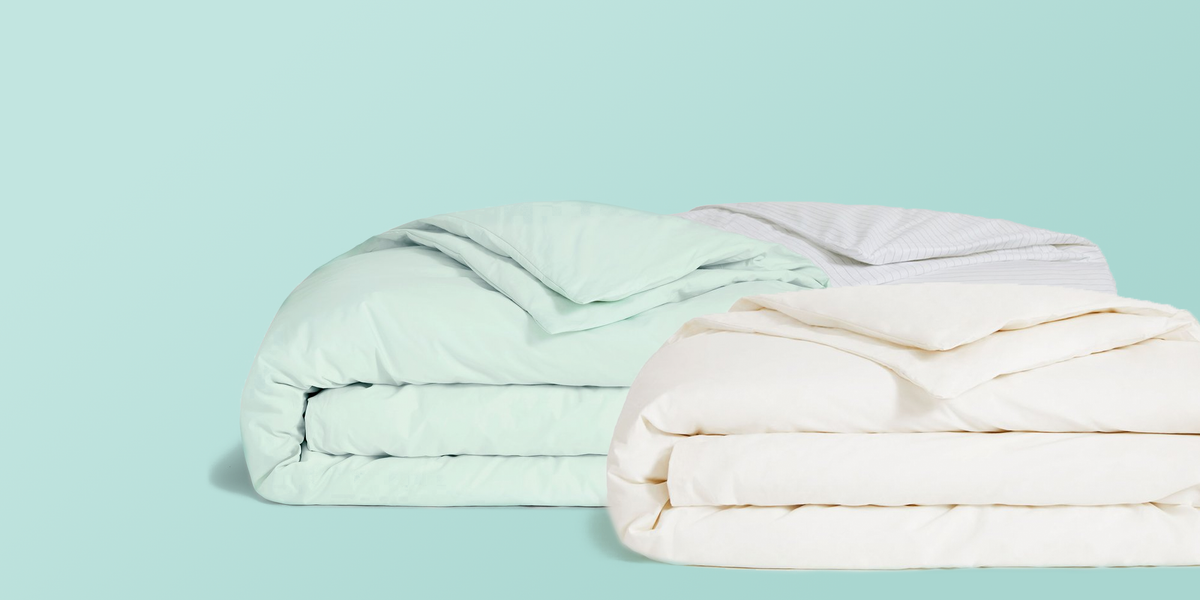
A duvet cover may look like a very large pillowcase with ambition, but it does far more than make a bed look presentable before guests arrive. The right duvet cover protects your comforter or duvet insert, changes the personality of your bedroom in minutes, and can make sleeping feel cooler, softer, cozier, or more luxurious.
In 2024, top-rated duvet covers stood out for more than pretty colors. Shoppers looked for breathable fabrics, durable stitching, easy-wash care, secure corner ties, and closures that did not pop open at 2 a.m. like a tiny bedding rebellion. From crisp cotton percale to relaxed linen and silky eucalyptus blends, there was a comforter cover for nearly every sleep style and budget.
This guide highlights 11 standout duvet covers that earned attention in 2024 for comfort, construction, style, and practical everyday use. Whether you sleep hot, love a hotel-style bed, share your mattress with pets, or simply want to hide an aging comforter that has seen too much, there is a duvet cover here for you.
What Makes a Great Duvet Cover?
The best duvet covers balance comfort, function, and visual appeal. Material matters first. Cotton is dependable and easy to wash, linen is breathable and naturally relaxed, sateen feels smooth and polished, and eucalyptus or bamboo-derived fabrics are often chosen for their soft, moisture-wicking feel.
Construction matters just as much. Internal corner ties help hold a duvet insert in place, while buttons, zippers, or envelope closures keep the cover secure. A duvet cover without reliable ties can turn your comforter into a lumpy burrito before breakfast.
When comparing top-rated comforter covers for beds, consider your room temperature, laundering habits, preferred texture, and how much you care about wrinkles. Some people love linen’s casual rumpled look. Others see one wrinkle and immediately consider calling a professional negotiator.
11 Best Duvet Covers of 2024
1. Slumber Cloud Essential Duvet Cover – Best Overall
The Slumber Cloud Essential Duvet Cover was one of the strongest all-around choices for sleepers who wanted softness without excess warmth. Its lightweight performance fabric was designed with temperature regulation in mind, making it especially appealing for people who tend to wake up feeling like they spent the night inside a toaster oven.
The cover offered a smooth feel, practical durability, and an easy fit around many standard duvet inserts. It was a smart choice for couples with different sleep temperatures because it delivered a comfortable middle ground: cozy enough for a layered bed, but breathable enough for people who dislike heavy bedding.
2. Quince European Linen Duvet Cover – Best Value Linen Option
Quince became a favorite among linen bedding shoppers because its European linen duvet cover delivered a relaxed, high-end appearance at a more approachable price than many luxury linen brands. Linen is naturally breathable, moisture-wicking, and known for becoming softer over time, which makes it an excellent duvet cover material for warm sleepers.
This cover worked especially well in neutral, coastal, farmhouse, and minimalist bedrooms. Expect a gently wrinkled look rather than hotel-sheet crispness. That is not a flaw; it is linen doing its charming “I woke up like this” routine.
3. Brooklinen Luxe Sateen Duvet Cover – Best for Silky Softness
For sleepers who prefer a smoother, more polished bed, the Brooklinen Luxe Sateen Duvet Cover was a standout. Sateen cotton has a soft, subtle sheen and a buttery feel that gives a bed a more elevated, hotel-inspired appearance.
This duvet cover was a strong pick for year-round use in climate-controlled bedrooms. It felt warmer and smoother than percale, making it especially appealing to people who dislike crisp or textured fabrics. Its stylish color selection also made it easy to refresh a bedroom without replacing every piece of bedding.
4. L.L.Bean Pima Cotton Percale Comforter Cover – Best Crisp Cotton Cover
The L.L.Bean Pima Cotton Percale Comforter Cover appealed to fans of classic cotton bedding. Percale has a cooler, crisper feel than sateen, similar to a freshly pressed cotton shirt. It is breathable, durable, and especially pleasant for people who prefer bedding that feels airy rather than silky.
The cover’s practical design, quality cotton construction, and dependable fit made it a strong everyday option. It was also a good choice for households that wash bedding frequently, including pet owners, families, and anyone whose morning coffee occasionally chooses violence.
5. Sijo AiryWeight Eucalyptus Duvet Cover – Best for Hot Sleepers
The Sijo AiryWeight Eucalyptus Duvet Cover was designed for sleepers who run warm and want a softer alternative to traditional cotton. Eucalyptus-based lyocell fabrics are often valued for their smooth texture, breathability, and moisture management.
This cover felt light and cool against the skin, making it a popular choice for summer, humid climates, and warm bedrooms. It also offered a refined drape that made the bed look polished without requiring military-grade ironing skills.
6. Bare Home Duvet Cover – Best Budget-Friendly Pick
The Bare Home Duvet Cover was a practical choice for shoppers who wanted an affordable comforter cover without sacrificing basic comfort and style. Its soft microfiber-style fabric offered a cozy feel, and the wide range of colors made it easy to match different bedroom designs.
This was a sensible pick for college bedrooms, guest rooms, children’s rooms, first apartments, and seasonal decor changes. Hot sleepers may prefer cotton, linen, or eucalyptus fabrics, but for budget-conscious shoppers who want softness and easy care, Bare Home delivered strong everyday value.
7. Saatva Organic Percale Duvet Cover Set – Best Organic Cotton Option
The Saatva Organic Percale Duvet Cover Set was a strong choice for shoppers who wanted breathable organic cotton with a crisp, upscale finish. Percale’s one-over-one weave gives it a cool and airy character, while organic cotton appeals to those seeking more thoughtfully sourced bedding.
This duvet cover suited people who like a clean, tailored bed rather than a heavily draped or ultra-shiny look. It also worked well for warm sleepers who wanted natural fibers without the textured appearance of linen.
8. Cozy Earth Linen Bamboo Duvet Cover – Best Premium Cooling Pick
The Cozy Earth Linen Bamboo Duvet Cover gained attention for blending breathable linen with soft bamboo-derived fibers. The result was a duvet cover that offered the airy character of linen with a gentler, smoother hand feel than traditional flax linen alone.
This was a premium choice for sleepers who wanted a luxurious bedding upgrade and prioritized temperature control. Its soft drape and refined appearance made it suitable for bedroom styles ranging from modern minimalism to calm, spa-inspired spaces.
9. Boll & Branch Signature Hemmed Duvet Set – Best Luxury Cotton Set
The Boll & Branch Signature Hemmed Duvet Set was a strong luxury option for shoppers who wanted a smooth, polished cotton finish. Its understated hem detail gave the bed a tailored appearance without making it look like it was trying too hard.
This duvet cover suited people who enjoy a plush, upscale bed and appreciate a softer cotton feel. It was particularly attractive for primary bedrooms, gift-worthy bedding upgrades, and anyone attempting to recreate the peaceful atmosphere of a hotel room without the confusing thermostat controls.
10. Buffy Breeze Duvet Cover – Best Lightweight Eco-Conscious Choice
The Buffy Breeze Duvet Cover was known for its lightweight feel and eucalyptus-based fabric. It appealed to sleepers who wanted a soft, breathable comforter cover with a modern, casual style.
Because it felt airy rather than heavy, it worked well for warm climates and people who prefer a less bulky bed. The cover also came in colors and designs that could make a bedroom feel more playful, proving that bedding does not have to be beige to be sophisticated.
11. Cultiver Linen Duvet Cover Set – Best Luxury Linen Cover
The Cultiver Linen Duvet Cover Set was a premium linen choice for people who love the lived-in, textured elegance of natural flax bedding. Its linen construction offered breathability, durability, and a relaxed appearance that became softer with repeated washing.
This cover was ideal for sleepers who want their bedroom to feel collected rather than overly coordinated. It paired beautifully with cotton sheets, textured throws, and mismatched pillowcases. In other words, it helped create the kind of bed that looks casually effortless, even though you definitely spent twenty minutes arranging the pillows.
How to Choose the Right Comforter Cover for Your Bed
Match the Fabric to Your Sleep Style
Hot sleepers usually do best with percale cotton, linen, eucalyptus lyocell, or lightweight bamboo-derived fabrics. These materials tend to allow more airflow and feel less clingy against the body.
People who prefer a warmer, softer feel may enjoy sateen cotton or brushed fabrics. Sateen is smooth and drapey, while linen feels more textured and breathable. Microfiber duvet covers are typically inexpensive and soft, but they may retain more heat than natural fibers.
Look for Interior Ties
Interior ties are one of the most overlooked features in a duvet cover. They attach to loops on the duvet insert and help prevent shifting. A cover with four corner ties is helpful, but additional side ties can offer even more stability for oversized or fluffy inserts.
Choose the Right Closure
Button closures are classic and easy to repair, but zippers can create a cleaner finish and make changing the duvet easier. Envelope closures are common on pillow shams, while duvet covers typically use buttons, hidden buttons, or zippers.
Check Size Before Buying
A duvet cover should match the dimensions of your duvet insert, not simply the size of your mattress. A queen-size insert may vary between brands, so check the measurements before ordering. A cover that is too large can look sloppy, while one that is too small can make a fluffy insert look like it is wearing skinny jeans.
How to Care for a Duvet Cover
Most duvet covers should be washed every one to two weeks, depending on personal preference, pets, allergies, and whether you use a top sheet. Follow the care label carefully, especially for linen, eucalyptus-based fabrics, and organic cotton.
Wash duvet covers in cold or warm water with a mild detergent. Avoid overloading the washing machine, because bedding needs room to move. Tumble dry on low heat when permitted, remove promptly to reduce wrinkles, and avoid heavy fabric softeners that may coat fibers over time.
Linen duvet covers will naturally wrinkle, and that is part of their appeal. Cotton percale can look crisp with a quick iron, while sateen is often smoother straight from the dryer. Choose the maintenance level that fits your real life, not the version of you who suddenly becomes a bedding-care expert every Sunday afternoon.
Real-World Duvet Cover Experiences: What Matters After the First Week
Buying a duvet cover online can feel deceptively simple. You choose a color, admire a few staged bedroom photos, read reviews written by people who apparently sleep in a professionally lit cloud, and click “add to cart.” Then the package arrives, and the real test begins: can you actually put the cover on your duvet insert without needing a snack break and an emotional support playlist?
One of the biggest lessons from everyday duvet cover use is that softness on day one is not the whole story. Some fabrics, especially linen, may feel more textured at first but become softer after repeated washes. That makes linen a great long-term choice for people who like breathable bedding and do not mind a slightly broken-in feel. It is the denim jacket of the bedding world: better with age, more relaxed with time, and never quite interested in looking perfectly pressed.
Percale cotton offers a very different experience. It feels crisp, cool, and clean, especially after washing. People who sleep hot often appreciate that airy sensation, although those who love ultra-soft, buttery fabrics may find it too structured. Sateen, by comparison, usually feels smoother and more luxurious right away. It drapes beautifully over a duvet insert and can make even a modest bed frame look more expensive.
Another common experience involves the duvet insert itself. A beautiful duvet cover cannot fully rescue an insert that slides around inside it. Internal ties are worth their weight in gold, or at least worth the minor annoyance of tying little bows in four corners. Without them, the insert may bunch up at one end, leaving you with a warm puff of comforter near your feet and a suspiciously flat section near your shoulders.
People with pets quickly learn that washable duvet covers are a lifesaver. A removable cover is far easier to clean than a bulky comforter, especially after muddy paws, shedding season, or a cat who believes the bed is a personal throne. Darker colors and subtle patterns can also hide pet hair better than bright white bedding, although white still wins when you want that classic hotel-bed look.
Temperature is another major factor. Many shoppers assume that a duvet cover alone determines whether they sleep hot or cold, but the duvet insert plays an equally important role. A breathable linen or percale cover can help, yet a very heavy synthetic insert may still trap heat. The best setup usually combines a cover and insert that suit your sleep habits. Hot sleepers may prefer a lightweight insert inside a linen, percale, or eucalyptus cover. Cold sleepers may enjoy a warmer duvet paired with sateen cotton or soft brushed fabric.
Finally, there is the visual experience. A duvet cover is one of the fastest ways to refresh a bedroom without buying new furniture. A white percale cover feels classic and hotel-inspired. A striped linen cover adds coastal charm. Deep green, clay, navy, or muted rose can make a room feel richer and more personal. Changing a duvet cover is often easier and less expensive than repainting a wall, and there is much less chance of accidentally getting paint in your hair.
The best duvet cover is the one that fits your sleep style, laundry routine, budget, and bedroom personality. It should make your bed feel inviting at the end of a long day and easy to reset the next morning. After all, a comfortable bed is not just decor. It is one of life’s most reliable little luxuries.
Final Thoughts
The best duvet covers of 2024 proved that bedding can be both practical and personal. Whether you choose cool cotton percale, soft sateen, breathable linen, or a eucalyptus-based comforter cover, the right option can improve the comfort, look, and longevity of your duvet insert.
For an all-around choice, the Slumber Cloud Essential Duvet Cover offered a versatile balance of comfort and temperature regulation. Linen lovers had strong options from Quince and Cultiver, while Brooklinen and Boll & Branch delivered polished softness for shoppers who wanted a more luxurious bed. The key is choosing a fabric and construction style that works for how you actually sleep, not just how you hope your bedroom will look in a catalog.
Note: Product selections reflect widely reviewed duvet cover models from 2024. Availability, colors, sizes, pricing, and product specifications may change over time.