Some people walk into a room and instantly become the human equivalent of a confetti cannon. Others walk in, locate the nearest quiet corner, and begin a deep emotional relationship with the snack table. If you are in the second group, congratulations: you are not broken, boring, or doomed to a lifetime of nodding politely at parties.
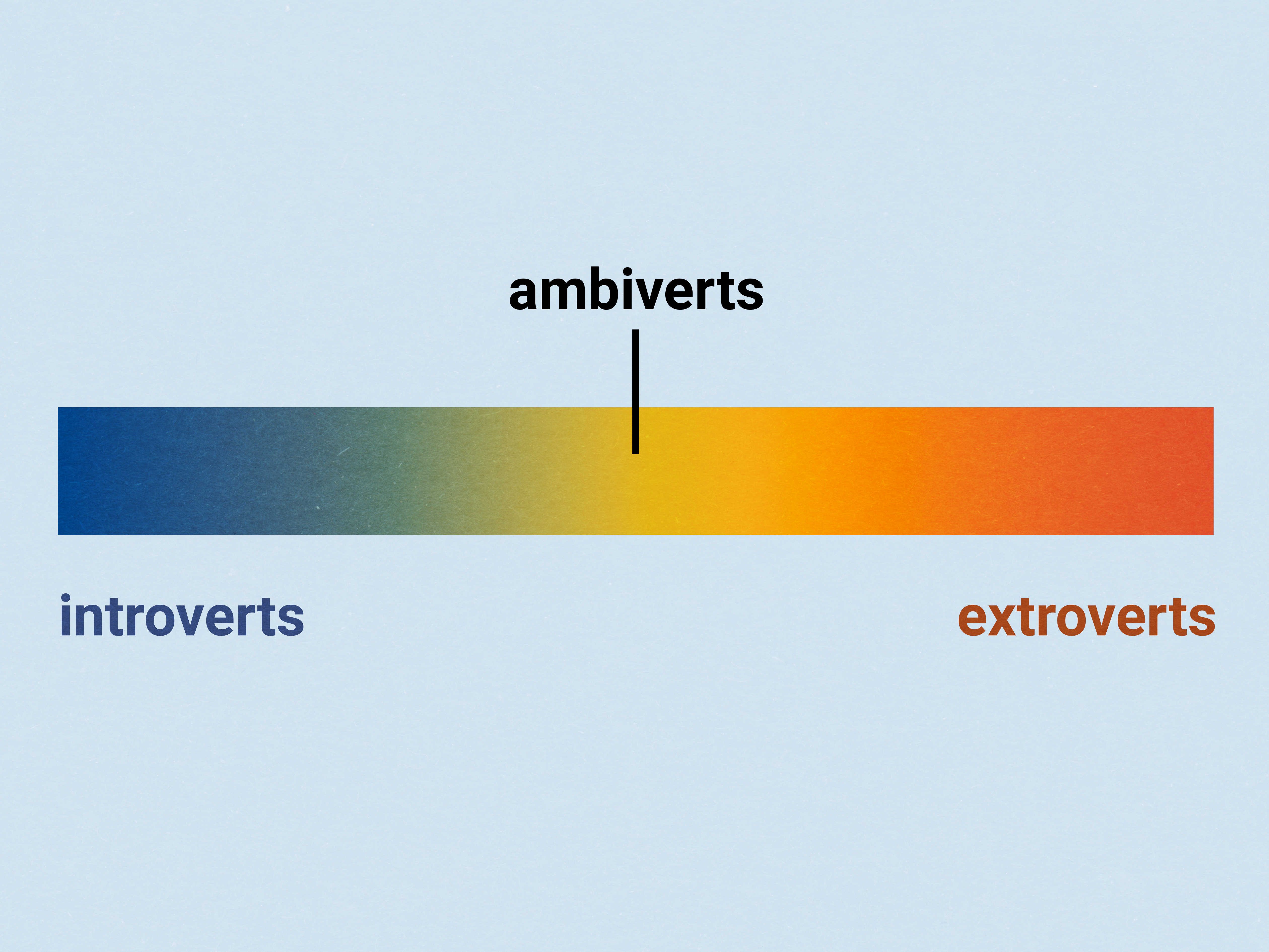
Learning how to become more extroverted does not mean deleting your introverted side or pretending to be someone who thinks “networking event” sounds like a spa day. Extroversion and introversion exist on a spectrum. Many people are somewhere in the middle, and even naturally quiet people can build stronger social confidence, start conversations more easily, and feel less drained in everyday social situations.
This guide offers 14 practical, research-informed ways to become more outgoing without turning yourself into a motivational speaker trapped in an elevator. The goal is not to become louder. The goal is to become more comfortable being seen, heard, and connected.
What Does It Mean to Become More Extroverted?
Being more extroverted usually means practicing behaviors linked with social energy: initiating conversations, expressing yourself, joining group activities, meeting new people, and engaging more openly with the world around you. It does not mean you must love crowds, dominate every conversation, or suddenly develop a suspicious enthusiasm for icebreaker games.
A healthier goal is “flexible extroversion.” That means you can act more outgoing when it helps your life, while still honoring your need for quiet, recovery, and personal space. Think of it like learning to cook. You do not have to become a chef; you just want enough skill to avoid eating cereal over the sink every night.
14 Ways to Become More Extroverted
1. Start With Tiny Social Reps
Confidence grows through repetition. Instead of forcing yourself into a huge social leap, begin with tiny “social reps.” Say hello to a neighbor. Ask the cashier how their day is going. Compliment someone’s backpack, shoes, coffee order, or dog, assuming the dog is not currently judging you.
Small interactions lower the emotional stakes. They teach your brain that conversation does not have to be a high-pressure performance. A 20-second exchange can become the warm-up that makes longer conversations feel less intimidating.
2. Redefine Success Before You Socialize
Many people avoid social situations because they secretly set impossible goals: “I must be hilarious, charming, memorable, relaxed, and possibly sparkle.” That is a lot to ask from one human with a nervous system.
Before entering a social setting, choose a realistic goal. For example: “I will introduce myself to one person,” “I will ask two questions,” or “I will stay for 30 minutes.” When success is specific and reachable, social confidence becomes measurable instead of mysterious.
3. Use Curiosity as Your Conversation Engine
You do not need a pocket full of brilliant stories to be more outgoing. Curiosity can carry much of the conversation. People usually appreciate being asked thoughtful questions, especially when you listen to the answer instead of scanning the room like a socially anxious security camera.
Try simple open-ended questions: “How did you get into that?” “What has been the best part of your week?” “What do you like about that class, job, hobby, or project?” Questions turn conversation from a performance into a discovery process.
4. Practice the Three-Second Rule
When you notice an opportunity to speak, count down from three and act before your brain opens the “what if” department. Three seconds is enough time to choose courage, but not enough time to write a 12-part documentary about possible embarrassment.
This works for raising your hand, saying hello, joining a group discussion, or sending a friendly message. Action often reduces anxiety faster than thinking does. The longer you wait, the heavier the moment can feel.
5. Build a Conversation Starter Toolkit
Extroverted people are not always naturally magical. Many simply have familiar social scripts. You can build your own. Keep a few reliable conversation starters ready so your mind does not go blank at the exact moment another human appears.
Useful starters include: “How do you know everyone here?” “What are you working on lately?” “Have you watched or read anything good recently?” “What brought you to this event?” These are simple, flexible, and unlikely to make anyone look for an emergency exit.
6. Say Yes to Low-Stakes Invitations
If you want to become more extroverted, accept more low-pressure invitations: coffee, a walk, a study group, a casual lunch, a club meeting, or a small gathering. You do not need to say yes to everything. In fact, please do not become the person who joins six committees and forgets what sleep is.
The point is to stop automatically saying no. If an invitation seems safe, reasonable, and mildly interesting, try saying yes sometimes. New social comfort often comes from repeated exposure to ordinary situations, not one dramatic personality makeover.
7. Join Groups Built Around Shared Interests
Socializing is easier when the topic is already built in. A book club, sports team, volunteer group, gaming club, language class, art workshop, fitness class, or community project gives you something to talk about besides the weather, which has been carrying small talk for centuries and deserves a vacation.
Shared-interest groups reduce pressure because everyone has a reason to be there. You do not have to invent connection from scratch. The activity creates natural openings for conversation.
8. Improve Your Body Language
You can appear more approachable before saying a single word. Open body language sends a quiet invitation. Try uncrossing your arms, making comfortable eye contact, nodding when someone speaks, and turning your body slightly toward the person talking.
You do not need to grin like a cartoon billboard. A relaxed face and small smile are enough. Approachable body language helps other people feel safer starting conversations with you, which means you do not always have to do all the initiating.
9. Share a Little More Than Usual
Connection grows when people know something real about you. If you usually give one-word answers, practice adding one extra sentence. Instead of “Good,” try “Good, I finally finished a project I’ve been avoiding, so I feel weirdly powerful.” That tiny detail gives the other person something to respond to.
You do not have to reveal your entire life story by paragraph two. Start with light personal details: hobbies, opinions, small wins, funny observations, or things you are learning. Gradual openness builds trust.
10. Train Your Listening Skills
Becoming more extroverted is not only about talking more. Great social energy often comes from making other people feel heard. Active listening includes eye contact, follow-up questions, and short responses that show you are engaged.
Try reflecting what someone said: “That sounds stressful,” “I can see why you liked that,” or “Wait, so what happened next?” Good listening makes conversations smoother because people do not feel like they are tossing words into a canyon.
11. Challenge Negative Social Predictions
Many quiet people are not avoiding people; they are avoiding imagined rejection. The brain predicts, “They will think I’m awkward,” “I’ll say something stupid,” or “Everyone will notice I’m nervous.” Sometimes the brain is helpful. Sometimes it behaves like a dramatic raccoon in a trash can.
When a negative prediction appears, challenge it. Ask: “What evidence do I have?” “What is a more balanced thought?” “If a friend made the same mistake, would I judge them harshly?” Reframing thoughts can make social risks feel more manageable.
12. Use Gradual Exposure, Not Social Free-Falling
If social situations make you nervous, do not begin with the hardest possible challenge. Gradual exposure means practicing step by step. You might start by texting a friend, then making a short phone call, then attending a small gathering, then speaking up in a group.
This method helps your confidence grow at a realistic pace. It also protects you from burnout. Throwing yourself into overwhelming situations may confirm your fear instead of reducing it. Small brave steps beat one giant panic-flavored leap.
13. Protect Your Recharge Time
One of the biggest myths about becoming more extroverted is that you must stop needing alone time. Not true. Many people can be social and still need quiet recovery. The trick is planning both.
If you attend a busy event, schedule downtime afterward. If you have a social weekend, keep one evening low-key. Protecting your energy makes social growth sustainable. You are not a phone battery with unlimited charge, and even phones get dramatic at 2%.
14. Ask for Support When Anxiety Interferes With Life
There is a difference between ordinary shyness and social anxiety that disrupts school, work, friendships, or daily routines. If fear of judgment causes intense distress or avoidance, it may help to talk with a qualified mental health professional.
Support is not a failure. Cognitive behavioral therapy, gradual exposure strategies, and other evidence-based approaches can help people handle anxiety and build confidence. Becoming more extroverted should feel like growth, not punishment.
Common Mistakes to Avoid When Trying to Be More Outgoing
Trying to Become Someone Else
The goal is not to become the loudest person in every room. Forced extroversion can feel fake and exhausting if it ignores your real temperament. Aim for a version of social confidence that still feels like you.
Waiting Until You Feel Completely Ready
Confidence often arrives after action, not before it. If you wait until you feel perfectly calm, you may wait longer than a printer takes to connect to Wi-Fi. Begin with manageable steps and let readiness grow through practice.
Confusing Popularity With Connection
Being extroverted is not about collecting people like trading cards. A few meaningful connections can be more valuable than a large network of shallow acquaintances. Quality matters.
Real-Life Experiences: What Becoming More Extroverted Can Actually Feel Like
Becoming more extroverted often feels awkward before it feels natural. That is normal. Imagine someone who usually stays quiet in class, at work, or in group settings. At first, their goal might be simple: say one sentence during a discussion. The first attempt may feel clumsy. Their voice may come out softer than expected. They may spend the next 10 minutes replaying the sentence like it was a national press conference. But then something surprising happens: nobody reacts badly. The world continues spinning. The sentence was just a sentence.
Another common experience is discovering that other people are not as focused on your flaws as you think. Many people are busy managing their own nerves, schedules, insecurities, and lunch decisions. When you start a conversation, the other person may actually feel relieved because you removed the pressure from them. Your “brave social leap” might be their “thank goodness someone said something” moment.
Small wins matter. One person might begin by greeting the same barista every morning. After a week, the interaction becomes familiar. After two weeks, they add a quick comment. After a month, they feel more comfortable chatting with classmates, coworkers, or neighbors. This is how social confidence often grows: not through a grand transformation scene with cinematic lighting, but through tiny repeated actions.
There may also be setbacks. You might tell a joke that lands with the elegance of a dropped sandwich. You might forget someone’s name. You might join a conversation right as the topic changes and feel temporarily lost. These moments are uncomfortable, but they are not proof that you are bad at people. They are proof that you are practicing a skill with moving parts.
Many people also learn that extroverted behavior can be chosen by situation. You may become more talkative with friends, more confident in meetings, more willing to introduce yourself, or more relaxed at events, while still loving quiet mornings and solo hobbies. That balance is not hypocrisy. It is flexibility.
The most encouraging experience is realizing that social confidence compounds. One hello makes the next hello easier. One short conversation makes the next one less mysterious. One invitation accepted makes future invitations feel less threatening. Over time, your identity may shift from “I’m just not a social person” to “I can connect when I choose to.” That is a powerful change, and it does not require becoming a completely different person.
Conclusion: Becoming More Extroverted Is a Skill, Not a Personality Costume
Learning how to become more extroverted is really about expanding your comfort zone without abandoning yourself. You can practice small talk, join interest-based groups, ask better questions, share more openly, and accept low-stakes invitations while still respecting your natural rhythm.
The best version of extroversion is not loud, fake, or exhausting. It is confident, curious, and connected. Start small, repeat often, and give yourself credit for every brave step. Even if your first conversation feels awkward, remember: awkward is not failure. Awkward is often the doorway where growth forgot to oil the hinges.
Note: This article is for educational and self-improvement purposes. If social fear causes intense distress or interferes with daily life, consider speaking with a qualified mental health professional for personalized support.