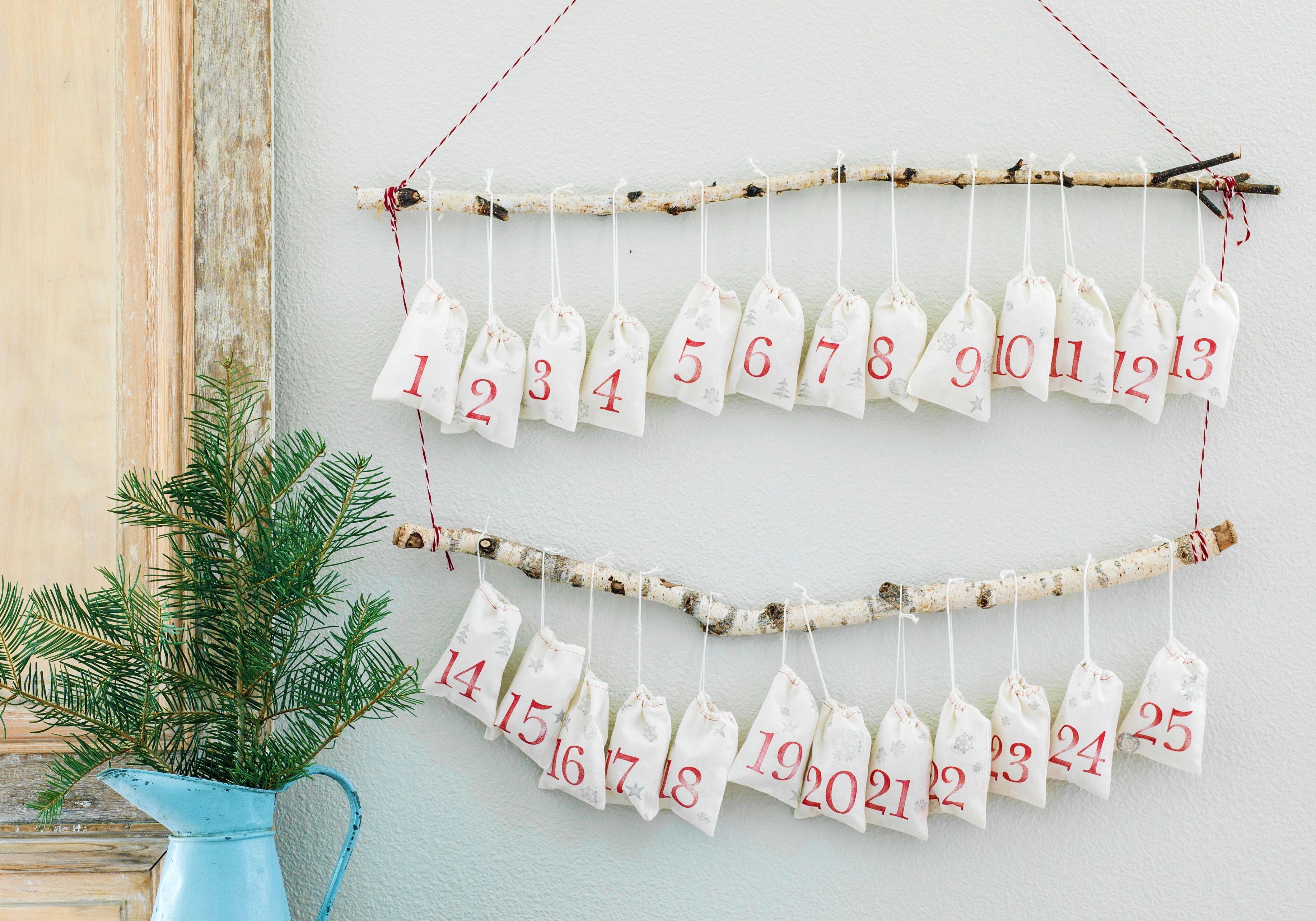
There are two kinds of people in December: those who calmly sip cocoa beside a twinkling tree, and those who realize on December 12 that they forgot to make the holiday season “magical.” A DIY Advent calendar is here to rescue both groups. It turns the countdown to Christmas into a daily ritual filled with tiny surprises, family traditions, handmade charm, and just enough glitter to remind you who is really in charge of the craft drawer.
Advent calendars traditionally count down the days leading up to Christmas, often from December 1 through December 24 or 25. Classic versions hide chocolate or small pictures behind numbered doors, but modern homemade Advent calendars can be anything: envelopes on a wall, tiny boxes on a mantel, muslin bags on a garland, ornaments for the tree, activity cards, acts of kindness, jokes, photos, recipes, or little gifts. The best part? A DIY Advent calendar can match your home, your budget, your schedule, and your family’s personality.
Below are 17 DIY Advent calendar ideas that range from “I made this during one holiday movie” to “I own a glue gun and I am not afraid to use it.” Each idea includes practical tips, filler suggestions, and ways to make the project reusable, beautiful, and fun.
Why Make a DIY Advent Calendar?
A homemade Advent calendar does more than count days. It builds anticipation. It gives children a daily moment of joy. It helps adults slow down in a season that can feel like one long receipt. It can also become a keepsake you bring out year after year, like a favorite ornament or that one holiday mug everyone mysteriously fights over.
DIY Advent calendars are also flexible. You can make one for kids, couples, roommates, coworkers, grandparents, teachers, or yourself. Fill it with candy, tea bags, mini toys, craft prompts, Bible verses, gratitude notes, date-night ideas, family activities, or tiny self-care treats. If you prefer a low-waste holiday, choose reusable fabric bags, wooden drawers, paper scraps, recycled boxes, or last year’s Christmas cards.
17 DIY Advent Calendar Ideas to Try This Christmas
1. Hanging Envelope Advent Calendar
A hanging envelope calendar is one of the easiest DIY Advent calendar ideas because it requires basic supplies: envelopes, number stickers, twine, clothespins, and a wall, mantel, or bulletin board. Choose kraft envelopes for a rustic look, white envelopes for a clean Scandinavian style, or colorful envelopes for a playful family-friendly display.
Inside each envelope, tuck a small note, sticker, joke, coupon, or activity card. Try prompts like “make hot chocolate,” “watch a Christmas movie,” “drive around to see lights,” or “call someone you love.” This version is especially good for families who want memories instead of more tiny plastic things hiding under the couch.
2. Mini Muslin Bag Garland
Small drawstring muslin bags make a charming reusable Advent calendar. Stamp or stencil numbers from 1 to 24 on each bag, fill them with small surprises, and hang them from a garland using ribbon or wooden clips. Add sprigs of faux greenery, dried orange slices, cinnamon sticks, or tiny bells for a cozy holiday look.
This calendar works beautifully across a window, staircase railing, mantel, or open shelf. For a farmhouse style, use natural cotton bags and red baker’s twine. For a modern look, choose black numbers, velvet ribbon, and simple evergreen accents.
3. Upcycled Toilet Paper Roll Advent Calendar
Yes, the humble toilet paper roll has entered the holiday chat. Save 24 cardboard tubes, cover one end of each with tissue paper, fill with small treats, and arrange them into a Christmas tree, wreath, house, or honeycomb shape. Cover the front with numbered paper circles so each day can be “punched” open.
This is a budget-friendly Advent calendar and a great craft for kids. Paint the rolls green for a tree, white for a snowy village, or metallic gold for a surprisingly fancy result. Nobody needs to know it began its life in the bathroom. That secret stays between you, the glue stick, and Santa.
4. Wooden Drawer Advent Calendar
If you want a DIY Advent calendar that lasts for years, start with a small wooden drawer organizer or unfinished craft-store Advent box. Paint the drawers, add number decals, and decorate with miniature wreaths, bottlebrush trees, snowflakes, or ribbon pulls.
A wooden Advent calendar is ideal for families who want a keepsake. Each year, you can refill the drawers with new surprises. Since the drawers are small, choose compact fillers such as chocolate coins, hair clips, puzzle pieces, mini ornaments, handwritten notes, charms, tea bags, or tiny LEGO-style bricks.
5. Christmas Card Activity Calendar
Turn old Christmas cards into a meaningful Advent countdown. Cut the card fronts into squares or tags, number them, and write a holiday activity or act of kindness on the back. Clip the cards to twine or place them in a basket for children to pick each morning.
Activity ideas include baking cookies, donating canned goods, making paper snowflakes, writing thank-you notes, taking treats to a neighbor, or reading a Christmas book. This project is sentimental, low-cost, and a smart way to reuse pretty cards you could not bring yourself to throw away.
6. Muffin Tin Advent Calendar
A 24-cup mini muffin tin becomes a clever Advent calendar with very little effort. Fill each cup with a treat or note, then cover the openings with numbered cardstock circles, magnets, or decorative paper. If you only have a 12-cup tin, make two rounds or count down the final 12 days before Christmas.
This design is sturdy, compact, and easy to store. It is also great for toddlers because the compartments are visible and exciting without being overly complicated. Use holiday scrapbook paper to make the covers look festive and coordinated.
7. Paper House Advent Village
Create a tiny Christmas village with 24 paper houses. Use cardstock, printable templates, or folded paper boxes. Number each house and place them across a mantel, bookshelf, windowsill, or dining room sideboard. Add faux snow, fairy lights, miniature trees, and tiny deer if you are feeling delightfully extra.
Each house can hold candy, a small ornament, a note, or a clue for a family scavenger hunt. The paper village style looks polished and magical, especially when you stick to a simple color palette like white, kraft, gold, and green.
8. Ornament Advent Calendar
An ornament Advent calendar lets your tree grow more festive every day. Place 24 ornaments in numbered bags, boxes, or envelopes. Each morning, someone opens the day’s package and hangs the ornament on the tree.
This idea is perfect for families with young children because it creates a daily decorating ritual. You can use handmade felt ornaments, salt dough shapes, painted wooden cutouts, vintage ornaments, or a mix of family keepsakes. By Christmas Eve, the tree tells the story of the whole month.
9. Clothespin Board Advent Calendar
Attach 24 clothespins to a framed board, wood plank, canvas, or foam-core board covered in fabric. Add number labels to the pins and clip on small envelopes, cards, tags, wrapped treats, or lightweight ornaments.
This calendar is easy to personalize. Paint the clothespins red and green for a classic look, white and silver for winter elegance, or rainbow colors for a cheerful kids’ version. Because you can change what hangs from the clips each year, it is a practical reusable option.
10. Felt Pocket Advent Calendar
A felt pocket calendar is soft, durable, and wonderfully nostalgic. Cut a large felt rectangle as the backing, then sew or glue on 24 smaller pockets. Add numbers using felt cutouts, embroidery, iron-on vinyl, or fabric paint.
This project takes more time than an envelope calendar, but it can become a family heirloom. Choose a tree shape, house shape, stocking shape, or simple wall banner. Felt pockets are best for lightweight fillers like notes, stickers, candy canes, mini erasers, temporary tattoos, or small craft supplies.
11. Mason Jar Countdown Calendar
Use 24 mini mason jars or small recycled jars to create a shelf-worthy Advent calendar. Number the lids, tie ribbon around each jar, and arrange them in a crate, tray, basket, or tiered stand. Fill with candies, cocoa mix, nuts, tiny toys, bath salts, or folded activity notes.
This idea works especially well for adults. Try a tea Advent calendar with different tea bags, a self-care calendar with bath and skincare minis, or a “date night jar” calendar with conversation prompts and cozy ideas.
12. Matchbox Advent Calendar
Small matchboxes are perfect for a miniature Advent calendar. Cover the boxes with wrapping paper, scrapbook paper, or paint, then stack them into a tree, arrange them in a tray, or glue them into a house shape. Add tiny number labels to the front of each drawer.
Because matchboxes are small, choose tiny fillers: jokes, riddles, charms, confetti, stickers, earrings, hair ties, coins, or candy. You can also place one clue in each box that leads to a slightly larger treat hidden somewhere in the house.
13. Pegboard Advent Calendar
A pegboard makes a modern, customizable Advent calendar. Hang small baskets, envelopes, hooks, mini stockings, or wrapped packages on the board. Add wooden numbers or paper tags and decorate the empty spaces with greenery, ornaments, ribbons, or battery-operated lights.
This is a great option for people who like clean lines and flexible design. After Christmas, the pegboard can go back to organizing craft supplies, office tools, or kitchen gear. A calendar that works in January? We love a practical queen.
14. Book Advent Calendar
A book Advent calendar is simple, meaningful, and screen-free. Wrap 24 holiday or winter-themed books and number each package. Open one book each night and read it together. You can use books you already own, library books, thrifted books, or a mix of old favorites and new surprises.
This idea is excellent for families with children, but adults can enjoy it too. Try poetry, short stories, devotionals, cookbooks, or cozy winter reads. If wrapping 24 books feels ambitious, wrap 12 and begin halfway through December.
15. Cookie or Treat Advent Calendar
For the bakers, a cookie Advent calendar turns December into a delicious countdown. Package 24 small cookies, candies, or homemade treats in food-safe bags or boxes. Number each package and display them in a basket or on a tiered tray.
Choose sturdy treats that keep well, such as biscotti, gingerbread, peppermint bark, wrapped caramels, marshmallows, or decorated sugar cookies. If making 24 baked goods sounds like a holiday marathon, mix homemade treats with store-bought favorites. The calendar should bring joy, not a flour-covered emotional breakdown.
16. Acts of Kindness Advent Calendar
An acts of kindness Advent calendar focuses on giving rather than receiving. Write 24 simple kindness prompts on cards and display them in envelopes, jars, pockets, or clips. Each day, complete one small act.
Ideas include complimenting a classmate, donating toys, leaving a thank-you note for a delivery driver, bringing cookies to a neighbor, feeding birds, calling a relative, paying for someone’s coffee, or writing a card to a teacher. This Advent calendar is especially powerful for families who want the season to feel meaningful, not just busy.
17. Photo Memory Advent Calendar
A photo Advent calendar is personal, emotional, and surprisingly easy. Print 24 favorite family photos, number the backs, and hang them with clips. Each day, turn over one photo and share the memory behind it. You can also add a short note, inside joke, or gratitude prompt.
This idea is wonderful for grandparents, long-distance families, couples, or anyone who loves sentimental holiday decor. By Christmas, you have a full display of memories. Warning: may cause happy tears, especially if baby photos are involved.
What to Put in a DIY Advent Calendar
The best Advent calendar fillers are small, useful, fun, or meaningful. You do not need expensive gifts. In fact, the most memorable fillers are often the ones that create connection.
Advent Calendar Fillers for Kids
Try stickers, temporary tattoos, mini crayons, small cars, puzzle pieces, hair bows, slime, bouncy balls, chocolate, candy canes, jokes, riddles, craft supplies, ornaments, or scavenger hunt clues. For siblings, consider shared activities instead of daily objects to avoid the classic “why did she get the snowman sticker?” courtroom drama.
Advent Calendar Fillers for Adults
Adults appreciate tea bags, coffee pods, chocolate squares, skincare samples, lip balm, cozy socks, handwritten notes, date-night cards, recipe cards, bookmarks, mini candles, gourmet spices, or self-care prompts. You can also make a hobby-themed calendar for gardeners, readers, artists, runners, or home cooks.
Experience-Based Advent Calendar Ideas
Instead of gifts, fill your calendar with experiences: bake cookies, make ornaments, watch a holiday movie, build a gingerbread house, donate to a food bank, visit a holiday market, make popcorn garland, write cards, take a family walk, or have breakfast for dinner. Experience-based calendars are budget-friendly and create memories that last longer than candy. Usually.
Design Tips for a Beautiful Homemade Advent Calendar
Before you start cutting, folding, gluing, and wondering why glitter has migrated to your elbow, choose a simple design direction. A cohesive color palette can make even inexpensive materials look polished. Try classic red and green, natural kraft and white, black and gold, soft neutrals, candy-cane stripes, or jewel tones.
Mix textures for depth: paper, felt, ribbon, wood, greenery, bells, twine, fabric, and metallic accents. Keep the numbers easy to read, especially for children. If your calendar will hang on a wall, avoid heavy fillers. If it will sit on a mantel or table, use a tray or crate to keep everything contained.
Most importantly, think about your real December schedule. If weeknights are busy, do not fill every day with a two-hour family activity. Mix quick treats with bigger weekend experiences. Future you will be grateful, and possibly less covered in royal icing.
How to Make Your Advent Calendar Reusable
Reusable Advent calendars save money and reduce waste. Choose durable materials like fabric, wood, metal tins, jars, felt, or sturdy boxes. Store number tags, clips, and bags together after Christmas so you are not hunting for “Day 17” next year like it owes you money.
If you make a paper calendar, use cardstock instead of thin paper. If you create a bag calendar, choose neutral bags that can match different themes over the years. If you use jars or tins, keep them in a labeled storage bin. The goal is to make next December easier, not to create a mystery box labeled “holiday stuff???”
Common Mistakes to Avoid
First, do not overfill. Heavy treats can pull garlands down, bend paper, or turn a cute wall display into a festive avalanche. Second, avoid fragile items for young children. Third, do not make the calendar so complicated that you dread using it. The best DIY Advent calendar is one your household will actually enjoy every day.
Also, remember food safety. If you include homemade cookies or treats, package them properly and choose items that stay fresh. For perishable goodies, use notes or clues that lead to the refrigerator instead of placing food directly in a warm display for three weeks. Cute is good. Questionable dairy is not.
of Real-Life Experience: What DIY Advent Calendars Teach You
The first thing you learn when making a DIY Advent calendar is that December has a way of arriving with the subtlety of a marching band. One minute you are buying pumpkins, and the next you are counting tiny envelopes at midnight while whispering, “Why are there only 23?” This is part of the tradition. Consider it character development with ribbon.
In real homes, the best Advent calendars are rarely perfect. A muslin bag may hang slightly crooked. A number sticker may peel. Someone may open Day 14 on Day 6 because curiosity is a powerful holiday force. But those little imperfections often make the calendar more memorable. Store-bought calendars are neat and predictable; homemade calendars carry fingerprints, jokes, family habits, and the occasional glue blob shaped like a reindeer.
One helpful experience is to plan the fillers before making the container. It sounds obvious, but many crafters build beautiful tiny boxes and then discover that nothing fits inside except one mint and a very small wish. If you want to include ornaments, choose bags or envelopes. If you want to include candy, jars or drawers work well. If you want to include activities, cards are enough. Matching the design to the contents prevents frustration.
Another lesson is to balance excitement with sanity. A calendar filled with 24 elaborate activities sounds magical until you reach a Tuesday night with laundry, dinner dishes, and a card that says “make a gingerbread mansion.” Keep weekday prompts simple: read a book, sing a song, drink cocoa, write a note, hang an ornament. Save bigger traditions for weekends. This rhythm keeps the calendar joyful instead of turning it into a seasonal project manager.
DIY Advent calendars also reveal what your family values. Some children remember the chocolate. Others remember the night everyone wore pajamas and drove around looking at lights. Adults may love calendars filled with tea, gratitude notes, or tiny luxuries. Couples may use the countdown for date-night prompts or shared memories. The calendar becomes a small daily pause, which is exactly what many people need during the busiest month of the year.
If you are making one for the first time, start simple. Use envelopes, paper bags, or cards. Do not compare your project to highly styled photos online where every bow behaves and nobody has a glue string on their sweater. Your Advent calendar only needs to delight the people who open it. If it makes someone smile before breakfast, it has done its job beautifully.
Finally, save what works. After Christmas, jot down which fillers were hits, which activities were too ambitious, and which materials held up. Store the calendar neatly with a note for next year. Future you will open the box and feel like past you deserves applause. That, honestly, may be the greatest Advent surprise of all.
Conclusion
DIY Advent calendars are a creative way to make the holiday season feel personal, joyful, and intentional. Whether you choose paper envelopes, wooden drawers, felt pockets, mason jars, old Christmas cards, or a book-a-day countdown, the real magic comes from the daily moment you create. A homemade Advent calendar does not have to be expensive or perfect. It simply needs to invite a little wonder into each December day.
Start with materials you already have, choose fillers that fit your household, and keep the design manageable. The result can be a beautiful decoration, a family tradition, a low-waste craft, and a daily reminder that Christmas joy often arrives in small packages.