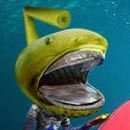
Cartoons are wonderful because they let us accept things that would absolutely ruin a Tuesday in real life. A talking sponge? Cute. A duck with rage issues? Classic. A tiny mouse who can outsmart a full-grown cat using household objects and Olympic-level timing? Adorableuntil you imagine him living in your apartment walls.
The magic of animation is exaggeration. Big eyes, stretchy limbs, impossible physics, and personalities turned up to “my insurance company is nervous.” But if these beloved cartoon characters stepped out of the screen and into our neighborhoods, many would go from childhood comfort to local emergency headline. This list is not about hating cartoons. It is about loving them enough to admit that some of them are one realistic texture away from pure nightmare fuel.
So lock the pantry, secure your pineapple-shaped property, and never challenge a rabbit who can bend reality. Here are 21 cartoon characters that would be terrifying in real life.
Why Cartoon Characters Become Scary When Made Real
Cartoon logic depends on forgiveness. Characters explode, flatten, stretch, fall from cliffs, return five seconds later, and somehow still make it to lunch. In real life, those same qualities would feel less like comedy and more like a documentary your local news station airs with dramatic music.
The most terrifying cartoon characters are not always villains. Sometimes the scary ones are cheerful, loyal, hungry, clumsy, or “just trying to help.” That is the problem. A villain has a plan. A cartoon friend has enthusiasm, super strength, no understanding of boundaries, and the emotional impulse control of a confetti cannon.
21 Cartoon Characters That Would Be Terrifying in Real Life
1. SpongeBob SquarePants
SpongeBob seems harmless because he is optimistic, hard-working, and shaped like a cleaning supply with shoes. But imagine meeting a sentient sea sponge who lives in a pineapple, laughs like an alarm clock, works around hot grills, and attracts trouble with the reliability of a weather app predicting rain during your picnic.
In the cartoon world, SpongeBob’s innocence is charming. In real life, his unlimited energy would be unsettling. He would knock on your door at 6 a.m. with jellyfishing nets, workplace gossip, and an invitation to sing. You would not fear evil. You would fear being emotionally unable to say no.
2. Patrick Star
Patrick is lovable because he is SpongeBob’s best friend and a professional resident of “not thinking things through.” But a human-sized starfish with random strength, questionable judgment, and total confidence in bad ideas would be a public safety concern.
Patrick is not terrifying because he is malicious. He is terrifying because he is unpredictable. He might help you move a couch, forget what a couch is, and then accidentally start a neighborhood event called “Rock Appreciation Day” in your living room.
3. Squidward Tentacles
Squidward would be terrifying in real life for a quieter reason: resentment. He is a long-limbed, clarinet-playing neighbor with the patience level of a printer jam. A realistic Squidward would have the posture of a museum statue, the stare of a tax auditor, and the energy of someone who has heard one too many bubble songs.
He would not chase you. Worse, he would judge you. Every hobby, outfit, ringtone, and snack choice would be silently evaluated by a giant turquoise cephalopod who believes society collapsed when people stopped appreciating woodwinds.
4. Mr. Krabs
Mr. Krabs is funny as a cartoon restaurant owner obsessed with money. In real life, a human-sized crab running a fast-food business with iron claws and pirate energy would be less charming. Imagine trying to dispute a bill while the manager clicks toward you from behind the register.
His terrifying quality is not just greed. It is efficiency. He would turn every social interaction into a transaction. Borrow a napkin? That is 25 cents. Breathe near the secret formula? Security has been notified.
5. Plankton
Plankton is tiny, dramatic, and constantly defeated, which makes him easy to underestimate. But a microscopic villain with a computer wife, advanced technology, and a decades-long obsession with stealing a recipe would be deeply alarming.
Real-life Plankton would be the kind of threat you do not see until your smart fridge starts demanding loyalty. He would not need muscles. He would need Wi-Fi, ambition, and one unattended USB port. That is enough to make any restaurant owner sleep with one eye open.
6. Mickey Mouse
Mickey Mouse is cheerful, iconic, and practically the mayor of cartoon optimism. But think about the physical reality: a smiling mouse-person with gloves, a high voice, endless confidence, and a social network that includes dogs, ducks, cows, and possibly magical castles.
What makes Mickey unsettling is his perfection. He is always ready. He has plans, tools, friends, and theme music. Nobody that organized should be able to appear at the end of your driveway saying, “Oh boy!” without explaining how he got past the gate.
7. Donald Duck
Donald Duck is one of animation’s greatest emotional weather systems. He can go from cheerful to furious faster than a phone battery drops from 10 percent to dead. On screen, his temper is hilarious. In real life, a sailor-suited duck yelling at traffic would cause people to calmly reverse away from the intersection.
Donald would be terrifying because he is loud, stubborn, and somehow always right in the middle of chaos. He is not the storm. He is the angry duck standing in the storm demanding to speak with the clouds.
8. Goofy
Goofy is sweet, loyal, and wonderfully clumsy. That last word does a lot of work. A towering anthropomorphic dog-man who means well but regularly turns simple tasks into slapstick disasters would be terrifying in any real environment with stairs, ladders, kitchens, cars, or fragile heirlooms.
You would love him. You would also hide your glassware. Goofy’s danger comes from innocence mixed with momentum. Once he begins falling, sliding, leaning, or “helping,” physics leaves the building and your security deposit leaves with it.
9. Bugs Bunny
Bugs Bunny may be the most dangerous character on this list because he knows exactly what he is doing. He is clever, calm, theatrical, and nearly impossible to defeat. In cartoons, he survives because he is smarter than everyone around him. In real life, that makes him a walking psychological thriller with carrots.
Bugs would not scare you by being large. He would scare you by making you doubt your own reality. One moment you are arguing with a rabbit; the next, you are wearing a costume, performing in an opera, and wondering when you lost control of your life.
10. Daffy Duck
Daffy Duck is chaos with feathers. He is jealous, theatrical, ambitious, and allergic to being ignored. A real Daffy would be terrifying not because he is powerful, but because he can turn any room into a dramatic emergency.
He would interrupt meetings, rename himself CEO, challenge strangers to duels of ego, and accuse lamps of stealing his spotlight. You would not need disaster insurance. You would need Daffy insurance, which would cost more and cover less.
11. The Tasmanian Devil
Taz is cute in short bursts, usually from a safe distance and behind a television screen. In real life, a spinning, growling creature that devours nearly anything in its path would be a nightmare wrapped in fur and bad table manners.
He is terrifying because he combines appetite, speed, and zero etiquette. Most scary characters stalk. Taz arrives like a blender with feelings. If he showed up at a buffet, the buffet would become a memory.
12. Scooby-Doo
Scooby-Doo is lovable, anxious, and snack-motivated. But imagine a talking Great Dane-sized dog who can communicate, panic loudly, and accidentally uncover criminal plots on a regular basis. That is not a pet. That is a chaotic private investigator with paws.
Scooby would be terrifying because wherever he goes, suspicious things happen. If he checks into your hotel, congratulations: someone is probably wearing a ghost costume in the basement. The dog is friendly. The circumstances are not.
13. Tom Cat
Tom from Tom and Jerry is persistent, dramatic, and nearly impossible to permanently discourage. A real-life Tom would be a six-foot-tall cat with the emotional resilience of a rubber band and the planning skills of someone who owns too many gadgets.
He is terrifying because he never stops. He can be flattened, fooled, embarrassed, and launched across a room, yet he returns with a new strategy and a suspicious amount of confidence. That level of commitment belongs in either a motivational poster or a restraining order.
14. Jerry Mouse
Jerry looks tiny and adorable, which is exactly why he is terrifying. This is a mouse who regularly defeats a much larger opponent through timing, intelligence, and environmental mastery. If Jerry lived in your house, he would know your floor plan better than you do.
Real-life Jerry would not just steal cheese. He would control the home. Your traps would fail. Your snacks would vanish. Your cat would resign. Eventually, you would start leaving rent money near the baseboard and calling it “peacekeeping.”
15. Stitch
Stitch, also known as Experiment 626, is adorable until you remember the “experiment” part. He is small, strong, alien, mischievous, and built for mayhem. In animation, his journey toward family and belonging is heartwarming. In real life, the first few days would be mostly property damage and screaming.
What makes Stitch terrifying is the combination of cuteness and capability. You would forgive him for eating the couch because he blinked sadly. Then he would eat the remote, rewire your toaster, and declare himself captain of the laundry room.
16. Courage the Cowardly Dog
Courage is not terrifying because he is scary. Courage is terrifying because he is usually correct. If this pink dog starts screaming, something deeply strange is probably happening nearby. Monsters, curses, aliens, suspicious neighborsCourage lives in a world where anxiety has receipts.
In real life, having Courage around would mean constant emotional whiplash. You would want to comfort him, but you would also wonder why the barn is glowing and why your shadow just waved at you.
17. Mojo Jojo
Mojo Jojo is a super-intelligent chimpanzee villain with a giant exposed brain, dramatic speeches, and plans that are both ridiculous and surprisingly dangerous. In real life, he would be terrifying before he even finished introducing himself.
His scariest trait is persistence. Mojo does not merely want to win; he wants everyone to understand the structure, importance, brilliance, and dramatic inevitability of his plan. By the time he finishes explaining it, you may actually prefer the robot attack.
18. Blossom
Blossom is the leader of the Powerpuff Girls, smart, composed, and heroic. That sounds comforting until you remember she is a kindergarten-aged superhero with flight, strength, and tactical instincts. Real-life Blossom would make every adult in a five-mile radius feel underqualified.
She is terrifying in the way gifted children can be terrifying: polite, focused, and already better at your job. If she told you to evacuate Townsville, you would not ask questions. You would grab your charger and go.
19. Bubbles
Bubbles is sweet, emotional, and gentleuntil she is not. Her charm is disarming, which makes her realistic version even more alarming. A tiny superhero with enormous eyes, super strength, and intense feelings would turn every conflict into a high-stakes emotional event.
Real-life Bubbles would be the character most likely to make you say, “Aw,” followed immediately by, “Why is that car floating?” She proves that cute does not mean harmless. Sometimes cute just means the warning label is written in glitter.
20. Dexter
Dexter from Dexter’s Laboratory is a boy genius with a secret laboratory, inventions, experiments, and a confidence level far beyond his age. In cartoons, that is the setup for comedy. In real life, it is how your quiet neighbor accidentally builds a machine that changes gravity during breakfast.
Dexter would be terrifying because he represents unchecked intelligence without enough adult supervision. He is brilliant, yes. But brilliance plus secrecy plus sibling interference equals a suburban block where everyone’s garage may become a science incident.
21. Popeye
Popeye is a sailor, underdog, hero, and spinach-powered force of nature. On screen, he is funny and inspiring. In real life, a gruff sailor with enormous forearms, unusual speech, and sudden bursts of impossible strength would be intimidating in any grocery store aisle.
He is terrifying because he seems ordinary until he is not. One minute he is mumbling near the canned vegetables. The next, he has transformed into a one-man solution to problems nobody else can legally solve. Spinach has never looked so suspicious.
What Makes These Characters So Disturbing Outside Animation?
Cartoon Physics Would Break Reality
The biggest issue is not appearance. It is physics. Cartoon characters survive impacts, stretch their bodies, change shape, and recover instantly. In a real-world setting, that would make them feel supernatural. A character who can flatten like paper and pop back up is not “quirky.” That is a being operating under a different contract with the universe.
Good Intentions Can Be More Dangerous Than Evil
Many of the scariest characters on this list are not villains. SpongeBob, Goofy, Bubbles, and Patrick mean well. That is exactly what makes them dangerous. Evil at least announces itself with dramatic lighting. Good intentions arrive smiling, carrying a toolbox, and saying, “I fixed it!” while smoke gently rises in the background.
Size Changes Everything
A tiny cartoon animal is cute on screen. At real scale, things get complicated. A talking mouse with tactical genius becomes a household security crisis. A human-sized crab becomes a restaurant manager you do not argue with. A giant duck having a temper tantrum is no longer nostalgia; it is a reason to update your emergency contacts.
The Funniest Part: We Would Still Love Them
Here is the strange truth: even if these cartoon characters were terrifying in real life, many of us would still want to meet them. Maybe not alone. Maybe not indoors. Maybe not anywhere near breakable furniture. But we would be curious.
That is the genius of great character design. The same traits that make these characters scary also make them memorable. SpongeBob’s energy, Bugs Bunny’s wit, Donald Duck’s temper, Stitch’s chaos, and Scooby-Doo’s nervous loyalty all exaggerate real human feelings. We know people who are too optimistic, too dramatic, too clever, too hungry, or too determined. Cartoons simply take those traits, add impossible bodies, and give them theme music.
Real-Life Experience: Watching Cartoons as a Kid vs. Rewatching Them as an Adult
One of the funniest experiences related to “cartoon characters that would be terrifying in real life” is rewatching old cartoons after growing up. As a kid, you watch Tom and Jerry and think, “Haha, the cat is chasing the mouse.” As an adult, you think, “This house has severe structural damage, nobody has called a contractor, and that mouse is clearly the legal owner now.” The entire viewing experience changes once you understand rent, insurance, workplace safety, and how expensive doors are.
When you are young, SpongeBob’s world feels colorful and friendly. Bikini Bottom is silly, the Krusty Krab is fun, and Squidward is just the grumpy neighbor. Later, you realize Squidward is an exhausted service worker living between two chaos engines: SpongeBob and Patrick. Suddenly, Squidward is not the villain of your childhood. He is the employee who has been scheduled for too many closing shifts.
The same thing happens with Disney characters. Mickey Mouse once seemed like the perfect cheerful friend. But imagine hearing that high, bright voice outside your window at night saying, “Come on, pal!” No thank you, sir. I respect your legacy, but please use the doorbell during business hours. Donald Duck, meanwhile, becomes more relatable with age. His temper used to be funny because it was random. Now it feels like a duck-shaped symbol of every person who has ever tried to assemble furniture with missing screws.
Rewatching The Powerpuff Girls is another wild experience. As kids, we accepted that three kindergarten girls regularly saved Townsville. As adults, we wonder why the city government’s entire emergency response system depends on children with bedtime routines. Blossom, Bubbles, and Buttercup are heroic, but the adults of Townsville need a meeting, a budget, and possibly a very serious risk assessment.
Then there is Stitch. As a child, Stitch is the cute blue alien who learns about family. As an older viewer, you realize that adopting him would be like bringing home a raccoon, a power tool, and an emotional support meteor at the same time. He is lovable, but your living room would never emotionally recover.
This is why the topic is so fun: cartoons age with us. The jokes remain silly, but the implications get funnier. A child sees Courage screaming and laughs. An adult sees Courage screaming and thinks, “Actually, the dog has a point. Why does that farmhouse keep attracting supernatural events?” A child sees Popeye eat spinach and become strong. An adult sees Popeye and wonders what brand of canned vegetables comes with that many side effects.
Cartoons work because they let us explore fear safely. They turn chaos into comedy and danger into timing. Characters can be flattened, stretched, shocked, chased, tricked, or launched into the sky, and the world resets for the next scene. Real life does not offer that reset button, which is exactly why imagining these characters outside animation is both hilarious and horrifying.
The best part is that none of this ruins the cartoons. It makes them richer. Bugs Bunny becomes more impressive when you realize he is basically a relaxed genius who wins every conflict through confidence and timing. Scooby-Doo becomes braver when you realize he investigates mysteries despite being terrified. SpongeBob becomes sweeter when you realize his optimism survives an objectively chaotic world. Even terrifying cartoon characters can teach us something: be resilient, stay funny, and maybe do not invite Taz to dinner unless you have already accepted the loss of your dining table.
Conclusion
Cartoon characters are designed to be exaggerated, flexible, emotional, and unforgettable. That is why they work so well on screenand why they would be deeply unsettling in real life. A cheerful sponge, a tactical rabbit, a talking dog, a genius mouse, a superpowered child, and a spinach-fueled sailor are delightful when contained by animation. Remove the cartoon border, and suddenly nostalgia comes with a safety waiver.
Still, that is part of their charm. These characters remind us that the best cartoons are built from big personalities and bigger imagination. They are funny because they go too far. They are beloved because they somehow come back from it. And yes, many of them would be terrifying in real lifebut we would probably still ask for a selfie from a safe distance.