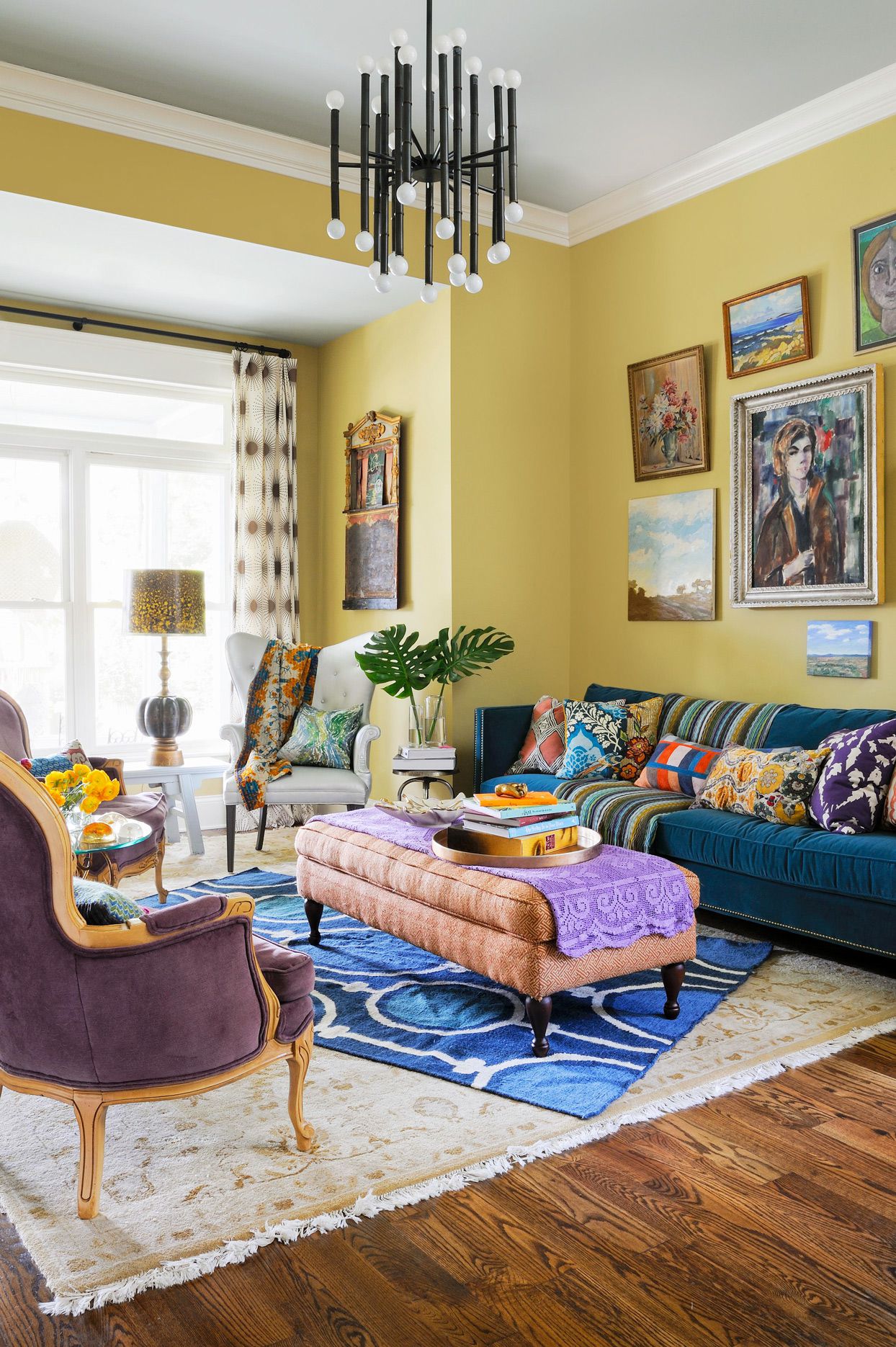
Yellow has a reputation. Some people hear “yellow living room” and immediately picture a blinding lemon box where guests need sunglasses and emotional support. But when yellow is used thoughtfully, it can be warm, stylish, cheerful, cozy, elegant, playful, and surprisingly sophisticated. In other words, yellow is not just for rubber ducks and traffic signs. It can absolutely carry a grown-up living room.
The beauty of yellow is its range. Soft butter yellow feels gentle and almost neutral. Mustard yellow adds depth and vintage charm. Golden yellow brings warmth. Ochre feels earthy and collected. Lemon yellow creates a crisp, modern spark. Whether you want a full yellow living room makeover or just a few sunny accents, the right shade can make your space feel brighter, happier, and more welcoming.
Below are 23 yellow living room ideas that work in real homes, not just in perfectly staged magazine rooms where nobody owns a phone charger. These ideas cover paint, furniture, curtains, rugs, artwork, lighting, and practical styling tips so you can bring yellow into your living room without overdoing it.
Why Yellow Works So Well in a Living Room
A living room is usually the social heart of a home. It is where people gather, relax, snack, argue about movie choices, and pretend the laundry basket in the corner is “temporary.” Yellow fits this space because it naturally feels warm and energetic. It reflects light, brings visual optimism, and can make a room feel more open when used in the right tone.
The key is balance. Yellow is powerful, so it needs grounding elements: warm whites, wood tones, soft grays, navy, olive green, cream, brown, black accents, or natural textures. When yellow has good company, it becomes charming instead of chaotic.
23 Yellow Living Room Ideas for a Bright, Happy Space
1. Start With Soft Butter Yellow Walls
If you want yellow walls but fear a highlighter disaster, butter yellow is your safest friend. It sits somewhere between pale yellow and creamy off-white, giving the room warmth without screaming for attention. Pair it with white trim, linen curtains, light wood furniture, and a neutral sofa for a calm, sun-washed look.
2. Use Mustard Yellow for a Grown-Up Mood
Mustard yellow is the sophisticated cousin of bright yellow. It has brown, gold, or ochre undertones, which makes it feel richer and more grounded. Try mustard yellow on an accent chair, velvet sofa, throw pillows, or built-in shelving. It looks especially beautiful with walnut wood, charcoal gray, olive green, cognac leather, and black metal details.
3. Add a Yellow Sofa as the Main Character
A yellow sofa is not shy. It walks into the room and says, “Yes, I am the plot.” If your walls are neutral, a yellow couch can become the perfect focal point. Choose a clean-lined sofa in mustard, goldenrod, or marigold for a bold but livable statement. Keep the rest of the room controlled with cream walls, a simple rug, and artwork that repeats small touches of yellow.
4. Try Yellow Accent Chairs
If a yellow sofa feels like too much commitment, yellow accent chairs are a fantastic middle ground. A pair of yellow armchairs can brighten a seating area without dominating the entire room. For a polished design, place them opposite a neutral sofa and repeat the color in a pillow, vase, or framed print.
5. Pair Yellow and Gray for Easy Balance
Yellow and gray remain a popular combination because they balance each other beautifully. Gray cools yellow down, while yellow keeps gray from feeling gloomy. A gray sofa with yellow pillows, a yellow rug under gray chairs, or pale yellow walls with warm gray upholstery can create a living room that feels cheerful but not childish.
6. Combine Yellow With Navy Blue
Navy blue gives yellow a crisp, classic contrast. This pairing works well in traditional, coastal, transitional, and modern spaces. Try navy built-ins with brass hardware and yellow pillows, or use a navy sofa against soft yellow walls. The result feels fresh, tailored, and slightly dramatic in the best way.
7. Bring in Yellow Through Curtains
Yellow curtains are a clever way to warm up a living room because they interact with natural light. When sunlight filters through soft yellow fabric, the whole room glows. Choose sheer butter yellow for a gentle effect or heavier golden drapes for a more luxurious look. Keep nearby walls light so the curtains feel airy rather than heavy.
8. Choose a Yellow Area Rug
A yellow rug can pull the whole room together, especially if your furniture is neutral. Look for patterns that mix yellow with cream, taupe, gray, blue, or rust. A patterned rug is often easier to live with than a solid yellow one because it hides wear and blends more naturally with other colors.
9. Paint Built-Ins or Bookcases Yellow
For a custom look, paint built-in shelves, bookcases, or a media wall in a warm yellow tone. This works particularly well if the rest of the room is white or cream. Display books, ceramics, baskets, and art to break up the color. The yellow becomes a backdrop rather than a wall of uninterrupted brightness.
10. Use Yellow Artwork for a Low-Risk Pop
Artwork is one of the easiest ways to test yellow in your living room. A large abstract painting with yellow, ochre, cream, and black can energize a neutral space instantly. If you are nervous about color, start here. Art gives you permission to be bold without repainting anything or explaining your choices to skeptical relatives.
11. Mix Yellow With Natural Wood
Yellow and wood tones are natural partners. Pale yellow looks fresh with oak and maple, while mustard yellow loves walnut and darker woods. Wood adds texture and warmth, helping yellow feel organic instead of artificial. Add a wood coffee table, rattan chair, woven baskets, or floating shelves to soften the palette.
12. Try a Yellow Accent Wall
A yellow accent wall can brighten a living room without overwhelming it. Choose the wall behind the sofa, fireplace, or media console. For small rooms, go softer with cream-yellow or muted gold. For larger rooms with plenty of light, try ochre, goldenrod, or mustard. The trick is to repeat the yellow elsewhere so the wall feels intentional.
13. Use Yellow Pillows and Throws
Throw pillows are the gateway drug of interior design. Today it is one yellow pillow; tomorrow you are comparing undertones under three different lamps. Yellow pillows and blankets are affordable, easy to swap, and perfect for seasonal updates. Mix solids with stripes, florals, or geometric patterns for a collected look.
14. Create a Yellow and White Living Room
Yellow and white is fresh, clean, and cheerful. This combination works especially well in small living rooms because it keeps the space feeling open. Use white walls, a pale sofa, and yellow accents in pillows, lamps, flowers, or art. To avoid a flat look, add texture through boucle, linen, cane, jute, or woven cotton.
15. Add Black Accents for Contrast
Yellow can become too sweet if everything around it is soft. Black accents give it structure. Try black picture frames, a black floor lamp, a black coffee table, or black curtain rods. Even a few thin black lines can make a yellow living room feel modern and intentional.
16. Go Earthy With Ochre and Terracotta
Ochre yellow and terracotta create a warm, grounded palette that feels collected and cozy. This is a great option if you like Mediterranean, bohemian, rustic, or organic modern interiors. Add clay pottery, woven rugs, leather seating, and warm white walls. The room will feel sunny but relaxed, like it knows how to make excellent coffee.
17. Use Yellow in a Gallery Wall
A gallery wall can make yellow feel layered rather than loud. Mix prints, paintings, photographs, and small objects that include yellow details. Use frames in wood, brass, white, or black. The yellow will move around the room visually, creating energy without relying on one huge block of color.
18. Pair Yellow With Green for a Fresh Look
Yellow and green can feel natural, optimistic, and full of life. Sage green with butter yellow creates a soft cottage-inspired palette. Olive green with mustard yellow feels moodier and more mature. Add plants to make the pairing feel even more effortless. A living room with yellow accents and real greenery almost always feels alive.
19. Choose Brass and Gold Finishes
Yellow pairs beautifully with brass, but moderation matters. A brass floor lamp, gold-framed mirror, or warm metallic side table can echo yellow tones without making the room feel matchy. Brushed brass usually looks softer and more timeless than ultra-shiny gold.
20. Try Yellow Wallpaper
Yellow wallpaper can bring pattern, texture, and charm to a living room. Consider botanical prints, stripes, small-scale geometrics, or vintage-inspired motifs. If you are not ready for all four walls, use wallpaper inside bookcases, behind a bar cabinet, or on one feature wall.
21. Add Yellow Lamps or Lampshades
Lighting is a sneaky way to use yellow. A yellow ceramic lamp, golden glass base, or warm yellow lampshade can add glow without requiring a full design overhaul. In the evening, yellow-toned lighting makes a living room feel cozy and welcoming instead of cold and flat.
22. Use Pale Yellow in a Small Living Room
Small living rooms benefit from pale yellow because it can reflect light and create a sense of warmth. Avoid overly saturated yellow in tight spaces unless you are using it as a small accent. Pair pale yellow walls with slim furniture, mirrors, light curtains, and a few grounding darker elements.
23. Layer Several Shades of Yellow
A yellow living room becomes more interesting when you mix tones. Try butter yellow walls, mustard pillows, a golden lamp, and ochre artwork. Layering prevents the room from looking flat. Just keep undertones compatible: warm yellows with warm yellows, muted yellows with other muted tones, and bright yellows used sparingly.
How to Choose the Right Yellow for Your Living Room
Before choosing a yellow paint or décor piece, study your room’s natural light. North-facing rooms often need warmer yellows because the light can feel cooler. South-facing rooms can handle softer or muddier yellows because they already get strong light. Rooms with very bright afternoon sun may make intense yellow feel stronger, so sample carefully.
Always test paint on the wall before committing. Yellow changes dramatically throughout the day. A shade that looks creamy in the morning may turn electric by noon or beige at night. Paint large samples on different walls and observe them under natural and artificial light.
Also consider your existing furniture. If your sofa, flooring, or rug has cool undertones, a very warm yellow might clash. If your room already has warm wood, leather, cream, or brass, yellow will usually feel right at home.
Best Colors to Pair With Yellow
Yellow is flexible, but it needs thoughtful companions. For a soft look, pair yellow with warm white, cream, beige, or light wood. For a classic look, use navy, gray, or black. For an earthy look, try olive, brown, rust, terracotta, or clay. For a playful look, mix yellow with pink, coral, lavender, or cobalt blue.
The safest formula is the 60-30-10 approach. Use 60 percent neutral base color, 30 percent supporting color, and 10 percent yellow accent. If yellow is your wall color, let your sofa, rug, and curtains calm things down. If yellow is your accent, repeat it in at least three places so it looks deliberate.
Common Yellow Living Room Mistakes to Avoid
Choosing a Yellow That Is Too Bright
Bright lemon or neon yellow can look fun in a photo but exhausting in daily life. If you love bold yellow, use it on pillows, art, or one chair rather than every wall.
Ignoring Undertones
Some yellows lean green, some lean orange, and some lean beige. Greenish yellows can feel fresh but may look sharp under cool lighting. Orange-based yellows feel warmer and cozier. Beige-yellow shades are usually easiest to live with.
Forgetting Texture
A yellow room without texture can feel flat. Add woven shades, natural wood, nubby fabrics, velvet, ceramics, plants, and layered rugs. Texture makes yellow feel designed instead of simply painted.
Using Yellow Only Once
A single yellow item can look random. Repeat yellow in small doses around the room: a pillow, a lampshade, a book spine, a painting, or a vase. Repetition creates harmony.
Experience Section: What It Is Really Like to Live With a Yellow Living Room
Living with yellow in a living room is different from admiring it in a photo. In a picture, yellow looks cheerful for three seconds. In real life, you see it at 7 a.m. with coffee, at 3 p.m. when sunlight hits the wall, and at 10 p.m. when the room is lit by lamps and someone has left socks on the floor. That is when you learn whether the yellow is a friend or a very enthusiastic roommate.
From a practical point of view, the easiest yellow living rooms are the ones that use muted or creamy shades. Butter yellow walls, for example, can feel surprisingly neutral. They warm up the room without demanding that every object coordinate perfectly. If you have ever lived in a plain white or gray living room that felt a little cold, a soft yellow can make the space feel instantly more human. It adds personality without forcing you to replace everything you own.
Yellow accents are also satisfying because they give quick results. A yellow throw blanket on a beige sofa can make the whole room look more styled. Yellow pillows can wake up a tired gray couch. A mustard chair can make secondhand furniture look intentional. Even a bowl of lemons on a coffee table can add a tiny moment of design confidence, although someone will eventually ask if the lemons are decorative or snack-related.
The biggest lesson is that lighting matters more than people expect. A yellow paint sample can behave like three different colors in one day. Morning light may make it soft and creamy. Afternoon light may make it stronger. Warm bulbs at night may pull out golden undertones. That is why testing samples is not optional. It is the difference between “sunny and elegant” and “why does my wall look like melted nacho cheese?”
Another real-life tip: yellow looks best when the room has visual anchors. A yellow room with only pale furniture can float away visually. Add something grounding, such as a dark coffee table, black frames, a navy pillow, a wood console, or a brown leather chair. These deeper elements make yellow feel richer. They give the eye a place to rest.
Yellow also has a social effect. People tend to notice it. A yellow sofa, yellow wall, or yellow curtains can become a conversation starter. That can be wonderful if you like a home with personality. It may be less ideal if your decorating goal is “please do not perceive my furniture.” But even then, a soft yellow accent can bring warmth without becoming the center of attention.
For families, renters, and anyone who changes their mind often, accessories are the smartest starting point. Try pillows, art, a rug, a lamp, or curtains before painting. If the color makes the room feel happier after a few weeks, you can go bigger. If it annoys you, you can swap it out without spending a weekend repainting while questioning every life decision that led to this moment.
The best yellow living room is not necessarily the brightest one. It is the one that feels good to sit in. It should make mornings easier, evenings warmer, and gatherings more welcoming. Whether you choose pale butter yellow, deep mustard, golden ochre, or one small sunny pillow, yellow has a rare ability to make a room feel alive.
Conclusion
Yellow living room ideas can be bold, subtle, modern, vintage, cozy, or elegant depending on how you use the color. The secret is choosing the right shade, balancing it with grounding tones, and repeating it thoughtfully throughout the room. Soft butter yellow can warm up walls, mustard yellow can add sophistication, and golden accents can make a neutral space feel instantly happier.
If you are nervous about yellow, start small with pillows, artwork, curtains, or lamps. If you are ready for a bigger change, try a yellow sofa, accent wall, painted built-ins, or wallpaper. With the right palette and textures, yellow can transform a living room into a bright, happy space that feels welcoming every single day.