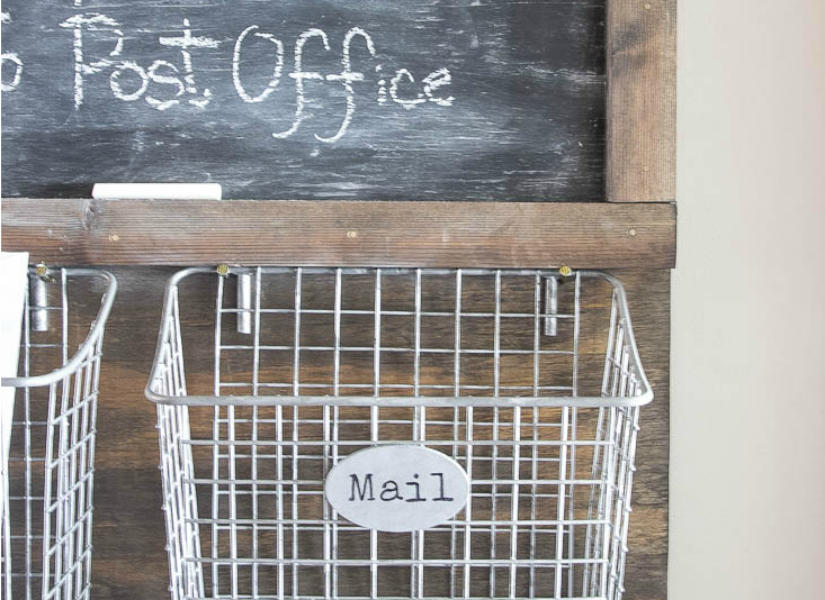
Every home has one mysterious surface where clutter goes to multiply. Mail lands there. Keys vanish there. Sunglasses, dog leashes, coupons from 2021, school forms, tape measures, chargers, and one lonely AA battery all gather like they are attending a tiny household conference. The good news? You do not need a bigger house. You need smarter walls.
DIY wall organization stations turn blank vertical space into a practical, attractive command center for real life. Whether you live in a small apartment, a busy family home, a dorm room, or a house where the garage looks like a hardware store sneezed, wall organizers can rescue your floors, counters, drawers, and sanity. Even better, most of these projects can be built with affordable materials: pegboard, hooks, baskets, floating shelves, corkboard, magnetic strips, reclaimed wood, file holders, rails, jars, and a little courage with a drill.
Below are 24 awesome DIY wall organization station ideas that combine function, style, and “why didn’t I do this three years ago?” energy.
Why DIY Wall Organization Stations Work So Well
Wall storage works because it uses space many people ignore. Instead of piling items on a table, you give every object a visible home. That visibility matters. When keys are on a hook, bills are in a labeled pocket, and backpacks have a landing zone, your daily routine becomes smoother. A wall station also creates a natural habit loop: drop, sort, grab, go.
The best DIY wall organizer is not necessarily the fanciest one. It is the one that matches your household’s actual behavior. If everyone dumps mail by the door, build a mail station there. If craft supplies always end up on the dining table, install a creative wall caddy nearby. If your garage tools migrate like confused geese, give them a pegboard wall and stop negotiating with the hammer.
24 Awesome DIY Wall Organization Stations
1. Family Command Center Wall
A family command center is the classic wall organization station for busy homes. Use a dry-erase calendar, corkboard, mail pockets, key hooks, and a small shelf for pens. Mount it in the kitchen, mudroom, hallway, or entryway. Label one pocket for each person so school forms, appointment cards, and permission slips stop forming a paper volcano on the counter.
2. Entryway Drop Zone
Create a wall-mounted landing area for keys, wallets, sunglasses, dog leashes, reusable shopping bags, and outgoing mail. A narrow shelf with hooks underneath works beautifully. Add a small bowl or tray for coins and earbuds. This station is especially useful in small entryways where a full console table would block traffic and bruise shins.
3. Pegboard Office Organizer
Pegboard is the superhero cape of DIY wall storage. Paint it to match your office, frame it with wood trim, then add hooks, cups, mini shelves, and clips. Use it for scissors, tape, notebooks, chargers, sticky notes, headphones, and small tech accessories. Because pegboard layouts are adjustable, you can rearrange the setup whenever your workflow changes.
4. Homework Station for Kids
A wall homework station keeps school supplies visible and easy to grab. Install a small shelf, pencil cups, a file holder for worksheets, a clipboard for weekly assignments, and a calendar for test dates. Add labels with simple words or icons so younger kids know where everything belongs. The goal is not perfection; it is fewer frantic backpack searches at 7:12 a.m.
5. Wall-Mounted Mail Sorter
If mail is your household’s most aggressive invader, fight back with a DIY mail sorter. Use wooden magazine files, wire baskets, or handmade plywood slots. Label sections such as “To Pay,” “To File,” “To Shred,” and “Outgoing.” Keep a small recycling bin nearby. The magic is not the sorter itself; it is the two-minute sorting habit it encourages.
6. Kitchen Pegboard Station
A kitchen pegboard can hold measuring cups, utensils, small pans, cutting boards, pot holders, and spice baskets. It is ideal for renters or small kitchens where cabinet space is limited. For a cleaner look, choose matching hooks and containers. For a cheerful look, go bold with paint. Either way, your spatula finally gets a proper address.
7. Coffee Bar Wall Organizer
Turn a small wall into a coffee station with mug hooks, a shelf for beans, a basket for filters, and a small sign or menu board. If you use pods, mount a narrow rack or shallow basket. Add a tiny container for stirrers or sweetener packets. This station keeps your morning routine efficient, which is important because nobody should solve storage problems before caffeine.
8. Bathroom Wall Caddy
Bathrooms often have unused wall space above the toilet, beside the mirror, or near the door. Install floating shelves, wire baskets, or a slim wall cabinet for towels, skincare, toilet paper, hair tools, and extra soap. Use closed containers for visual calm. In humid bathrooms, choose moisture-resistant finishes and avoid materials that warp easily.
9. Laundry Room Wall System
A laundry wall station can include hooks for delicates bags, a rail for hangers, a shelf for detergent, a wall-mounted lint bin, and a broom holder. Add labeled baskets for missing socks, stain treatment supplies, and items that need repair. When supplies are off the floor and within reach, laundry becomes slightly less dramatic. Only slightly. It is still laundry.
10. Garage Tool Pegboard
For garages, pegboard and slatwall systems are practical because they keep tools visible. Trace around frequently used tools with a pencil or paint marker so every wrench and screwdriver has a clear home. Add bins for screws, nails, tape, and small hardware. Keep heavy items on sturdy shelves or hooks mounted into studs whenever possible.
11. Garden Tool Wall Rack
Rakes, shovels, brooms, and pruning tools can quickly turn a garage corner into a booby trap. Build a garden tool station with wall-mounted grippers, heavy-duty hooks, or a wooden rack with angled slots. Add a small shelf for gloves, seed packets, twine, and plant labels. Your future self will appreciate not stepping on a rake like a cartoon character.
12. Craft Supply Wall Organizer
For crafters, a wall station can hold ribbon, scissors, markers, paintbrushes, yarn, thread, glue, and paper. Use dowels for ribbon rolls, mason jars for brushes, and small bins for odds and ends. A corkboard or magnetic board can display inspiration. The key is grouping supplies by activity so creative time does not become a scavenger hunt.
13. Sewing Station Wall
A sewing wall organizer works well above or beside a sewing table. Add a thread rack, pegboard hooks, small shelves for bobbins, and a magnetic strip for scissors or metal tools. Use clear containers for buttons, needles, and measuring tapes. Keep the most-used tools at eye level and less-used items higher up.
14. Kids’ Backpack and Jacket Station
Mount strong hooks low enough for children to reach. Add name labels, small baskets for hats and gloves, and a paper slot for school notices. This station teaches independence because kids can hang their own bags and jackets. It also protects your floor from becoming a backpack parking lot.
15. Pet Supply Wall Station
A pet station near the door can hold leashes, harnesses, waste bags, grooming brushes, treats, and towels for muddy paws. Use hooks for leashes and a small wall basket for walk supplies. Add a framed photo of your pet if you enjoy being emotionally manipulated by adorable eyes before every walk.
16. Jewelry and Accessories Wall Organizer
For bedrooms or closets, create a jewelry station using small hooks, wire mesh, dowels, or a framed corkboard. Necklaces hang neatly, earrings stay paired, and bracelets stop hiding in drawers. Add a small ledge for perfume or sunglasses. This type of wall organizer doubles as decor when arranged thoughtfully.
17. Closet Wall Add-On Station
Even a closet wall can work harder. Add hooks for belts, scarves, hats, handbags, or tomorrow’s outfit. A slim rail can hold accessories, while adhesive or screw-mounted baskets can store socks, lint rollers, or travel items. This is a smart way to improve storage without buying a new wardrobe system.
18. Charging Station Wall Shelf
A wall-mounted charging station keeps phones, tablets, earbuds, and watches in one place. Install a floating shelf near an outlet, drill a cable pass-through if needed, and add clips to prevent cords from slipping away. Label each charging spot for family members. No more “Who stole my charger?” courtroom drama before breakfast.
19. Small Apartment Vertical Organizer
In apartments, vertical wall storage can replace bulky furniture. Use a narrow combination of shelves, hooks, baskets, and clipboards. Choose lightweight materials and renter-friendly mounting options when necessary. A slim wall organizer near the kitchen or entryway can handle mail, keys, grocery lists, umbrellas, and reusable bags without eating floor space.
20. Mudroom Wall Cubbies
If you have a mudroom, build wall cubbies with hooks below and shelves above. Each family member gets a section for bags, coats, shoes, sports gear, and seasonal accessories. Paint the unit to match your trim for a built-in look. Add baskets on upper shelves to hide clutter while keeping items accessible.
21. Pantry Wall Rail System
A pantry wall rail can hold spice baskets, measuring spoons, kitchen towels, small jars, and shopping lists. This works especially well on the inside of a pantry door or a narrow kitchen wall. Use shallow containers so the system does not interfere with doors or foot traffic.
22. Art Supply Display Wall
For artists, visibility is motivating. Install shelves for sketchbooks, cups for brushes, hooks for palettes, and clips for works in progress. A wall-mounted paper roll can become both practical and charming. This station makes creativity feel invited instead of buried under three drawers of mystery markers.
23. Sports Gear Wall Station
Use sturdy hooks, ball baskets, and labeled bins to organize helmets, rackets, gloves, jump ropes, yoga mats, and resistance bands. Keep daily-use items at reachable height and seasonal gear higher up. This type of station works well in garages, basements, laundry rooms, and mudrooms.
24. Minimalist “One Shelf, Three Hooks” Station
If you want something simple, build a station with one narrow shelf and three to five hooks. That is enough for keys, a wallet tray, a small plant, a calendar, and a bag. Minimalist wall organization is perfect for people who want order without turning the entryway into mission control.
How to Plan a DIY Wall Organization Station
Start With the Mess, Not the Materials
Before buying hooks or shelves, study the clutter. What lands in the wrong place every day? Where does it pile up? Who uses it? A wall station should solve a specific problem. A beautiful command center that no one uses is just wall art with responsibilities.
Measure Carefully
Measure the wall width, height, nearby doors, outlets, switches, and walking space. Use painter’s tape to outline the station before drilling. This helps you see whether the layout feels natural. For entryways and hallways, keep the station shallow enough so people do not bump into it while carrying groceries, backpacks, or an unreasonable number of throw pillows.
Use the Right Hardware
Lightweight organizers may work with basic wall anchors, but heavy shelves, tool racks, and backpack hooks should be secured into studs whenever possible. Always check the weight rating of anchors, hooks, and shelves. If your station will hold kids’ backpacks, power tools, or heavy kitchen items, choose strength over cuteness. Cute hardware that falls off the wall is not decor; it is a surprise attack.
Mix Open and Closed Storage
Open hooks and baskets are great for daily-use items. Closed boxes, bins, and cabinets are better for visual clutter. A balanced wall station usually includes both. Keep the most-used objects visible and hide the chaotic little things, such as batteries, receipts, glue sticks, and whatever that cable belongs to.
Label Without Going Overboard
Labels make wall organization easier to maintain, especially in family spaces, kids’ zones, garages, and craft rooms. Use simple labels such as “Mail,” “Keys,” “Bills,” “Dog Walk,” “Homework,” or “Tools.” Avoid creating categories so specific that no one understands them without a training manual.
Best Materials for DIY Wall Organizers
Common materials include plywood, pine boards, pegboard, corkboard, chalkboard panels, magnetic boards, wire baskets, metal rails, wood dowels, mason jars, leather straps, cup hooks, S-hooks, and floating shelf brackets. Reclaimed wood adds character, while painted MDF can create a smooth built-in look. Metal baskets and rails feel modern and industrial. Natural wood and woven baskets make a station warmer and more decorative.
For high-moisture areas like bathrooms and laundry rooms, use sealed wood, metal, plastic, or moisture-resistant finishes. For garages, choose sturdy hooks, heavy-duty wall tracks, and durable bins. For kids’ stations, round edges and reachable heights matter. For renters, consider removable hooks for lightweight items, but avoid trusting them with anything breakable, expensive, or emotionally important.
Design Tips So Your Wall Station Looks Good
Function matters most, but style keeps the organizer from looking like a storage aisle exploded. Stick to a limited color palette. Repeat one or two materials, such as black metal and warm wood, white shelves and woven baskets, or brass hooks and a painted board. Align edges when possible. Leave some breathing room. A wall station should look intentional, not like every hook in the house came to a meeting and refused to leave.
You can also make the station feel decorative by adding framed art, a mirror, a small plant, or a pretty calendar. In an entryway, a mirror adds function and light. In an office, a bulletin board can display inspiration. In a kitchen, a chalkboard or dry-erase board adds charm while helping with meal planning and grocery lists.
Common Mistakes to Avoid
The first mistake is installing too little storage. If your family has five backpacks, three hooks will not create order; it will create a tiny competition. The second mistake is placing the organizer too high. If kids cannot reach their hooks, they will continue using the floor, because the floor is always available and never asks questions.
The third mistake is ignoring weight. A wall organizer should be mounted according to what it will actually hold, not what you hope it will hold in a calm fantasy version of your life. The fourth mistake is building a station that is too complicated. The more steps it takes to put something away, the less likely people are to do it. Easy wins.
of Real-Life Experience: What Actually Works
The best lesson from using DIY wall organization stations is that the system must match the people, not the Pinterest photo. A perfect-looking wall with tiny handwritten labels and delicate baskets may be lovely, but if your household moves fast, drops things hard, and has the attention span of a squirrel near espresso, you need simple, sturdy, obvious storage.
In an entryway, hooks beat hangers almost every time. People will place a jacket on a hook in two seconds. Asking them to open a closet, find a hanger, hang the jacket neatly, and close the door is apparently a heroic journey. Large hooks also work better than small hooks because they can hold coats, tote bags, dog leashes, hats, and the occasional mysterious reusable bag full of other reusable bags.
For mail, the most useful setup is a three-part system: action, archive, and exit. “Action” is for bills, forms, invitations, and anything that requires a decision. “Archive” is for papers worth keeping. “Exit” is for outgoing mail, returns, or items that need to leave the house. Without categories, mail sorters become decorative paper caves. With categories, they become surprisingly powerful.
In kids’ areas, height is everything. A backpack hook mounted at adult eye level is basically modern sculpture. Put hooks where children can reach them, use picture labels for younger kids, and make the storage generous. Tiny baskets look cute until winter arrives and gloves, hats, scarves, and random pebbles from recess all demand housing.
For garages and craft rooms, pegboard is excellent, but only if you avoid overcrowding it. Leave space between tools and supplies so you can grab things quickly. If every inch is packed, the pegboard becomes a vertical junk drawer. Group items by task: painting supplies together, measuring tools together, gardening tools together, and hardware in labeled containers. The goal is to find the thing before your motivation evaporates.
Another experience-based tip: build in a reset routine. Even the smartest wall organization station will drift into chaos if no one maintains it. Once a week, take five minutes to clear old papers, return misplaced items, empty baskets, and remove things that do not belong. This tiny habit prevents the station from becoming a museum of delayed decisions.
Finally, do not wait for the perfect weekend or perfect materials. A simple shelf and a few hooks can change how your home functions. Start with one wall, one problem, and one daily habit. When your keys stop disappearing, your counters look clearer, and your mornings feel less like a low-budget disaster movie, you will understand why wall organization stations are so satisfying.
Conclusion
DIY wall organization stations are one of the smartest ways to create order without adding bulky furniture. They use vertical space, support daily routines, and can be customized for any room: entryway, kitchen, office, bathroom, laundry room, garage, mudroom, craft area, closet, or kids’ zone. The best station is practical, easy to use, properly mounted, and designed around your real clutter habits.
Whether you build a full family command center or a tiny shelf-and-hook drop zone, the result is the same: fewer lost keys, cleaner counters, calmer mornings, and a home that works harder without looking like a storage unit. Your walls are already standing there doing very little. Put them to work.
Note: This original article was created by synthesizing practical DIY wall storage, home organization, entryway, office, laundry, garage, and small-space organizing guidance from reputable U.S. home improvement and lifestyle sources. No source links or citation placeholders are included so the HTML is ready for web publishing.