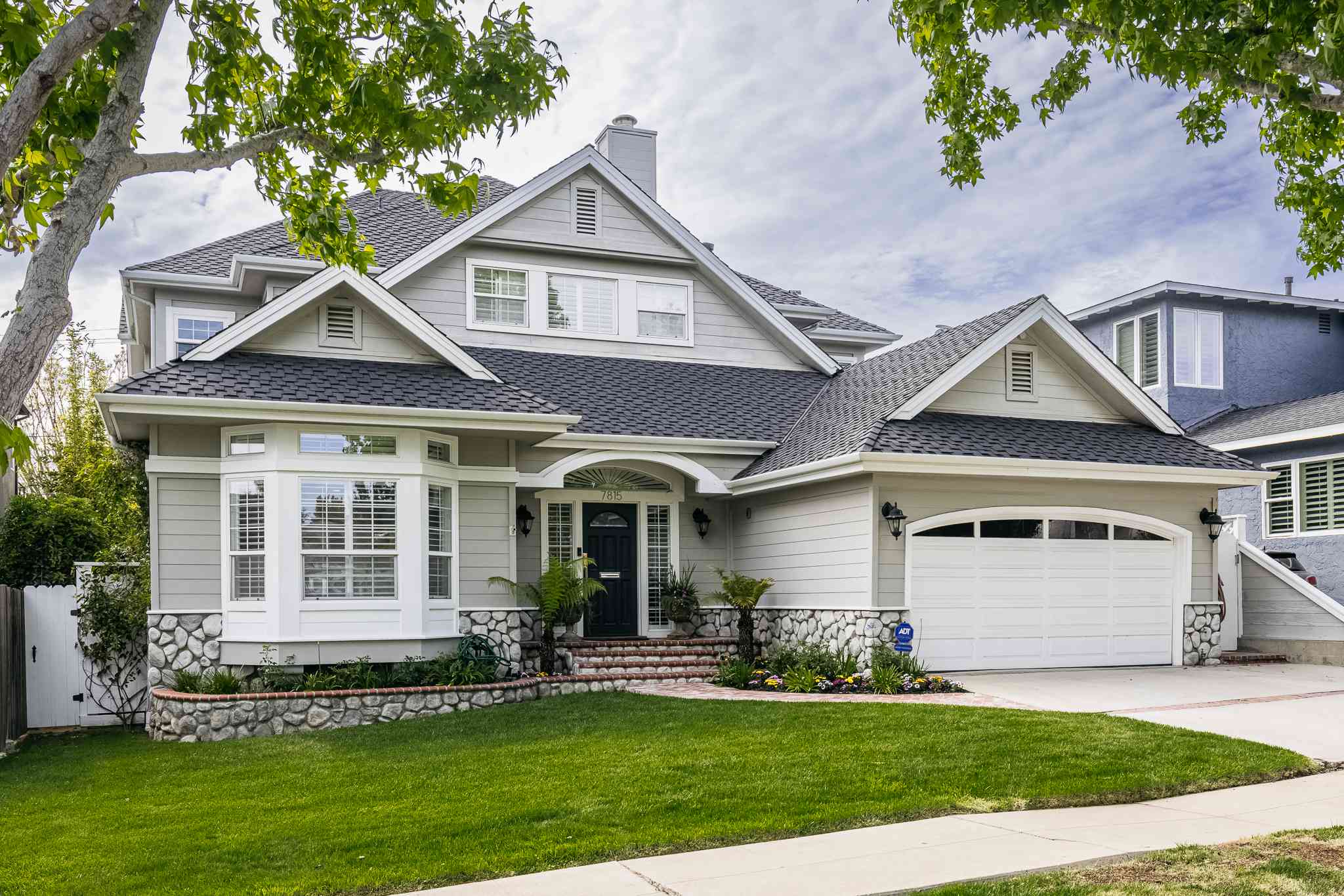
Curb appeal is your home’s handshake. It happens in seconds, before anyone notices your new floors, your dreamy kitchen, or the fact that your hallway closet is finally organized. Whether you’re getting ready to sell or you just want to feel a tiny burst of joy every time you pull into the driveway, smart exterior updates can make your home look cleaner, warmer, and more valuable.
The good news: you do not need a full exterior renovation to make a big impact. In fact, many of the best curb appeal upgrades are simple, affordable, and weekend-friendly. Think front door paint, fresh mulch, better lighting, cleaner walkways, and details that actually match each other (yes, your mailbox and house numbers are part of the team now).
Below, you’ll find 26 curb appeal ideas that combine design, function, and real-world practicality. Some are quick cosmetic wins, some are longer-term landscaping moves, and a few can even improve resale value. Mix and match based on your budget, your climate, and your home’s styleand aim for a look that feels intentional instead of “I bought everything in one panic trip.”
How to Think About Curb Appeal Before You Start
Before picking paint swatches or buying new planters, take a photo of your home from the street. That photo will show you what your eyes usually ignore: a faded shutter, a crooked mailbox, a dark walkway, or shrubs that are trying to swallow your windows whole. Start with the biggest visual distractions, then layer in charm.
A good curb appeal plan usually follows this order: clean first, repair second, paint and refresh third, then decorate. It’s not glamorous, but power-washing a walkway and trimming overgrowth often makes everything else look more expensive.
26 Curb Appeal Ideas That Actually Work
1) Paint the Front Door a Standout Color
A freshly painted front door is one of the fastest curb appeal wins. It creates a focal point, frames your entry, and makes older hardware look less tired. Bold colors work beautifully when they fit your home’s style, but classic shades like navy, deep green, black, and red stay timeless.
2) Upgrade the Door Hardware and Lockset
Your door hardware is basically the jewelry of your entryway. If your knob, lockset, and knocker look worn or mismatched, replace them in a coordinated finish. Brushed nickel, matte black, and bronze all work welljust keep the finish consistent across the front door, light fixture, and mailbox for a more polished look.
3) Replace or Refresh House Numbers
House numbers should be easy to read from the street and actually stylish. Choose a font and finish that fits your architecturemodern homes can handle clean, simple numerals, while cottage or traditional homes often look great with more decorative styles. Mount them in a well-lit spot where they’re visible day and night.
4) Add a New Welcome Mat (Yes, It Matters)
A worn-out doormat can make even a beautiful entry feel neglected. Swap it for a fresh mat that suits your styleclassic coir, patterned outdoor rug, or layered mats for a more decorated look. It’s a small detail, but it instantly signals “someone lives here on purpose.”
5) Install Better Porch Lighting
Exterior lighting boosts safety and curb appeal at the same time. Choose a fixture that’s proportional to your entrynot too tiny, not chandelier-in-a-phone-booth dramatic. Warm, inviting light makes your home look better at night and helps visitors actually find the door without a flashlight.
6) Add Path Lights Along Walkways
Path lighting makes a big visual difference after sunset and adds a sense of care to the landscape. Low-voltage or solar LED path lights are popular because they’re efficient and easier to install than many homeowners expect. Space them evenly and avoid runway-style overkill.
7) Clean the Walkway, Driveway, and Front Steps
Dirt, algae, mildew, and stains make a home look older than it is. A good cleaning can brighten concrete, pavers, brick, and siding in an afternoon. If your front walk looks gray instead of “it used to be gray,” this is one of the highest-impact fixes you can do quickly.
8) Edge the Lawn for Crisp Lines
Lawn edging is the haircut of curb appeal. Even if your grass is not perfect, neat edges along the sidewalk, driveway, and flower beds create definition and make everything feel maintained. This is a small effort with a surprisingly premium result.
9) Refresh Mulch in Planting Beds
Fresh mulch makes beds look tidy, suppresses weeds, and helps retain moisture. Choose a mulch color that works with your exterior (natural brown is usually a safe bet). Apply it evenly and avoid piling it against trunks or stemsno mulch volcanoes, even if your neighbor swears by them.
10) Prune Overgrown Shrubs and Foundation Plants
Overgrown shrubs can hide your windows, block pathways, and make your home look smaller. Prune for shape and scale so plants complement the house instead of fighting it. If you’ve got giant foundation shrubs from 1998, it may be time for strategic removal, not another “just a little trim.”
11) Plant in Layers for a Professional Look
One of the easiest ways to make front beds look better is to layer plants by height: taller shrubs in the back, midsize plants in the middle, and lower flowers or groundcovers in front. Layering adds depth and keeps plants from visually flattening into one messy green blob.
12) Use Repetition in Your Planting Plan
Repeating the same plants in a few spots creates rhythm and makes a yard feel intentionally designed. It also looks cleaner than buying one of everything at the garden center because you “liked the vibes.” Pick a simple palette and repeat it near the walkway, porch, and driveway edge.
13) Add Containers by the Front Door
Planters are an instant upgrade because they add color, height, and personality right where people look first. Use a matching pair for symmetry, or choose one large statement planter if your entry is small. Mix a structural plant (like a topiary or upright grass) with seasonal flowers for an easy designer look.
14) Choose Plants That Actually Thrive in Your Climate
The prettiest curb appeal idea is the one that still looks alive in August. Use plants that suit your region’s sun, soil, and water conditions, and favor lower-maintenance choices if you don’t want a second job. Native and climate-adapted plants often deliver the best long-term results.
15) Create a Pollinator-Friendly Front Yard Corner
A pollinator-friendly planting area adds beauty and supports local wildlife. Use a mix of flowers that bloom across seasons, and plant in clumps so pollinators can find them easily. It makes your front yard feel vibrant and gives your curb appeal a “thoughtful, not just decorative” edge.
16) Upgrade the Mailbox and Mailbox Post
A faded or dented mailbox can drag down the entire front yard. Replace it with a style that matches your homemodern, classic, farmhouse, whatever fits. Add painted numbers or a small planting ring around the base, but keep the setup functional and visible for delivery.
17) Make the Mailbox Area Look Intentional
The mailbox shouldn’t look like it crash-landed there. Frame it with a neat border, small perennials, or simple mulch to connect it visually to the rest of the landscape. Avoid oversized plants that block the box or create maintenance headaches.
18) Repair or Repaint the Garage Door
On many homes, the garage door takes up a huge chunk of the front facadeso if it’s dented, faded, or outdated, people notice. A fresh coat of paint, new hardware accents, or full replacement can seriously upgrade the look. It’s not the glamorous choice, but it often delivers a big return.
19) Add Window Boxes or Shutters That Fit the Scale
Window boxes and shutters can add charm, but only when they’re sized correctly. Too-small shutters make windows look awkward, and tiny boxes disappear visually. If you add them, match your architecture and keep the proportions believable.
20) Refresh Exterior Paint Trim and Touch-Ups
You may not need a full repaint. Sometimes touching up trim, railings, porch columns, and peeling spots makes the entire exterior feel cleaner. If you are painting larger areas, lean toward timeless colors and use accent shades on doors or planters for personality.
21) Define the Walkway With Stone, Pavers, or Borders
A clear path to the front door naturally improves curb appeal. If your walkway is cracked, too narrow, or visually lost in the lawn, consider adding paver borders, stone edging, or a more defined path shape. Even a simple border can make the entry feel more welcoming.
22) Add a Small Seating Spot on the Porch or Front Yard
A bench, two chairs, or a tiny bistro set can make the front of your home feel lived-in and inviting. This works especially well on homes with porches or wider front setbacks. It also adds a layer of charm in listing photos and gives your exterior a sense of warmth.
23) Use Symmetry at the Entry
Symmetry is the secret weapon of curb appeal. Matching planters, sconces, or topiaries on either side of the front door make even simple homes look more elegant. If your house is asymmetrical, fake the balance by repeating shapes, colors, or materials.
24) Hide Visual Clutter
Hoses, bins, utility boxes, and random buckets can ruin a great front yard. Use simple screens, tidy storage, or strategic planting to soften what can’t be moved. You don’t need a perfect exteriorjust a cleaner visual field.
25) Upgrade Porch Railings, Posts, or Columns
If your porch feels dated, changing railings or wrapping plain posts can dramatically improve the facade. This is especially powerful on ranch homes, bungalows, and builder-grade houses that need architectural character. It’s a bigger project, but the transformation can be huge.
26) Create a Cohesive “Finish Palette” for the Exterior
One of the most overlooked curb appeal ideas is simply choosing finishes that relate to one another. Your light fixture, door hardware, mailbox, house numbers, and even planter colors should look like they belong to the same house. Cohesion is what makes a bunch of updates feel like a design plan.
Which Curb Appeal Ideas Add the Most Value?
If resale value matters, prioritize projects that improve your home’s first impression and function: garage door upgrades, a steel front door, basic landscaping, exterior lighting, and visible maintenance fixes. Buyers notice neglect faster than they notice luxury. A clean, well-lit, well-kept exterior often beats an expensive but disconnected update.
In plain English: fix what looks broken, brighten what looks dark, and simplify what looks chaotic. That formula works on almost every house style.
Experience-Based Lessons From Real Curb Appeal Projects (Extended Section)
One thing homeowners learn quickly is that curb appeal is less about “fancy” and more about consistency. I’ve seen modest homes look incredible with basic upgrades: fresh mulch, trimmed shrubs, a painted front door, and new lighting. I’ve also seen beautiful homes look tired because the details didn’t match or the yard looked overgrown. In other words, curb appeal is not a luxury budget contest. It’s a first-impression strategy.
A common experience is the “weekend surprise” effect. Someone starts by replacing the doormat, then notices the old porch light. They change that, and suddenly the faded house numbers look out of place. Then they trim the shrubs, add two planters, and power-wash the front stepsand the house looks dramatically better by Sunday evening. This happens all the time because exterior improvements compound. Each small fix makes the next one more visible and more rewarding.
Another lesson: scale matters more than people expect. A tiny light fixture on a tall entry wall looks awkward, and huge planters on a narrow porch can block the door swing. The same goes for landscaping. Oversized shrubs may seem “lush,” but if they cover windows and crowd the walkway, they make the home feel smaller and darker. The best-looking front yards usually have breathing room. You can see the architecture, the path is clear, and the plants frame the house instead of swallowing it.
Homeowners also tend to underestimate night curb appeal. During the day, everything may look greatbut at dusk, the house disappears. Adding warm porch lighting and a few path lights can completely change that. It helps with safety, of course, but it also gives the home a cared-for look. A softly lit walkway and a visible front door send a subtle message: this place is maintained.
Climate is another big factor. People often copy curb appeal ideas from magazines without adapting them to their region. That’s when the maintenance headaches start. The best results come from choosing plants and materials that suit local conditions. In hot areas, drought-tolerant plants and mulch can be both beautiful and practical. In rainy climates, drainage and mildew-resistant materials matter more. Great curb appeal always looks natural to the setting, not forced.
Finally, the most successful projects usually begin with cleaning and repairs, not decor. It’s tempting to buy wreaths, lanterns, and cute planters first (they’re fun, and the internet makes them look irresistible), but they won’t fix peeling trim or a stained walkway. Start with the basics. Once the home is clean, tidy, and working properly, your decorative updates land much better. That’s the secret: curb appeal is built in layers, and the best-looking homes almost always get the boring steps right first.
Final Thoughts
The best curb appeal ideas don’t need to be expensive or complicated. Focus on the features people notice first: the entry, lighting, landscaping, and overall upkeep. Pick a few projects you can realistically complete, keep your finishes cohesive, and build from there. Even a handful of smart updates can make your home feel more welcoming, more polished, and more valuable from the street.