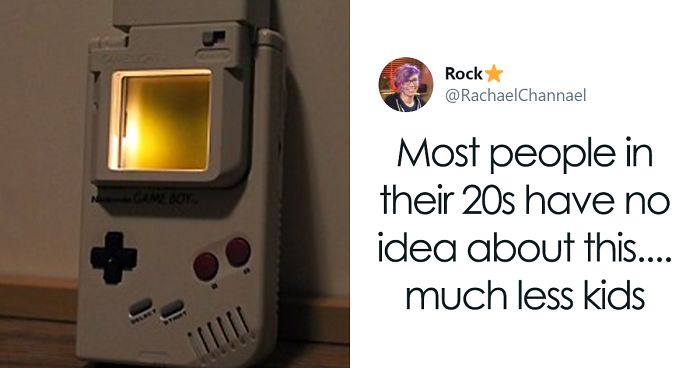
Every generation has its own version of “kids today will never understand.” For some people, it is dial-up internet. For others, it is rewinding VHS tapes, blowing into cartridges, or pretending that a brick-shaped handheld console was “portable” while it chewed through batteries like a raccoon in a snack cabinet. That is why the viral topic “29 Twitter Users Share Gaming Consoles That Had Been Forgotten” hits such a sweet nostalgic nerve.
The original online conversation began when a Twitter user shared old handheld consoles and invited others to remember the machines that once ruled bedrooms, living rooms, backpacks, and family road trips. The result was a digital museum of forgotten gaming consoles: some legendary, some strange, some beloved, and some that looked like they were designed during a very long lunch break.
But these consoles were not just plastic boxes with buttons. They were time machines. They carried sleepovers, sibling rivalries, birthday gifts, arcade dreams, and the sacred art of shouting, “Don’t touch the power cord!” This article looks at why these forgotten video game consoles still matter, which machines deserve a comeback in memory, and why retro gaming culture keeps proving that old hardware never really diesit just waits in a closet until someone finds it and posts a blurry photo online.
Why Forgotten Gaming Consoles Still Fascinate Us
Gaming history is often told through winners: Nintendo Entertainment System, PlayStation, Xbox, Game Boy, Sega Genesis, and other giants that changed the industry. But the forgotten consoles are where the weird, risky, and wonderfully ambitious ideas live. These were the machines that tried to make 3D gaming happen too early, promised arcade-quality graphics in your hands, or packed technology into designs that were either futuristic or aggressively confusing.
The appeal is not only technical. It is emotional. A modern console may deliver 4K graphics, fast downloads, and cloud saves, but an old handheld with a scratched screen can deliver something harder to manufacture: memory. People remember where they played it, who owned it first, which game cartridge refused to work, and how victorious it felt when the screen finally flickered to life.
The Console Memory Lane: 29 Machines People Still Talk About
The Twitter thread that inspired the title featured a broad range of old and rarely discussed systems. Some were mainstream hits that younger players may not recognize. Others were commercial misfires that now have cult followings. Together, they show how unpredictable gaming history really is.
1. Magnavox Odyssey
The Magnavox Odyssey, released in 1972, is widely recognized as the first home video game console. It was simple, quiet, and primitive by modern standards, but it did something revolutionary: it turned the family television into an interactive playground. Without it, the console wars may have never started.
2. Atari 2600
The Atari 2600 made home gaming feel like magic. Suddenly, arcade-style entertainment could live under the TV. Its woodgrain design still looks like it belongs beside a stereo cabinet and a bowl of hard candy, but its influence is enormous.
3. Intellivision
Mattel’s Intellivision tried to look more sophisticated than the Atari 2600. Its controllers had number pads, overlays, and the general vibe of a calculator that had chosen violence. It gained a loyal audience and pushed the idea that consoles could compete on features, not just games.
4. ColecoVision
ColecoVision was praised for bringing arcade-style experiences home, especially with games like Donkey Kong. It burned brightly but briefly, becoming one of those consoles people remember with a mix of admiration and “Wait, my uncle had one of those.”
5. Nintendo Entertainment System
The NES is not exactly forgotten, but many younger gamers know it more as a symbol than as a physical machine. Its boxy design, front-loading cartridges, and game library helped revive the American console market in the 1980s. It also taught a generation that a tiny plumber could dominate pop culture.
6. Sega Master System
The Sega Master System often gets overshadowed by the Sega Genesis, but it was an important 8-bit competitor. In some markets, it did far better than people in the United States remember. It deserves more credit than being “the console before Sonic got famous.”
7. TurboGrafx-16
The TurboGrafx-16 looked exciting, sounded powerful, and had a name that seemed designed to win arguments on the playground. While it struggled against Nintendo and Sega in North America, its library and Japanese counterpart, the PC Engine, remain favorites among collectors.
8. Atari Lynx
The Atari Lynx was a color handheld before color handhelds were common. It had impressive technology, but size, battery life, and competition from the Game Boy made survival difficult. It was ahead of its time, which in gaming often means “expensive and misunderstood.”
9. Nintendo Game Boy
The Game Boy launched in 1989 and became one of the most iconic handheld systems ever made. Its greenish screen, durable body, and legendary battery life made it the ultimate travel companion. It did not need the flashiest graphics because it had Tetris, Pokémon, and the power to survive being dropped on carpet, concrete, or possibly the moon.
10. Sega Game Gear
The Sega Game Gear offered a color screen when the Game Boy was still proudly monochrome. It was bold, bright, and hungry for batteries. Many players remember it as the handheld that looked cooler than anything else in the toy aisle, even if parents remember it as “the thing that ate all the AAs.”
11. Neo Geo
The Neo Geo was basically an arcade machine for the home, which sounds wonderful until you remember that arcade-quality hardware came with arcade-quality prices. Today, it is collector royalty. Back then, it was the console you admired from a distance unless your family owned a small island.
12. Philips CD-i
The Philips CD-i is one of gaming’s strangest experiments. It tried to be educational, cinematic, interactive, and futuristic all at once. Its awkward game library has made it infamous, especially among fans of bizarre Nintendo-licensed titles that feel like they came from an alternate timeline.
13. Atari Jaguar
The Atari Jaguar promised 64-bit power during a time when everyone was obsessed with bits. Unfortunately, marketing ambition could not solve its uneven game library and confusing hardware identity. Today, it is remembered as one of the most fascinating “what happened?” consoles of the 1990s.
14. 3DO Interactive Multiplayer
The 3DO had a futuristic vision and a premium price tag. It wanted to be a multimedia entertainment machine before that idea fully made sense to average families. Some of its games were impressive, but the cost made it a tough sell.
15. Sega Saturn
The Sega Saturn had excellent arcade ports and a passionate fan base, but it was difficult to develop for and arrived during a brutal transition to 3D gaming. It is now appreciated more deeply than it was during its commercial life.
16. Nintendo Virtual Boy
The Virtual Boy is famous for being strange: red-and-black graphics, tabletop design, headset-style viewing, and an early attempt at stereoscopic 3D. It was released in 1995 and did not last long, but it remains one of Nintendo’s boldest experiments. Not every idea lands, but the brave ones are never boring.
17. Sega Nomad
The Sega Nomad was basically a portable Genesis, which sounds amazing because it was amazing. The problem was price, battery life, and timing. Today, it feels like an ancestor of modern portable console gaming.
18. Nintendo 64
The Nintendo 64 is remembered by many, but younger players may be surprised by its three-pronged controller and cartridge-based design. It gave the world Super Mario 64, GoldenEye 007, and Mario Kart 64, which means it also gave the world many friendship-ending multiplayer sessions.
19. Dreamcast
The Sega Dreamcast was innovative, beloved, and tragically short-lived. It offered online features, memorable games, and a library that aged beautifully. Many retro gamers still speak of it like a brilliant band that broke up too soon.
20. Nokia N-Gage
The N-Gage tried to combine a phone and handheld game console before smartphones made that normal. The idea was forward-thinking, but the execution was awkward. Players remember its unusual shape and the fact that using it as a phone looked like talking into a taco.
21. PlayStation Portable
The PSP brought the PlayStation brand into handheld gaming with impressive graphics, multimedia features, and a sleek design. Released in Japan in 2004 and North America in 2005, it felt like a premium device. For many players, it was the first handheld that seemed genuinely grown-up.
22. Nintendo DS
The Nintendo DS is one of the best-selling systems ever, but even it is starting to become “retro” in the eyes of younger players. Its dual screens, touchscreen controls, and clamshell design made it unusual at launch and unforgettable afterward.
23. Gizmondo
The Gizmondo is the kind of console people mention when they want to prove they know deep gaming lore. It had GPS features, media playback, and big ambitions, but its commercial life was extremely short. It is obscure enough to make collectors lean forward in their chairs.
24. Tapwave Zodiac
The Tapwave Zodiac combined PDA features with gaming controls. It was sleek and clever, but it arrived before mobile gaming fully found its modern form. In hindsight, it feels like a rough sketch of the smartphone gaming future.
25. Game Boy Micro
The Game Boy Micro was tiny, stylish, and released late in the Game Boy Advance era. It was not the most practical version of the hardware, but it remains one of Nintendo’s prettiest handhelds. It is the sort of device that makes collectors whisper, “I should have bought one when they were cheap.”
26. PlayStation Vita
The PlayStation Vita had a beautiful screen, strong hardware, and passionate fans. It struggled in the market, partly because mobile gaming and home consoles were shifting quickly. Today, many players argue that the Vita deserved a bigger moment.
27. Wii U
The Wii U suffered from confusing branding and awkward messaging, but it had creative ideas that helped shape the Nintendo Switch. Its GamePad was unusual, and many of its best games later found bigger audiences elsewhere.
28. Ouya
The Ouya promised an affordable Android-based console and became one of the most talked-about crowdfunding gaming projects of its time. It did not become the console revolution some hoped for, but it showed how hungry players were for independent gaming hardware.
29. Mini Retro Plug-and-Play Consoles
Not every forgotten console is a major platform. Many people remember tiny plug-and-play systems, LCD handhelds, and off-brand devices from pharmacies, toy stores, or dentist waiting rooms. They may not have been powerful, but they were often someone’s first gaming memory.
What Twitter Nostalgia Gets Right About Old Consoles
When people share old gaming consoles on social media, they are rarely just showing hardware. They are showing proof of a moment. The Game Boy in a drawer says, “I survived long car rides.” The Dreamcast says, “I believed in Sega until the very end.” The Virtual Boy says, “My neck has known struggle.”
These posts also reveal how personal gaming history can be. A console that failed commercially may have been the center of someone’s childhood. A machine dismissed by critics may have hosted a favorite game, a favorite summer, or a favorite friendship. That is why forgotten gaming consoles are never truly forgotten by the people who loved them.
Why Some Consoles Disappear From Memory
Consoles fade for many reasons. Some launch at the wrong price. Some arrive too early for the technology they promise. Some have confusing marketing, weak third-party support, or a library that never grows large enough to attract mainstream attention. Others are simply crushed by stronger competitors.
Timing is especially brutal. The Sega Saturn had passionate fans but faced Sony’s PlayStation at exactly the wrong moment. The Atari Lynx had impressive color handheld technology but met the cheaper, more battery-friendly Game Boy. The PlayStation Vita had excellent hardware but entered a world where smartphones were changing portable gaming habits.
In other words, a console can be clever and still lose. Gaming history is not always fair. Sometimes the best idea is not the winning idea. Sometimes the weird idea becomes influential years later, after everyone has stopped laughing.
The Collector Effect: When Forgotten Consoles Become Valuable
Retro gaming has turned forgotten consoles into collectible treasures. Hardware that once sat in discount bins can now command serious attention, especially if it is boxed, working, or paired with rare games. Collectors often chase systems like the Atari Jaguar, Neo Geo, Sega Saturn, Virtual Boy, and TurboGrafx-16 because they represent unusual chapters in gaming history.
Scarcity matters, but so does story. A rare console with no personality may gather dust. A strange console with a dramatic backstory becomes conversation gold. That is why people still discuss the Virtual Boy, the 3DO, and the Dreamcast. They are not just products; they are plot twists.
How Forgotten Consoles Influenced Modern Gaming
Many old consoles failed commercially but succeeded creatively. The Dreamcast helped normalize online console gaming. The PSP proved that handheld systems could deliver multimedia entertainment and console-style presentation. The Wii U experimented with second-screen play before the Switch refined Nintendo’s hybrid vision. The N-Gage and Tapwave Zodiac hinted at the phone-and-games convergence before smartphones took over pockets everywhere.
This is why forgotten gaming consoles deserve attention. They show the industry trying, failing, learning, and trying again. Every sleek modern device has a family tree full of awkward cousins.
Experiences Related to Forgotten Gaming Consoles
Ask anyone who grew up around old consoles, and the stories usually begin with inconvenience. That is part of the charm. Modern gaming is smooth, patched, connected, and polished. Retro gaming was more physical. You inserted cartridges, cleaned contacts, adjusted antennas, untangled controller cables, swapped batteries, and prayed the save file survived. Half the experience was playing the game; the other half was negotiating with the machine like it was a tiny stubborn appliance.
One common experience was the shared family console. The system usually belonged to everyone and no one. It sat in the living room, where parents controlled the schedule and siblings controlled the chaos. Multiplayer meant sitting shoulder to shoulder, arguing over screen peeking, controller fairness, and whether someone had paused the game “accidentally” right before losing. Online matchmaking may be convenient, but it will never fully replace the drama of four people on one couch blaming the smallest controller for everything.
Handheld consoles created a different kind of memory. A Game Boy, Game Gear, PSP, or DS could transform boring spaces into secret gaming zones. Back seats, waiting rooms, school buses, family gatherings, and long grocery trips became playable territory. The glow of a screen under a blanket felt like rebellion, even if the game was just Tetris. Portable gaming gave kids a small private world they could carry around, which is probably why people remember those devices so warmly.
Another experience was trading. Games moved through neighborhoods like precious artifacts. Someone had Pokémon. Someone had Mario. Someone had a mysterious cartridge with a label half peeled off and no instructions. You borrowed games, swapped tips, and sometimes discovered that your friend’s “super rare secret cheat” was completely made up. Still, those playground rumors made games feel bigger than they were.
Forgotten consoles also taught patience. Loading times, weak batteries, blurry screens, and limited saves forced players to adapt. You learned to replay levels because there was no quick resume. You learned to protect memory cards like family documents. You learned that turning off the console during saving was basically summoning a thunderstorm indoors.
For many adults, finding an old console today is less about playing perfectly and more about reconnecting with a version of life that felt simpler. The graphics may be rough, the audio may beep like a microwave with ambition, and the controllers may feel strange, but the emotional connection is real. These machines remind people of who they played with, where they lived, and what it felt like when a new game seemed like the biggest event of the year.
That is the real reason the topic “29 Twitter Users Share Gaming Consoles That Had Been Forgotten” works so well. It is not just about hardware nostalgia. It is about community memory. One person posts an old console, and hundreds of others suddenly remember cousins, birthdays, rental stores, sleepovers, and the joy of pressing Start.
Conclusion
Forgotten gaming consoles are not failures gathering dust. They are milestones, experiments, and emotional artifacts. Some changed the industry. Some crashed spectacularly. Some survived only in collector circles and nostalgic Twitter threads. But each one tells us something important about how gaming became the cultural force it is today.
The next time someone finds an old handheld in a drawer or posts a console that looks like it came from a sci-fi yard sale, do not laugh too quickly. That little machine may have carried an entire childhood. It may have introduced someone to adventure, competition, creativity, or the ancient ritual of asking a sibling to stop standing in front of the TV.
In the end, forgotten consoles are remembered because players remember how they felt. And in gaming, feeling is the one feature that never goes obsolete.