Every dog owner knows the look: your pup trots into the room with full confidence, tail wagging, personality sparkling, and a mysterious blob of eye gunk sitting proudly in the corner of one eye like it pays rent. Dog eye discharge is common, especially after sleep, windy walks, allergy season, or a dramatic backyard investigation involving grass, dust, and poor decision-making.
The good news? In many cases, a small amount of clear or slightly crusty discharge can be cleaned safely at home with gentle care. The less-good news? Not all eye gunk is harmless. Yellow or green discharge, redness, swelling, squinting, pawing at the eye, cloudy eyes, or sudden changes in vision can point to infection, injury, dry eye, allergies, blocked tear ducts, conjunctivitis, or other problems that deserve a veterinarian’s attention.
This guide explains 3 ways to clean gunk from your dog’s eyes safely, what supplies to use, what not to use, and when your dog’s “morning eye boogers” are waving a tiny red flag. Think of it as a spa day for your dog’s faceminus the cucumber slices, because your dog would probably eat them.
Before You Start: Know What Normal Dog Eye Gunk Looks Like
A little eye discharge can be normal. Dogs produce tears to keep the eye surface moist, wash away small particles, and protect the cornea. When tears mix with dust, skin oils, and dried mucus, they can create soft or crusty buildup near the inner corners of the eyes. This is often most noticeable in the morning.
Normal dog eye gunk is usually:
- Small in amount
- Clear, white, light gray, or slightly brown when dried
- Easy to wipe away
- Not paired with redness, pain, swelling, or squinting
- Not suddenly much heavier than usual
Some breeds are more prone to tear staining and watery eyes. Short-nosed breeds such as Pugs, Bulldogs, Shih Tzus, and Boston Terriers may have more exposed eyes. Toy breeds and dogs with facial folds may also collect moisture and debris around the eyes more easily. Dogs with long facial hair can develop buildup when hair rubs near the eye or traps tears.
However, “common” does not always mean “ignore it forever.” Persistent discharge, thick mucus, colored discharge, discomfort, or a dog who keeps rubbing their face should be checked by a veterinarian. Eyes are delicate, and they do not appreciate DIY experiments.
Way 1: Use a Warm, Damp Cloth for Everyday Eye Gunk
The simplest and safest method for cleaning mild dog eye gunk is a soft cloth dampened with warm water. This works well for dried crust, morning buildup, and tear debris around the fur. It is gentle, inexpensive, and does not require a cabinet full of fancy pet products with names like “Pawfect Tear Sparkle Supreme.”
What You Need
- A clean, soft washcloth or gauze pad
- Warm water, not hot
- A dry towel
- Treats for cooperation, bribery, and emotional diplomacy
Step-by-Step Instructions
First, wash your hands. Your dog’s eyes are not the place for mystery germs. Then wet the cloth with warm water and wring it out so it is damp, not dripping. If the crust is stubborn, gently hold the cloth over the closed eye area for several seconds to soften the buildup. Do not press on the eyeball.
Next, wipe outward from the inner corner of the eye toward the side of the face. Use slow, gentle motions. If you need to clean both eyes, use a clean section of cloth for each eye. This helps avoid transferring bacteria or irritants from one eye to the other.
Once the gunk is removed, pat the area dry with a clean towel. Moist fur can irritate the skin and contribute to tear staining, especially in light-colored dogs. Drying the area is a small step, but it makes a big difference.
When This Method Works Best
A warm cloth is ideal for routine cleaning when your dog has mild crust near the eyes but no signs of pain or infection. It is especially helpful for dogs who wake up with small “sleep crumbs” in the morning. Yes, that is not a medical term. Yes, every dog parent understands it instantly.
This method is also useful for dogs with tear stains, as long as the skin is not raw, infected, or irritated. Keeping the eye area clean and dry can reduce buildup and help prevent stains from getting worse.
Way 2: Use Sterile Saline or Vet-Approved Eye Wash
If your dog has minor dust, pollen, or loose debris near the eye, sterile saline or a veterinarian-approved eye wash may help rinse the area. This is different from scrubbing. You are not trying to power-wash your dog’s face like a driveway. The goal is to gently flush away irritants and soften discharge.
Choose the Right Product
Use only sterile saline eye wash or a product labeled safe for pets, preferably one recommended by your veterinarian. Avoid medicated drops unless your vet prescribed them. Also, do not use contact lens cleaning solution. Some contact lens products contain ingredients that are not meant to be flushed into a dog’s eye.
Never use hydrogen peroxide, alcohol, essential oils, human redness-relief drops, homemade chemical mixtures, or harsh stain removers near your dog’s eyes. Hydrogen peroxide can seriously damage the eye if splashed into it, and redness-relief drops made for humans may not be safe for dogs.
How to Apply Eye Wash Safely
Start by getting your dog calm. A wiggly dog plus eye wash equals a tiny rodeo, and nobody wins. Have your dog sit or lie down. You may want another person to help hold your dog gently, especially if your pup believes all grooming is a government conspiracy.
Hold the bottle tip near the eye but do not touch the eye, eyelid, lashes, or fur with the tip. Touching can contaminate the bottle. Apply the saline or eye wash as directed on the product label or by your veterinarian. Let the liquid rinse across the eye area, then use a clean gauze pad or soft cloth to wipe away loosened debris from the inner corner outward.
Afterward, gently dry the fur around the eyes. Praise your dog generously. Offer a treat. Pretend the whole thing was your dog’s idea.
When Saline Eye Wash Can Help
Sterile saline may be helpful after a dusty walk, during mild allergy irritation, or when a small amount of loose debris is visible around the eye. It may also help soften dried discharge before wiping. However, if your dog is squinting, holding the eye shut, pawing at the face, or acting painful, do not force eye wash. Pain can signal a scratch, ulcer, foreign object, or inflammation that needs veterinary care.
Way 3: Trim, Dry, and Maintain the Fur Around the Eyes
Cleaning dog eye gunk is not only about removing today’s crust. Prevention matters, too. Long hair around the eyes can trap moisture, collect debris, and sometimes rub against the eye surface. Facial folds can also hold tears and bacteria if they stay damp. For some dogs, a tidy face is not just about looking adorableit is part of basic eye comfort.
Keep Hair Out of the Eyes
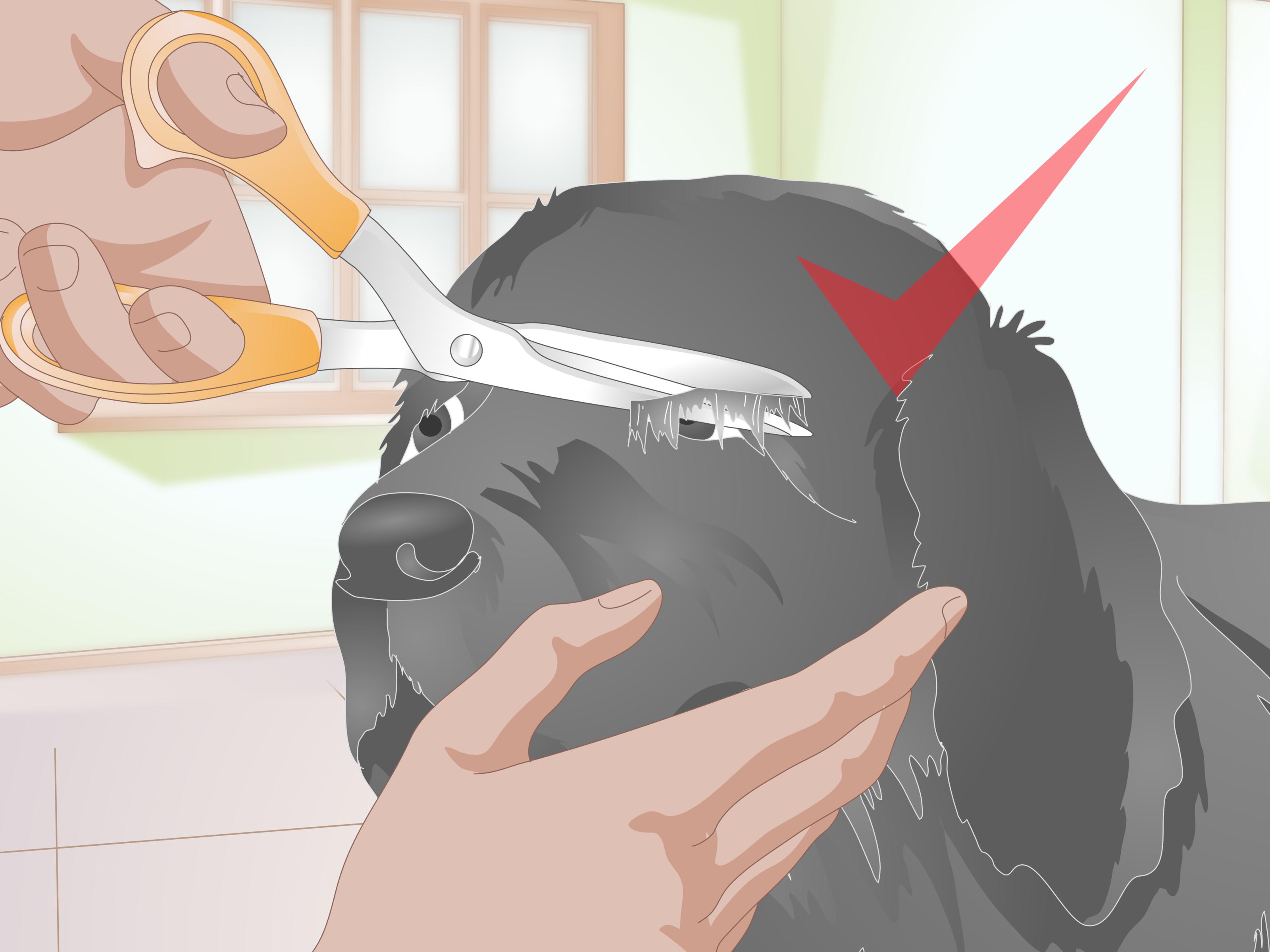
If your dog has long facial hair, schedule regular grooming or ask your veterinarian or groomer how to keep the area safely trimmed. Do not use sharp scissors close to your dog’s eyes unless you are trained and your dog stays still. One unexpected sneeze, wiggle, or squirrel sighting through the window can turn a simple trim into an emergency.
Round-tipped grooming scissors are safer than pointed scissors, but many owners are better off letting a professional handle trimming near the eyes. Groomers and veterinary staff are used to working around delicate areas and can help reduce hair that traps discharge.
Dry the Area After Cleaning
Moisture sitting under the eyes can cause skin irritation, odor, and tear staining. After wiping or rinsing, pat the fur dry. Be gentle and avoid rubbing. For dogs with wrinkles or folds, carefully dry inside the fold without poking near the eye.
Use Vet-Approved Wipes When Helpful
Pet eye wipes can be convenient for dogs who need daily cleaning. Choose wipes designed specifically for use around pet eyes. Avoid products with strong fragrance, peroxide, alcohol, or harsh bleaching ingredients. If your dog has sensitive skin, allergies, or chronic eye discharge, ask your vet before adding new products.
For tear stains, remember that cleaning may reduce buildup, but it may not erase staining completely. Tear stains can be influenced by breed, face shape, tear duct anatomy, hair color, allergies, and underlying eye conditions. If stains suddenly worsen or come with redness, odor, thick discharge, or irritated skin, it is time for a vet visit.
What Not to Do When Cleaning Dog Eye Gunk
Dog eyes are sensitive, so avoid aggressive cleaning. Do not pick hard crust off with your fingernails. Do not scrape the skin. Do not use cotton swabs near the eyeball. Do not apply human eye medication without veterinary guidance. Do not assume that thick yellow or green discharge will “clear up on its own” if you wipe it enough times.
Also, do not use home remedies that sound clever on the internet but suspicious in real life. Lemon juice, vinegar, baking soda paste, peroxide, and essential oils do not belong near your dog’s eyes. Your dog did not sign up to become a science fair project.
When Dog Eye Gunk Means “Call the Vet”
Some eye discharge is a grooming issue. Some is a medical issue wearing a tiny disguise. Contact your veterinarian if you notice any of the following:
- Yellow, green, or pus-like discharge
- Redness in or around the eye
- Squinting, blinking more than usual, or holding the eye closed
- Pawing, rubbing, or dragging the face on furniture
- Swelling around the eyelids
- Cloudiness, blue-gray haze, or visible injury
- Sudden increase in tearing or discharge
- Bad odor from the eye area
- Discharge plus coughing, sneezing, fever, or lethargy
- One eye looking very different from the other
Eye problems can worsen quickly. Conditions such as conjunctivitis, dry eye, corneal ulcers, blocked tear ducts, eyelid abnormalities, allergies, and infections may all cause discharge. Treatment depends on the cause, and guessing wrong can delay healing. A vet may examine the eye, check tear production, stain the cornea to look for scratches or ulcers, or prescribe medication if needed.
Common Causes of Dog Eye Discharge
Allergies
Dogs can react to pollen, dust, mold, smoke, cleaning products, or environmental irritants. Allergy-related discharge may be watery or clear, and dogs may rub their face or have red, itchy eyes. Mild irritation may improve with cleaning and avoiding triggers, but persistent symptoms need veterinary advice.
Conjunctivitis
Conjunctivitis means inflammation of the conjunctiva, the tissue around the eye. It can be caused by infection, allergies, injury, irritants, or underlying health issues. Signs may include redness, swelling, discharge, squinting, and discomfort.
Dry Eye
Dry eye, also called keratoconjunctivitis sicca, happens when a dog does not produce enough of the watery part of tears. It can cause thick mucus-like discharge, redness, irritation, and corneal damage if untreated. Dogs with thick recurring discharge should be evaluated by a veterinarian.
Blocked Tear Ducts
Blocked or narrow tear ducts can cause tears to spill onto the face instead of draining normally. This may lead to constant wetness and staining. A vet can determine whether anatomy, inflammation, or obstruction is involved.
Eye Injury or Corneal Ulcer
A scratch or ulcer on the cornea can be painful and serious. Dogs may squint, tear heavily, paw at the eye, or avoid bright light. This is not a “wipe it and see tomorrow” situation. Prompt veterinary care helps protect vision and comfort.
How Often Should You Clean Your Dog’s Eyes?
For most dogs, cleaning as needed is enough. Some dogs need a quick morning wipe a few times a week. Dogs with tear stains, facial folds, or long hair may benefit from daily cleaning. If you need to clean thick discharge multiple times per day, or the discharge keeps returning quickly, ask your vet why it is happening.
A simple routine works best: check the eyes during brushing, wipe mild buildup gently, dry the area, and watch for changes. The goal is not to make your dog’s face spotless every second. The goal is comfort, cleanliness, and early detection of problems.
Supplies to Keep in a Dog Eye-Care Kit
A small eye-care kit can make cleaning easier and safer. Keep clean gauze pads, soft washcloths, sterile saline eye wash, vet-approved pet eye wipes, and a small towel in one place. Add treats because treats are not optional; they are the official currency of dog cooperation.
Replace cloths and pads often, and do not reuse dirty materials. If your dog has an active infection, follow your veterinarian’s instructions for cleaning and medication. Wash your hands before and after handling the eye area.
Extra Experience-Based Tips for Cleaning Dog Eye Gunk
After helping many dog owners build a calmer grooming routine, one lesson stands out: technique matters, but timing matters even more. The best moment to clean your dog’s eyes is not when your dog is zooming through the house like a furry tornado. Choose a quiet time, such as after a walk, after breakfast, or when your dog is already relaxed. A sleepy dog is often more reasonable than a dog who has just spotted a delivery truck.
Make the process predictable. Use the same spot, the same soft voice, and the same basic steps each time. For example, place your dog on a mat, show the cloth, offer a treat, wipe one side, offer another treat, wipe the other side, then praise. Dogs love routines because routines answer the question, “Is this weird human activity going to end?” When they learn that eye cleaning is quick and followed by snacks, many dogs stop resisting.
For nervous dogs, start without touching the eyes at all. Let your dog sniff the cloth. Touch the cloth to the cheek for one second, reward, and stop. Later, wipe near the eye but not directly on the crust. Build slowly. This is especially helpful for rescue dogs, puppies, or dogs who have had painful eye problems before. Trust is part of grooming. You are not just removing gunk; you are teaching your dog that hands near the face can be safe.
For dogs with white or light-colored fur, tear stains can be frustrating. Owners often want a quick fix, but the safest approach is boring in the best way: keep the fur clean, keep it dry, trim hair that traps moisture, and ask your vet about persistent tearing. Stains may fade slowly as new hair grows. Avoid bleaching products near the eyes, even if the label promises a miracle. Your dog’s comfort is more important than Instagram-level brightness.
Another practical tip: use separate wiping materials for each eye. Even when the discharge looks harmless, this habit reduces the chance of spreading irritation or infection. Think of it like using separate napkins at dinner. Your dog may not follow table manners, but you can.
If your dog has facial folds, gently clean and dry the fold below the eye. Moisture can hide there, especially in breeds with adorable squishy faces. Use a soft cloth and avoid pushing upward toward the eyeball. If the fold smells bad, looks red, feels sticky, or seems painful, call your vet. Skin fold irritation can become uncomfortable quickly.
Finally, pay attention to your dog’s normal. Some dogs naturally have a little morning crust. Others rarely have any discharge. A change from normal is often more important than the discharge itself. If your dog suddenly has more gunk, thicker mucus, one watery eye, or new rubbing behavior, do not just upgrade your wiping technique. Ask why the eye is producing more discharge in the first place.
The best eye-cleaning routine is gentle, consistent, and humble. Clean what you can safely clean, but know when to hand the mystery over to the veterinarian. Your dog gets a cleaner face, you get fewer surprise eye boogers during cuddle time, and everyone gets to avoid unnecessary drama. That is what experts call a win-win, and what dogs call “fine, but where is my treat?”
Conclusion
Cleaning gunk from your dog’s eyes does not have to be complicated. For everyday crust, use a warm damp cloth. For minor debris, consider sterile saline or a vet-approved eye wash. For long-term prevention, keep the fur around the eyes clean, trimmed, and dry. The key is to be gentle and avoid harsh products.
Most mild eye gunk is manageable at home, but discharge that is yellow, green, thick, painful, sudden, or paired with redness or squinting deserves veterinary attention. Your dog’s eyes are too important for guesswork. Clean carefully, watch closely, and when in doubt, let your veterinarian take a look.