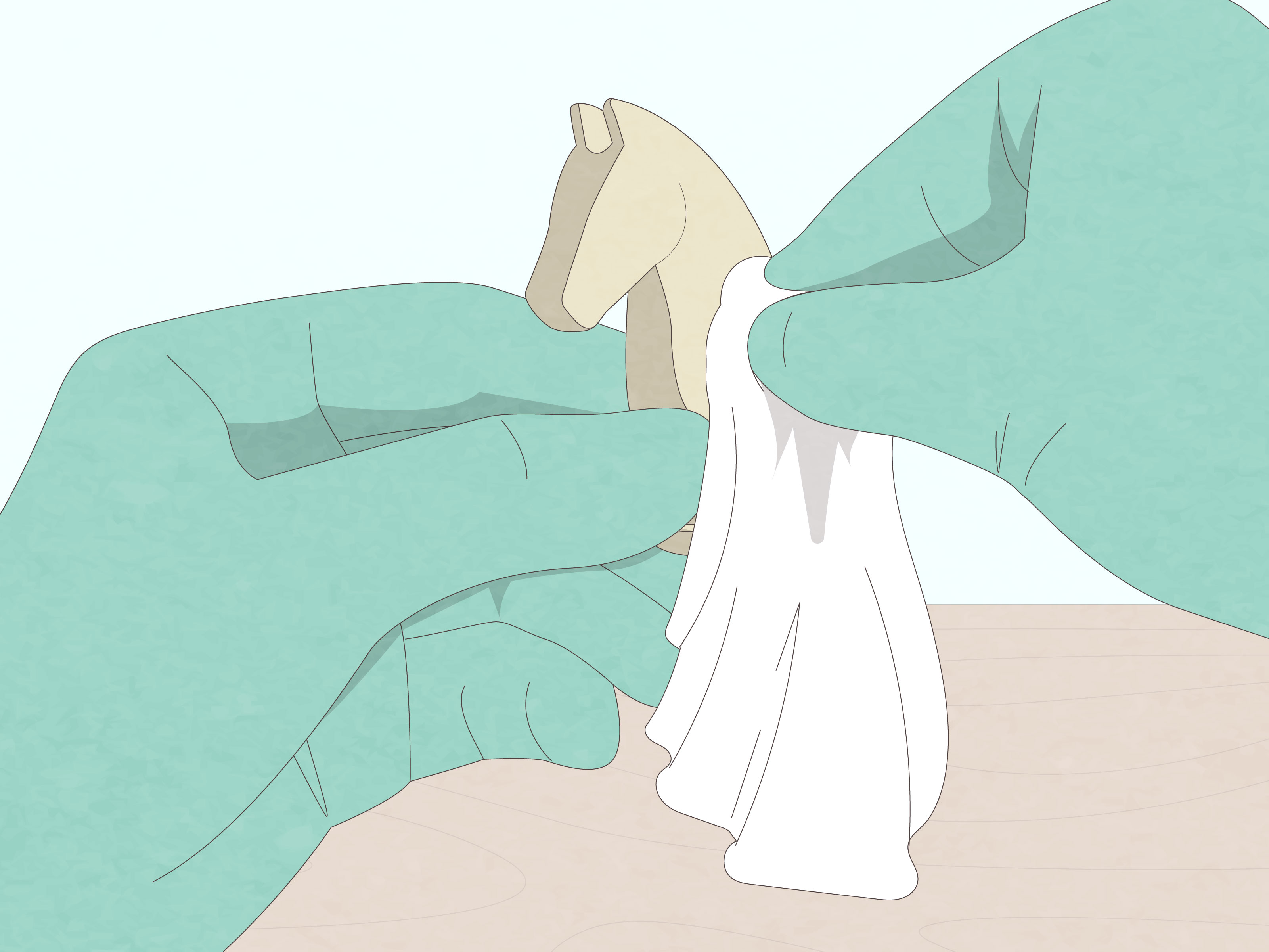
Ivory has a reputation for looking elegant, expensive, and slightly judgmental from the shelf. It also has a reputation for being easy to ruin if you clean it like an ordinary household object. That second reputation is well earned. Ivory is porous, reactive to changes in humidity, vulnerable to staining, and sensitive to both light and moisture. So if your plan involved soaking it, scrubbing it, or blasting it with a mystery cleaner from under the sink, let’s lovingly cancel that plan right now.
This guide explains three safe ways to clean ivory, along with what to avoid, how to store it afterward, and when to stop playing weekend conservator and call a professional. The advice applies best to legally owned, worked ivory such as antique carvings, figurines, inlay, handles, and decorative objects. If you have raw tusk, archaeological material, a museum-quality object, or an item with uncertain legal status, get expert help before doing anything more ambitious than looking at it respectfully.
Why Ivory Needs Special Care
Ivory is not just “hard white stuff.” It is dentine from tusks or teeth, and it behaves more like a delicate organic material than a simple decorative surface. That means it can shrink, crack, warp, stain, and develop a dull, chalky look if exposed to the wrong conditions. Even natural skin oils can darken it over time, which is why heirloom ivory often looks darker where people handled it most.
Another important detail: not every cream-colored antique is actually ivory. Bone, antler, horn, celluloid, resin, and synthetic “faux ivory” can look similar from across the room and even from annoyingly close range. Cleaning methods that are acceptable for one material may be risky for another. If you are unsure what you own, get an appraisal or identification before cleaning. That advice becomes even more important if you ever plan to donate, transport, insure, or sell the item.
One more thing before we get into the three methods: old ivory often has a soft patina from age. That patina is not always “dirt.” Sometimes it is part of the object’s history and beauty. The goal is not to make ivory look like it was carved yesterday in a suspiciously bright showroom. The goal is to clean it safely.
Before You Clean: A 60-Second Ivory Check
Ask these questions first
- Is the object cracked, flaking, powdery, or loose at any joint?
- Does it have metal mounts, glue lines, paint, ink, or inlay?
- Is it badly yellowed, stained, or sticky?
- Do you know for sure that it is ivory and not bone or imitation ivory?
- Is it valuable enough that one bad cleaning session would ruin your week?
If you answered “yes” to any of those, skip the DIY heroics and move straight to Method 3. Fragile ivory does not reward confidence. It rewards restraint.
Method 1: Dry Dusting for Routine Ivory Cleaning
Best for: light dust, everyday maintenance, carved ivory figurines, and antique ivory that appears stable and intact.
This is the safest and most useful way to clean ivory. In fact, for many pieces, it is the only cleaning they should ever get at home. Dry dusting removes loose dirt without introducing moisture, and moisture is often the villain in every ivory horror story.
What you need
- A soft natural-hair brush or very soft artist’s brush
- A clean, soft lint-free cloth
- Optional: a vacuum with low suction held nearby, not dragged across the object
- Clean hands or clean cotton/nitrile gloves
How to do it
- Set the object on a padded, stable surface with good lighting.
- Support it with both hands if you need to move it. Do not grab it by a delicate handle, tusk tip, or carved projection.
- Use the soft brush to lift dust gently from the surface, working from top to bottom.
- For carved details, brush dust out of crevices with almost no pressure. Think “coaxing,” not “scrubbing.”
- If you use a vacuum, keep the nozzle slightly away from the object and let the suction catch loosened dust. Never drag a vacuum attachment over ivory.
- Finish by lightly wiping smooth areas with a clean soft cloth.
Why this works
Dust is more than ugly. It can be abrasive, and over time it traps grime and pollutants against the surface. Removing it regularly helps prevent the kind of stubborn buildup that tempts people into risky wet cleaning later. Dry dusting is also the best method for ivory with uncertain finishes, age-related patina, or delicate carved details.
What not to do
Do not use feather dusters, furniture polish, dusting spray, or “miracle shine” products. They can scratch delicate surfaces, leave residues, or drive grime into crevices. Ivory is not a bowling trophy. It does not need a glossy chemical pep talk.
Method 2: Minimal-Moisture Spot Cleaning for Stable, Smooth Ivory
Best for: stable, polished, non-porous ivory with light grime that did not come off during dry dusting.
This method is more limited than many people expect, and that is a good thing. Some conservation guidance warns that liquids can be destructive to ivory, while other museum housekeeping guidance allows a very cautious mild soap-and-water cleaning on certain smooth, stable pieces. The key phrase is very cautious. If the ivory is cracked, fragile, open-grained, heavily carved, repaired, painted, or mounted with other materials, this method is not for you.
What you need
- A bowl of lukewarm water with a tiny amount of mild soap
- Cotton swabs or a very soft white cloth
- A second dry cloth
How to do it safely
- Test a tiny hidden area first.
- Dip the cloth or swab into the soap solution, then wring it out thoroughly so it is barely damp.
- Clean a very small section with light pressure. Do not saturate the surface, and do not let moisture sit.
- Immediately dry the area with a clean soft cloth.
- Repeat only where needed, using fresh clean swabs or cloth sections.
When to stop immediately
- If moisture darkens the surface unevenly
- If dirt seems to sink into lines or pores instead of lifting away
- If the cloth picks up paint, finish, or residue from old repairs
- If the object feels rougher, softer, or more fragile than expected
This is a spot-cleaning method, not a bath. Never soak ivory. Never rinse it under running water. Never leave it sitting damp while you answer a text, make coffee, or wonder whether you should have become a conservator. The correct amount of moisture for ivory is usually less than people think and always less than people use when they get overconfident.
Method 3: Professional Cleaning for Yellowing, Stains, Cracks, or Valuable Pieces
Best for: antique ivory with heavy discoloration, structural cracks, old glue, metal staining, inlays, complex carvings, high financial value, or sentimental value that is frankly priceless.
If the piece is badly soiled, darkened, repaired in the past, or showing signs of deterioration, a professional conservator is the safest option. That is especially true when people want to “whiten” ivory. Yellowing may come from age, light exposure, old oils, poor storage, or adjacent materials. Aggressive cleaning can remove original surface character, worsen cracking, or leave the object looking strangely patchy.
A conservator can evaluate whether the surface has ordinary dirt, historic patina, unstable residue, or damage that only looks like dirt. That distinction matters. Museum guidance repeatedly stresses that not all surface accumulations should be removed, and that fragile, deteriorated, or historically significant surfaces should not be cleaned by routine household methods.
Professional help is the right move if your ivory has:
- Cracks, lifting flakes, or powdery areas
- Metal mounts or greenish/brown staining from nearby corrosion
- Inlay, mixed materials, or attached textiles
- Old tape, glue, wax, or household repair attempts
- Water exposure, mold exposure, or persistent odor
- Appraisal, donation, travel, or legal documentation needs
In other words, if the object is rare, fragile, or weird in any interesting way, professional care is cheaper than regret.
What Never to Use on Ivory
- Soaking water: it can drive dirt deeper and stress the material.
- Commercial cleaners, polishes, and dusting sprays: residues and surface change are real risks.
- Hard scrubbing: ivory scratches more easily than people think.
- Feather dusters: they can catch on delicate surfaces and scratch.
- Metal tools: they can score soft or fragile areas.
- Household glues or repair kits: these age badly and can stain or embrittle the object.
- Direct sunlight: light can bleach and damage ivory rather than “freshen” it.
If a cleaning tip sounds dramatic, viral, or suspiciously proud of itself, it is probably not a museum-grade solution.
How to Store Ivory After Cleaning
Cleaning is only half the job. Bad storage can undo careful work in a hurry. Ivory prefers stability: stable temperature, stable relative humidity, low light, and low dust. Sudden swings in humidity are especially troublesome because ivory can expand and contract, leading to warping, cracking, and separation around weak points.
Smart storage habits
- Keep ivory away from sunny windows, radiators, heaters, vents, and exterior walls.
- Display it in low light, ideally in a closed case if possible.
- Store it away from rusty metal, dyed fabrics, and colored materials that may stain it.
- Handle it with clean hands or clean gloves.
- Use padded support so the object is not stressed at one small point.
For many owners, the best long-term “cleaning” strategy is simply excellent storage and occasional gentle dusting. Boring? Yes. Effective? Also yes.
How to Know Whether Ivory Is Dirty or Just Old
This is one of the most useful questions you can ask. A light yellow cast does not always mean grime. Some darkening comes from natural aging. Some darker areas come from years of handling. Some color variation reflects how the ivory was carved, used, or stored. Trying to erase every sign of age can strip away character and leave a piece looking unnaturally flat.
As a rule, remove loose dust and obvious recent grime. Be cautious with anything that looks deeply embedded, beautifully mellow, or suspiciously original. Antique ivory is allowed to look antique. It has earned that right.
Practical Experiences: What People Learn the Hard Way When Cleaning Ivory
A common experience with ivory starts the same way: someone inherits a carving from a grandparent, notices that it looks yellow or dull, and assumes it just needs a stronger cleaner. Then comes the dangerous sentence: “How bad could it be?” Usually, the answer is, “bad enough to make you wish you had started with a soft brush.” In real-world care, the safest results almost always come from doing less, not more.
Take the owner of a small ivory figurine displayed on an open shelf for years. The surface looks grayish, and the carved recesses are packed with dust. Dry dusting makes an immediate difference because most of what looked like discoloration was simply airborne grime. The object looks cleaner, the carving becomes sharper, and the owner realizes the ivory was not ruined at all. It was just dusty in the way all neglected shelf décor eventually becomes dusty, like it had been quietly collecting the atmosphere of the entire room.
Another typical case involves a smooth ivory handle or decorative panel with finger marks near the areas people touch most often. Here, a minimal-moisture spot cleaning may help if the ivory is stable. The lesson people learn is that barely damp means barely. Not “sort of damp.” Not “damp but enthusiastic.” Just enough to lift a little surface grime and no more. The second lesson is even better: dry the area immediately. Ivory does not enjoy lingering moisture any more than a cat enjoys an unexpected bath.
Then there is the person who discovers staining near metal mounts or fittings and assumes it is ordinary dirt. Often it is not. Corrosion from nearby metal can discolor ivory in ways that simple cleaning will not fix. Owners often discover that the real problem is not the ivory alone, but the relationship between ivory and the materials touching it. That is when professional help becomes worth every penny, because the stain, the mount, and the structure may all need to be evaluated together.
People also learn that old repairs are their own special category of trouble. A figurine may seem stable until a close look reveals yellowed glue at the join, or a hairline crack that widens when pressure is applied during cleaning. What seemed like a harmless dusting job becomes a reminder that fragility is not always obvious at first glance. Many ivory pieces survive decades precisely because no one messed with them too aggressively.
Storage creates its own lessons too. Owners are often surprised that ivory displayed near a sunny window or heating vent ages faster and looks worse even when it is cleaned carefully. Light can bleach and change the surface, while humidity swings encourage cracking and warping. In other words, a dirty but well-stored ivory object may outlive a “sparkling clean” one that spends every afternoon roasting in a beam of sunlight like a very elegant marshmallow.
The biggest practical takeaway is simple: the best experience with ivory care is usually the least dramatic one. Gentle dusting, cautious handling, stable storage, and the wisdom to call a conservator when needed will protect the object far better than any bold DIY cleaning adventure. Ivory rewards patience, not bravado.
Final Thoughts
If you want the short truth, here it is: the best way to clean ivory is usually gently, rarely, and with excellent judgment. Start with dry dusting. Use minimal moisture only on stable, smooth ivory that clearly tolerates it. Call a conservator for anything fragile, stained, cracked, mixed-material, or valuable. And remember that a mellow antique surface is not a personal insult. Sometimes ivory is not dirty. Sometimes it is just old, beautiful, and slightly tired of being overmanaged.
Clean it carefully, store it wisely, and resist the urge to make it look brand-new. Antique ivory does not need a makeover. It needs respect.