Card counting in blackjack sounds like something that requires sunglasses, a secret code name, and a dramatic walk through a casino lobby. In reality, it is mostly arithmetic, discipline, memory, and the ability to look calm while your brain is doing tiny push-ups. The idea is simple: keep track of the ratio of high cards to low cards left in the deck, then adjust your betting and playing decisions when the deck becomes more favorable.
This guide explains three popular ways to count cards in blackjack: the Hi-Lo system, the Knock-Out system, and a more advanced multi-level counting approach. It is written for educational purposes only. Blackjack is gambling, and gambling always involves risk. Card counting does not guarantee profit, does not make you invincible, and will not magically turn a $25 bankroll into a movie montage. Also, casinos may refuse service to players they believe are counting cards, even when mental card counting itself is not cheating.
What Card Counting Actually Means
Card counting is a strategy used in blackjack to estimate whether the remaining cards in the shoe are favorable to the player or the dealer. In blackjack, high cards such as 10s, face cards, and aces are usually good for the player because they increase the chances of blackjacks, strong double-down hands, and dealer busts. Low cards, especially 2 through 6, tend to help the dealer complete stiff hands without busting.
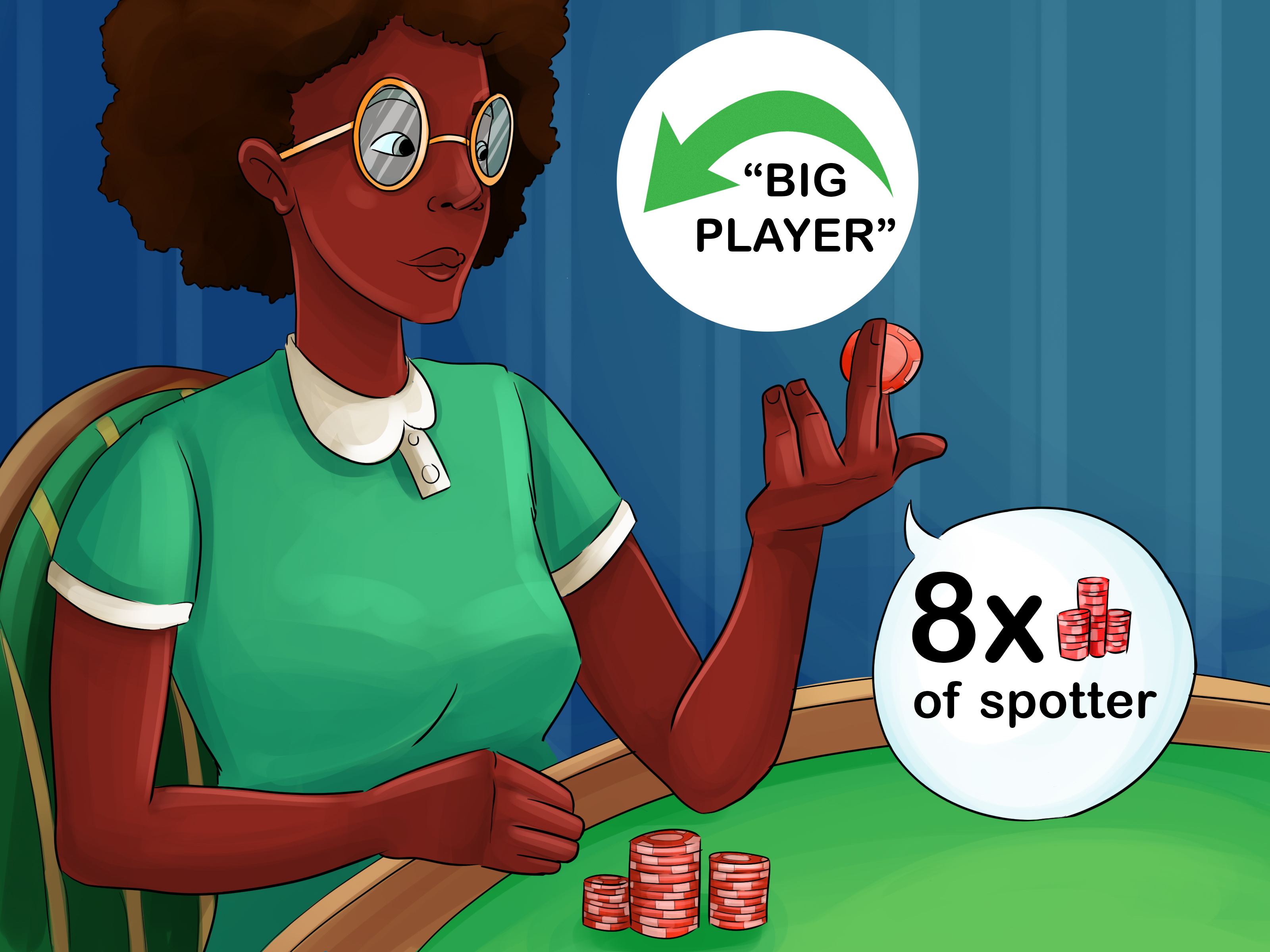
A card counter does not memorize every card like a human spreadsheet. Instead, they assign point values to cards as they appear and keep a running total. When the count suggests that more high cards remain, the player may bet more. When the count is poor, the player bets less or avoids the shoe. That is the basic engine behind most blackjack card counting systems.
Before You Count: Learn Basic Strategy First
Card counting without basic strategy is like buying racing tires for a shopping cart. Basic strategy tells you the mathematically best decision for each hand based on your cards and the dealer’s upcard. You need that foundation before any counting system matters. Counting adds an extra layer by helping you know when the deck composition may justify larger bets or occasional strategy changes.
Way 1: Count Cards With the Hi-Lo System
The Hi-Lo card counting system is the classic starting point. It is popular because it is balanced, simple, and powerful enough for serious practice. In Hi-Lo, every card is assigned one of three values:
- 2, 3, 4, 5, 6: +1
- 7, 8, 9: 0
- 10, Jack, Queen, King, Ace: -1
As cards are dealt, you add or subtract from your running count. Low cards increase the count because their removal means the remaining shoe is richer in high cards. High cards decrease the count because their removal means fewer player-friendly cards are left. Neutral cards do not move the count.
Example of a Hi-Lo Running Count
Imagine the first cards dealt are 4, King, 8, 6, 2, Ace, and 9. Your count would move like this:
- 4 = +1, running count is +1
- King = -1, running count is 0
- 8 = 0, running count stays 0
- 6 = +1, running count is +1
- 2 = +1, running count is +2
- Ace = -1, running count is +1
- 9 = 0, running count stays +1
That number is called the running count. In a single-deck game, the running count can be useful on its own. In most modern casinos, however, blackjack is played with multiple decks. That means you need the true count.
Convert the Running Count to the True Count
The true count adjusts your running count based on how many decks remain. This matters because a +6 running count means something very different when five decks remain than when one deck remains. To calculate it, divide the running count by the estimated number of decks left in the shoe.
Formula: Running Count ÷ Decks Remaining = True Count
For example, if your running count is +8 and about four decks remain, the true count is +2. If your running count is +8 and only two decks remain, the true count is +4. The second situation is much stronger because the remaining cards are more concentrated with high-value cards.
How to Use the Hi-Lo Count
In general, a negative or low true count means the deck favors the house, so you keep bets small. A positive true count means the remaining cards are better for the player, so counters may increase their bet. Many players also learn index plays, which are specific strategy deviations based on the true count. For example, a player might stand instead of hit in certain close situations when the count is high enough.
The Hi-Lo system is a strong first method because it teaches the core habits of card counting: assigning values, maintaining accuracy, converting to true count, and staying calm while chips and distractions fly around the table like casino confetti.
Way 2: Count Cards With the Knock-Out System
The Knock-Out card counting system, often called KO, is another beginner-friendly method. It is similar to Hi-Lo, but with one major difference: it is an unbalanced count. That means the card values do not add up to zero across a full deck. The advantage is that KO can be used without converting to a true count, which makes it easier for many players.
Here is the common KO card value structure:
- 2, 3, 4, 5, 6, 7: +1
- 8, 9: 0
- 10, Jack, Queen, King, Ace: -1
Notice that 7 is counted as +1 in KO, while it is neutral in Hi-Lo. That small difference changes the math and makes the system unbalanced. Since the running count naturally rises over the course of the shoe, KO uses a starting count and key count to guide betting decisions.
Why Some Players Like KO
The biggest benefit of KO is simplicity. Estimating decks remaining under casino conditions can be harder than it sounds. The dealer is moving quickly, other players are making questionable decisions, someone is ordering nachos, and your brain is trying to divide +7 by 2.5 while pretending everything is normal. KO removes the true-count conversion step, which can reduce mental strain.
Example of a KO Running Count
Suppose the cards dealt are 7, 5, Queen, 9, 3, Ace, and 8. With KO, your running count changes like this:
- 7 = +1, running count is +1
- 5 = +1, running count is +2
- Queen = -1, running count is +1
- 9 = 0, running count stays +1
- 3 = +1, running count is +2
- Ace = -1, running count is +1
- 8 = 0, running count stays +1
With KO, you compare your running count to the system’s key betting points rather than calculating a true count. That can make the process smoother, especially during practice sessions or faster games.
KO vs. Hi-Lo: Which Is Better?
Hi-Lo is more widely taught and gives players a precise true-count structure. KO is easier to use because it skips that conversion. For many beginners, the best system is the one they can execute accurately. A perfect simple count is better than a fancy count performed like a calculator dropped down a staircase.
Way 3: Count Cards With an Advanced Multi-Level System
Once you understand the basics, you may hear about advanced systems such as Omega II, Hi-Opt II, Zen Count, or Wong Halves. These are multi-level card counting systems, which means cards can have values beyond +1, 0, and -1. For example, some cards may be worth +2 or -2, and some systems use fractions.
The goal of an advanced count is greater accuracy. Not all low cards affect the game equally. A 5 is especially powerful for the dealer because it helps turn stiff hands into made hands. A system that gives more weight to certain cards may estimate player advantage more precisely.
Example of a Multi-Level Count
A simplified advanced structure might look something like this:
- 4, 5, 6: +2
- 2, 3, 7: +1
- 8: 0
- 9: -1
- 10, Jack, Queen, King: -2
- Ace: 0 or separately tracked, depending on the system
This kind of count can improve betting and playing precision, but it also increases mental workload. You are no longer adding and subtracting only one point. You may also need to keep a side count of aces, convert to true count, and remember more index plays. That is a lot to juggle, especially when a dealer is politely waiting for your decision and your inner monologue sounds like a tax audit.
When Advanced Counting Makes Sense
Advanced card counting makes sense only after you can perform a simple system accurately under pressure. More complexity is not automatically better. If a multi-level system causes you to make mistakes, lose the count, or slow down your decisions, it may reduce your real-world performance. The best blackjack card counting system is not the one that looks most impressive on paper. It is the one you can use correctly, quietly, and consistently.
How Card Counting Changes Your Blackjack Decisions
Card counting mainly affects two areas: bet sizing and strategy deviations. Bet sizing is the bigger piece. When the count is favorable, counters increase their bets because the remaining deck contains more high cards. When the count is unfavorable, they reduce bets or avoid playing. This is how a small mathematical edge can become meaningful over time.
Strategy deviations are more advanced. Basic strategy is still your foundation, but certain hands can be played differently when the count reaches a specific level. For example, high counts can make insurance less terrible than usual because more 10-value cards remain. High counts can also change decisions on stiff hands against strong dealer upcards. These adjustments are known as index plays.
Important Reality Check
Even with accurate counting, blackjack has variance. You can make the right decision and still lose. You can have a strong true count, raise your bet, get two face cards, and then watch the dealer pull a blackjack like they found it in their sleeve. That does not mean the math is broken. It means short-term gambling results are noisy.
Legal and Casino Considerations
Mental card counting is generally not considered illegal in the United States when done without devices or outside assistance. However, casinos are private businesses and may ask players to stop playing blackjack, flat-bet, leave the property, or avoid table games if they believe the player is counting. Using electronic devices, hidden computers, marked cards, collusion, or other prohibited tools can cross into cheating and legal trouble.
In other words, knowing math is not the same thing as cheating. But a casino also does not have to keep dealing to someone it believes has an edge. That is part of the practical reality of card counting. Learn the rules where you are, respect casino policies, and never use devices or deceptive tools.
Responsible Gambling: The Part Nobody Should Skip
Card counting can sound glamorous, but gambling should never be treated as a reliable way to make money. A responsible player sets limits before playing, uses money they can afford to lose, avoids chasing losses, and stops when gambling stops being entertainment. If gambling begins to create stress, debt, secrecy, or relationship problems, it is time to seek help.
Card counting requires patience, practice, and emotional control. It also requires accepting that you may lose money even when you play well. That is not a footnote. That is the whole stage the show is performed on.
Practice Plan for Learning Card Counting
Step 1: Count Through a Single Deck
Start with one deck at home. Flip cards one at a time and keep the running count. With Hi-Lo, a full deck should end at zero. If it does not, you made a mistake. Congratulations: you have discovered why practice exists.
Step 2: Add Speed
Once you are accurate, use a timer. Try counting through a deck faster without losing precision. Speed matters because casino blackjack moves quickly.
Step 3: Practice With Distractions
Turn on music, have someone talk to you, or count while watching a game on TV. Casinos are distracting environments. If you can only count in total silence, your skill may vanish the moment someone nearby starts celebrating a $15 win like they just bought a yacht.
Step 4: Add Basic Strategy
Counting is not enough. Practice making basic strategy decisions while maintaining the count. The real challenge is doing both at once.
Common Card Counting Mistakes
- Counting before learning basic strategy: This is the most common mistake. Basic strategy comes first.
- Overbetting a tiny edge: A positive count does not mean guaranteed profit.
- Ignoring table rules: A 6:5 blackjack payout can damage the game’s value compared with traditional 3:2 payouts.
- Playing too long while tired: Fatigue turns good counters into generous donors.
- Choosing a system that is too hard: Accuracy beats complexity.
Extra Experiences and Practical Lessons About Counting Cards in Blackjack
One of the first experiences many beginners have with card counting is realizing that the math is easy, but the environment is not. At home, counting a deck feels manageable. You flip a card, add one, subtract one, sip coffee, and think, “I am basically a blackjack scientist.” Then you imagine doing the same thing at a busy table where cards are flying, chips are stacked, the dealer is chatting, and another player is splitting 10s because “they have a feeling.” Suddenly, the running count feels like a soap bubble in a wind tunnel.
A useful lesson is to practice in layers. Do not start by trying to master every index play, bet spread, and shoe condition at once. Begin with clean counting. Then add deck estimation. Then add basic strategy decisions. Then practice with simulated betting. This layered approach keeps the process from becoming overwhelming. Card counting is not one skill. It is a bundle of smaller skills tied together by concentration.
Another important experience is learning emotional control. Blackjack can punish correct play and reward bad play in the short run. You might count perfectly, raise your bet at a favorable count, and lose three big hands in a row. That is where many players tilt. They either abandon the system, chase losses, or decide the dealer has been sent by ancient spirits to ruin their evening. The better response is to understand variance. A counting system measures long-term expectation, not the next hand’s destiny.
Bankroll discipline is also essential. A player can have a small edge and still go broke if their bets are too large for their bankroll. This is one reason experienced players think in terms of risk, session limits, and long-term sample size. Counting cards is not about making one heroic bet. It is about making many small, mathematically informed decisions over time. That is less cinematic, but much more realistic.
Table selection is another practical lesson. Not every blackjack table is worth playing. Rules matter. A game that pays 3:2 for blackjack is usually better than one that pays 6:5. Dealer rules, deck penetration, number of decks, surrender options, double-down rules, and whether the dealer hits or stands on soft 17 can all affect the house edge. A skilled player pays attention before sitting down. The table minimum is not the only number that matters.
Many beginners also underestimate the value of looking natural. You do not need a disguise or a fake mustache. In fact, please leave the fake mustache at home unless it is part of your normal lifestyle. Looking natural means making decisions smoothly, not staring at the discard tray like it owes you money, and not changing bets in a cartoonishly obvious way. Casinos are used to watching betting patterns. Subtlety matters.
Finally, one of the most valuable experiences is knowing when to walk away. Sometimes the count is bad. Sometimes the table rules are poor. Sometimes you are tired. Sometimes gambling simply stops being fun. A disciplined player can leave without needing a dramatic reason. That single skill may protect more money than any counting system.
Conclusion
Learning 3 ways to count cards in blackjack gives you a clear view of how card counting works at different skill levels. The Hi-Lo system is the best-known starting point because it is simple, balanced, and widely studied. The Knock-Out system offers a more beginner-friendly path by removing the true-count conversion. Advanced multi-level systems can add precision, but only for players who have already built strong accuracy and discipline.
The real secret is not a secret at all: learn basic strategy, practice patiently, understand table rules, manage risk, and treat gambling as entertainment rather than income. Card counting is math, not magic. And like all math, it works best when you do not yell at it after a bad hand.