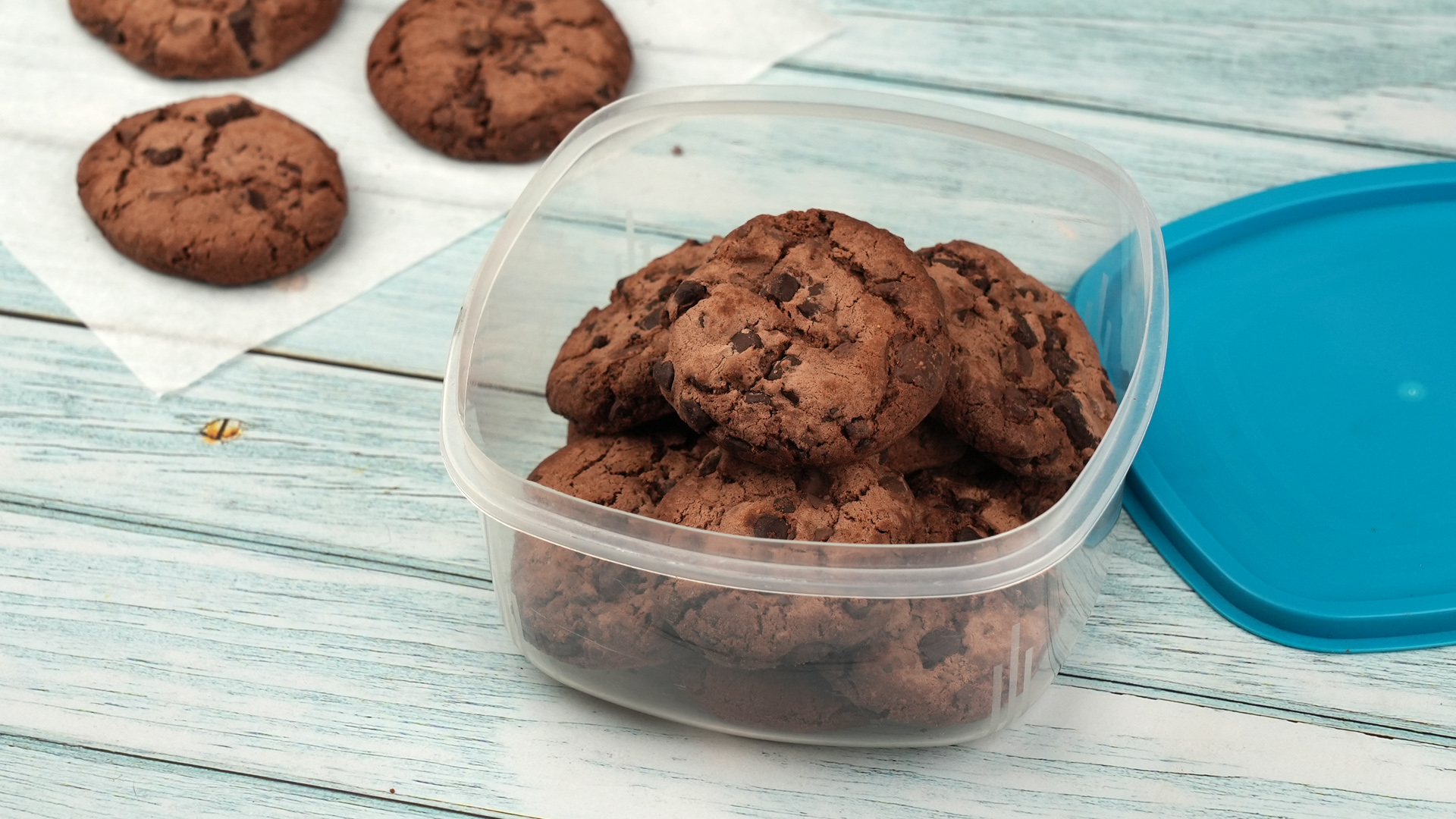
Few kitchen disappointments hit harder than reaching for yesterday’s perfect cookie and finding today’s sad little hockey puck. One minute it was soft, chewy, buttery, and full of promise. The next, it tastes like it has been emotionally abandoned in a desert. The good news? Keeping cookies fresh is not complicated. You do not need a professional bakery, a secret family spell, or a cookie vault guarded by tiny elves. You simply need to understand what cookies are trying to do after they leave the oven.
Fresh cookies lose quality for three main reasons: air, moisture changes, and time. Air dries out soft cookies and makes crisp cookies stale. Too much trapped steam can turn delicate cookies soggy. Freezer burn can dull flavor if cookies are not wrapped well. And mixing strong-flavored cookies with delicate ones can make everything taste faintly like peppermint-peanut-butter-gingerbread chaos.
This guide breaks cookie storage into three practical methods: storing cookies correctly at room temperature, separating cookies by texture and flavor, and freezing cookies or cookie dough for longer freshness. Whether you bake chocolate chip cookies, oatmeal cookies, sugar cookies, shortbread, biscotti, brownies, or frosted holiday cookies, these simple strategies help preserve flavor, texture, and that glorious “just baked” feeling for as long as possible.
Why Cookies Go Stale So Quickly
Before we talk about how to keep cookies fresh, it helps to understand what freshness actually means. A fresh cookie has the texture the baker intended. A chewy cookie should bend slightly before it breaks. A crisp cookie should snap cleanly without tasting dusty. A frosted cookie should hold its shape without turning sticky or smashed. A buttery shortbread should taste rich, not like it has been sitting next to a pile of cardboard since last Tuesday.
Cookies change after baking because their moisture continues to move. Soft cookies slowly lose moisture to the surrounding air. Crisp cookies can absorb moisture from the air and lose their crunch. Warm cookies placed in a sealed container release steam, which can create condensation and make them soggy. This is why cookie storage is less about one universal rule and more about matching the storage method to the cookie type.
In other words, cookies are dramatic. They have needs.
Way 1: Store Cookies in an Airtight Container at Room Temperature
The first and most important way to keep cookies fresh is to store them in an airtight container after they have cooled completely. This method works beautifully for most everyday cookies, including chocolate chip cookies, oatmeal cookies, peanut butter cookies, snickerdoodles, sugar cookies, and many bar cookies.
Let Cookies Cool Completely First
Patience is the quiet hero of cookie storage. Freshly baked cookies may look ready for the container after a few minutes, but they are still releasing heat and steam. If you seal warm cookies too soon, that steam becomes trapped inside the container. The result is moisture on the lid, sticky surfaces, and cookies that taste more steamed than baked.
Let cookies cool on the baking sheet for the time recommended in the recipe, then move them to a wire rack until they are fully cool. For thick cookies, this may take longer than expected. A cookie can feel cool on the outside while still holding warmth in the center. When in doubt, give them a little more time. Cookies are worth the wait, especially because rushing can ruin the texture you worked so hard to create.
Use Containers With Tight Seals
Airtight containers are the best everyday tool for keeping cookies fresh. Glass containers with locking lids, plastic food-storage containers with gasket seals, and sturdy zip-top bags all work well. The goal is to reduce air exposure so cookies do not dry out or absorb unwanted odors from the kitchen.
Classic cookie jars are charming, but many do not seal tightly. They are great for display, nostalgia, and pretending your kitchen is in a cozy movie scene. They are not always great for freshness. If your cookie jar has a loose lid, use it for cookies you plan to eat quickly, or place the cookies in a sealed bag before putting them inside the jar.
Add Bread to Keep Soft Cookies Soft
For chewy cookies, a slice of plain white bread can help maintain softness. Place one slice in the container with the cookies, making sure it does not sit directly on sticky frosting or delicate decorations. The bread gives off moisture, and the cookies can absorb some of it instead of drying out. Replace the bread when it becomes hard or stale.
This trick works best for soft cookies such as chocolate chip, molasses, brown sugar, oatmeal raisin, and chewy peanut butter cookies. It is not ideal for crisp cookies, because extra moisture can make them lose their snap. Nobody wants a ginger snap that has emotionally become a ginger bend.
Avoid the Refrigerator for Most Cookies
It may seem logical to refrigerate cookies to keep them fresh, but the refrigerator is usually not the best place for baked cookies. Cold air can dry out many baked goods. Unless a cookie has a perishable filling, dairy-heavy frosting, or another ingredient that requires refrigeration, room temperature storage is often better for short-term freshness.
For most baked cookies, plan to enjoy them within three to five days when stored properly at room temperature. Some sturdy cookies, such as shortbread or biscotti, may last longer, especially if they are meant to be crisp and dry. Soft, moist, or frosted cookies usually have a shorter window of peak quality.
Way 2: Separate Cookies by Texture, Flavor, and Decoration
The second way to keep cookies fresh is to stop treating all cookies like they belong in the same container. Cookies may be friendly, but they are not always compatible roommates. A crisp shortbread stored with a soft molasses cookie will likely become less crisp. A delicate vanilla sugar cookie stored beside a strong peppermint cookie may start tasting like it joined a holiday parade without permission.
Store Soft Cookies With Soft Cookies
Soft cookies need moisture protection. Keep chewy cookies together in an airtight container. If you use the bread-slice trick, use it only with cookies that benefit from softness. Good candidates include chocolate chip cookies, oatmeal cookies, whoopie pies, soft sugar cookies, and unfrosted brownies.
If cookies are sticky, frosted, glazed, or very tender, arrange them in a single layer when possible. If you must stack them, place parchment paper or wax paper between layers. This prevents cookies from sticking together, losing decorations, or becoming one giant cookie brick. Delicious? Maybe. Presentable? Not exactly.
Store Crisp Cookies With Crisp Cookies
Crisp cookies need a different approach. Shortbread, biscotti, gingersnaps, lace cookies, wafer cookies, and crisp sugar cookies should be stored away from soft cookies. Too much moisture can make crisp cookies taste stale even when they are technically still safe to eat.
For crisp cookies, use a container that protects them from air but does not trap extra moisture. A metal tin often works well for firm cookies, especially if they are fully cooled before storage. Layer fragile cookies with parchment paper to prevent breakage. For especially delicate cookies, avoid overpacking the container. Cookies are not luggage; they do not enjoy being compressed.
Separate Strong Flavors
Cookies absorb aromas more easily than many people realize. Mint, peanut butter, ginger, cinnamon, citrus, almond extract, and chocolate can all influence nearby cookies. If you store peppermint cookies with butter cookies, do not be surprised when the butter cookies start tasting like they spent the weekend at a candy cane convention.
Store strong-flavored cookies separately from mild ones. This is especially important when preparing cookie boxes, gift tins, holiday trays, or bake-sale batches. Keep similar flavor families together: chocolate with chocolate, spice with spice, citrus with citrus, and vanilla or butter cookies in their own mild-mannered little club.
Protect Frosted and Decorated Cookies
Decorated cookies need gentle handling. Royal icing cookies should be completely dry before storage. Buttercream-frosted cookies may need refrigeration depending on the frosting ingredients and room temperature. Glazed cookies should be stored in a single layer until the glaze is firm.
For gift packaging, place parchment or wax paper between layers, choose containers that fit snugly without crushing the cookies, and avoid packing soft and crisp cookies together. If shipping cookies, choose sturdy varieties such as shortbread, biscotti, gingerbread, thick chocolate chip cookies, or sugar cookies with firm icing. Delicate lace cookies may arrive as fancy crumbs. Still tasty, but not exactly the grand entrance you imagined.
Way 3: Freeze Cookies or Cookie Dough for Long-Term Freshness
The third way to keep cookies fresh is to use the freezer. Freezing is the best choice when you want cookies to last longer than a few days. It is also perfect for holiday baking, party prep, lunchbox planning, or emergency cookie cravings. Yes, emergency cookie cravings are real. Science may not have named them yet, but the evidence is in the freezer.
Freeze Baked Cookies the Right Way
To freeze baked cookies, cool them completely first. Then place them in a single layer on a baking sheet and freeze until firm. This step helps prevent cookies from sticking together. Once firm, transfer them to a freezer-safe bag or airtight container. Place parchment or wax paper between layers, press out extra air if using a bag, and label the package with the cookie name and date.
Most baked cookies freeze well for about two to three months, and some sturdy cookies can keep their quality even longer when wrapped carefully. For best flavor, avoid letting cookies sit uncovered in the freezer. Freezer air can dull flavor, dry edges, and create that mysterious “freezer taste” that makes everything seem like it once lived beside frozen peas.
Thaw Cookies Gently
When ready to eat frozen cookies, remove only what you need. Let them thaw at room temperature while still loosely covered so condensation does not settle directly on the surface. Crisp cookies can be refreshed in a low oven for a few minutes if they need their crunch back. Soft cookies can often be enjoyed as soon as they thaw.
For cookies with frosting, glaze, or delicate decorations, thawing requires a little more care. Keep them in a single layer and avoid touching the tops until the surface is dry. If condensation forms, give them time. Do not panic. The cookies are not ruined; they are just waking up.
Freeze Cookie Dough for Fresh-Baked Flavor
If you want the freshest possible cookie experience, freeze the dough instead of the finished cookies. Portion drop-cookie dough into balls, freeze the balls on a parchment-lined baking sheet, then transfer them to a freezer-safe bag or container. This works well for chocolate chip, oatmeal, peanut butter, snickerdoodle, and many sugar cookie doughs.
When baking frozen dough balls, you can often bake them straight from the freezer. Add a couple of extra minutes to the baking time and watch closely near the end. For slice-and-bake dough, shape it into logs before freezing, wrap tightly, and thaw slightly before slicing. For cutout cookie dough, flatten it into disks before freezing so it thaws evenly and rolls out more easily.
Freezing dough gives you something even better than stored cookies: warm cookies on demand. It is the home-baking version of having a tiny bakery in your freezer, minus the tiny baker asking for health insurance.
Best Storage Methods by Cookie Type
Different cookies need slightly different care. Here are practical examples to help you choose the right method.
Chocolate Chip Cookies
Store completely cooled chocolate chip cookies in an airtight container at room temperature. Add a slice of bread if you want to maintain softness. For longer storage, freeze baked cookies or portioned dough balls.
Oatmeal Cookies
Oatmeal cookies usually stay soft and chewy when stored in an airtight container. Because oats can dry out, the bread trick works well here. Keep raisin, cranberry, or spice-heavy versions away from mild cookies.
Shortbread and Butter Cookies
Shortbread should stay crisp and sandy, so avoid storing it with soft cookies. Use a tin or airtight container, and layer with parchment if needed. These cookies often hold up well for gifting.
Frosted Sugar Cookies
Let icing or frosting set completely before storing. Keep decorated cookies in a single layer when possible. If stacking is necessary, use parchment paper and choose a container deep enough to protect the decorations.
Biscotti
Biscotti is designed to be dry and crunchy. Store it in a container that protects it from humidity. Do not add bread, fruit, or any moisture source. Biscotti likes to stay crisp, confident, and ready for coffee.
Common Cookie Storage Mistakes to Avoid
Even great bakers can sabotage cookies after baking. The most common mistake is sealing cookies before they are cool. This traps steam and softens textures that should stay crisp. Another mistake is stacking frosted or glazed cookies too early, which can smear toppings and glue cookies together.
Mixing cookie types is another freshness problem. Soft cookies and crisp cookies should not share the same container. Strong flavors should be separated from delicate ones. Finally, do not assume the refrigerator is always helpful. For most cookies, it speeds up drying instead of preserving that bakery-style texture.
Also, avoid storing cookies near heat, sunlight, or strong-smelling foods. A container of cookies beside onions, garlic, or last night’s leftover fish is a bold choice, but not a wise one. Cookies deserve better neighbors.
How Long Do Cookies Stay Fresh?
As a general rule, most homemade cookies taste best within three to five days at room temperature when stored properly. Crisp cookies may last longer if kept dry. Soft cookies may begin to lose their ideal texture sooner, especially in a dry kitchen. Frozen baked cookies are best enjoyed within two to three months for peak flavor, while many frozen cookie doughs can be stored for several months when tightly wrapped.
These timelines are about quality, not just safety. A cookie may still be edible after its prime, but the flavor and texture may not be as exciting. If a cookie smells off, shows mold, has an unusual texture, or contains perishable ingredients that have been mishandled, do not eat it. No cookie is worth a stomach rebellion.
of Real-Life Cookie Freshness Experience
Anyone who bakes regularly eventually learns that cookie storage is not a tiny detail. It is the final step of the recipe. I once made a big batch of chocolate chip cookies for a family gathering and proudly stacked them in a pretty ceramic cookie jar while they were still slightly warm. The jar looked beautiful. The cookies, however, did not appreciate the spa treatment. By the next morning, the lid had collected moisture, the edges had softened oddly, and the cookies tasted less like golden bakery treats and more like they had spent the night in a sauna. Lesson learned: cool first, store second, admire third.
Another memorable cookie-storage lesson came during holiday baking. I packed gingerbread, peppermint bark cookies, shortbread, and vanilla sugar cookies together in one festive tin. It looked like a magazine photo for approximately twelve minutes. By the next day, the vanilla cookies had absorbed the mint and spice flavors so thoroughly that every bite tasted like a holiday candle. Not terrible, but definitely confusing. Since then, I always separate bold flavors from delicate ones. Peppermint gets its own container. Gingerbread gets its own container. Butter cookies get the peaceful retirement community they deserve.
The bread trick has also saved many batches of soft cookies. A single slice of plain bread in a container of chewy brown sugar cookies can make a noticeable difference overnight. The bread dries out while the cookies stay tender. It feels a little like cookie magic, although it is really just moisture management. The key is not to overdo it. One slice is usually enough. Too much moisture can make cookies sticky, especially in humid weather.
Freezing dough has become my favorite method for keeping cookies “fresh” because it skips the problem of storing baked cookies for too long. Portioning dough into balls and freezing them means you can bake six cookies instead of forty-eight. This is excellent for freshness and also for self-control, assuming your self-control does not include eating frozen cookie dough straight from the bag. No judgment, but maybe bake it.
For bake sales, lunchboxes, or gift tins, I now think like a cookie traffic controller. Soft cookies go in airtight plastic or glass containers. Crisp cookies go in tins. Frosted cookies get single-layer treatment. Strong flavors stay apart. Everything gets labeled if it goes into the freezer. These small habits prevent waste and make cookies taste intentional instead of accidental.
The biggest experience-based takeaway is simple: cookies do not need fancy storage, but they do need the right storage. A great cookie can survive a lot, but air, steam, humidity, and flavor mixing will eventually win if you ignore them. Treat each cookie according to its texture, and it will reward you with more days of deliciousness. That is not just storage advice. That is cookie respect.
Conclusion: Fresh Cookies Are a Storage Strategy, Not a Mystery
Keeping cookies fresh comes down to three smart habits: store cooled cookies in airtight containers, separate cookies by texture and flavor, and use the freezer when you need longer storage. These simple methods protect softness, preserve crispness, prevent flavor transfer, and help every batch taste closer to the day it was baked.
For short-term freshness, room temperature storage is usually best. For chewy cookies, an airtight container and a slice of bread can help maintain moisture. For crisp cookies, dry storage and separation from soft cookies are essential. For long-term planning, freeze baked cookies or portioned dough so fresh cookies are always just a few minutes away.
Cookies may be small, but they are sensitive little masterpieces. Store them well, and they will stay delicious longer. Store them carelessly, and they will remind you with every dry, crumbly bite. Choose wisely. Your future snack self is counting on you.
Note: This article is written for web publication and is based on widely accepted baking and food-storage practices. Always refrigerate or discard cookies when a specific recipe includes perishable fillings or toppings that require cold storage.