Editorial note: This article is for general educational purposes only and is not a substitute for medical diagnosis or treatment. Fever and body aches are common symptoms, but they can have many causes. When symptoms are severe, unusual, long-lasting, or connected to breathing trouble, dehydration, confusion, chest pain, stiff neck, rash, pregnancy, immune problems, or a serious medical condition, it is safest to contact a healthcare professional.
Fever and body ache are the body’s dramatic way of saying, “Excuse me, management is currently dealing with a situation.” One minute you are answering emails, folding laundry, or pretending you will finally organize that mystery drawer. The next minute, your skin feels hot, your muscles ache like you joined a gym in your sleep, and your blanket becomes both your best friend and worst enemy.
The good news is that many mild fevers and body aches can be managed at home with simple, sensible care. A fever is often part of the immune response, especially during common viral infections such as colds or flu-like illnesses. Body aches can happen because inflammatory chemicals released during illness make muscles and joints feel sore. That does not mean you have to suffer through it like a medieval peasant with no soup, thermometer, or streaming service.
The goal is not always to “break” a fever instantly. The real goal is to reduce discomfort, prevent dehydration, support recovery, and know when symptoms deserve medical attention. Below are three practical ways to reduce fever and body ache safely, plus real-life experience-style tips you can use when illness turns your day into a low-budget disaster movie.
Way 1: Hydrate, Rest, and Help Your Body Recover
When you have a fever, your body loses fluid more easily through sweating, faster breathing, and reduced appetite. If you also have vomiting or diarrhea, dehydration can sneak in faster than you expect. That is why hydration is one of the most important steps for reducing fever discomfort and body aches.
Drink Fluids Before You Feel Desperate
Water is a great starting point, but it is not the only option. Warm broth, oral rehydration solutions, diluted juice, herbal tea, ice chips, and electrolyte drinks can all help, depending on what your stomach can tolerate. The best fluid is the one you can actually keep down. This is not the time to force yourself into a wellness influencer routine involving twelve exotic powders and a motivational mason jar.
A simple sign of decent hydration is pale yellow urine. Very dark urine, dizziness, dry mouth, extreme weakness, or not urinating much can suggest dehydration. If dehydration signs are significant, especially in children, older adults, or people with chronic health conditions, medical advice is important.
Eat Light, Gentle Foods
When fever and body ache show up, appetite often leaves the chat. That is normal. You do not need a huge meal to “stay strong” if your stomach is waving a tiny white flag. Try easy foods such as soup, toast, rice, bananas, applesauce, crackers, oatmeal, or scrambled eggs. These foods are gentle, familiar, and less likely to start a digestive rebellion.
If you are hungry, eat. If you are not, focus on fluids first. Your body can handle a lighter menu for a short period, but dehydration is less forgiving.
Rest Like It Is Part of the TreatmentBecause It Is
Rest is not laziness when you are sick. It is repair mode. Fever and body aches often mean your immune system is working hard, and pushing through intense activity can make you feel worse. Cancel what can be canceled. Postpone the non-urgent tasks. Let the laundry become a “textile installation” for one more day.
Sleep helps the body recover, and even quiet rest can reduce the stress load on your system. If you cannot sleep, try low-effort activities: dim lights, a calm podcast, soft music, or simply lying down with your phone out of doom-scrolling range.
Way 2: Use Over-the-Counter Fever and Pain Relievers Wisely
Over-the-counter medicines can help reduce fever, headache, and body aches. The most common options include acetaminophen and nonsteroidal anti-inflammatory drugs, such as ibuprofen. These medicines can be useful, but “more” does not mean “better.” The safest approach is to read the label, use the correct dose, avoid doubling up on ingredients, and ask a doctor or pharmacist if you are unsure.
Acetaminophen: Helpful, but Watch the Total Amount
Acetaminophen is widely used for fever and pain. It is found in many single-ingredient products and also in combination cold and flu medicines. That is where people sometimes get into trouble: they take acetaminophen for fever, then add a cold medicine that also contains acetaminophen, accidentally stacking doses.
To stay safe, check the “active ingredients” section on every medicine label. Do not exceed the maximum daily amount listed on the package or recommended by a healthcare professional. People with liver disease, heavy alcohol use, or certain medication routines should be especially cautious and should ask a professional before using it.
Ibuprofen: Good for Aches, Not Right for Everyone
Ibuprofen can reduce fever, pain, and inflammation, which may make it helpful for body aches. However, it is not ideal for everyone. People with stomach ulcers, kidney disease, certain heart conditions, blood thinner use, NSAID allergy, or pregnancy at 20 weeks or later should avoid or discuss NSAIDs with a healthcare professional. Taking ibuprofen with food may help reduce stomach irritation, but it does not remove all risk.
Never combine multiple NSAIDs unless a healthcare professional specifically tells you to. For example, taking ibuprofen and naproxen together is not a “double team”; it is more like inviting two bouncers to the same tiny doorway and hoping nothing breaks.
Aspirin Warning for Children and Teens
Aspirin should not be given to children or teenagers for fever or viral illnesses unless a healthcare professional specifically instructs it. Aspirin use in young people with certain viral infections has been linked to Reye’s syndrome, a rare but serious condition. For children, dosing of fever medicine should be based on age and weight, and caregivers should use the measuring device that comes with the medicine rather than a kitchen spoon.
Medicine Should Improve Comfort, Not Hide Danger
Fever reducers can make you feel better, but they do not cure the underlying infection. They also should not be used to ignore worsening symptoms. If medicine lowers the fever but you still feel unusually weak, confused, short of breath, dehydrated, or severely ill, that matters. Comfort is good; false confidence is not.
Way 3: Cool the Body Comfortably and Watch for Red Flags
When fever makes you feel like a baked potato in pajamas, cooling strategies can help. The key word is “comfortably.” Extreme cold can cause shivering, and shivering may raise body temperature and make body aches worse. The goal is gentle cooling, not turning your bathroom into an arctic survival challenge.
Use Light Clothing and Comfortable Bedding
Wear lightweight, breathable clothing. Use a light blanket if you have chills, but avoid piling on heavy blankets until you are sweating and miserable. Fever often comes in waves: one moment you are freezing, the next you are negotiating with the ceiling fan like it owes you money. Adjust layers as your body changes.
Try Lukewarm Baths or Damp Cloths
A lukewarm bath or damp washcloth on the forehead, wrists, or back of the neck may reduce discomfort. Avoid ice baths, cold showers, and alcohol rubs. Alcohol rubs are unsafe, and very cold methods can trigger shivering. Lukewarm is boring, yes, but boring is sometimes medically elegant.
Keep the Room Comfortable
A cool but not freezing room can help. A fan may be useful if it does not make you shiver. Fresh air can feel good, but avoid getting chilled. If you are caring for someone else, check on them regularly, especially overnight. Fever can make people groggy, and someone who is sick may not realize they are becoming dehydrated or worse.
When to Seek Medical Care
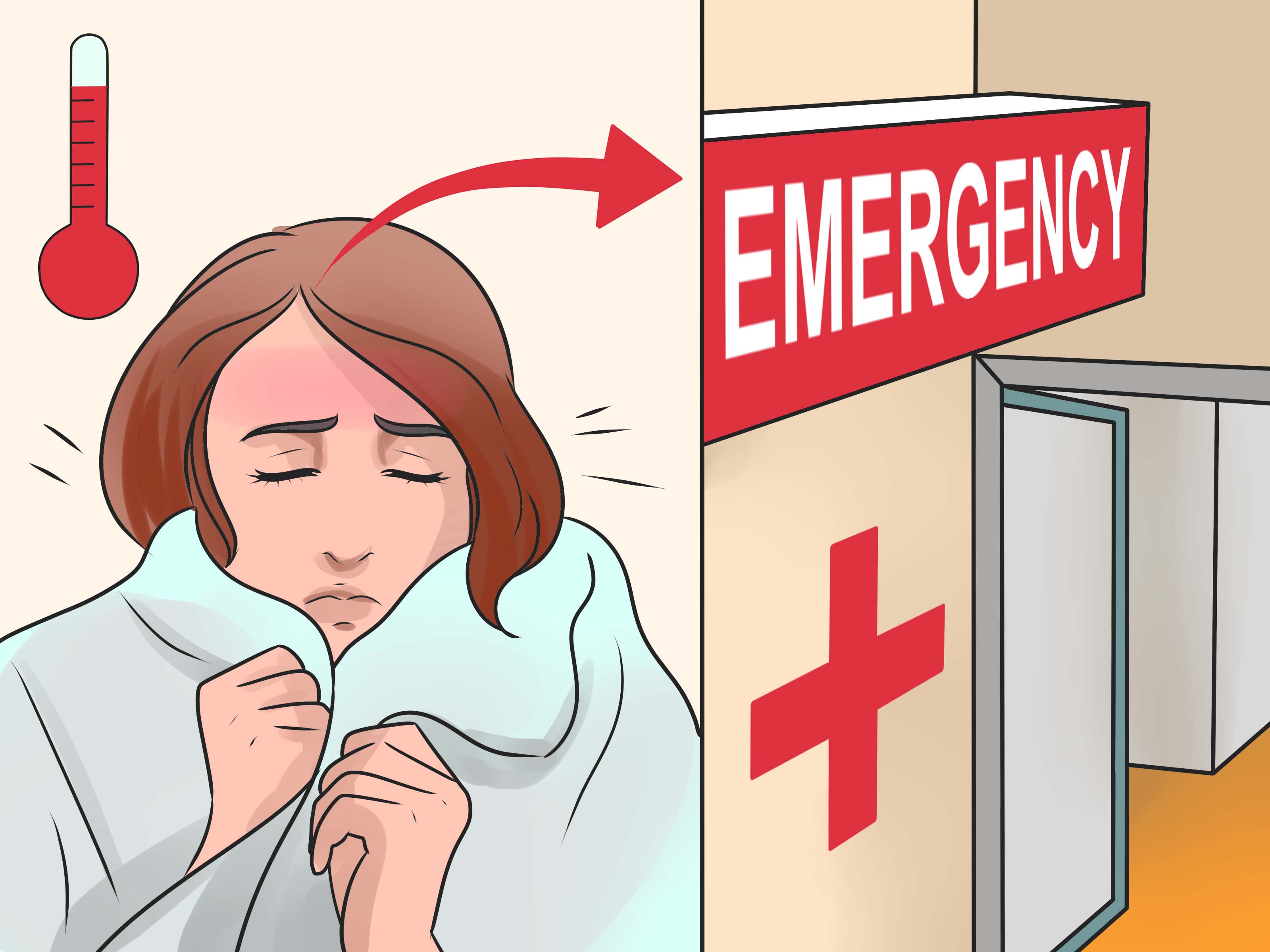
Most mild fevers improve with time and supportive care, but some situations need professional help. Adults should contact a healthcare provider if a fever is very high, lasts more than a few days, keeps rising, or comes with symptoms such as trouble breathing, chest pain, confusion, fainting, severe headache, stiff neck, persistent vomiting, signs of dehydration, rash, severe abdominal pain, or worsening symptoms after initial improvement.
People with chronic medical conditions, weakened immune systems, pregnancy, or recent surgery should be more cautious. Infants, young children, and older adults can become seriously ill faster, so fever guidance for them is more specific. A baby under 3 months with a fever should receive prompt medical evaluation.
Also consider the context. Fever and body aches after known exposure to flu, COVID-19, strep throat, foodborne illness, heat illness, or mosquito- or tick-related disease may require different next steps. When in doubt, asking a clinician is not overreacting. It is simply refusing to play medical roulette with a thermometer.
Common Mistakes That Can Make Fever and Body Ache Worse
Bundling Up Too Much
Chills can make you want to hide under five blankets and a winter coat. A little warmth is fine, but overheating can make discomfort worse. Use layers you can easily remove.
Forgetting Hidden Ingredients in Cold Medicine
Many cold and flu products contain fever reducers, cough suppressants, antihistamines, or decongestants. Taking several products at once can increase the risk of side effects or accidental overdose. Read labels carefully, especially the active ingredients.
Returning to Normal Too Soon
Once fever drops, it is tempting to clean the house, answer every message, and declare yourself reborn. Give your body time. A fever-free morning does not always mean your energy has fully returned. Ease back into normal activity slowly.
of Real-Life Experiences: What Fever and Body Ache Actually Feel Like
Anyone who has had fever and body ache knows the experience is weirdly specific. It is not just “I feel sick.” It is “my elbows have opinions,” “my hair hurts,” and “why does walking to the kitchen feel like a documentary about mountain climbing?” That full-body heaviness can make even small tasks feel dramatic.
One common experience is the temperature roller coaster. You start with chills, put on socks, grab a blanket, and curl up like a burrito. Twenty minutes later, you are too hot and kicking the blanket away like it betrayed you personally. This is when light layers help. Instead of one huge blanket, use a sheet and a light blanket so you can adjust quickly.
Another familiar moment is the hydration struggle. You know you should drink, but water suddenly tastes boring, metallic, or just annoying. A practical trick is to keep several options nearby: water, warm tea, broth, and an electrolyte drink. Small sips count. You do not have to chug a giant bottle like you are training for a camel audition. A few sips every several minutes can be easier on the stomach.
Body aches can also make sleep difficult. You lie on one side, then the other, then your back, then somehow diagonally, as if the mattress has a secret setting you have not discovered. A warm shower before bed, comfortable loose clothing, and a pillow under the knees may help reduce muscle tension. Some people find that a quiet room and low light make the aches feel less overwhelming.
Food is another adventure. During fever, your appetite may disappear, but your body still appreciates gentle support. Soup is popular for a reason: it brings fluid, salt, warmth, and comfort in one bowl. Toast, crackers, rice, bananas, and oatmeal are also easy choices. If you can only manage a few bites, that is still better than forcing a full meal and regretting it.
Caring for someone with fever has its own rhythm. The best helpers do simple things: refill water, check the thermometer, bring medicine only according to the label, keep the room calm, and avoid saying, “Are you still sick?” every ten minutes. Fever does not work on a customer-service timeline. The body needs time.
The biggest lesson from real-life fever episodes is this: comfort care matters. Hydration, rest, safe medicine use, and gentle cooling may sound basic, but basic is powerful when your body is busy fighting. You do not need fancy hacks. You need fluids, sleep, common sense, and the wisdom to call a healthcare professional when symptoms cross the line from “miserable but manageable” to “something is not right.”
Conclusion
Fever and body ache are uncomfortable, but they are often manageable with three smart steps: hydrate and rest, use over-the-counter fever and pain relievers safely, and cool the body gently while watching for red flags. The most effective home care is not dramatic. It is consistent, careful, and practical.
Remember, fever is a symptom, not the whole story. If symptoms are severe, persistent, or unusual, professional medical advice is the right move. Otherwise, give your body what it needs: fluids, rest, gentle comfort, and permission to pause. Your inbox, laundry basket, and unfinished errands can survive without you for a little while. Your immune system is busy doing actual work.