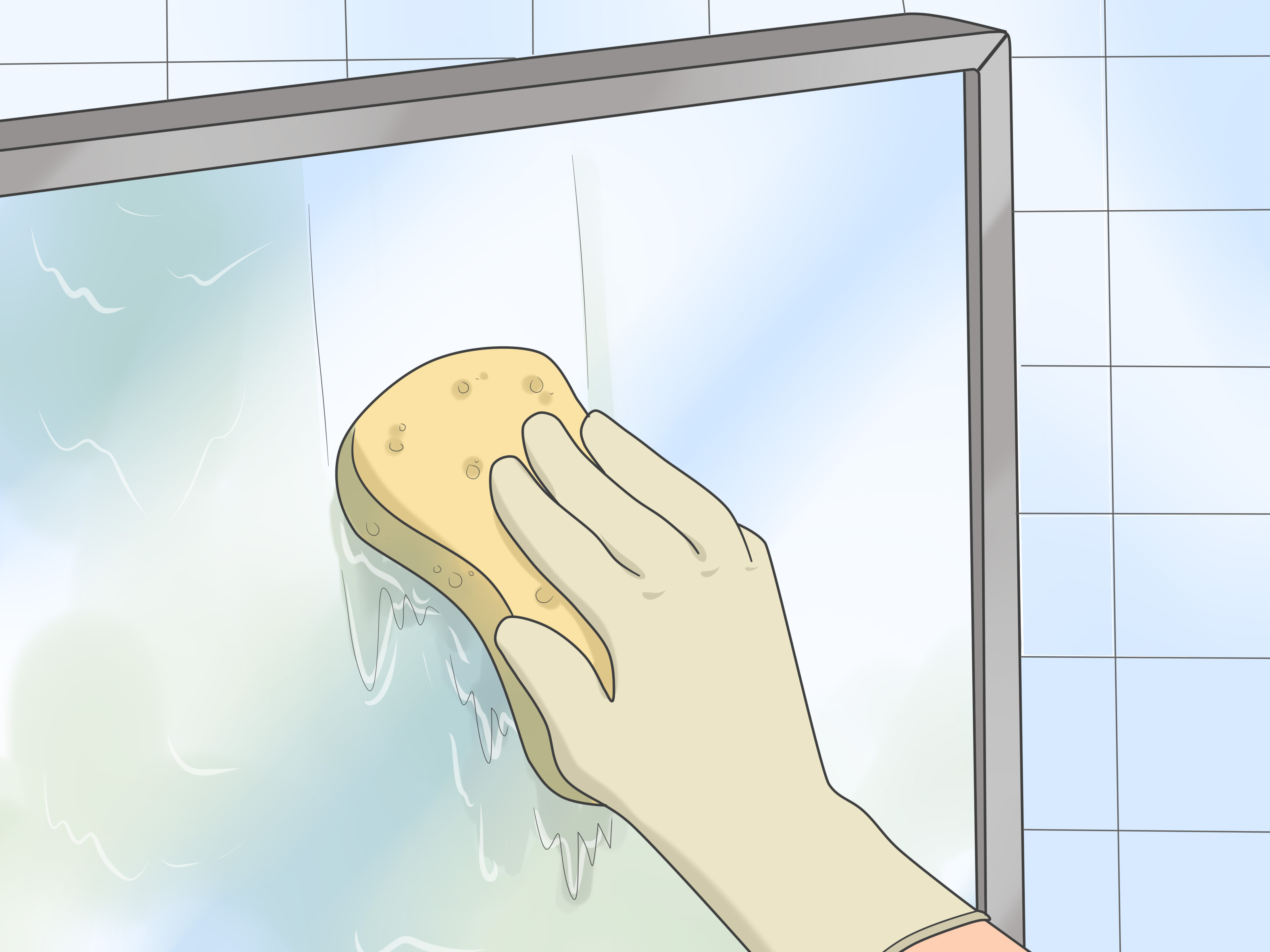
If your shower doors look like they have been frosted by a very rude weather system, hard water is probably the culprit. Those cloudy white streaks and crusty spots are usually mineral deposits left behind when water dries on the glass. Add a little soap scum, a little steam, and a little “I’ll clean it next weekend” energy, and suddenly your bathroom starts looking like it belongs in a low-budget haunted house.
The good news is that removing hard water stains from shower doors is absolutely doable. The better news is that you do not need a chemistry degree, a power buffer, or the emotional strength of a professional housekeeper. In most cases, you can clear the glass with simple pantry staples or a good descaling cleaner, as long as you use the right method and avoid scratching the surface.
In this guide, you will learn three effective ways to remove hard water stains from shower doors, when to use each method, what mistakes to avoid, and how to keep the stains from marching right back in like they pay rent.
Why Hard Water Stains Show Up on Shower Doors
Hard water contains minerals, mainly calcium and magnesium. When water hits your shower doors and evaporates, those minerals stay behind. Over time, they build into a white, chalky, cloudy film. In some homes, the stains can even look yellowish or rusty if iron is in the water supply.
That buildup often teams up with soap scum, which is another bathroom troublemaker. Soap scum is the filmy residue created when soap reacts with minerals in hard water. The result is a stubborn layer that can make glass look dull, streaky, or permanently dirty. If the problem sits too long, the stains can start to etch the glass, which means cleaning gets much harder and the damage may not fully reverse.
Before You Start: Gather the Right Supplies
Before you attack the shower like a cleaning reality-show contestant, get your tools ready. Using the right supplies matters because shower glass can scratch more easily than people think.
- Distilled white vinegar
- Grease-cutting dish soap
- Baking soda
- Spray bottle
- Microfiber cloths
- Soft sponge or non-abrasive scrubber
- Paper towels
- Rubber gloves
- Squeegee
- Optional: commercial hard water remover or descaler safe for glass
Avoid steel wool, razor blades, rough scrub pads, scouring powders, or anything that sounds like it belongs in a workshop instead of a bathroom. Those can scratch the glass or damage special coatings on shower doors.
Method 1: Use Warm Vinegar and Dish Soap for Light to Moderate Buildup
This is the easiest method for regular cleaning and mild to medium hard water stains. It is especially useful when your shower door has a cloudy film instead of thick crusty patches.
How to Do It
- Warm some distilled white vinegar until it is hot, but not boiling.
- Mix equal parts warm vinegar and dish soap in a spray bottle.
- Spray the solution generously over the shower doors.
- Let it sit for about 20 to 30 minutes so it can loosen mineral deposits and soap residue.
- Wipe the glass with a microfiber cloth or soft sponge.
- Rinse thoroughly with warm water.
- Dry the glass completely with a clean microfiber towel.
Why This Method Works
Vinegar is acidic, which helps break down mineral deposits. Dish soap handles the greasy, filmy side of the mess, especially when soap scum is mixed in with the hard water stains. Together, they make a surprisingly strong team. Think of them as the buddy-cop movie of shower cleaning: one dissolves minerals, the other cuts grime, and somehow the bathroom ends up sparkling.
Best Time to Use It
Choose this method when the glass looks dull, hazy, or lightly spotted, but not severely crusted. It also works well as a weekly or biweekly maintenance routine once you get the shower doors clean again.
Helpful Tip
If your shower has natural stone nearby, be careful with vinegar overspray. Acidic cleaners can damage some stone surfaces. Spray carefully, wipe drips fast, and always test a small area first if you are unsure.
Method 2: Try a Vinegar Soak and Baking Soda Polish for Stubborn Stains
If Method 1 barely made a dent, level up to a soak-and-scrub approach. This method is better for stubborn hard water stains that have been camping on your shower doors for weeks or months.
How to Do It
- Warm the vinegar.
- Soak paper towels in the warm vinegar and press them directly onto the stained glass.
- Leave the paper towels in place for 30 to 60 minutes. If they start drying out, spritz them with more vinegar.
- Remove the paper towels.
- Dampen a soft sponge or cloth and sprinkle baking soda onto it.
- Gently scrub the glass in circular motions.
- Rinse well, ideally with clean water or distilled water for a clearer finish.
- Dry and buff the doors with a microfiber cloth.
Why This Method Works
The vinegar soak gives the mineral buildup time to soften. Baking soda adds gentle abrasion, which helps lift the loosened deposits without the harshness of rough scrubbers. This is the method many people end up loving because it feels dramatically satisfying. The paper towels cling to the glass, the stains loosen, and you get to feel like a cleaning genius without buying an expensive gadget you will regret later.
When It Works Best
This method is ideal for older stains, white crusty spots, or shower doors that still look bad after a standard spray-and-wipe cleaning. It is also a smart choice if you want to avoid using a heavy-duty commercial cleaner right away.
What to Watch Out For
Be gentle. Baking soda is much milder than a scouring powder, but there is no prize for scrubbing like you are sanding a deck. Let the cleaner do most of the work. If you scrub aggressively, especially on coated glass, you can do more harm than good.
Method 3: Use a Commercial Hard Water Remover for Heavy Deposits
Sometimes the shower doors are beyond the point where pantry ingredients can solve everything quickly. If the buildup is thick, old, or especially stubborn, a commercial descaler or hard water remover may be the better move.
How to Do It
- Choose a commercial cleaner labeled safe for glass shower doors.
- Read the label carefully before use, especially if your shower includes chrome, fiberglass, acrylic, coated glass, or stone.
- Open a window or turn on the bathroom fan for ventilation.
- Wear gloves.
- Apply the cleaner as directed and allow the recommended dwell time.
- Use a non-abrasive sponge or cloth to loosen the buildup.
- Rinse thoroughly.
- Dry the glass completely.
Why This Method Works
Commercial hard water removers are designed to tackle calcium, lime, and mineral deposits fast. Many are more potent than homemade solutions, so they can save time when the glass looks permanently cloudy. If your shower door has not seen real love since the previous tenant or the previous decade, this is often the most practical option.
When to Choose It
Use a commercial product when:
- Homemade vinegar cleaning is not enough
- The stains are thick and calcified
- You live in an area with very hard water
- You want faster results with less repeated scrubbing
Important Safety Note
Do not mix commercial cleaners with other products. And absolutely do not mix bleach with vinegar or other cleaners. That can create dangerous fumes. If you are using bleach separately to deal with mold or mildew on hard, nonporous surfaces, use it on its own, dilute it as directed, ventilate the room, and rinse thoroughly before switching to any other cleaner.
What Not to Do When Cleaning Shower Glass
Plenty of shower door cleaning disasters start with good intentions and one very bad idea. Skip these mistakes:
- Do not use abrasive pads or bristly brushes. They can scratch the glass and damage coatings.
- Do not use razor blades. They may seem effective, but they can scratch or nick the surface.
- Do not let harsh cleaners sit too long. Some manufacturers warn against long soaking times on shower door surfaces.
- Do not ignore the metal frame and hardware. Hard water spots love those areas too.
- Do not assume every cloudy mark is mold. Hard water stains are usually white or yellowish, soap scum is often white or gray, and mold tends to be darker or slimier.
How to Prevent Hard Water Stains from Coming Back
The best way to clean shower doors is, sadly, to keep them from getting gross in the first place. Prevention is not glamorous, but it is much easier than deep-cleaning crusty glass on a Sunday night.
1. Squeegee After Every Shower
This is the most effective habit. Run a squeegee over the glass after each shower to remove water before minerals dry in place. It takes less than a minute and saves a lot of scrubbing later.
2. Dry the Door with a Microfiber Cloth
If you want extra shine, follow the squeegee with a quick wipe using a microfiber cloth. This also helps prevent streaks on hardware and edges.
3. Spray a Daily Shower Cleaner
Once the doors are already clean, a daily no-rinse shower spray can help prevent hard water stains, soap scum, and mildew from building up again.
4. Improve Airflow
Leave the shower door or enclosure open after use, and run the bathroom fan. Better airflow helps surfaces dry faster and makes the shower less inviting to grime and mildew.
5. Consider a Water Softener or Water-Repellent Treatment
If hard water is a chronic issue in your home, a water softener or shower filter may reduce future mineral deposits. A glass water-repellent treatment can also help water bead up and slide off instead of drying into spots.
6. Switch from Bar Soap if Soap Scum Is a Constant Battle
If your shower doors get filmy fast, liquid body wash may leave less stubborn residue than bar soap in a hard water environment. It is a small change, but sometimes small changes keep the bathroom from looking like a fog machine exploded.
Quick Example Cleaning Plans
Example 1: Mild haze on a frameless glass door. Use the warm vinegar and dish soap spray, wait 20 minutes, wipe, rinse, and dry. Then start a squeegee routine.
Example 2: Thick white spots around the handle and lower corners. Do the vinegar paper towel soak, then polish gently with baking soda. Repeat once if needed.
Example 3: Old, crusty buildup in a busy family bathroom. Use a commercial hard water remover safe for glass, rinse thoroughly, dry, and follow up with a daily spray cleaner and a squeegee habit.
Final Thoughts
Removing hard water stains from shower doors is mostly about matching the method to the mess. For everyday haze, warm vinegar and dish soap usually do the trick. For stubborn spots, a vinegar soak plus baking soda is a strong next step. For heavy mineral buildup, a commercial descaler can save time and frustration.
The real secret, though, is maintenance. Once the glass is clear, keep it that way with a squeegee, good ventilation, and quick touch-up cleaning. That little routine is the difference between “nice shower” and “why does my bathroom look like an aquarium exhibit?”
Extra Experience and Lessons Learned from Cleaning Hard Water Stains on Shower Doors
Anyone who has cleaned a shower door more than once learns the same truth: hard water stains are not just a cleaning problem, they are a timing problem. When I say timing, I mean the difference between wiping the door today and fighting a cloudy mineral fortress next month. Most people do not realize how quickly clear glass can turn milky. One week of skipped maintenance might not look dramatic. A month later, the shower looks like it has privacy glass you definitely did not order.
One common experience is discovering that “glass cleaner” is not enough. A lot of people spray a standard glass cleaner, wipe, stare at the door, and feel personally betrayed when the stains are still there. That is because hard water deposits are not simple fingerprints or dust. They are mineral buildup. Once you understand that, the whole job makes more sense. You stop expecting miracles from a casual spray-and-wipe and start using cleaners that actually target the problem.
Another lesson is that patience beats aggression. Many people scrub too hard too soon. It feels productive, but in reality the soak time matters more. Letting vinegar sit on the stains long enough to loosen the buildup usually gets better results than attacking the door with a rough sponge for five angry minutes. This is especially true on newer shower doors with protective coatings. Gentle tools and a little patience usually win.
There is also the very real experience of cleaning one section of the door and realizing the rest of it was dirtier than you thought. That first clear patch can be inspiring and mildly humiliating at the same time. You suddenly see the contrast between clean glass and cloudy glass, and now you are committed. Congratulations. You live here now. Finish the whole door.
People with kids, roommates, or a heavily used bathroom often notice that the lower half of the shower door gets dirtier faster. That area takes the brunt of splashing, soap residue, and ignored drips. Handles, edges, and the track are also sneaky trouble spots. They collect mineral deposits quietly and then make the entire shower look dirty even after the glass is cleaned.
The biggest long-term lesson is that prevention really does feel easier than cure. A squeegee sounds boring until you compare ten seconds of wiping after a shower to an hour of descaling on the weekend. Once people build the habit, they usually stick with it because the payoff is obvious. The glass stays clearer, the bathroom looks brighter, and the dreaded deep-cleaning session becomes much less frequent.
In other words, the best experience with shower doors is not finding the strongest cleaner on earth. It is finding a method you will actually repeat. The winning routine is the one that fits real life: clean thoroughly, dry the glass, and keep up with simple maintenance before hard water stains turn your shower into a frosted mystery box.