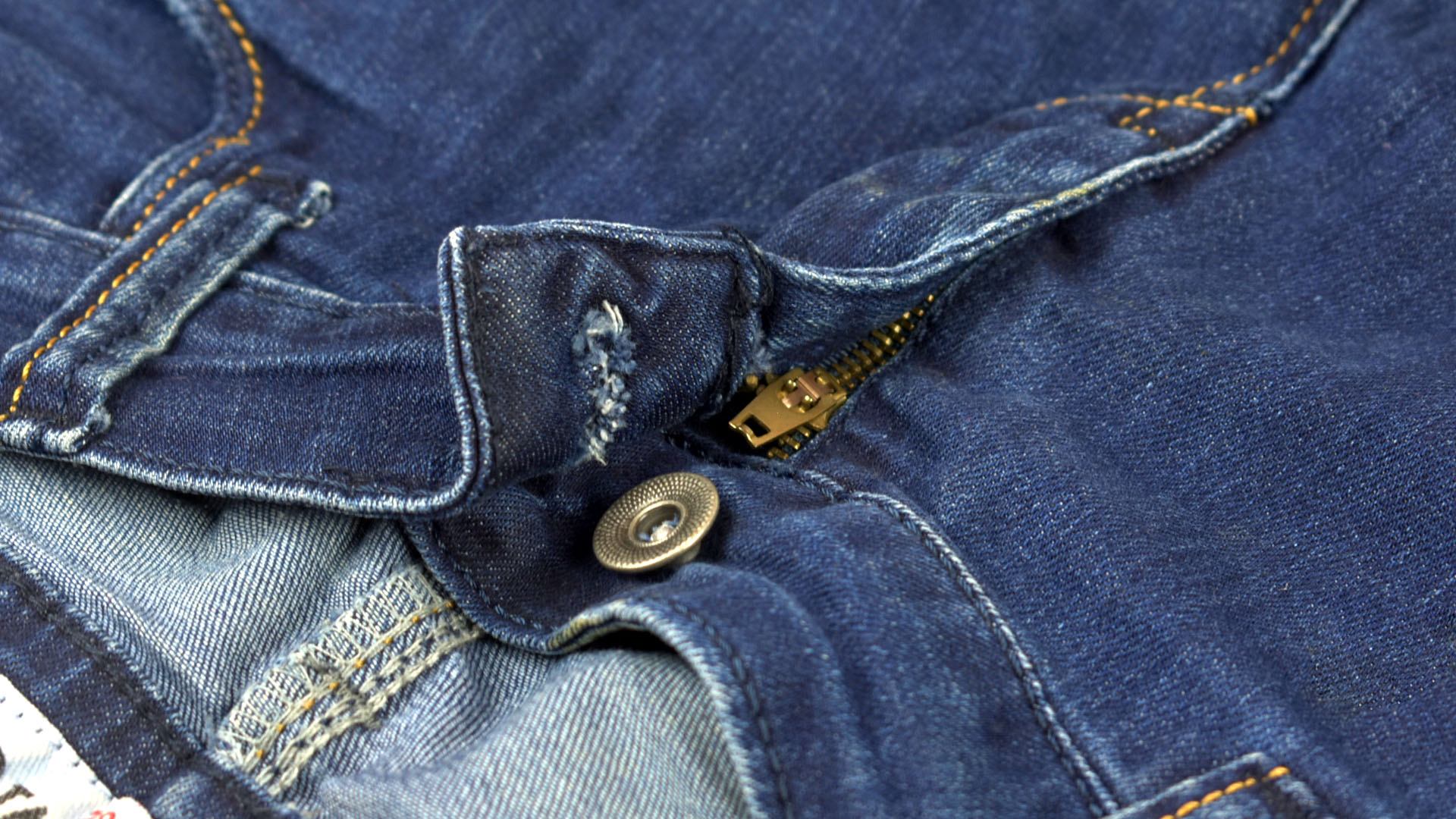
A zipper that unzips itself has a special talent for choosing the worst possible moment. Jeans at the grocery store? Backpack on a crowded bus? Jacket halfway through a windy walk? Fantastic. Apparently, your zipper has decided to pursue independence.
The good news is that most self-unzipping zippers are not hopeless. In many cases, the problem comes down to one of three things: the pull tab is not staying secured, the slider has loosened over time, or the zipper teeth are dirty, worn, misaligned, or under too much tension. You do not always need to replace the entire zipper, and you definitely do not need to retire your favorite jeans just because the fly has become a tiny elevator with no brakes.
This guide explains 3 ways to stop a zipper from unzipping itself, using simple fixes you can try at home. You will learn quick no-sew tricks, how to tighten a zipper slider, when to replace the slider, and how to prevent the problem from coming back. Consider this your peaceful negotiation with a rebellious zipper.
Why Does a Zipper Keep Unzipping Itself?
Before grabbing pliers, key rings, wax, or your “I can fix this” confidence, it helps to understand what is actually happening. A zipper works by using a slider to guide two rows of teeth together. When everything is aligned and the slider has the right amount of pressure, the teeth lock neatly into place. When the slider is loose or the teeth do not engage properly, the zipper can slowly slide open.
On jeans and pants, gravity, movement, and fabric tension are usually the troublemakers. Every time you sit, stand, walk, bend, or dramatically reach for snacks, pressure pulls on the zipper. If the slider no longer grips tightly, it may start creeping downward.
On jackets, bags, tents, cushions, and luggage, the issue may be caused by worn sliders, bent teeth, jammed fabric, dirt, lint, or the wrong type of slider. Some zipper sliders are designed with a locking mechanism, while others are non-locking and can move more easily when the zipper is pulled or stressed.
What You May Need
You will not need a professional sewing studio. For most zipper problems, a few basic household items can help:
- A small key ring, split ring, rubber band, or hair elastic
- Needle-nose pliers or flat-nose pliers
- Tweezers for removing caught fabric or thread
- A graphite pencil, candle wax, zipper lubricant, or dry bar soap
- A replacement zipper slider if the old one is badly worn
- A seam ripper or small scissors if replacement is needed
Start with the simplest solution first. Zipper repair is a lot like troubleshooting Wi-Fi: do not dismantle the house before checking whether the plug is loose.
1. Use a Key Ring, Rubber Band, or Loop to Secure the Pull Tab
The fastest way to stop a zipper from sliding down is to physically anchor the pull tab. This works especially well for jeans, pants, skirts, and shorts with a button above the zipper.
Best For
This method is ideal when the zipper still closes properly but slowly slides down during the day. In other words, the teeth are fine, the garment still fits, and the zipper is simply being sneaky.
How to Do It on Jeans or Pants
- Slide a small key ring, split ring, or elastic hair tie through the hole in the zipper pull.
- Zip your pants all the way up.
- Loop the ring or elastic over the pants button.
- Button your pants as usual, hiding the loop behind the fabric.
Once the loop is attached to the button, the zipper pull cannot move downward. The button becomes a tiny security guard, and the zipper suddenly remembers its job.
How to Make It Look Neat
For jeans, a small metal split ring often looks cleaner than a bulky key ring. For dress pants, a thin clear elastic or dark hair tie may be less noticeable. The goal is to keep the zipper secure without adding a shiny hardware store surprise to your outfit.
If the zipper pull tab is missing, you can temporarily use a paper clip, small cord, or replacement pull. However, if the original pull was part of a locking slider, replacing it properly is smarter. Some locking sliders need the pull tab to engage and release the internal lock.
Pros and Cons
The biggest advantage of this fix is speed. It is cheap, easy, and requires no sewing. You can do it in under a minute. The downside is that it is more of a workaround than a true repair. If the slider is loose or damaged, the zipper may still need attention later.
Think of this method as the duct tape of zipper fixes: useful, reliable, and slightly suspicious if it becomes permanent for five years.
2. Tighten or Replace the Zipper Slider
If a zipper keeps unzipping itself, the slider is often the main suspect. Over time, the slider can spread apart slightly. When that happens, it no longer presses the zipper teeth together firmly enough. The teeth may appear closed at first, but they can separate under pressure.
This problem is common on jeans, jackets, backpacks, tents, luggage, and sleeping bags. The zipper may feel loose, weak, or too easy to move. Sometimes it closes, then opens behind the slider like it is undoing your work just to be rude.
How to Tighten a Zipper Slider
- Zip the zipper up as far as it will go.
- Look closely at the slider. This is the small metal or plastic piece that moves along the teeth.
- Use needle-nose or flat-nose pliers to gently squeeze the top and bottom plates of the slider closer together.
- Squeeze lightly, then test the zipper.
- Repeat in tiny adjustments if needed.
The keyword here is gently. Do not crush the slider like it owes you money. Too much pressure can bend it out of shape, make it jam, or break it completely. Small adjustments are safer and more effective.
When Tightening Works
Tightening the slider works best when the teeth are not broken, the zipper tape is not torn, and the slider is only slightly loose. If the zipper closes normally after a careful squeeze and no longer slides down, congratulations. You have repaired a zipper and earned the right to feel oddly powerful.
When to Replace the Slider
If tightening does not work, the slider may be too worn. Replacing the slider is often better than replacing the entire zipper. This is especially true for jackets, bags, tents, and sleeping bags, where sewing in a brand-new zipper can be time-consuming.
To replace a slider, you usually need to remove the top stop or bottom stop, slide off the old slider, install a matching replacement slider, and attach a new stop. The replacement must match the zipper type and size. Zippers may be metal, molded plastic, or coil, and each type needs a compatible slider.
Locking vs. Non-Locking Sliders
If your zipper keeps sliding down on clothing, consider using a locking slider when replacement is needed. A locking slider has a small mechanism that helps prevent the slider from moving unless the pull tab is lifted or pulled. Non-locking sliders move more freely and may be better for certain bags or gear, but they are not always ideal for pants, pockets, or anything that should stay closed during movement.
If you are repairing jeans, a locking slider is usually the better choice. If you are repairing luggage or outdoor gear, match the original slider style unless you have a specific reason to change it.
3. Clean, Lubricate, and Realign the Zipper Teeth
Sometimes a zipper unzips itself because the slider is not the only problem. Dirt, lint, bent teeth, fabric caught in the zipper, or uneven tension can stop the teeth from locking correctly. A zipper does not need to look dramatic to be misbehaving. Even a tiny thread can turn it into a tiny disaster.
Check for Caught Fabric or Thread
First, inspect both sides of the zipper. Look for lining, loose thread, pocket fabric, or small debris caught near the slider. Use tweezers to gently remove anything trapped. Avoid yanking because that can bend the teeth or tear the fabric tape.
If the zipper is stuck and partially open, gently move the slider backward while easing the fabric out. Patience helps. So does not trying to solve the problem while late for school, work, dinner, or a date. Zippers can sense panic.
Clean the Teeth
For bags, jackets, and outdoor gear, dirt and grit can build up in the zipper teeth. Use a soft brush, dry cloth, or cotton swab to remove debris. On washable items, mild soap and water may help, but always let the zipper dry fully before testing it again.
Use a Dry Lubricant
If the zipper feels rough, rub a graphite pencil along both sides of the teeth. Graphite works as a dry lubricant and can help the slider move smoothly. Candle wax, zipper lubricant, or a small amount of dry bar soap may also help.
Be careful with oily products on clothing. Oils can stain fabric and attract dust. A little lubrication goes a long way. The zipper should glide, not look like it has been marinated.
Realign the Zipper
If the teeth are uneven, bent, or not feeding smoothly into the slider, alignment may be the issue. For minor misalignment, slowly unzip and rezip the item while guiding both sides evenly. For severe misalignment, you may need to remove the slider and reinstall it correctly.
On two-way zippers, such as those on long coats, the lower slider must be seated properly before the zipper will work. If the bottom pin is not fully inserted into both sliders, the zipper may separate or pull open. Take an extra second to line everything up before zipping. Yes, it feels annoying. No, the zipper does not care.
How to Choose the Right Fix
Not every zipper needs the same treatment. Use the symptoms to choose your repair:
- Zipper slides down but teeth stay closed: Use a key ring or elastic loop, then consider a locking slider.
- Zipper closes but opens behind the slider: Tighten the slider carefully or replace it.
- Zipper feels rough or sticks: Clean and lubricate the teeth.
- Zipper separates at the bottom: Check alignment, insertion pin, bottom stop, and slider condition.
- Teeth are missing or badly bent: Replacement is usually the best option.
Common Mistakes to Avoid
Do Not Over-Squeeze the Slider
A tiny squeeze can help. A dramatic squeeze can ruin the slider. Test after each adjustment.
Do Not Force a Stuck Zipper
If fabric is caught, forcing the slider can tear the fabric or bend the teeth. Work slowly and gently.
Do Not Use Too Much Oil
Oil may loosen a zipper, but it can also stain fabric and collect dirt. Dry lubricants are safer for most clothing.
Do Not Ignore Fit and Tension
If a pants zipper keeps opening because the garment is under heavy tension, the zipper may not be the only issue. A slider fix can help, but reducing strain on the zipper will help it last longer.
How to Prevent a Zipper from Unzipping Again
Once you repair the zipper, a little prevention can keep the problem from returning. Close zippers before washing clothes or bags, because open zippers can twist and snag. Avoid pulling at an angle. If a zipper resists, stop and check for fabric instead of forcing it.
For jeans and pants, make sure the zipper pull tab lies flat after zipping. Many locking sliders engage better when the pull is folded downward. For jackets and bags, keep the teeth clean and avoid overstuffing pockets or compartments. A backpack zipper can only handle so much before it starts filing a complaint.
of Real-Life Experience: What Actually Works Best?
After dealing with plenty of stubborn zippers on jeans, jackets, backpacks, sofa cushion covers, and travel bags, the biggest lesson is simple: the “best” fix depends on whether you need an emergency solution or a real repair. Those are not the same thing.
For pants, the key ring or elastic loop trick is the most practical emergency fix. It is fast, discreet, and surprisingly dependable. I have seen people use a tiny split ring from an old keychain and forget it was even there. Once the ring is looped over the button, the zipper stays up all day. It is not glamorous, but neither is checking your fly every 12 minutes like you are in a spy movie.
However, that trick does not actually repair the zipper. If the slider is loose, the problem will still exist. The loop simply stops the slider from traveling downward. For a pair of jeans you wear constantly, tightening the slider is usually worth trying. The key is to make the smallest adjustment possible. A gentle press with pliers can restore enough grip for the zipper teeth to hold. Too much force, though, can make the slider jam. This is where confidence must be politely supervised.
On bags and jackets, cleaning is more important than people think. A zipper that keeps opening may look broken, but sometimes the teeth are just dusty, gritty, or slightly clogged with fibers. Backpacks collect crumbs, lint, sand, and mysterious pocket fossils. A quick brushing and a little graphite from a pencil can make the zipper move smoothly again. If the slider glides cleanly, it is less likely to tug unevenly and separate.
For outdoor gear, replacement sliders are often the most satisfying fix. Tents, sleeping bags, and heavy jackets put a lot of stress on zippers. When the slider is worn, temporary tricks may buy time, but a matching new slider can make the zipper feel almost new. The challenge is choosing the correct size and type. A #5 coil zipper slider is not the same as a #5 molded tooth slider, and guessing can lead to frustration. When in doubt, check the markings on the old slider or compare it with the zipper style before buying a replacement.
One small habit also helps: slow down when zipping. Most zipper damage happens when someone pulls hard at a bad angle. If fabric gets caught, stop immediately. Back the slider up, free the fabric, and try again. This feels slower in the moment, but it is much faster than replacing a zipper because impatience won a five-second battle.
The most reliable long-term approach is a combination: use a loop for immediate security, tighten or replace the slider for actual repair, and keep the teeth clean so the zipper does not struggle. That trio handles most self-unzipping zipper problems without sewing, drama, or throwing perfectly good clothing into the donation pile.
Conclusion
A zipper that keeps unzipping itself is annoying, but it is usually fixable. Start with the simplest method: secure the pull tab with a key ring, rubber band, or loop. If the zipper still behaves badly, inspect the slider and gently tighten it with pliers. If the slider is too worn, replace it with the right size and type. Finally, clean, lubricate, and realign the teeth so the zipper can close smoothly and stay closed.
With a few basic tools and a little patience, you can stop a zipper from sliding down, rescue your favorite jeans, extend the life of a jacket, and keep your backpack from opening at the exact moment gravity feels dramatic. The zipper may be small, but fixing it feels like a household victory. Take the win.