Hives are the skin’s way of being dramatic. One minute your skin is minding its own business, and the next it’s hosting a surprise pop-up event of itchy, raised welts that seem to appear, vanish, and reappear like they’re late for a magic show. If you’ve ever dealt with hives, you know the itch can go from “mildly annoying” to “please remove my skin and reboot it” in record time.
The good news is that many mild cases of hives can be soothed at home. The less-good news is that “natural” does not mean “do literally anything from the internet and hope for the best.” When it comes to urticaria, the smart approach is simple: calm the skin, avoid whatever is stirring up the flare, and know when the situation has left home-remedy territory.
This guide walks through three natural ways to treat hives, plus what causes them, what to avoid, and when it’s time to stop Googling and call a medical professional. The goal is not to promise a miracle cure. The goal is to help your skin chill out without turning your bathroom cabinet into a chemistry experiment.
What Are Hives, Exactly?
Hives, also called urticaria, are raised, itchy welts that can be red, pink, or skin-toned. They may be tiny, enormous, round, odd-shaped, or clustered together into larger patches. A classic hive often shows up fast, itches like crazy, and may fade within hours, only to show up somewhere else later. In other words, hives are rude and unpredictable.
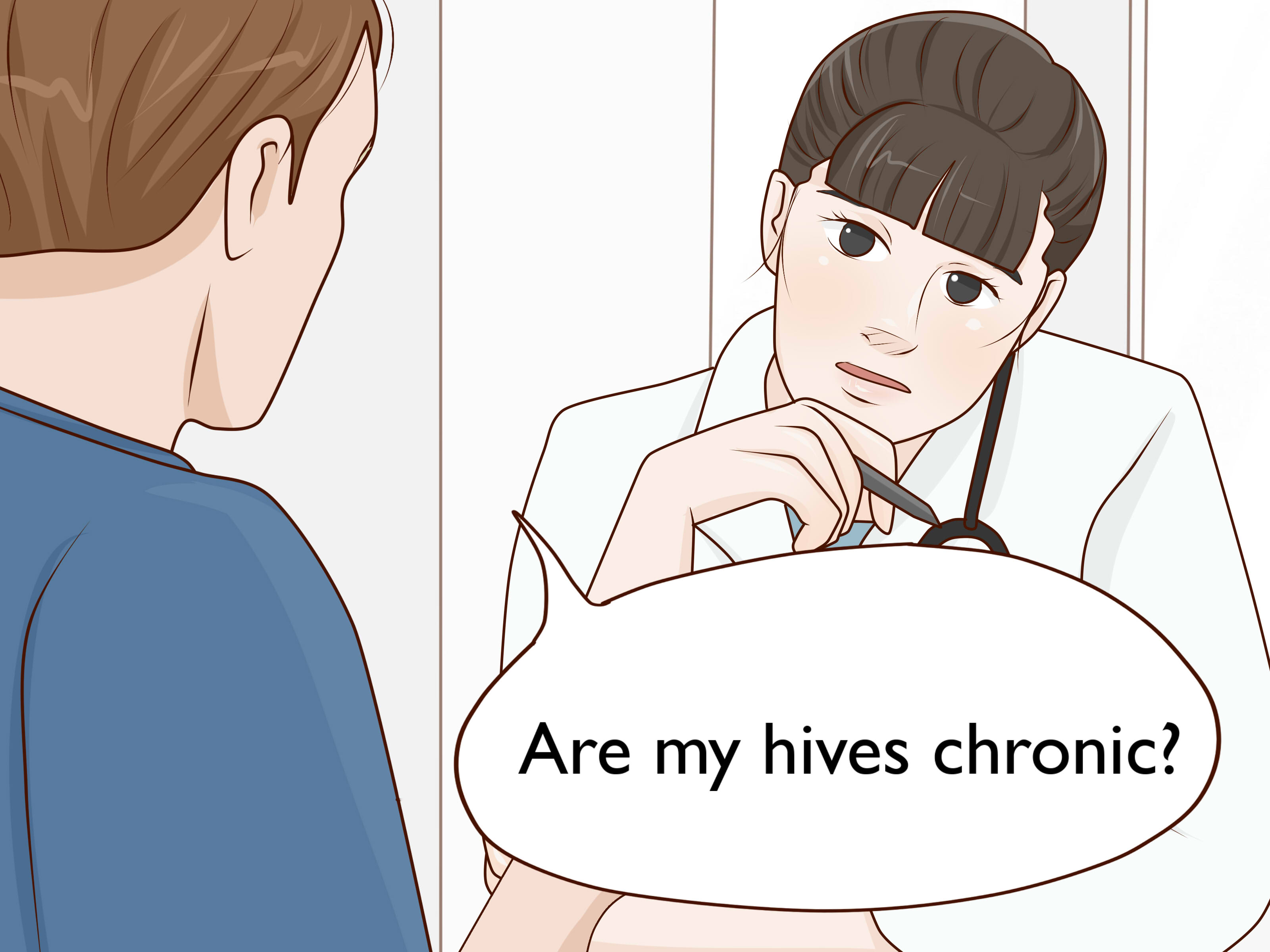
They can be triggered by all kinds of things, including food allergies, medications, infections, insect stings, heat, cold, pressure, stress, sweating, or skin irritation. Sometimes the trigger is obvious. Sometimes it’s as mysterious as that one sock that vanishes in the dryer. Acute hives usually clear within days or weeks. If they keep returning or last more than six weeks, they are generally considered chronic and deserve medical evaluation.
Before You Go Full Natural: Know the Red Flags
Natural care is for mild, uncomplicated hives. It is not appropriate if hives come with:
- swelling of the lips, tongue, face, or throat
- trouble breathing or swallowing
- dizziness, faintness, or a racing heartbeat
- vomiting, wheezing, or signs of a severe allergic reaction
If any of those symptoms happen, get urgent medical help right away. That’s not the moment for cucumber slices, herbal tea, or optimistic thinking.
Way #1: Cool the Skin Down and Stop the Itch Spiral
If your skin feels like it’s staging a fiery protest, your first natural move is to lower the temperature. Hives tend to feel worse when skin gets hot, sweaty, or irritated. Cooling the skin can reduce the sensation of itch and make the flare feel less intense.
Use a cool compress
This is the low-effort, high-payoff strategy. Wet a clean washcloth with cool water, wring it out, and place it over the itchy areas for 10 to 20 minutes. It’s simple, cheap, and refreshingly unglamorous. You do not need expensive tools. Your sink and a washcloth can still be heroes.
Apply the compress a few times a day as needed. Coolnot ice-coldis usually best. If very cold temperatures seem to trigger your hives, skip this method or keep the cloth only mildly cool. Some people have cold-induced hives, and that twist is about as unfair as it sounds.
Choose lukewarm, not hot
A steaming hot shower may sound comforting, but hot water often makes itching worse. Stick with a lukewarm shower or bath instead. Think “pleasantly warm,” not “lobster preparation zone.” After bathing, pat the skin dry rather than rubbing it like you’re buffing a car.
Try a soothing skin routine
Natural treatment works best when it is boring. Fragrance-free products, gentle cleansers, and a minimalist skin routine often help more than heavily scented “spa” products. If your skin is irritated, skip perfumed body sprays, essential oil blends, harsh exfoliants, and anything that makes your skin tingle in a way that seems suspicious.
A bland, fragrance-free moisturizer can also help reduce the extra irritation that comes from dryness and scratching. It won’t cure hives, but it may make your skin less cranky overall.
What this helps with
Cooling strategies are especially helpful when hives flare after exercise, hot showers, warm weather, stress sweating, or general skin irritation. They are not glamorous, but they are one of the most practical natural remedies for hives because they directly target the itch-heat cycle that makes a flare feel worse.
Way #2: Remove Triggers Like a Skin Detective
The second natural approach is not a cream or a kitchen ingredient. It’s trigger avoidance. If something is provoking the hives, removing it can be more effective than any soothing trick you try afterward.
Start with the obvious suspects
Ask yourself what changed in the last day or two. Common culprits include:
- new foods or supplements
- pain relievers or other medications
- a recent infection or virus
- new soap, lotion, perfume, or laundry detergent
- tight clothing, rough fabrics, or friction
- heat, sweating, exercise, cold, or pressure on the skin
- stress or lack of sleep
Sometimes the problem is not a classic allergy at all. In some people, heat, pressure, scratching, or even a waistband that thinks it’s a boa constrictor can trigger hives. That is why “natural treatment” often starts with changing your environment, not your medicine cabinet.
Dress like your skin deserves peace
Loose, breathable clothing is your friend. Cotton is often a safer bet than rough or clingy fabrics during a flare. Tight leggings, scratchy sweaters, and anything that rubs or traps heat can make itching worse. This is one of those rare moments in life when wearing roomy clothes counts as responsible health management.
Pause the irritating extras
If you’re flaring, now is not the time to trial a new body scrub, tropical body mist, or detergent that smells like “volcanic moonflower thunder.” Keep products simple and unscented. Avoid hot tubs, very hot showers, and anything else that leaves your skin flushed and annoyed.
Keep a short hives diary
If hives keep happening, write down:
- when the hives started
- what you ate
- medications or supplements taken
- exercise, heat exposure, or stress levels
- new skin products, detergents, or fabrics
You do not need to become a full-time epidemiologist. A few clear notes can reveal patterns, especially if your hives pop up after workouts, spicy meals, certain medicines, or stressful days. If you end up seeing a doctor, this diary can be surprisingly useful.
What this helps with
Trigger avoidance is one of the best home remedies for hives because it addresses the “why” behind the itch. If a flare is being fueled by heat, friction, a medication, or a skin irritant, finding that pattern can reduce repeat episodes and save you from playing whack-a-mole with symptoms.
Way #3: Protect the Skin Barrier and Stop the Scratch-Rebound Cycle
Here’s the trap: hives itch, so you scratch. Scratching irritates the skin, which can make the itch worse. Then you scratch more. Congratulations, you’ve entered the least fun loop in dermatology.
The third natural strategy is to reduce skin irritation and help the skin barrier recover. That won’t “cure” hives by itself, but it can make a flare shorter, less miserable, and less likely to spiral.
Don’t scratchseriously
Yes, this advice is annoying. Yes, it is still good advice. Scratching can intensify inflammation and, in some people, even provoke more welts. Try pressing gently on the itchy area instead of clawing at it like a raccoon opening a trash can.
Keeping nails short can help, especially at night when people often scratch in their sleep without realizing it. If the itch is keeping you awake, that’s important information too. Sleep disruption is a clue that the flare may need more than natural care alone.
Keep skin care simple
When your skin is reactive, less is more. Use a gentle cleanser, skip fragrances, and apply a plain moisturizer after bathing if dryness is adding to the irritation. If a “natural” product burns, stings, or has a long list of plant extracts that sound like a rainforest roll call, set it aside. Natural ingredients can still irritate sensitive skin.
Make your environment less irritating
Keep rooms cool if possible. Avoid overheating in bed. Change out of sweaty clothes promptly. Wash bedding and clothing in fragrance-free detergent if you think laundry products may be part of the problem. Small environmental changes can make a bigger difference than flashy remedies.
Support your body’s recovery
No, hydration is not magic. Neither is stress reduction. But both can matter. When you’re overtired, overheated, or stressed out, your skin may feel more reactive. Rest, hydration, and a calm routine won’t erase hives on command, but they can reduce the chaos around a flare.
Try a few low-drama habits: drink water regularly, keep your bedroom cool, avoid overdressing, and build in a little downtime when stress is clearly making symptoms worse. Your skin may not send a thank-you card, but it might stop yelling.
What About Oatmeal, Aloe, and Other “Natural” Remedies?
Many people wonder about colloidal oatmeal baths, aloe vera gel, herbal teas, or supplement-based fixes. Some of these may feel soothing for certain people, especially if the main problem is itch. But they are not equally supported, and they are not risk-free. Even plant-based products can trigger irritation or allergies.
If you try a natural product, keep it simple and patch test carefully. Do not pile five new remedies onto already angry skin and then act surprised when your body files a complaint. The safest natural approach is usually basic: cool compresses, trigger avoidance, gentle skin care, and time.
When Natural Treatment Is Not Enough
Let’s be honest: sometimes hives need more than a cool cloth and a pep talk. If your hives are severe, frequent, or lingering, medical treatment may be necessary. Many clinicians recommend antihistamines as first-line treatment for uncomplicated hives because they target the histamine-driven itch and swelling directly.
You should seek medical care if:
- your hives keep returning without a clear reason
- they last more than a few days and aren’t improving
- they recur for weeks or last more than six weeks
- you suspect a food or drug allergy
- you also have swelling, wheezing, faintness, or throat symptoms
Chronic hives are a different beast. In many cases, the cause is not obvious, and people may need a structured treatment plan rather than endless detective work with body wash and laundry soap. If your hives have become a recurring roommate, it’s time to bring in a professional.
How to Build a Simple At-Home Hives Routine
If you want a practical plan, here’s a calm, sensible routine for a mild flare:
- Move to a cooler environment and stop any activity that is making you hot or sweaty.
- Apply a cool compress for 10 to 20 minutes.
- Take a lukewarm shower if you need one; avoid hot water.
- Put on loose, breathable clothing.
- Skip fragrances, harsh products, and anything new.
- Write down possible triggers if this is not your first episode.
- Watch for red-flag symptoms and seek urgent care if they appear.
That routine is not flashy, but neither is a fire extinguisher. It just works best when things are overheating.
Extra Experiences: What Hives Often Feel Like in Real Life
One reason people search for how to treat hives naturally is that hives often show up in the middle of ordinary life and feel weirdly personal. A flare might start during a stressful school week, after a workout, after a hot shower, or after trying a “gentle” new skin product that turned out to be gentle only in its own imagination. The experience is often the same: confusion first, then itching, then a quick mental inventory of everything you ate, wore, touched, or accidentally offended in the universe.
Many people describe the first episode as unsettling because the welts move around. A patch on the arm fades, then one appears near the waist, then another shows up on the legs. That pattern can make the rash feel mysterious or even alarming. In real life, this is when people often discover that the simplest things help the most: stepping out of the heat, changing into loose clothes, and using a cool compress instead of scratching until the skin feels even angrier.
Another common experience is realizing that friction matters more than expected. Someone wears a tight waistband, carries a heavy bag against one shoulder, or spends the day sweating in fitted athletic wear, and the skin responds like it has taken a personal insult. In those cases, the “natural treatment” is not exotic at all. It is changing clothes, cooling down, and giving the skin a break from pressure. Glamorous? No. Effective? Often, yes.
People with recurring hives also talk about the detective phase. They start noticing patterns: flare-ups after poor sleep, after a stressful argument, during hot weather, after taking certain pain relievers, or after using heavily fragranced laundry products. Keeping a short symptom diary may feel a bit extra at first, but it can turn random misery into useful information. Instead of saying, “My skin hates me,” a person may realize, “My hives show up every time I overheat after exercise,” which is a much more actionable plot twist.
There is also the emotional side. Hives are itchy, yes, but they can also be embarrassing and distracting. People may feel self-conscious at work, in class, at the gym, or on a date when their skin suddenly decides to become the main character. That frustration is real. It helps to remember that a flare does not always mean something dangerous is happening. Sometimes the body is simply reacting in a temporary, dramatic, histamine-filled way.
Still, many people say the biggest relief comes from learning the line between “annoying but manageable” and “time to get medical help.” Once you know that mild hives can often be soothed with cooling, trigger avoidance, and gentle carebut that breathing issues, throat swelling, faintness, or ongoing symptoms need prompt attentionyou feel less helpless. And that alone can make the next flare a little less scary, a little less chaotic, and a lot easier to handle.
Conclusion
When hives show up, the most effective natural strategy is usually not a miracle ingredient. It is a calm, practical response: cool the skin, avoid triggers, and protect your skin from extra irritation. These steps can help many mild cases feel more manageable and may even shorten the drama.
But remember: natural care has limits. If symptoms are severe, persistent, or tied to swelling or breathing trouble, get medical help. Your skin may enjoy improvising, but your safety plan should not.