Some friendships are built on trust, loyalty, and shared snacks. Others are built on calmly accusing your best friend of being a shapeshifting alien because they “walked weird near the generator.” Welcome to the glorious chaos of social deduction games, where every smile is suspicious, every silence is evidence, and the phrase “I swear it wasn’t me” has the legal strength of a wet napkin.
The best social deduction games to play with friends turn ordinary game night into a courtroom drama, mystery thriller, comedy roast, and psychological experiment all at once. Whether you prefer digital hits like Among Us, deep tabletop masterpieces like Blood on the Clocktower, fast card games like Coup, or party-friendly bluffing games like Spyfall, this genre has something for every group size, attention span, and tolerance for betrayal.
Below is a carefully organized guide to more than 30 of the best social deduction games, including tabletop games, online multiplayer games, hidden-role party games, and deduction-adjacent picks that are perfect for groups who enjoy bluffing, reading body language, and dramatically pointing across the table like a detective in a low-budget crime show.
What Makes a Great Social Deduction Game?
A strong social deduction game does more than hand one player a secret villain card and tell everyone else to panic. The best ones create interesting information gaps. Some players know a little. Some players know too much. Some players know nothing but speak with suspicious confidence anyway, which is honestly half the fun.
Great hidden role games usually have three key ingredients: secret objectives, meaningful conversation, and memorable consequences. A good round should make players ask questions, form theories, defend themselves, and occasionally regret trusting someone named “DefinitelyNotTheWerewolf.” The magic comes from interaction, not just rules. The game gives the structure, but your friends provide the chaos.
Quick Picks: Best Social Deduction Games by Group Type
| Best For | Recommended Game | Why It Works |
|---|---|---|
| New players | One Night Ultimate Werewolf | Fast, funny, easy to reset after bad guesses |
| Large groups | Blood on the Clocktower | Deep roles, dramatic discussions, dead players still matter |
| Online friends | Among Us | Simple rules, cross-platform appeal, instant chaos |
| Serious bluffers | The Resistance: Avalon | No elimination, tense mission voting, strong strategy |
| Comedy groups | Fakin’ It | Physical prompts and awkward lying create instant laughs |
| Horror fans | Deceit 2 | Social deduction mixed with survival horror tension |
Best Digital Social Deduction Games
1. Among Us
Among Us remains one of the most recognizable social deduction games in the world for a reason. Crewmates complete tasks while Impostors sabotage, eliminate, and lie through their adorable little space helmets. It is easy to learn, quick to replay, and perfect for groups that enjoy loud meetings filled with terrible alibis.
2. Among Us 3D
Among Us 3D takes the classic formula and puts it into a first-person 3D environment. The result feels more immersive and, frankly, more stressful. Walking down a hallway becomes a full emotional journey when your friend is quietly following you like a suspicious Roomba.
3. Goose Goose Duck
Goose Goose Duck is a silly, role-heavy social deduction game where geese, ducks, and other bird-based troublemakers compete with different objectives. It is especially good for players who like Among Us but want more roles, more chaos, and more reasons to shout, “That goose is lying!”
4. Town of Salem 2
Town of Salem 2 is ideal for players who love classic Mafia or Werewolf but want a digital version with many roles, factions, and night actions. It rewards careful note-taking, sharp accusations, and the ability to sound innocent while absolutely not being innocent.
5. Project Winter
Project Winter blends survival gameplay with social deception. Most players gather resources and repair objectives, while traitors sabotage the group and try to prevent escape. The snowy setting adds pressure because nothing says friendship like freezing together while wondering who poisoned the campfire vibes.
6. Deceit 2
Deceit 2 mixes horror, survival, and social deduction. Players must investigate, escape, and determine who among them is secretly dangerous. It is a strong pick for groups who want a darker atmosphere and do not mind their trust issues arriving with jump scares.
7. First Class Trouble
In First Class Trouble, players work aboard a luxury space cruiser where killer robots disguised as humans attempt to sabotage the group. It is stylish, dramatic, and very good at making everyone look suspicious in formalwear.
8. Unfortunate Spacemen
Unfortunate Spacemen is a first-person multiplayer game about space workers, rescue missions, and one very unpleasant shapeshifting monster. It leans more action-heavy than some deduction games, making it a good choice for players who want both investigation and panic shooting.
9. LOCKDOWN Protocol
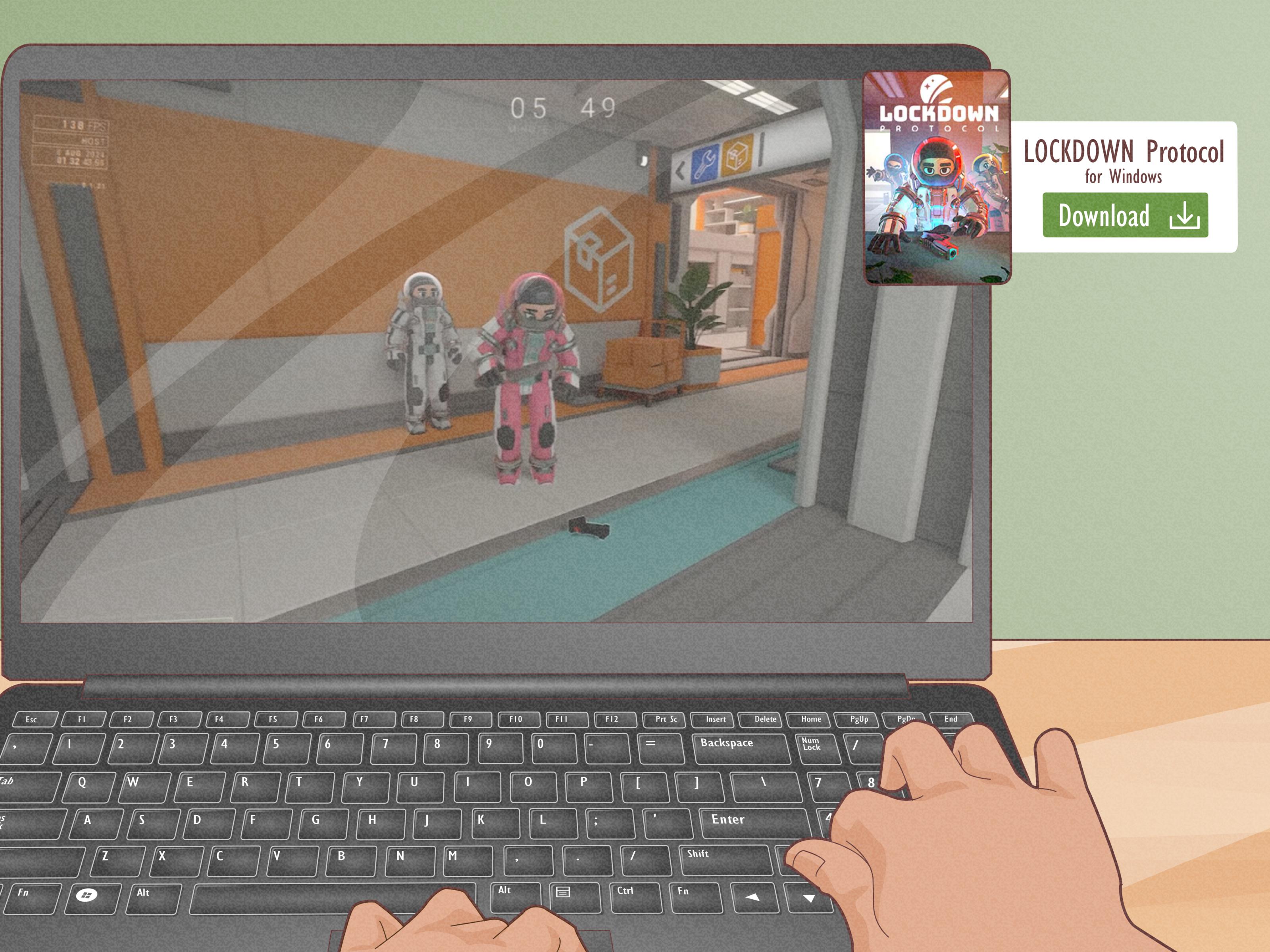
LOCKDOWN Protocol combines real-time objectives, first-person movement, and hidden dissidents trying to stop the team from succeeding. It works well for groups that like active gameplay instead of sitting around a table politely accusing Grandma of treason.
10. Dale & Dawson Stationery Supplies
This office-themed social deduction game turns workplace productivity into comedy warfare. Some players complete tasks, while slackers try to look busy and avoid getting fired. It is basically corporate life, but with clearer rules and somehow fewer emails.
11. Trouble in Terrorist Town
Trouble in Terrorist Town, commonly known as TTT, is a classic hidden-role mode where innocent players must identify traitors before they are eliminated. It is chaotic, unpredictable, and best with friends who can laugh after being falsely accused for “standing near a barrel suspiciously.”
Best Tabletop Social Deduction Games
12. Blood on the Clocktower
Blood on the Clocktower is one of the richest social deduction experiences available. Players receive unique roles, the Storyteller guides the game, and even eliminated players continue participating. It is excellent for large groups and serious game nights where everyone wants mystery, drama, and just enough confusion to feel alive.
13. The Resistance
The Resistance is a clean, elegant hidden-role game about rebels and spies. There is no player elimination, so everyone stays involved until the end. The game revolves around mission teams, voting, trust, and the horrifying realization that your most reasonable friend may be the biggest liar at the table.
14. The Resistance: Avalon
Avalon builds on The Resistance with Arthurian roles like Merlin and the Assassin. The added character powers create deeper layers of deduction. It is one of the best social deduction board games for groups that enjoy strategy, careful speech, and dramatic medieval betrayal without needing actual chainmail.
15. Secret Hitler
Secret Hitler is a political hidden-role game for groups that enjoy debate, suspicion, and intense voting rounds. Players are divided into secret teams, and the table must figure out who is advancing a dangerous agenda. It is tense, clever, and best played with people who understand that accusations stay inside the game.
16. One Night Ultimate Werewolf
One Night Ultimate Werewolf condenses the classic werewolf formula into a short, energetic round with no moderator required. Every player gets a role, weird things happen at night, and then everyone has a few minutes to figure out who is lying before the vote. Fast, funny, and highly replayable.
17. Ultimate Werewolf
Ultimate Werewolf is a bigger version of the classic village-versus-werewolves formula. It supports larger groups and many roles, making it great for parties, camps, classrooms, and gatherings where people are weirdly excited to shout “Werewolf!” at a cousin.
18. Mafia
Mafia is the old-school ancestor of many modern social deduction games. Players are secretly assigned as town members or mafia, and the group must identify the killers through discussion and voting. It requires almost no components, which makes it perfect for spontaneous play.
19. Spyfall
Spyfall gives most players the same secret location while one player is the spy. Everyone asks questions to identify the spy without revealing the location too clearly. It is simple, hilarious, and surprisingly tricky when someone asks, “What shoes would you wear here?” and your brain leaves the building.
20. Deception: Murder in Hong Kong
This deduction game gives one player the role of murderer, while a forensic scientist provides silent clues. The investigators must interpret evidence and identify the killer. It is excellent for groups who like mystery-solving with a social deduction twist.
21. Coup
Coup is a fast bluffing card game where players claim character powers, challenge lies, and try to be the last one standing. It is small, portable, and wonderfully mean in the best possible way. Every turn is a tiny poker match with fake royalty.
22. The Chameleon
In The Chameleon, everyone knows the secret word except one player. The group gives clues, then tries to detect who is faking knowledge. It is quick, accessible, and perfect for players who enjoy word games with a side of paranoia.
23. Insider
Insider combines 20 Questions with hidden-role deception. Players try to guess a secret word, but one player secretly knows the answer and must guide the group without being exposed. It is small, clever, and easy to teach.
24. Werewords
Werewords is another word-based hidden-role game where the village tries to guess a magic word while werewolves quietly interfere. It is especially good for families and mixed-experience groups because the core action is familiar but the hidden roles add spice.
25. Two Rooms and a Boom
Two Rooms and a Boom splits players into two rooms and gives everyone hidden roles. Leaders exchange players between rooms, and the goal depends on whether key characters end up together. It is one of the best large-group social deduction games because it gets people moving and negotiating.
26. Saboteur
Saboteur is a card game about dwarves digging tunnels while hidden saboteurs quietly ruin everything. It is lighter than many hidden-role games, making it a strong choice for casual groups that want betrayal without a rulebook the size of a tax document.
27. Good Cop Bad Cop
Good Cop Bad Cop gives players hidden alignment cards and weapons, creating a tense standoff of deduction and bluffing. It is compact, interactive, and great for players who enjoy social deduction with direct actions.
28. Crossfire
Crossfire is a quick hidden-role game where players must identify threats and protect key characters under time pressure. It creates fast rounds and sharp decisions, ideal for groups that like deduction but do not want a long session.
29. Hail Hydra
Hail Hydra brings hidden-role tension into a comic-book team setting. Players work together to defeat villains, but secret Hydra agents undermine the mission. It is a good pick for groups who like superhero flavor with their suspicion.
30. Feed the Kraken
Feed the Kraken is a nautical hidden-role game where sailors, pirates, and cultists steer a ship toward very different destinations. It is dramatic, thematic, and full of negotiations that make every navigation decision feel like a group therapy session on a cursed boat.
31. The Thing: Infection at Outpost 31
Inspired by the classic sci-fi horror film, this game places players at an Antarctic outpost where one or more people may be infected. It is ideal for fans of cinematic tension, hidden infection, and the phrase “I am absolutely still human,” which is never comforting.
32. Night of the Ninja
Night of the Ninja is a fast hidden-role game with teams, secret abilities, and quick elimination. It is easier to teach than many larger social deduction games and works well when you want several short rounds instead of one giant investigation.
33. Salem 1692
Salem 1692 uses cards, accusations, and hidden witch roles to create a tense historical-themed deduction game. It is atmospheric and accessible, especially for groups who enjoy dramatic reveals and table talk.
34. A Fake Artist Goes to New York
This drawing game gives everyone the same prompt except the fake artist. Players draw one line at a time and try to spot who does not know what the group is drawing. It is wonderfully awkward, especially when the fake artist accidentally contributes the best line.
35. Detective Club
Detective Club blends surreal image cards with hidden-role deduction. Most players know the secret word, while one player must improvise convincing explanations. It is creative, beautiful, and excellent for groups that like storytelling more than shouting.
36. Bang! The Dice Game
Bang! The Dice Game is not pure social deduction, but its hidden roles, quick turns, and wild-west shootouts make it a great adjacent pick. Players know the Sheriff, but everyone else’s loyalty is uncertain. That means every helpful action might be friendshipor a setup with cowboy boots.
How to Choose the Right Social Deduction Game
Choosing the right game depends on your group more than the box art. For casual players, start with Spyfall, The Chameleon, One Night Ultimate Werewolf, or Fakin’ It. These games are easy to teach and create laughs quickly. For strategic groups, go with Avalon, The Resistance, Blood on the Clocktower, or Feed the Kraken. For online groups, Among Us, Goose Goose Duck, Project Winter, and Town of Salem 2 are stronger choices.
Player count matters. Some games shine at five or six players, while others need a crowd. Coup is great for smaller tables. Blood on the Clocktower, Ultimate Werewolf, and Two Rooms and a Boom become better as the room fills. If you are hosting a game night, always check the recommended player count before inviting fifteen people to a game designed for six. That is how chaos becomes paperwork.
Tips for Better Social Deduction Game Nights
- Teach the goal first: Players need to know how each team wins before learning every tiny rule.
- Keep early rounds casual: New players lie better when they are not terrified of ruining the game.
- Use timers: Discussion can become endless if one player has discovered “evidence” based on vibes.
- Separate game drama from real life: Betrayal is fun. Holding a grudge over cardboard is not.
- Rotate game types: Mix fast games, deep games, digital games, and silly party games to keep the night fresh.
Experience Section: What It Feels Like to Play Social Deduction Games with Friends
A great social deduction game night has a rhythm. At first, everyone is cheerful. Snacks are opened, drinks are poured, someone says, “Let’s keep this friendly,” and five minutes later that same person is accusing their roommate of sabotage using the tone of a courtroom prosecutor. That emotional whiplash is exactly why these games work so well.
The best experiences usually come from the stories players create together. In one round, the quietest person in the group becomes the most convincing liar. In another, the loudest player gets eliminated first because everyone decides confidence is suspicious. Someone will always overexplain. Someone will always say, “Why would I lie?” which, historically, is what liars say. Someone else will vote randomly and accidentally solve the entire case, then behave like Sherlock Holmes for the rest of the evening.
What makes social deduction games memorable is not always winning. It is the moment when a traitor talks their way out of certain defeat. It is the shocked silence after a perfectly timed reveal. It is the table exploding when the person everyone trusted turns out to be evil. These games create shared legends. Weeks later, your group may not remember who won, but they will absolutely remember the friend who claimed they were “doing tasks” while standing motionless in a hallway like a haunted coat rack.
For beginners, the first few rounds can feel intimidating. Lying in a game is a strange skill. Some people become too quiet. Others become suspiciously theatrical, as if auditioning for a soap opera called The Bold and the Betrayed. The trick is to make the atmosphere playful. Encourage wild theories, but keep the tone light. A good host reminds everyone that being fooled is part of the entertainment. Nobody likes being wrong, but in social deduction games, being spectacularly wrong is often the funniest part.
Different groups discover different favorites. Families often enjoy lighter games like The Chameleon, Spyfall, or A Fake Artist Goes to New York because they are easy to explain and do not require intense strategy. Competitive friends may prefer Avalon, Secret Hitler, or Blood on the Clocktower because every word matters. Online friend groups may gravitate toward Among Us, Goose Goose Duck, or Project Winter because voice chat makes every accusation feel immediate and ridiculous.
The biggest lesson is simple: match the game to the mood. If people are tired, choose something short. If everyone is energetic, bring out the dramatic hidden-role epic. If the group is new, avoid burying them under twenty special roles before they understand why anyone is suspicious. Social deduction games are at their best when players feel free to experiment, bluff, laugh, and recover quickly after a bad read. The goal is not to prove who has the biggest brain in the room. The goal is to create a night where everyone leaves saying, “That was ridiculous. Let’s play again.”
Conclusion
The best social deduction games to play with friends are not just about lying. They are about listening, improvising, noticing patterns, and laughing when your brilliant theory collapses because you trusted a goose, a wizard, or someone who said “bro, trust me” with absolutely no supporting evidence.
For quick laughs, start with Spyfall, Fakin’ It, The Chameleon, or One Night Ultimate Werewolf. For strategy-heavy sessions, try The Resistance: Avalon, Blood on the Clocktower, Feed the Kraken, or Deception: Murder in Hong Kong. For online groups, Among Us, Goose Goose Duck, Town of Salem 2, and Project Winter deliver some of the most accessible multiplayer betrayal available.
Whatever you choose, remember the golden rule: accuse boldly, lie responsibly, and never underestimate the quiet friend who has been “just observing.” They are either innocent, brilliant, or about to ruin everyone’s evening in the most entertaining way possible.