“`
Some photographs show the world as it is. Others politely tap reality on the shoulder, borrow its jacket, and walk away looking mysterious. That is exactly what double exposure photography does best. By layering two scenes into one frame, it turns ordinary cities, quiet streets, skylines, mountains, bridges, rivers, and empty skies into images that feel half-dream, half-memory, and just a little bit like the camera knows a secret.
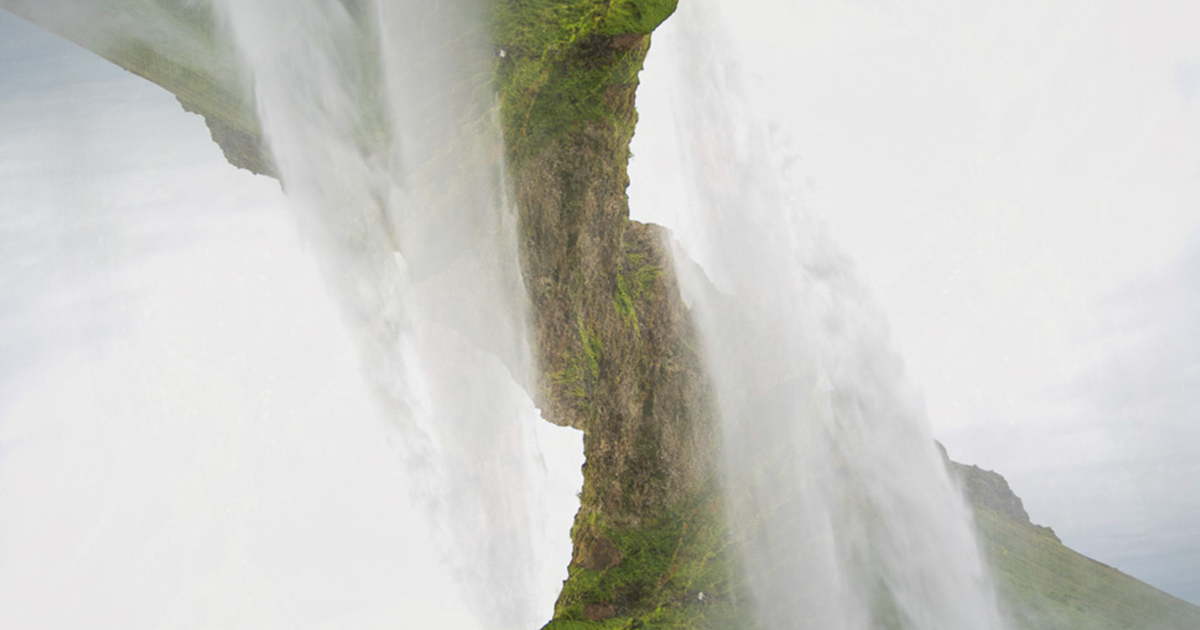
This collection of 30 surreal-looking images of cities and landscapes was created using double exposure, a technique that combines two visual moments into a single photograph. Instead of treating a city as just buildings or a landscape as just scenery, double exposure allows both to become something more poetic. A church tower can dissolve into clouds. A bridge can float through a forest. A street can feel like it is growing out of the sky. Suddenly, the camera is not just recording a place; it is remixing it.
The result is not random chaos. Good double exposure photography depends on planning, contrast, timing, composition, and a willingness to fail spectacularly before one image finally says, “Yes, I am strange, but in a classy way.” Whether made in-camera or refined digitally, these images are a reminder that photography does not always need to choose between documentation and imagination. Sometimes the most honest picture of a place is the one that shows how it felt.
What Is Double Exposure Photography?
Double exposure photography is the process of combining two exposures into one image. In traditional film photography, this meant exposing the same frame of film twice. In modern digital photography, it can happen inside the camera through a multiple exposure setting or later through editing software using layers and blending modes.
The core idea is simple: one image becomes the foundation, and another image fills, interrupts, softens, or transforms it. A dark silhouette may hold a bright landscape inside it. A city skyline may merge with the texture of waves. A row of windows may blend with tree branches until the building looks like it is quietly turning into a forest. It is photography with a tiny identity crisis, which is exactly why it is so compelling.
Why Cities And Landscapes Work So Well Together
Cities and landscapes are natural opposites, which makes them perfect partners for surreal double exposure images. Urban photography is full of lines, grids, glass, steel, signs, and human-made geometry. Landscape photography brings in organic shapes, atmospheric light, mountains, clouds, water, trees, and open space. When these two visual languages overlap, the contrast creates tension and beauty.
For example, a skyscraper layered with a cloudy sky can look like a building made from weather. A street scene combined with a coastline can suggest movement, travel, or memory. A quiet park blended with a busy downtown intersection may create the feeling of two worlds competing for the same breath. That emotional friction is what makes double exposure cityscape photography so powerful.
In this series, the surreal quality comes from treating real locations as raw material. The final image may still include recognizable architecture, rooftops, trees, bridges, and horizons, but they no longer behave like normal objects. They overlap, echo, fade, and reappear. The city becomes less like a map and more like a thought.
The Creative Idea Behind The 30 Images
The idea behind these 30 double exposure images was not simply to stack one photo on top of another and hope the art gods were in a generous mood. The goal was to create visual conversations between places. Every image needed two parts that could speak to each other: a structure and a texture, a skyline and a sky, a shadow and a landscape, a hard edge and a soft atmosphere.
Some images focus on architecture. In those, rooftops, windows, towers, and facades become the skeleton of the composition. Other images lean into nature, using clouds, branches, water, or mountains as the second layer. A few images feel almost abstract, where the viewer has to spend a moment figuring out what is real and what is reflection, overlay, or illusion.
That moment of uncertainty is important. Surreal photography works best when it does not explain itself too quickly. If an image can make someone pause and ask, “Wait, what am I looking at?” it has already won half the battle. The other half is making sure the viewer wants to keep looking after the trick is discovered.
How Double Exposure Turns Ordinary Places Into Dreamscapes
One of the best things about double exposure photography is that it can make familiar locations feel newly discovered. A street you have walked down a hundred times may suddenly look like a scene from another planet when paired with a pale blue sky or a wild patch of trees. A plain wall can become a canvas for clouds. A simple lamppost can look strangely cinematic when doubled against a sunset.
This is especially useful when photographing cities. Urban environments are visually crowded. There are cars, wires, signs, people, fences, windows, and approximately seventeen trash cans trying to become main characters. Double exposure lets the photographer simplify and transform that clutter. By layering carefully, the image can emphasize rhythm, shape, mood, and atmosphere instead of just showing “a busy street with a suspiciously dramatic pigeon.”
Landscapes bring a different challenge. They can be beautiful but predictable if photographed from the obvious angle. Double exposure adds surprise. A mountain can be used as a background texture. A lake can become a reflective skin over a building. A tree line can break up the clean geometry of a city skyline. The technique gives the photographer a way to move beyond postcard beauty and create something more personal.
Composition: The Secret Sauce Behind Surreal Images
Double exposure is not just about combining two attractive photos. Two good photos can make one very confusing photograph if they fight for attention. Strong composition is what keeps the image readable.
1. Start With A Strong Main Shape
A successful double exposure often begins with a clear silhouette or structure. Buildings, bridges, towers, hills, windows, and tree trunks all work well because they give the viewer something stable to hold onto. Without that anchor, the final image can become visual soup. Creative soup, perhaps, but still soup.
2. Use Contrast Carefully
Contrast is essential because the second exposure usually appears most clearly in the lighter or darker parts of the first image, depending on the blending method. Bright skies, dark rooftops, shadowed facades, and clean backgrounds can make the layered scene easier to read. If both images are equally busy and equally bright, the result may look less like surreal art and more like a printer having an emotional episode.
3. Look For Matching Lines
Some of the strongest city and landscape double exposures happen when lines connect across both images. A road may continue into a river. A row of windows may echo a row of trees. A roofline may align with a mountain ridge. These little visual coincidences create harmony and make the image feel intentional rather than accidental.
4. Leave Room For Mystery
Negative space is not empty space; it is breathing room. In double exposure photography, open sky, blank walls, mist, water, and shadow areas allow the second image to appear without overwhelming the frame. The viewer needs space to explore the image, not a visual traffic jam with no exits.
In-Camera Double Exposure Vs. Digital Editing
There are two common ways to create double exposure photographs: in-camera or in post-processing. Both methods can produce beautiful results, but they feel different.
In-camera double exposure is exciting because the process happens at the moment of shooting. Many modern digital cameras include a multiple exposure mode that allows the photographer to combine frames directly. This approach feels spontaneous and honest. You make decisions on location, respond to light, and accept a little unpredictability. It is like cooking without measuring spoons: risky, but occasionally delicious.
Digital editing offers more control. Using software, a photographer can adjust opacity, masking, contrast, alignment, color, and blending modes. This method is useful when the goal is a polished final image or when the two source photos need careful balancing. It also allows more experimentation without permanently committing to a result.
For surreal city and landscape photography, both approaches are valid. In-camera work often has a raw, intuitive charm. Digital blending can create cleaner, more refined compositions. The best choice depends on the photographer’s style, patience, and willingness to argue with layers at 1:00 a.m.
Why The Images Feel Surreal
Surreal-looking images work because they show familiar things behaving in unfamiliar ways. A viewer recognizes the ingredients: a building, a horizon, a tree, a cloud, a road. But the combination breaks the normal rules of space. A landscape appears inside a wall. A skyline floats over water. A tower seems transparent. The brain says, “I know these objects,” while also whispering, “Absolutely not.”
This tension creates a dreamlike feeling. Dreams often combine places that do not logically belong together, but they still feel emotionally true. Double exposure photography has a similar effect. It can make a city look like a memory of a trip, a landscape look like a mood, or a building look like it is carrying the weather inside itself.
That is why the technique is so effective for travel photography and urban landscape photography. Travel is rarely just about what a place looks like. It is also about confusion, wonder, fatigue, curiosity, and the tiny panic of realizing you have walked in the wrong direction for twenty minutes with confidence. Double exposure captures that layered feeling better than a straightforward image sometimes can.
Examples Of Visual Pairings That Work Beautifully
Although every image in a double exposure series has its own personality, certain combinations consistently work well for cities and landscapes.
Architecture And Clouds
Clouds add softness and movement to rigid architecture. When layered over buildings, they can make stone and glass feel weightless. A tall tower with clouds running through it may look less like a structure and more like a thought rising into the sky.
Bridges And Water
Bridges already symbolize transition, so pairing them with rivers, waves, or reflective water deepens the mood. The image can suggest travel, time, distance, or the strange beauty of being between places.
Windows And Trees
Windows are perfect for double exposure because they already imply looking through one thing to see another. Add branches, leaves, or forest textures, and the building can appear alive, as if nature is quietly taking back the frame.
Streets And Mountains
A city street layered with a mountain ridge creates a dramatic contrast between human movement and geological stillness. It can make an everyday road feel epic, which is helpful because most sidewalks do not naturally scream “cinematic masterpiece.”
Silhouettes And Skylines
Dark silhouettes provide a strong shape for bright city or landscape details. This is one of the most classic double exposure approaches because it gives the second image a clear container. The result often feels emotional, symbolic, and easy to read.
What Makes A Double Exposure Image Successful?
A successful double exposure image does more than look unusual. It needs balance, emotion, and visual logic. The viewer should feel that the two exposures belong together, even if they could never exist in the same physical space.
The best images usually have one dominant subject and one supporting layer. If both images demand equal attention, the final piece can become noisy. But when one exposure leads and the other adds atmosphere, the result feels intentional. Think of it like a duet: both voices matter, but if both singers try to hit the biggest note at the same time, someone’s aunt in the audience will wince.
Color also matters. Cool tones can make a double exposure feel quiet, futuristic, or melancholic. Warm tones can make it feel nostalgic or glowing. Black-and-white images emphasize shape and contrast, often giving the final photograph a timeless, graphic quality.
Most importantly, the image needs a reason to exist. “Because I can layer two photos” is not enough. The stronger question is: what does the combination say? Does it suggest memory, movement, nature reclaiming the city, the loneliness of architecture, the energy of travel, or the dreamlike feeling of being somewhere new? When the answer is clear, the photograph becomes more than a visual trick.
Tips For Creating Your Own Surreal Double Exposure Cityscapes
If you want to try double exposure photography yourself, start simple. Choose one city image and one landscape texture. Look for a clean subject, strong contrast, and open space. A building against a bright sky is a good starting point. So is a dark silhouette paired with clouds, trees, or water.
When shooting, pay attention to exposure. Slightly underexposing one frame can help preserve detail and prevent the final image from becoming too bright. If your camera has multiple exposure mode, experiment with additive, average, bright, or dark blending options if available. Each mode changes how the two images interact.
If editing digitally, begin with two images that already have compatible shapes or moods. Use layer opacity and blending modes gently. Mask areas where the composition becomes too crowded. Adjust contrast after blending, not before, because the relationship between the two images changes once they overlap.
Most of all, accept failure as part of the process. Double exposure photography produces many almost-good images. Some will look too messy. Some will look too empty. Some will look like a haunted postcard from a city that failed urban planning. That is normal. The magic comes from experimenting until the layers unexpectedly click.
The Emotional Side Of Double Exposure Photography
Double exposure is more than a technique; it is a way of seeing. It reflects how people actually experience places. We rarely remember a city as a perfect documentary image. We remember fragments: the shape of a roof, the color of the evening sky, the sound of traffic, the feeling of being small under tall buildings, the relief of finding a quiet street after too much noise.
By layering cities and landscapes, double exposure photography captures that fragmented memory. It shows how one place can contain another. A hometown can live inside a travel photo. A mountain view can echo in a city street. A skyline can feel like a dream you had while standing completely awake.
This is why surreal double exposure images often feel personal even when the viewer does not know the location. The technique taps into memory, imagination, and emotion. It does not just ask, “What did this place look like?” It asks, “What did this place feel like after it passed through the mind?”
My Experience Creating Surreal City And Landscape Double Exposures
Creating this kind of work has changed the way I walk through a city. Before focusing on double exposure photography, I often looked for the obvious scene: the grand building, the clean skyline, the dramatic sunset, the postcard angle where everyone politely pretends the trash bin is not there. But double exposure trained me to search for pieces instead of complete pictures.
Now I notice empty skies because they can hold a second image. I notice dark windows because they can become containers for clouds or trees. I notice sharp rooflines, quiet alleys, reflections in glass, and the strange geometry of streetlights. A location does not have to be traditionally beautiful to be useful. Sometimes the most boring wall in the neighborhood becomes the perfect surface for a landscape layer. The wall does not brag about it, but I know.
The biggest lesson is that double exposure rewards patience. It is tempting to combine images quickly and expect instant surreal perfection. In reality, the best results usually come from slow observation. I may photograph a city scene in the morning and not find the right landscape layer until days later. Other times, I shoot both images within minutes because the light, shape, and atmosphere suddenly line up. Those moments feel like the camera and the universe briefly joined the same group chat.
Another important experience is learning when to stop. Double exposure can become addictive. Once you start layering images, it is easy to keep adding more drama, more contrast, more texture, more mystery, and maybe a moon, because apparently every surreal image eventually considers adopting a moon. But restraint matters. A strong double exposure usually leaves something unsaid. It invites the viewer in instead of explaining every idea with a megaphone.
Working with cities and landscapes also made me more aware of mood. Some images feel calm because the layers blend gently. Others feel intense because the architecture cuts through the landscape with hard lines. A few feel lonely, especially when empty streets merge with wide skies. During quiet walks, especially in places with fewer people or unusual light, the images can feel almost meditative. The camera becomes a tool for collecting not just scenes, but atmospheres.
I have also learned to appreciate accidents. A misalignment can create a surprising rhythm. A slightly overexposed sky can become a glowing portal. A reflection I barely noticed while shooting can become the best part of the final image. Double exposure is a planned technique, but it still leaves room for chance. That balance is what keeps it exciting. You guide the image, but you do not fully control it. The photograph gets a vote.
In the end, making 30 surreal-looking images of cities and landscapes using double exposure is not just about producing unusual photographs. It is about building a different relationship with place. You begin to see every street as layered, every skyline as flexible, every landscape as capable of entering another world. The technique reminds me that reality is already full of overlaps: past and present, nature and architecture, memory and location, what we see and what we feel. Double exposure simply makes those invisible layers visible.
Conclusion
Double exposure photography turns cities and landscapes into visual poetry. By merging architecture with clouds, streets with mountains, windows with trees, and skylines with open skies, it creates surreal-looking images that feel both real and imagined. The technique works because it mirrors the way we experience places: not as single, perfect frames, but as layered impressions full of memory, mood, movement, and surprise.
Whether created in-camera or through digital editing, double exposure rewards curiosity, patience, and experimentation. It asks photographers to look beyond the obvious and search for relationships between shapes, textures, light, and emotion. The result can be strange, dreamy, funny, haunting, or quietly beautiful. And sometimes, if everything lines up just right, a simple city street can become an entire dreamscape.
“`