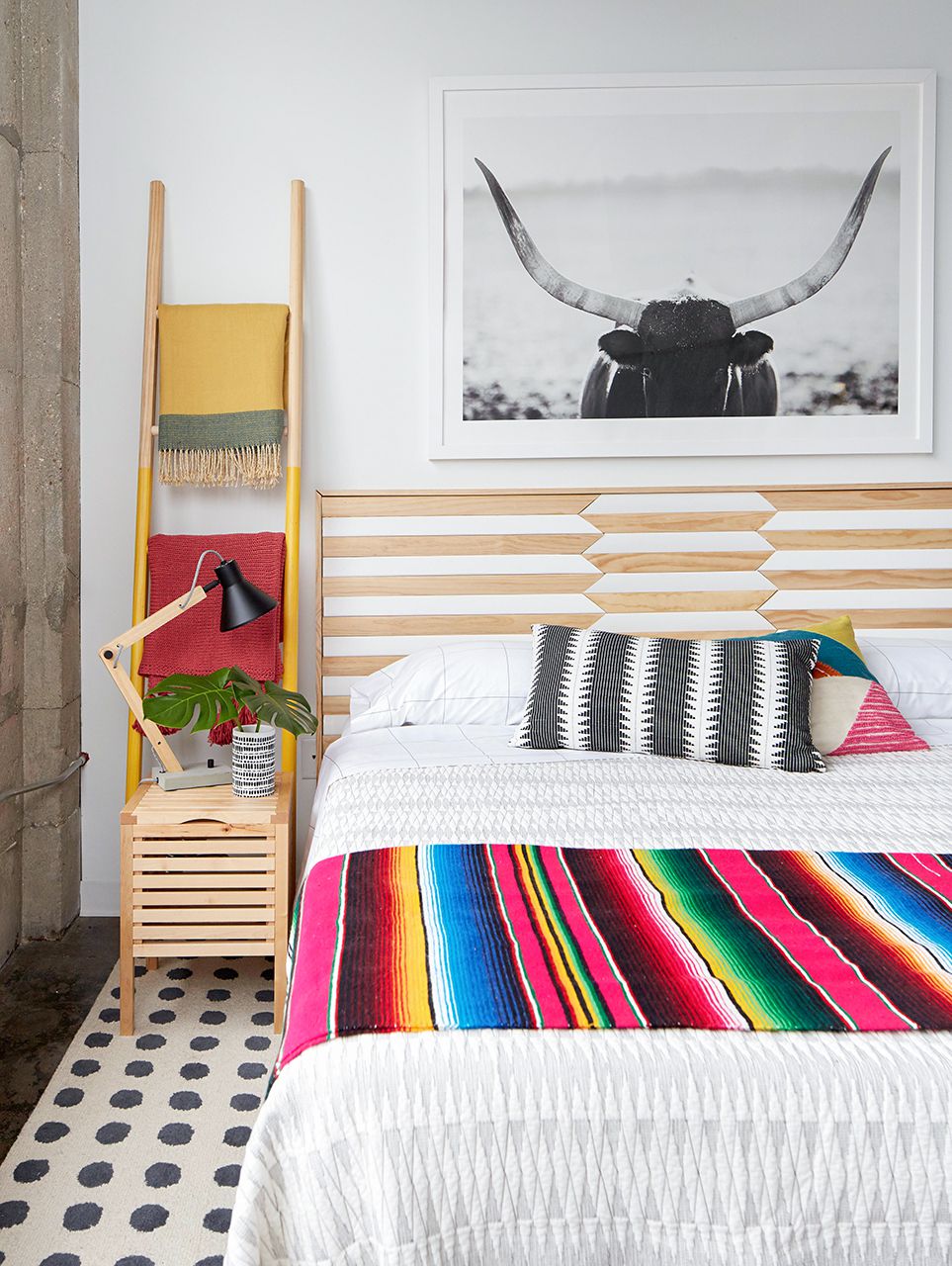
A bedroom refresh does not have to begin with a demolition crew, a designer invoice, or a suspiciously expensive bed frame that costs more than your first car. Sometimes, all your room needs is a new focal point behind the bed. That is where DIY headboard ideas shine. A headboard can add color, texture, height, softness, storage, personality, and just enough “I totally have my life together” energy to make your bedroom feel brand-new.
The best part? You can make a stylish DIY headboard from plywood, fabric, paint, peel-and-stick wallpaper, old doors, curtains, reclaimed wood, cane webbing, pegboard, shelves, rugs, shutters, and even items hiding in your garage. Whether your style is modern, farmhouse, boho, coastal, vintage, minimalist, or “I found this on the curb and saw potential,” there is a low-cost headboard project that can work.
Below are 32 DIY headboard ideas for a low-cost bedroom refresh, with practical tips, design notes, and examples to help you choose the right project for your skill level, budget, and patience supply.
Why a DIY Headboard Is the Fastest Bedroom Upgrade
The bed is usually the largest piece of furniture in a bedroom, so the wall behind it naturally becomes the room’s visual anchor. Without a headboard, the space can feel unfinished, even if your bedding is beautiful. A headboard frames the bed, adds comfort when you sit up to read, and gives the room a more intentional layout.
A DIY headboard is especially useful because it lets you customize the exact height, width, fabric, finish, and mood. Store-bought headboards can be expensive and limited in style. DIY versions can be made with affordable supplies and adjusted to fit twin, full, queen, king, or awkward “this bedroom was clearly designed by someone who hates furniture” layouts.
32 DIY Headboard Ideas for Every Budget and Style
1. Classic Upholstered Plywood Headboard
Start with a sheet of plywood, add upholstery foam, wrap it in batting, and staple fabric tightly around the back. This is one of the most beginner-friendly DIY upholstered headboard ideas because it delivers a soft, polished look without complicated carpentry. Choose linen for a relaxed look, velvet for drama, or performance fabric if pets treat your bed like their personal throne.
2. No-Sew Fabric Headboard
A no-sew headboard uses fabric, batting, and a staple gun instead of a needle and thread. It is ideal for renters or beginners who want the cozy look of upholstery without learning how to sew. Use a bold print to make the bed the focal point, or choose a neutral fabric for a calm, hotel-inspired bedroom.
3. Painted Arch Headboard
A painted arch is the ultimate low-cost headboard alternative. All you need is painter’s tape, a pencil, string, and a quart of paint. Draw an arch behind the bed, paint inside the outline, and suddenly the wall looks custom. Warm terracotta, sage green, dusty blue, and creamy beige are especially stylish choices for this project.
4. Rectangular Painted Headboard
If curves make you nervous, paint a simple rectangle behind the bed. This creates the illusion of a headboard while costing very little. Extend the rectangle slightly wider than the mattress to make the bed look grounded. For a modern touch, paint the rectangle all the way up to the ceiling.
5. Peel-and-Stick Wallpaper Headboard
Peel-and-stick wallpaper is perfect for renters and commitment-phobic decorators. Apply it in a headboard-sized panel behind the bed, then frame the edges with thin wood trim for a finished look. Botanical prints, grasscloth textures, stripes, and geometric patterns all work well.
6. Reclaimed Wood Plank Headboard
Reclaimed wood adds warmth and character. Use old fence boards, barn wood, pallet boards, or leftover flooring. Sand rough edges, seal the wood, and arrange the planks horizontally for a rustic look or vertically for extra height. This idea works beautifully in farmhouse, industrial, cabin, and coastal bedrooms.
7. Pallet Headboard
A pallet headboard is budget-friendly and full of rustic charm. The key is preparation: clean the pallet thoroughly, sand it smooth, check for safe markings, and seal or stain the wood. Leave it natural for a casual look, whitewash it for coastal style, or paint it black for a modern farmhouse bedroom.
8. Board-and-Batten Headboard Wall
Board-and-batten molding creates a built-in headboard effect. Install vertical battens behind the bed, paint the whole section one color, and let the architectural detail do the work. This idea looks expensive but can be made with affordable trim boards. It is excellent for bedrooms that need texture but not visual clutter.
9. Cane Webbing Headboard
Cane webbing brings natural texture and a breezy, vintage-inspired mood. Build a simple wood frame, stretch cane webbing across the center, and secure it from behind. The result feels light, warm, and handmade. It pairs especially well with white bedding, wood nightstands, and woven baskets.
10. Rattan Screen Headboard
A folding rattan screen can become an instant headboard. Place it behind the bed and secure it to the wall for safety. This is one of the easiest headboard ideas for renters because it requires little construction and can move with you later.
11. Vintage Door Headboard
An old door can become a charming statement headboard. Turn it horizontally for a queen or king bed, patch holes, sand rough spots, and paint or stain it. Paneled doors add instant character, especially in cottage, farmhouse, and vintage bedrooms.
12. Salvaged Shutter Headboard
Old shutters make a textured, cottage-style headboard. Use matching shutters for symmetry or mix different sizes for a collected look. Paint them white for a breezy feel, soft blue for coastal style, or deep green for a cozy, traditional bedroom.
13. Quilt Headboard
Hang a quilt behind the bed using a curtain rod, wooden dowel, or quilt hanger. This adds pattern, softness, and nostalgia. It is also easy to swap seasonally. A floral quilt can brighten spring, while a plaid or patchwork quilt makes the room feel warm in colder months.
14. Tapestry Headboard
A tapestry is another lightweight headboard alternative. Choose a woven, printed, or embroidered textile that complements your bedding. Hang it high enough to frame the pillows and wide enough to extend beyond the mattress. Bonus: it can hide a boring wall faster than you can say “security deposit.”
15. Curtain Panel Headboard
Mount a curtain rod behind the bed and hang curtain panels as a soft fabric headboard. This is great for renters, dorm rooms, and guest rooms. Use velvet curtains for a luxurious look, linen panels for casual elegance, or patterned curtains for personality.
16. Rug-as-Headboard Idea
A flat-weave rug can double as a headboard. Hang it securely behind the bed to add texture, pattern, and color. Moroccan-style rugs, vintage kilim rugs, and jute rugs all create different moods. This idea is especially helpful if your bedroom needs warmth but has limited floor space.
17. Pegboard Headboard
Pegboard is practical, affordable, and surprisingly stylish when painted well. Install a large pegboard panel behind the bed and use hooks or small shelves for plants, books, lights, or accessories. It is a smart option for small bedrooms where storage matters.
18. Bookcase Headboard
A bookcase headboard adds storage and structure. You can build one from plywood or repurpose low bookshelves placed behind the bed. Keep styling simple: a few books, small lamps, framed art, and baskets. Avoid overloading shelves directly above your sleeping area unless everything is securely anchored.
19. Floating Shelf Headboard
Install one or two floating shelves above the bed to create a minimalist headboard zone. This approach works best when paired with painted color blocking or vertical wood trim below the shelf. Use the shelf for art, small plants, and decorative objects rather than heavy items.
20. Slatted Wood Headboard
Vertical wood slats are clean, modern, and surprisingly easy to build. Attach narrow boards to a backing panel or directly to the wall, spacing them evenly. Natural wood feels Scandinavian, black stain looks dramatic, and light oak tones create a spa-like atmosphere.
21. Fluted Headboard
Fluted details are popular in modern interiors. You can create the look using half-round molding or pole-wrap panels. Attach the material to plywood, paint or stain it, and mount it behind the bed. The repeated lines add quiet texture without shouting for attention.
22. Wall-to-Wall Headboard
A wall-to-wall DIY headboard makes a small bedroom look more custom. Extend wood, upholstery, or painted paneling across the full width of the bed wall. This visually connects the bed and nightstands, making the room feel planned instead of pieced together from emergency online shopping.
23. Extended Upholstered Panel
Instead of making a headboard just as wide as the mattress, build an extra-wide upholstered panel that continues behind the nightstands. This creates a boutique-hotel effect. Use one long plywood base or several smaller panels mounted side by side.
24. Channel-Tufted Headboard
A channel-tufted headboard has vertical padded sections that look elegant and expensive. To DIY the style, wrap several narrow foam-covered boards in fabric and mount them closely together. Velvet works beautifully here, but even simple cotton can look chic with clean lines.
25. Slipcovered Headboard
If you already have a headboard but hate the finish, make a slipcover. This lets you refresh the bed without replacing the structure. Try washable linen, ticking stripe, gingham, or canvas. A slipcovered headboard feels relaxed and is easy to update when your taste changes.
26. Faux Leather Headboard
Faux leather can make a DIY headboard look tailored and masculine without a high price tag. Wrap a plywood panel with foam, batting, and faux leather vinyl, then staple it on the back. Brown faux leather works well with rustic or industrial rooms, while black feels sleek and modern.
27. Rope-Wrapped Headboard
Wrap rope around a wood frame or curtain rod structure to create a nautical, organic headboard. This idea works best in coastal, boho, or casual bedrooms. Keep the rest of the room simple so the rope texture feels intentional rather than “summer camp craft table, but make it furniture.”
28. Tin Tile Headboard
Faux tin tiles can create a vintage-inspired headboard with shine and texture. Attach lightweight tiles to plywood and paint them white, bronze, matte black, or antique silver. This is a fun choice for bedrooms that need architectural character.
29. Fabric Panel Grid Headboard
Create a grid of small upholstered squares or rectangles and mount them together. This method is easier than making one giant panel because each piece is manageable. Mix fabrics for a playful look or use one fabric for a calm, tailored design.
30. Macramé Headboard
A large macramé wall hanging can become a soft boho headboard. It adds texture without bulk and works especially well in apartments. Pair it with wood furniture, plants, neutral bedding, and warm lighting for a relaxed bedroom refresh.
31. Art Gallery Headboard
Create a “headboard” from framed art arranged in a grid or salon-style layout. Use lightweight frames and secure them carefully. This is ideal for anyone who wants a personal bedroom without building furniture. Choose calming prints, black-and-white photos, or vintage botanical illustrations.
32. Oversized Pillow Headboard
For the easiest soft headboard, hang oversized cushions from a wall-mounted rod or leather straps. This looks casual, cozy, and modern. It also gives you comfortable back support for reading in bed. Use washable covers because pillows behind the bed will meet hair products, coffee, and real life.
How to Choose the Right DIY Headboard Idea
Consider Your Skill Level
If you are new to DIY, start with painted shapes, hanging textiles, peel-and-stick wallpaper, or a no-sew fabric headboard. If you have basic tools, try slatted wood, board-and-batten, or a simple plywood upholstered headboard. If you enjoy bigger projects, consider a wall-to-wall headboard, bookcase headboard, or channel-tufted design.
Think About Comfort
If you read, watch shows, or scroll your phone in bed while pretending you are “just checking one thing,” choose a padded headboard. Upholstered, pillow, slipcovered, and channel-tufted headboards offer better support than hard wood or metal surfaces.
Match the Headboard to the Room Size
Small bedrooms often benefit from wall-mounted or painted headboards because they do not take up floor space. Tall headboards can make ceilings feel higher, while extra-wide headboards can make a room look more custom. In narrow rooms, avoid bulky designs that crowd the bed.
Use Materials You Already Have
The most affordable DIY headboard is often the one made from leftovers. Leftover paint, spare plywood, old curtains, unused fabric, extra trim, thrifted doors, or forgotten rugs can become a beautiful bedroom feature. Before shopping, check your garage, closet, attic, or local salvage store.
Budget Tips for a Low-Cost Bedroom Refresh
To keep costs down, choose one statement material and let it carry the design. For example, a painted arch needs only color. A cane headboard needs simple framing. A fabric headboard needs one beautiful textile. You do not need expensive extras if the main idea is strong.
Also, measure carefully before buying supplies. A common DIY mistake is purchasing too much fabric, too little trim, or a piece of plywood that almost fits but makes you question every life decision. Measure the mattress width, decide how high the headboard should be, and sketch the design before heading to the store.
For a polished look, pay attention to finishing details. Sand wood. Pull fabric tight. Hide staples. Use wall anchors when needed. Paint edges cleanly. Secure anything mounted above the bed. A low-cost headboard can look high-end when the details are neat.
DIY Headboard Safety Notes
Any headboard attached to the wall should be secured properly, especially in homes with kids, pets, or enthusiastic pillow floppers. Use studs when possible, and choose anchors rated for the weight of the project. Avoid placing heavy objects directly above the pillows unless they are firmly installed. For reclaimed materials, sand rough spots and seal surfaces to prevent splinters or dust.
If using pallets or salvaged wood, choose clean, dry pieces and avoid boards that smell odd, show signs of chemical spills, or have unknown residue. For upholstered headboards, consider breathable fabric and avoid overstuffing the piece so much that it becomes difficult to mount securely.
Best DIY Headboard Ideas by Style
Modern Bedrooms
Try a slatted wood headboard, fluted panel, wall-to-wall upholstered headboard, painted rectangle, or faux leather design. Keep lines clean and colors controlled.
Farmhouse Bedrooms
Choose reclaimed wood, a pallet headboard, board-and-batten wall, vintage door, shutters, or a slipcovered headboard in ticking stripe or linen.
Boho Bedrooms
Go for cane webbing, rattan screens, macramé, tapestry, rug headboards, or warm wood tones. Add plants and textured bedding for a layered look.
Coastal Bedrooms
Use whitewashed wood, rope details, shutters, blue-and-white fabric, woven textures, or a simple linen upholstered headboard.
Small Bedrooms
Painted headboards, peel-and-stick wallpaper, floating shelves, pegboard, or narrow upholstered panels can add style without stealing space.
Extra Experience-Based Tips for Making a DIY Headboard Look Better
After seeing many bedroom refreshes succeed or fail, one lesson becomes obvious: the best DIY headboard does not have to be complicated, but it does need to look intentional. A plain plywood panel covered in fabric can look better than a complicated design if the fabric is smooth, the corners are neat, and the scale fits the bed. On the other hand, even expensive materials can look awkward if the headboard is too narrow, too low, or floating randomly behind the pillows like it got lost on the way to becoming furniture.
One helpful trick is to make the headboard slightly wider than the mattress. Even two to four extra inches on each side can make the bed feel more substantial. For queen and king beds, an extended headboard that reaches behind the nightstands can make the whole room feel designed. This is especially useful when the bedroom has plain walls and basic furniture. The headboard becomes the element that ties everything together.
Height matters too. A low headboard can feel cozy and modern, but it may disappear once pillows are stacked in front of it. If you love big pillows, make the headboard taller than you think you need. A good rule is to let at least 24 to 30 inches show above the mattress, though tall rooms can handle even more height. In a room with low ceilings, vertical slats or a painted arch can create the feeling of height without making the furniture bulky.
Fabric choice can make or break an upholstered project. Thin fabric may show bumps, staples, or uneven foam underneath. Medium-weight upholstery fabric, canvas, linen blends, velvet, or faux leather usually looks more forgiving. If you are using patterned fabric, center the pattern carefully before stapling. Nothing says “homemade in a panic” like stripes that lean sideways behind your head.
For wood headboards, sanding is not optional. Even rustic pieces need smooth edges. A reclaimed wood headboard should look charming, not like it plans to give you a splinter at 2 a.m. After sanding, test stains and paint colors on scrap pieces first. Wood can absorb color unpredictably, and a stain that looks warm in the can may turn orange on the board. Seal the finished surface so it is easier to dust and safer near bedding.
Lighting also changes the final result. A headboard that looks flat during the day can look beautiful with warm sconces, plug-in wall lamps, or small bedside lights. If your DIY headboard has texture, like cane, fluting, board-and-batten, or slats, angled lighting will create soft shadows and make the material look more expensive.
Finally, style the bed after installing the headboard. The headboard and bedding should work together. If the headboard is bold, keep the bedding calmer. If the headboard is simple, add pattern with pillows or a throw blanket. A DIY bedroom refresh feels complete when the wall, bed, textiles, lighting, and nightstands look like they are having the same conversation.
Conclusion
A low-cost bedroom refresh can start with one smart project: a DIY headboard. Whether you paint an arch, upholster plywood, hang a quilt, repurpose shutters, build with reclaimed wood, or install a wall-to-wall panel, the right headboard can completely change how your room feels. It can make a basic bed look custom, add comfort, introduce color, and give your bedroom the finished look it has been politely begging for.
The best DIY headboard ideas are not just cheap; they are personal. They let you reuse materials, experiment with texture, and create something that fits your exact space. Start with your budget, choose a style you love, measure twice, and keep the finishing details clean. Your bedroom does not need a full renovation to feel refreshed. Sometimes, it just needs a better backdrop for your pillows.