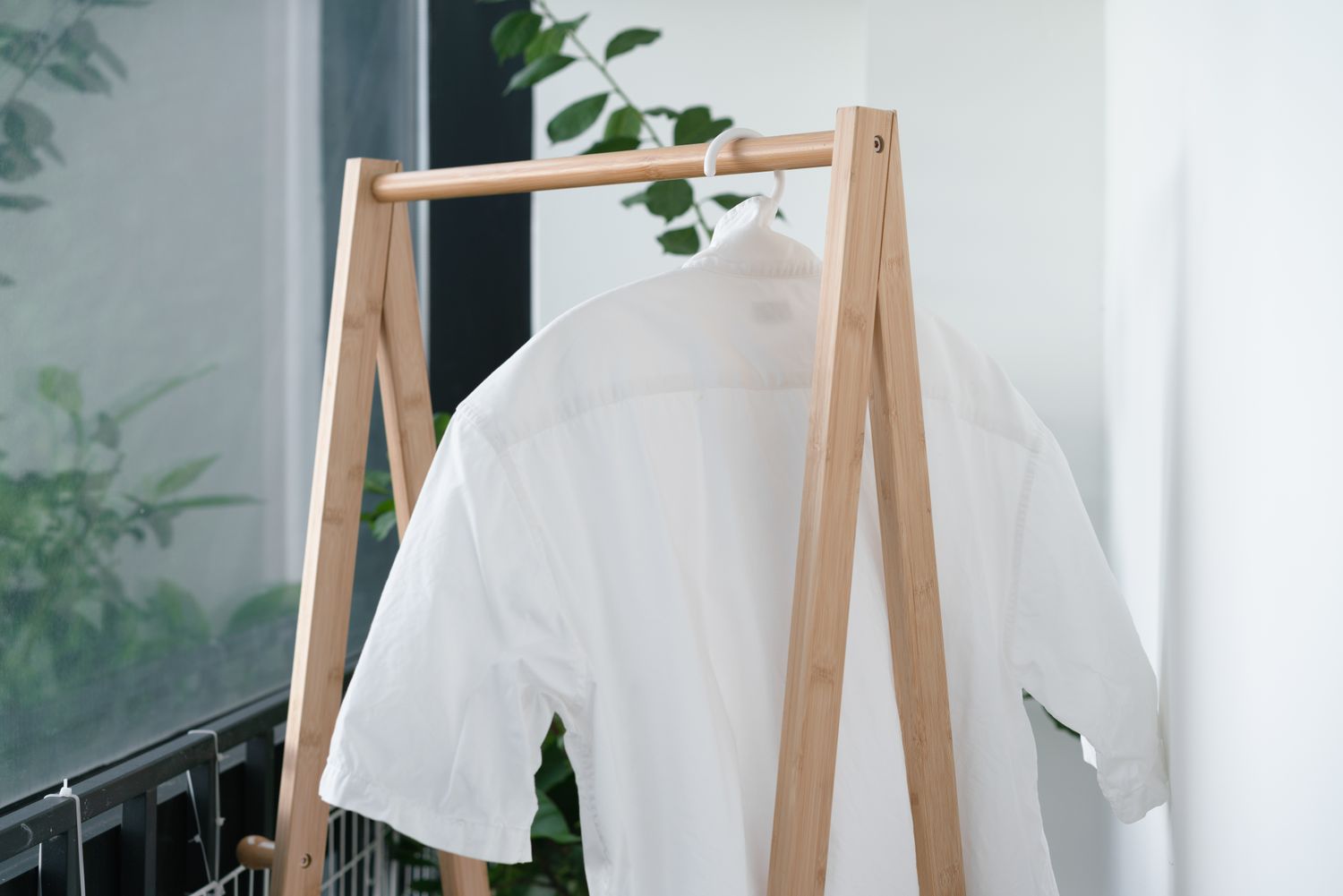
Some clothes need a real wash after every wear. Gym shirts, underwear, socks, and anything with visible stains have earned their trip to the laundry basket. But a blazer you wore to dinner? Jeans you had on for a few hours? A sweater layered over a T-shirt? Those pieces are often just a little tired, not truly dirty.
That is good news for your schedule, your water bill, and your favorite clothes. Washing too often can fade colors, wear down fibers, and make once-lovely garments age faster than a banana on a dashboard. Learning how to freshen clothing between washes helps you stretch the life of your wardrobe while still smelling like a person who has their life together.
The trick is to use the right refresh method for the right kind of odor, wrinkle, or limp feeling. Sometimes your clothes need fresh air. Sometimes they need steam. Sometimes they need a gentle spritz. And sometimes they just need a quick tumble that says, “Wake up, little shirt, you still have one more outing in you.”
Here are four smart, practical ways to freshen clothing between washes, plus tips on when to stop trying to be clever and just wash the thing.
Why Freshening Clothes Between Washes Makes Sense
Before we get to the methods, it helps to understand what you are trying to fix. Most lightly worn clothes are dealing with one or more of these issues:
- Minor body odor from a short wear
- Wrinkles from sitting, folding, or travel
- A stale smell from being stored too long
- Light environmental odors such as cooking, smoke, or a musty closet
Those problems do not always require a full wash cycle. In many cases, you can remove trapped moisture, relax fibers, or reduce light odor without soaking the garment in detergent and spinning it into next week.
That said, refreshing is not the same as cleaning. If a garment is grimy, sweaty, stained, or smells strong enough to enter a room before you do, skip the shortcuts. Freshening is for clothes that are lightly worn and structurally clean, not for laundry that is trying to impersonate a science experiment.
1. Air It Out Like It Owes You Rent
The simplest way to freshen clothing between washes is also one of the most effective: let the garment breathe.
How it works
When clothes are hung in a well-ventilated space, trapped moisture and mild odors can dissipate naturally. This is especially helpful for outer layers and structured pieces that are not dirty but feel slightly stale after wear. Airing out works well for jeans, sweaters, jackets, casual dresses, and trousers.
How to do it right
- Hang the garment on a proper hanger rather than tossing it over a chair
- Place it in a breezy room, near an open window, or outside in shaded fresh air
- Give it enough space so air can move around it
- Let it hang for several hours or overnight
If the weather is dry and mild, outdoor air can do a great job lifting stale odors. Sunlight can help too, but do not leave dark or delicate garments baking for hours unless your goal is “refreshed with a side of fading.”
Best for
Blazers, denim, cardigans, sweaters, coats, scarves, and clothes that picked up a faint restaurant or closet smell.
Not ideal for
Items with heavy sweat, mildew odors, or obvious stains. Air can help, but it is not magic, and even magic has limits.
2. Use Steam to Remove Wrinkles and Light Odors
Steam is the overachiever of clothing refresh methods. It can help relax wrinkles, loosen fibers, and reduce mild odors all at once. If fresh air is the easygoing friend, steam is the friend who shows up with a lint roller and a plan.
Why steaming works
Warm moisture helps release wrinkles and can make lightly worn garments feel fresher. It is especially useful for clothes that look fine from a cleanliness standpoint but appear crumpled, limp, or vaguely defeated.
Ways to steam clothing
- Use a garment steamer on hanging clothes
- Use the steam setting on a dryer if your machine has one
- Hang clothes in the bathroom while you take a hot shower
The shower trick is not a deep-clean miracle, but it can help smooth a blouse, revive a dress, or take the “bottom of a suitcase” look out of a shirt in a pinch.
Best practices
- Check the care label first
- Steam from top to bottom while the item hangs naturally
- Let the garment dry fully before wearing or storing it
- Do not oversaturate delicate fabrics
Best for
Blouses, dresses, slacks, blazers, lightweight knits, and travel clothes that need a quick reset.
Extra tip
If the underarm area or collar needs more help than the rest of the garment, steam first, then let the item air out for a while. The combo often works better than either method alone.
3. Use a Fabric Refresher Spray, But Keep It Light
A fabric refresher can be a great shortcut for lightly worn garments that smell a little flat. The key phrase here is lightly worn. A gentle spritz can freshen fabric; drowning a shirt in fragrance just creates the scent profile known as “laundry room tries to fight gym bag.”
Your options
You can use a commercial fabric refresher or a simple DIY spray made for fabric-safe use. Many people keep a small mister with water and a tiny amount of white vinegar for washable fabrics, though it is wise to test any homemade solution on an inconspicuous area first. Some also add a drop or two of essential oil, but less is more. Your sweater should not smell like it is hosting a spa retreat.
How to use it
- Spray lightly from several inches away
- Focus on odor-prone areas such as collars, cuffs, and underarms
- Allow the garment to dry completely before wearing or rehanging
- Always test first on delicate or dark fabrics
Best for
Casual tops, cotton dresses, denim, washable outer layers, and clothing that just needs a quick refresh before one more wear.
Use caution with
Silk, suede, leather, embellished garments, and anything labeled dry clean only unless the product specifically says it is safe for that fabric. When in doubt, do not turn your nice clothes into a chemistry project.
4. Tumble on Air-Fluff or No Heat for a Quick Reset
Your dryer can do more than dry. A short air-fluff or no-heat cycle can help shake out wrinkles, remove lint, and freshen lightly worn clothing without putting it through a full wash.
Why this works
The motion of tumbling can loosen dust, reduce that “I have been folded in a weird way” look, and make garments feel less flat. Some people use this method when they need to revive clothes quickly before heading out the door.
How to do it
- Use the air-fluff, no-heat, or refresh cycle if available
- Run the garment for about 10 to 15 minutes
- Add a clean, dry towel to help soften the tumble effect
- Remove the item promptly and hang it up
If your dryer has a steam-refresh function, that can also be helpful for some garments. Still, always follow fabric-care labels. A shirt can survive many things, but being roasted by bad judgment should not be one of them.
Best for
T-shirts, casual dresses, sleepwear, knit tops, and travel clothes that need to look less rumpled.
Not best for
Very delicate fabrics, embellished items, or anything that is likely to shrink, stretch, or snag.
Bonus Habits That Help Clothes Stay Fresh Longer
Want your clothes to need fewer refreshes in the first place? A few habits make a big difference.
Let clothes rest before rehanging
Do not put a worn garment straight back into a crowded closet. Give it time to air out first, especially if you wore it all day.
Use better hangers
Good hangers help garments keep their shape and improve airflow. Wire hangers, on the other hand, are great if your dream is a closet full of shoulder bumps.
Keep the closet fresh
A musty closet can make clean clothes smell tired. Improve ventilation, avoid overcrowding, and consider odor absorbers such as baking soda or charcoal in the space.
Spot-clean small marks right away
A tiny drip on the cuff or a makeup smudge at the neckline does not always require a full wash. A prompt spot clean can buy the garment another wear.
When You Should Skip the Refresh and Just Wash the Clothes
Refreshing clothing between washes is useful, but it is not permission to create a personal “one shirt, infinite lives” program. Wash the garment if:
- It has visible dirt, stains, or body oil buildup
- It smells strongly even after airing or steaming
- It was worn during exercise or in hot, sweaty conditions
- It touched your skin directly for a long time
- It has mildew, smoke, or deep-set odor that keeps returning
Items like underwear, socks, leggings, base layers, and many workout clothes usually need washing after each wear. That is not me being dramatic. That is just laundry reality.
How to Choose the Right Method
If you are not sure which refresh method to use, try this quick guide:
- Stale or closet smell: Air it out first
- Wrinkles plus mild odor: Steam it
- Needs a quick boost before heading out: Light fabric spray
- Looks limp or linty and needs a fast reset: Air-fluff in the dryer
And yes, combining methods is fair game. Airing out a sweater after a light steam is not overkill. It is strategy.
Conclusion
Knowing how to freshen clothing between washes is one of those small life skills that quietly pays off. Your clothes last longer. Your laundry pile grows more slowly. Your mornings get easier. And your favorite pieces avoid unnecessary wear from constant washing.
The four best methods are refreshingly simple: air garments out, use steam, apply a light fabric refresher, or run a short no-heat tumble cycle. Each one solves a slightly different problem, and together they make a solid toolkit for keeping lightly worn clothes in rotation without over-laundering them.
The secret is not to overdo it. Refresh when clothing is lightly worn, clean-looking, and only mildly stale. Wash when it is actually dirty. That balance is the sweet spot. Your wardrobe stays fresher, your fabrics stay happier, and your laundry room gets a little less dramatic.
Real-Life Experiences With Freshening Clothing Between Washes
In real life, most people do not stand in front of a closet asking, “What would the textile scientists want me to do?” They grab the shirt, sniff it once like a detective in a low-budget mystery movie, and make a judgment call. That is exactly why simple refresh methods matter. They fit into real routines.
Take the office blazer example. Many people wear a blazer over another layer for a few hours at work, then hang it back up. Washing it after every wear would be excessive and, for some fabrics, downright rude. In practice, airing it out overnight near an open window often makes it feel ready again. If the sleeves are a little wrinkled, a few passes with a steamer usually do the trick. That combination can keep a blazer looking polished for much longer between cleanings.
Jeans are another classic case. A lot of people wear jeans for short errands, dinner, or a casual workday and do not actually need to wash them immediately. Letting them hang overnight helps release that worn-in, slightly stale smell. A quick spritz on the waistband area, followed by more airing out, can make them perfectly wearable for another outing. It is practical, easy, and much kinder to denim than constant washing.
Travel is where these tricks really earn a standing ovation. When you are living out of a suitcase, clothes wrinkle fast and pick up all kinds of weird little smells from airplanes, hotel closets, and overpacked bags. Hanging a dress or shirt in a steamy bathroom while you shower can rescue it before dinner. A no-heat tumble in a hotel laundry room can bring a crumpled top back to life. These are not glamorous solutions, but they work, and travel laundry rarely needs glamour. It needs results.
Parents also know the value of refresh methods. Kids may wear a sweatshirt for two hours, then abandon it on a chair as if they have been called away to a more urgent mission. If it is not stained or sweaty, washing it every time is unnecessary. Airing it out and folding it properly is often enough. The same goes for cardigans, light jackets, and the mystery hoodie that somehow appears in every room of the house.
Then there is the “going out again tonight” scenario. You wore a dress to lunch, came home, and now you need it again for dinner. It is not dirty, but it looks a little rumpled and does not smell as fresh as it did that morning. This is exactly when steam shines. Ten minutes later, the dress looks smoother, feels fresher, and you did not have to panic-wash it and hope for the best.
The real lesson from all these experiences is that refreshing clothing between washes is not about avoiding laundry forever. It is about using common sense. Some clothes need soap and water. Some just need air, a little steam, or a quick reset. Once you figure out the difference, laundry becomes less of a chore and more of a strategy. Also, your favorite clothes stop aging in dog years, which is a nice bonus.